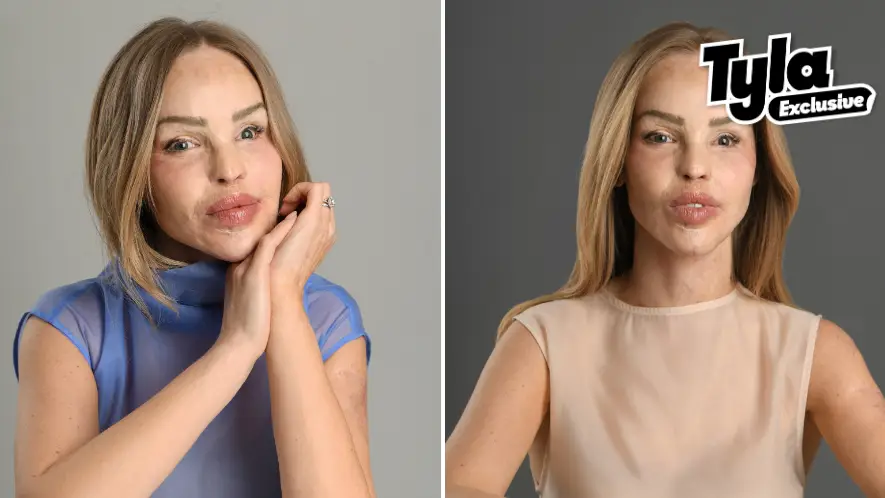
Katie Piper explains why being called ‘still beautiful’ is a problem and rejects idea ageing women 'lose something'

As someone who has lived with a facial difference since 2008 following an acid attack, Katie Piper knows what it’s like to exist outside of traditional definitions of beauty. Little did she expect she’d experience the same othering when she turned 40.
"I was told that once I was no longer beautiful by Western beauty standards," Katie, now 42, tells Tyla in an exclusive interview.
"Whether that's symmetry or whether that's texture, I was told I didn't fit that, that I would struggle to build a life, I would struggle to meet somebody."
Advert
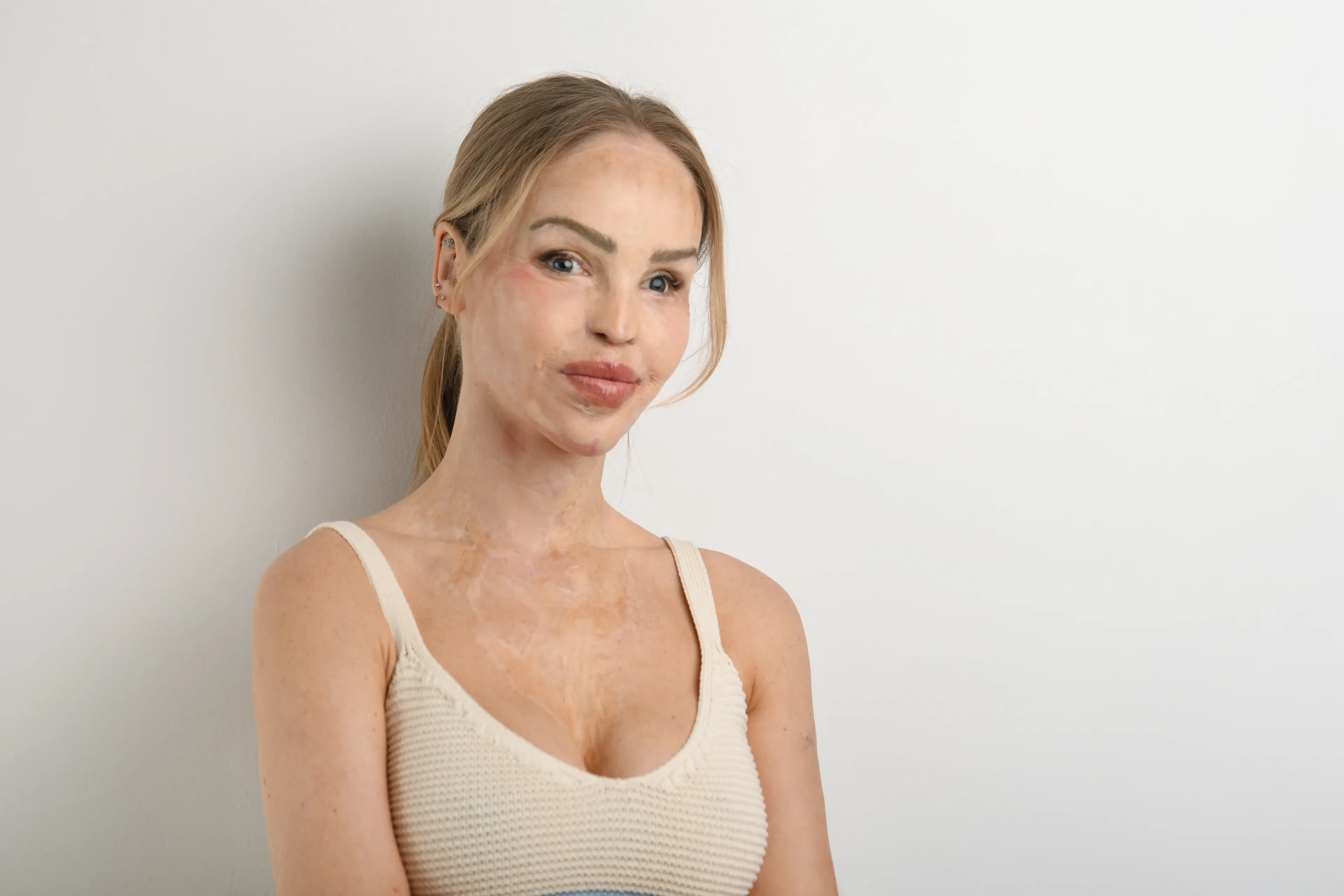
Katie said she later encountered a similar message around getting older, only this time it centred on youth.
"When I turned 40 I then got this message again, but this time around youth," she says.
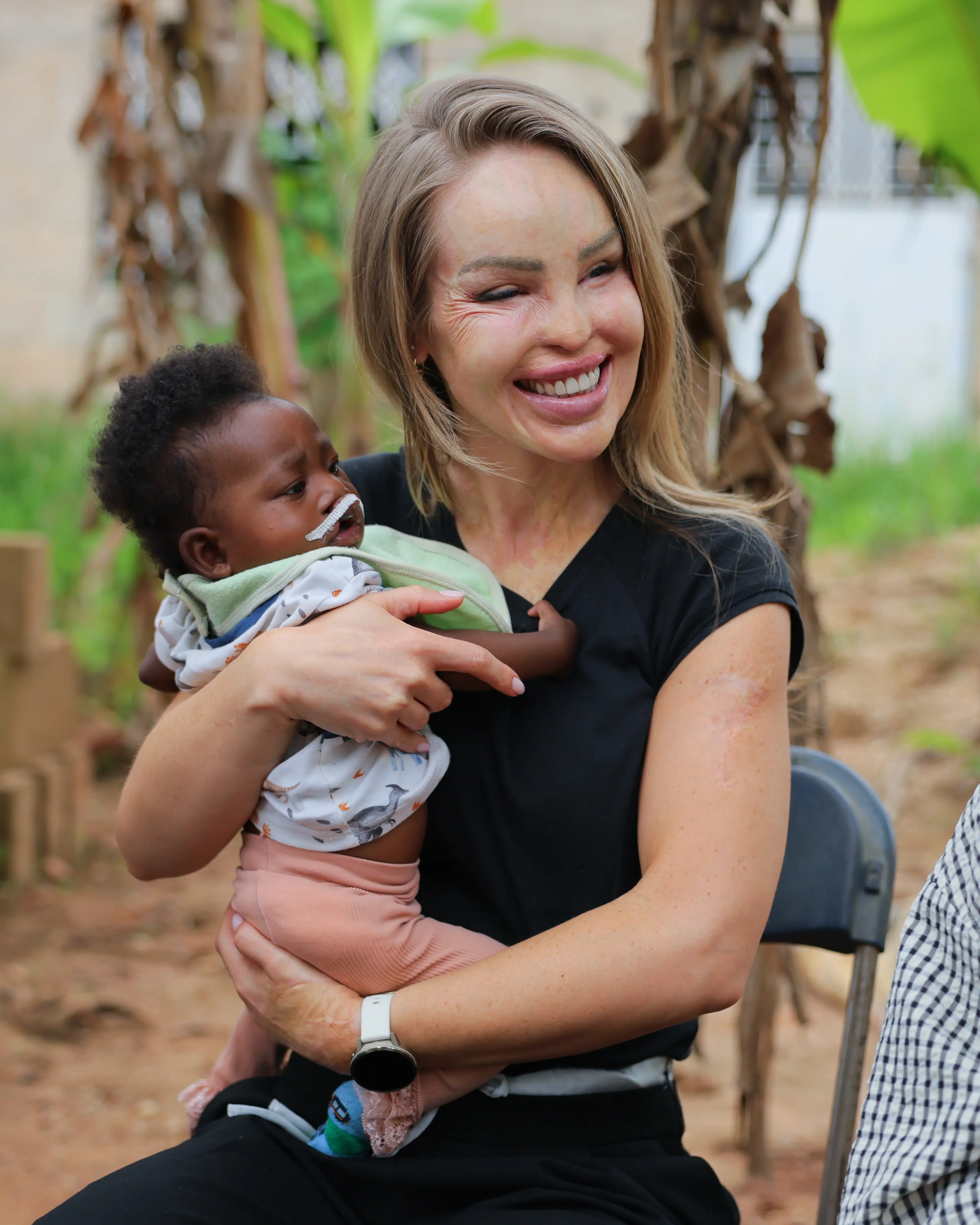
Rejecting these stereotypes was the subject of her 2025 book Still Beautiful and also informs the work she’s doing as the Global Ambassador for Smile Train, the world’s largest cleft-focused organisation, for which she recently returned from a trip to its National Cleft Care Center in Kumasi, Ghana.
She’s been an ambassador for the organisation since 2025, but this was her first trip where she had the opportunity to meet parents who had travelled long distances to access treatment for their children and speak with local surgeons, nurses and speech therapists delivering the care.
Speaking on becoming a Smile Train Global Ambassador, Katie shares: "I felt an immediate connection to Smile Train’s mission because I understand how deeply appearance and confidence can affect someone’s life. While I wasn’t born with a cleft, I do know what it’s like to live with a facial difference.
"I also observed surgeries and saw firsthand the incredible impact that access to safe cleft care can have on a child and their family. Meeting families in Ghana showed how life-changing Smile Train’s care really is, and I truly believe that every child deserves access to cleft care."
A new chapter
Katie is taking her mission for unapologetic self-acceptance even further this month with the launch of her new platform, Piper Period, a period-tracking app.
"I feel quite excited about, you know, this is a new chapter for me, and it's going to grow, and I've got lots of things coming, but I feel like together that change is coming and anything is possible," she shares.
That hasn’t always been easy, she admits.
The bigger shift, she tells Tyla, has been understanding that her appearance is only one part of who she is.
"I made that mistake a long time ago where my only offering to the world was being hot, and when that was so unexpectedly gone from me in seconds, I didn't know who I was," she reflects.
Today, she believes women are deliberately kept in a cycle of insecurity, with beauty industries often profiting from the very fears they help create.
"You must be very careful and look at who or what is making you feel that way, because often those same people or that same brand are also selling you the solution," she warned.
She pointed to the endless conversations women are encouraged to have about their appearance, from weight loss and Botox to hair extensions and skincare, while other forms of financial empowerment are discussed far less.
"We keep the economy afloat, and if we suddenly had high levels of self-worth and self-esteem, it would affect the economy," she said.
"It benefits somebody somewhere to keep us playing small really."
Women and their 'prime'
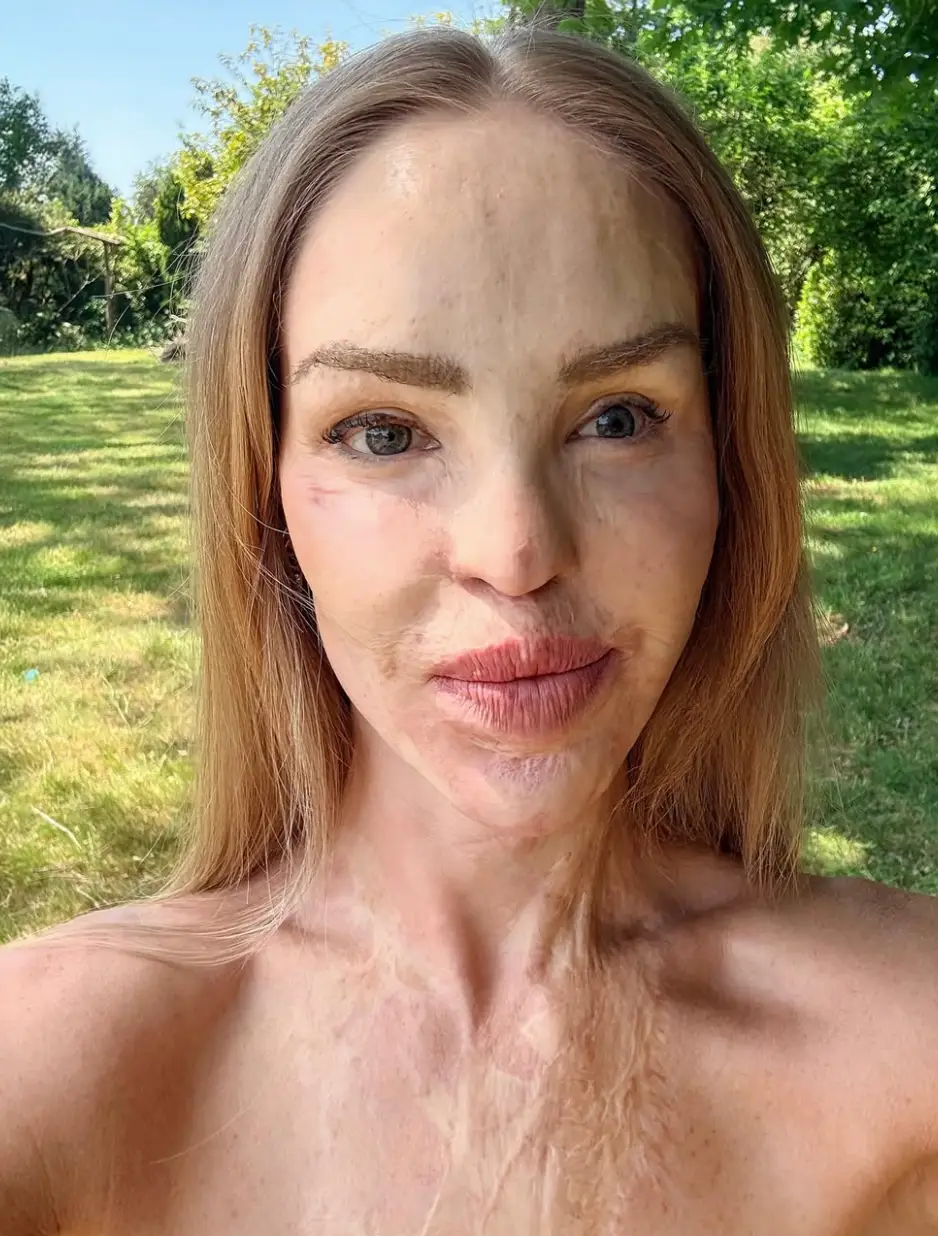
This prompted Katie to question the idea that women somehow reach a 'prime' before their lives have properly begun: "I actually don't think it is. I actually think your 20s are your time for minimal responsibilities, experimenting, making mistakes.
"And then like 30s, you're laying your foundations, then 40s, you're reaping the benefit, then 50s you're in your second act."
Katie says that the idea that women are 'losing something' as they age is particularly damaging.
"If you ever felt not good enough, if you ever felt like you were losing something, it was never you, like the problem was never you," she explains.
Katie also reflects on how ageing has changed her own relationship with her appearance.
"I just don't feel that I can ever become ungrateful for this body that's still carrying me," she said. "We fought to get to 40, like this is always celebratory."
She admits that society’s attitude towards ageing can still make itself known, including through the comments of her children.
"My youngest child, she's like, 'Mum, why is your face like a raisin?'"
Now, Katie sees reaching another decade as something to celebrate rather than fear: "Just living longer and gaining decades is only a positive thing for me."
'Still beautiful'
And when it comes to the word 'beautiful' itself, Katie has come to see it very differently.
"I always think it's an opinion," she said, comparing beauty to art and the different reactions people can have to the same painting.
"It's subjective; it is an opinion, and we mustn't let AI become the new beauty editor."
With filters, FaceTune and AI increasingly influencing how people see themselves, Katie believes women need to be wary of handing over their definition of beauty to technology.
Instead, she wants women to find confidence in community, honesty and solidarity: "Collectively we can be really disruptive."
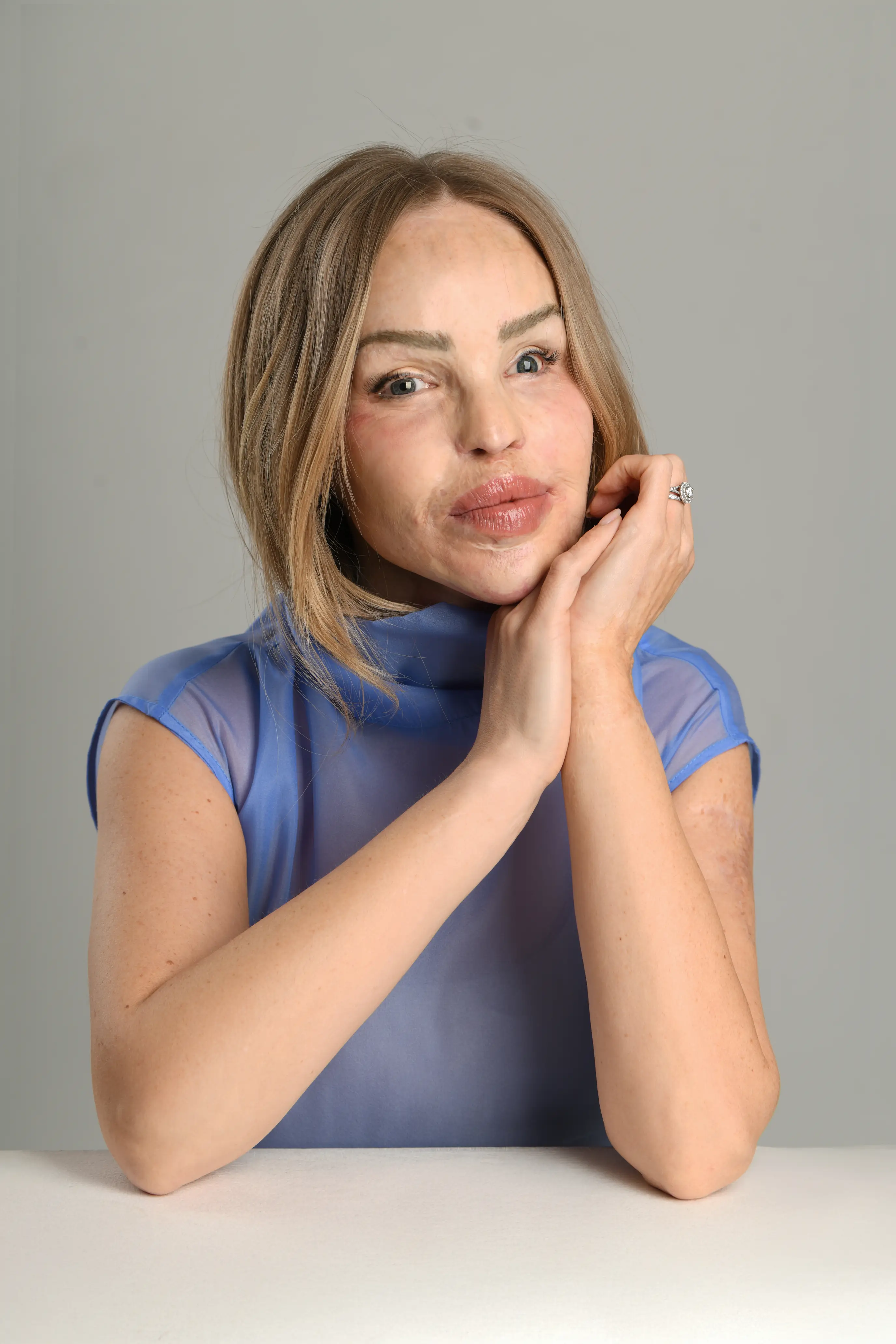
That thinking is at the heart of Katie’s new book, Still Beautiful, a title she deliberately chose with a hint of irony: "When people meet me, they think a compliment or a way to show solidarity is to tell me that I'm still beautiful, and it's like, so do you think after all of this that is still what matters?"
She adds: "Because isn't that such a shame, and also what about the girl that I'm mentoring at my charity that lost her nose? What about the guy I'm mentoring that lost his right arm in the house fire? Are they not still beautiful then?"
And perhaps her most powerful message is the simplest one: "To feel positive and hopeful, it's kind of, I mean, it's such an indication of strength, isn't it, and determination."
Topics: Tyla Exclusive, Celebrity, Women's Health, Beauty, Life
 Rhiannon Ingle