New species of cat discovered for the first time in over 100 years

Move over, kittens - there's a brand new feline in town.
Scientists working in one South American country have identified a previously unknown species of wild cat, marking the first time in more than 100 years that a new living species of cat has been formally described.
And honestly? It's adorable.
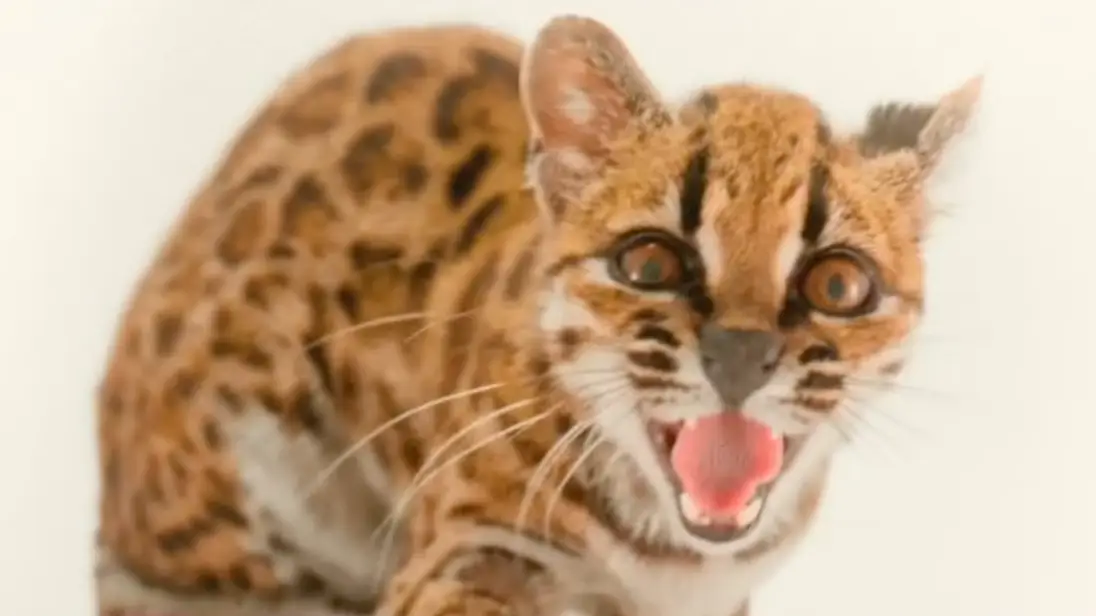
Meet the tilcayo tiger cat, officially named Leopardus tilcayo, a spotted, pint-sized feline found in the misty Yungas cloud forests on the eastern slopes of Bolivia'S Andes.
Advert
At around 46cm long and weighing roughly 1.4kg, the newly identified cat is actually smaller than the average domestic cat.
'So, how did nobody notice it until now?', I hear you ask.
Well, the story of the tilcayo actually began around a decade ago, when Bolivian biologist and National Geographic explorer Paola Nogales-Ascarrunz received a call from a wildlife sanctuary about what staff described as a 'weird cat'.
The animal had originally been found as a kitten by a local man, who took it home believing he had stumbled across an unusual domestic breed.
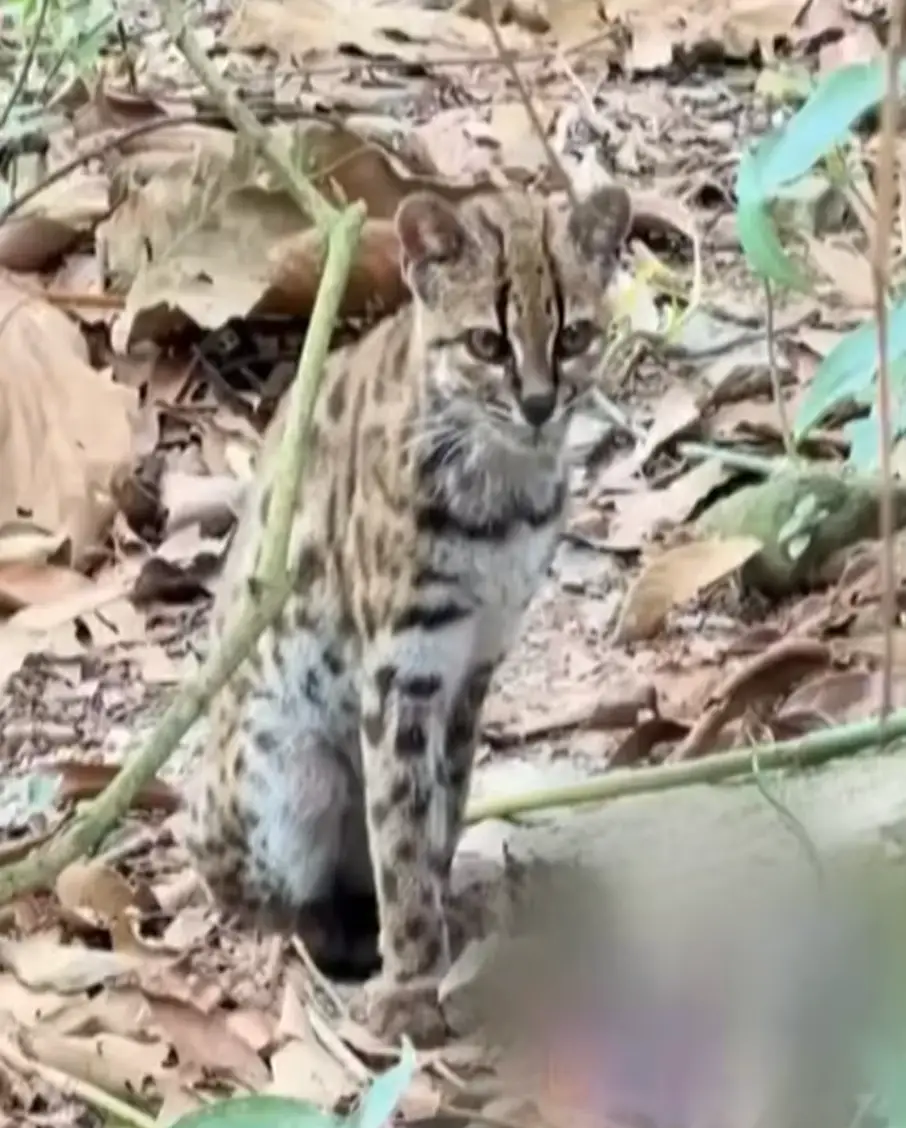
After spending around a year with the animal, however, he realised it was very much a wild cat and brought it to the Senda Verde wildlife sanctuary.
When Nogales-Ascarrunz first saw it, she was intrigued by its unusual appearance, including its tiny face, rounded ears, long whiskers and distinctive leopard-like spots.
But there was one thing that really stood out to her.
"I saw this cat; it was really, really small, and I couldn’t believe how small it was," she said, as per NBC News. "I thought it was a kitten."
The animal had been brought to the sanctuary by a man from a forest community near La Paz, who had initially believed he had found a domestic kitten.
He'd even been feeding it noodles, rice and eggs before eventually realising that this was, in fact, a wild animal he probably shouldn't be keeping at home.
So off the little mystery cat went to Senda Verde.
At first, the team thought they knew what they were looking at, with the cat appearing like one of the tiger cat species already recognised on the continent.
Nogales-Ascarrunz, however, wasn't convinced.
"If you look at the spots or the tail, they really don’t match," she said.
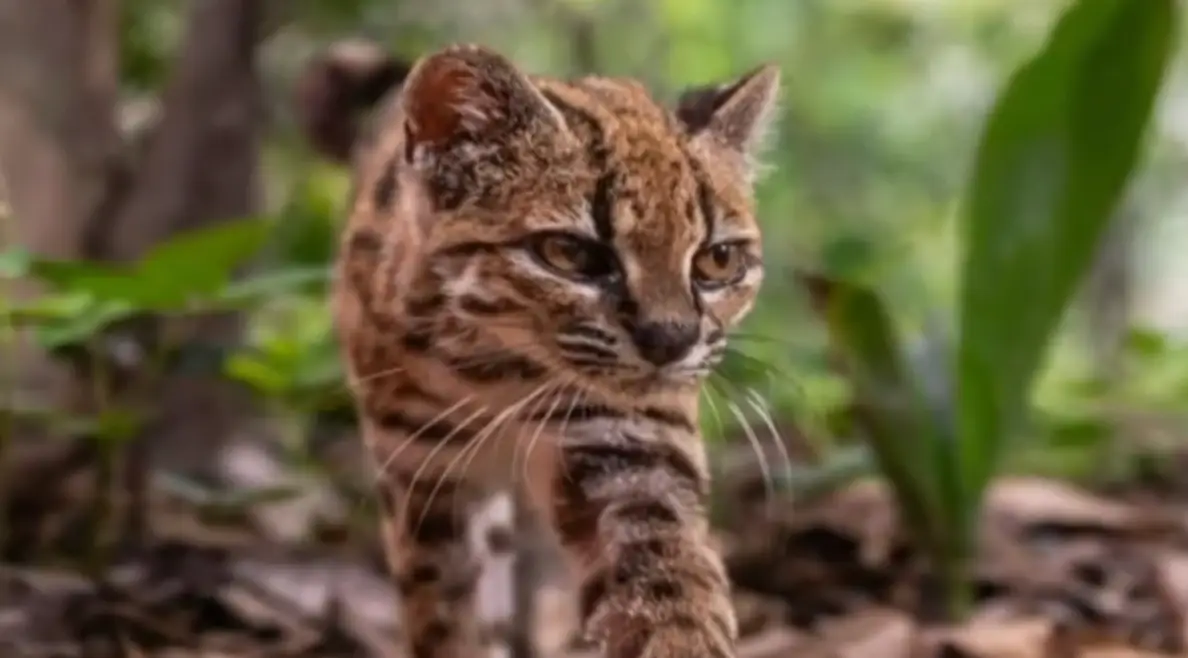
The researchers then began comparing the animal with other tiger cats, eventually analysing genetic material from cats across several South American countries, including specimens held in museums.
They found the mysterious Bolivian cat wasn't simply an unusual-looking member of an existing species, but was genetically distinct, having separated from other tiger cat lineages around 1.4 million years ago.
And, crucially, there weren't any museum specimens of the animal waiting to be identified.
"It’s rare to find a new, relatively large mammal," Nogales-Ascarrunz explained, noting that many newly discovered animal species tend to be much smaller. "This time, it’s a cat. That’s really novel. And it hasn’t happened in 100 years."
"No one else had named it. No one else had described it."
While Leopardus tilcayo may be brand new to science, it isn't exactly a new arrival to Bolivia, with local communities having known about the animal for generations.
"This cat, they call it tilcayo," Nogales-Ascarrunz revealed.
Rather than coming up with an entirely new name for the species, the scientists decided to keep the one local communities had been using.
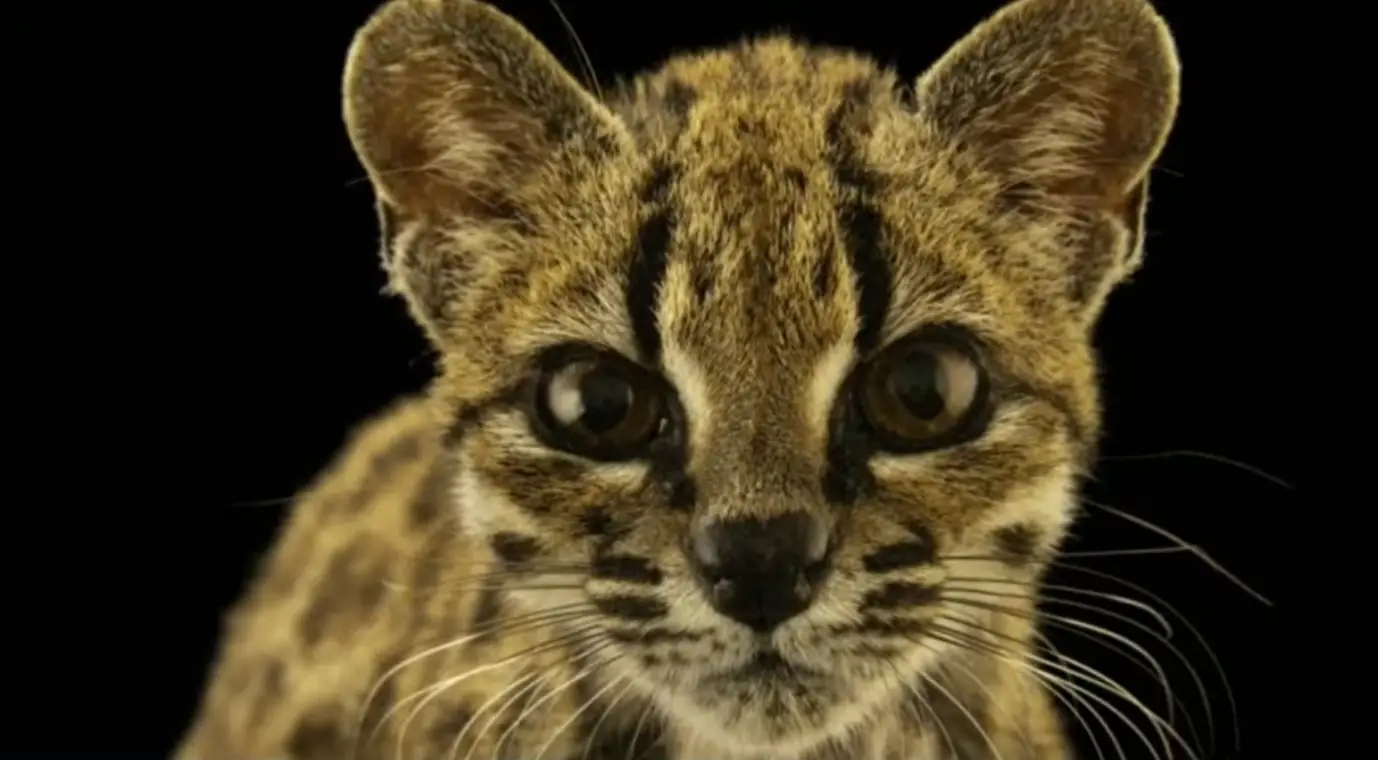
"This is traditional knowledge that they have in the community," Nogales-Ascarrunz continued. "We want to preserve that knowledge, and we didn’t want to give it another name."
Scientists still have no idea how many of them are actually out there, with researchers currently having only very limited information about the species.
One of the cats is a 10-year-old male now living at Senda Verde, while the team are working to install more camera traps in the Yungas forest to find signs of the species in the wild.
And finding out isn't just about satisfying everyone's curiosity over the world's newest cat.
“We need science; we need more studies to answer this question, which is actually critical for its conservation," Nogales-Ascarrunz went on, noting that the tilcayo's home is already under pressure.
The Yungas cloud forest is facing development and agricultural expansion, while tiger cats more broadly are dealing with increasingly threatened habitats.
"All of them are in habitats that are vanishing fast," fellow study author, Tadeu de Oliveira, said.
Which means discovering the species is only the beginning.
"It’s a new reason to protect the world," Nogales-Ascarrunz emphasised.
Topics: Cats, Animals, World News, News
 Rhianna Benson