3,500 year-old ‘City of Seven Ravines’ uncovered for first time ever

A 3,500-year-old Bronze Age settlement thought to be 'the size of Hyde Park' has been uncovered in Kazakhstan for the first time by archaeologists.
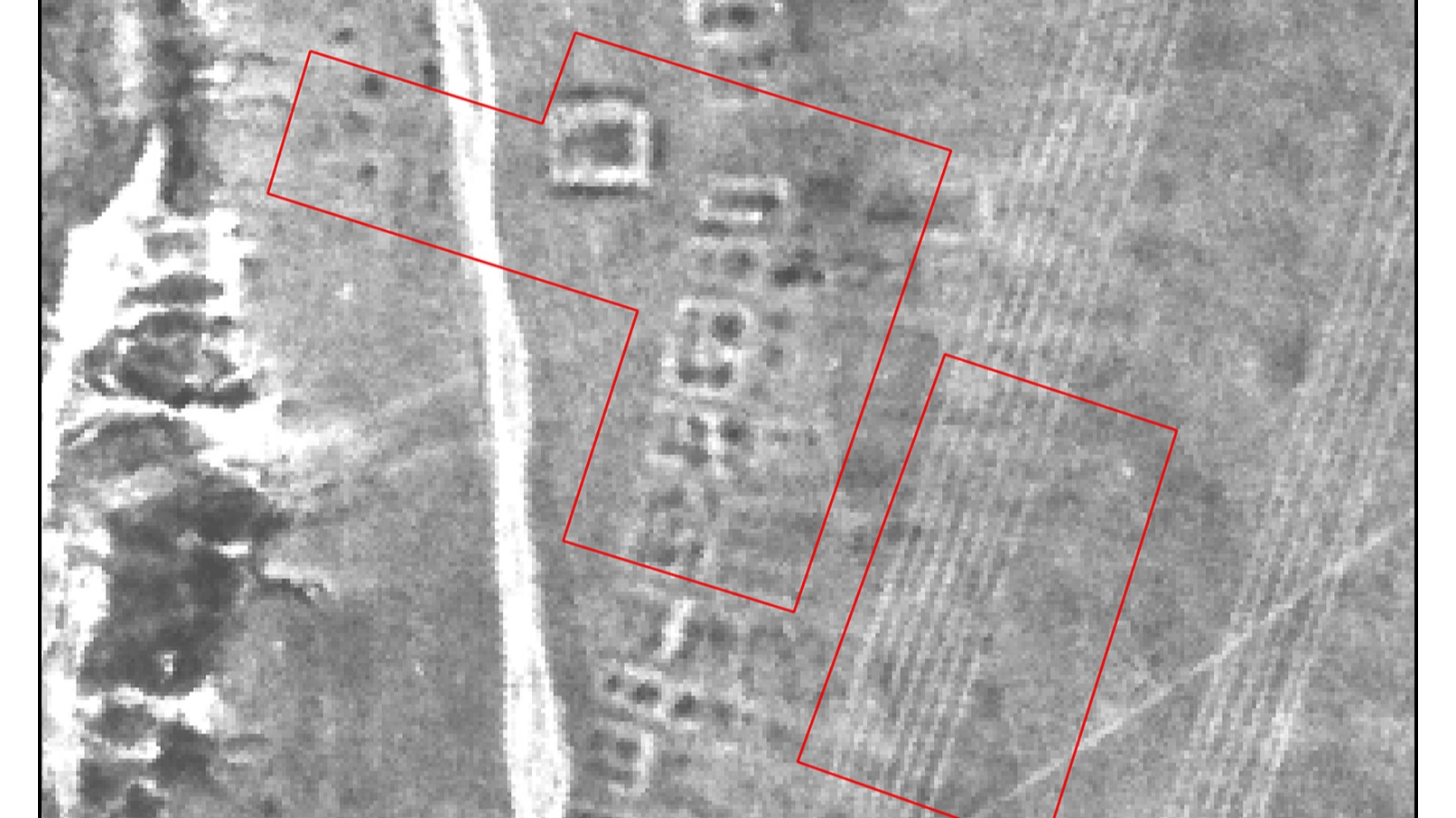
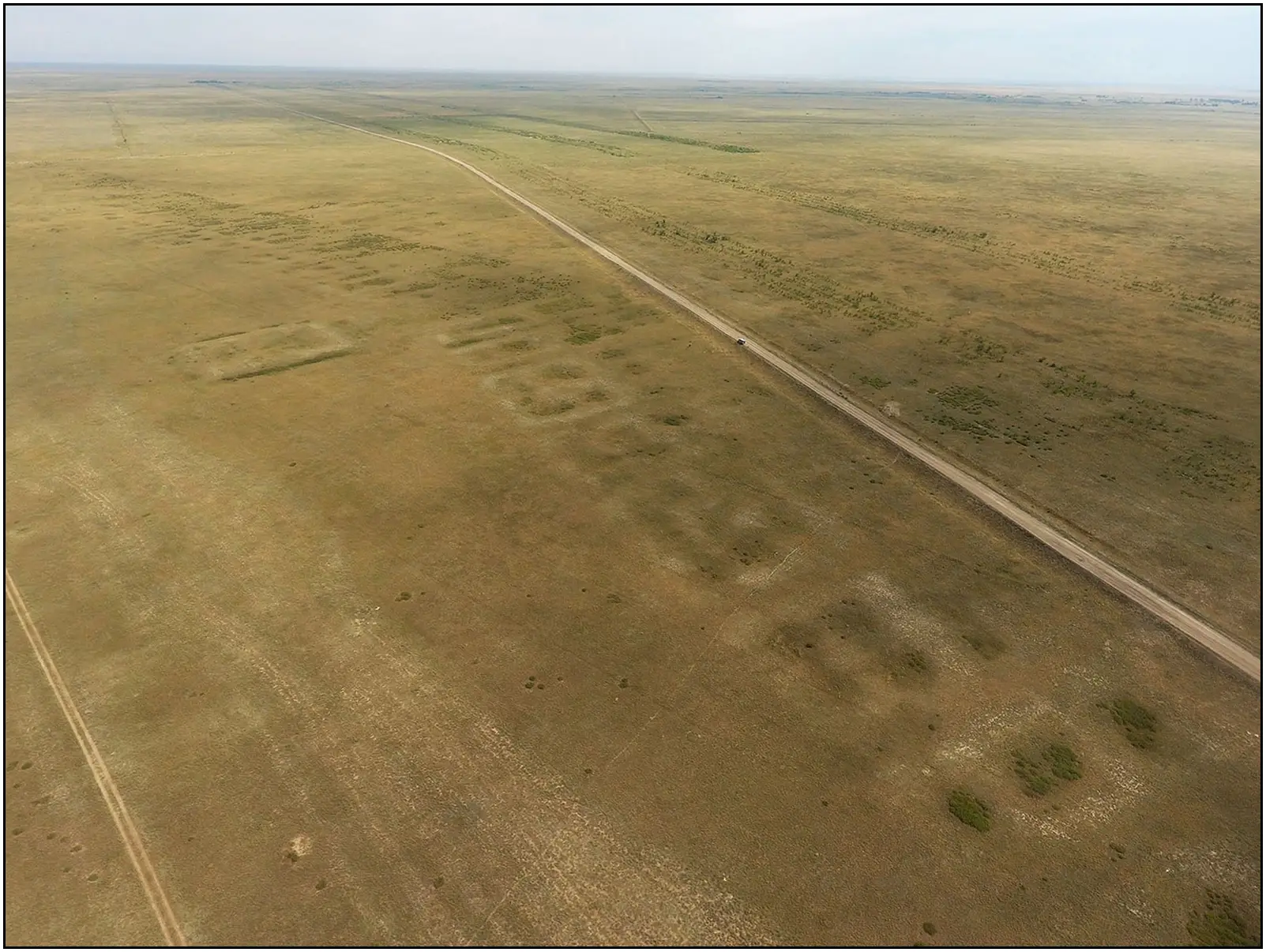
The exciting discovery, Semiyarka, which has been nicknamed the 'City of Seven Ravines' as it's located above a network of seven valleys, has been described as 'one of the most remarkable discoveries' in the region for decades.
Although researchers at Toraighyrov University first discovered the early form of a city in the early 2000s, archaeologists now think it was' once both a centre of exchange and a regional power'.
The new research was published in Antiquity Project Gallery and co-led by Durham University and Kazakhstan’s Toraighyrov University after experts used drones and excavations to get a clearer idea than ever of what the lost city would have been like in its heyday.
Advert
Lead author Dr Miljana Radivojević, from the UCL Archaeology team, said: “This is one of the most remarkable archaeological discoveries in this region for decades. Semiyarka changes the way we think about steppe societies.
"It shows that mobile communities could build and sustain permanent, organised settlements centred on a likely large-scale industry - a true 'urban hub’ of the steppe."
While co-author Professor Dan Lawrence of Durham University added: “The scale and structure of Semiyarka are unlike anything else we’ve seen in the steppe zone.
READ MORE:
REAL REASON WHY PERSIA CHANGED ITS NAME TO IRAN
"The rectilinear compounds and the potentially monumental building show that Bronze Age communities here were developing sophisticated, planned settlements similar to those of their contemporaries in more traditionally ‘urban’ parts of the ancient world."
Experts behind the groundbreaking new study told Metro that the 346-acre site dates back to 1600BC - a time when life was thought to be simple, with travelling nomads living in tents and yurts.
However, the new research completely challenges this idea, as Radivojević told the publication: "Semiyarka fundamentally reshapes the way we understand Bronze Age steppe communities.
"This level of architectural planning and landscape engineering points to a community with the capacity to coordinate labour, manage resources, and sustain long-term occupation."
Not only this, but archaeologists found what they think would have been rows of 20 homes made from mud brick inside large banks of soil, which were potentially used for defence, as well as a 'monumental' building which was dug up, that experts suggested may have been part of a government or where rituals were held.
Lawrence estimated that between 300 and 1,000 people lived in Semiyarka, which would have been a 'pretty extreme environment'.
He explained: "Although people were used to the conditions, we should remember that this is a pretty extreme environment, with very cold winters and likely several feet of snow.
"The community that lived at the site permanently had mud brick houses, protected from the snow and wind by earthen banks."
He believes a lot of the people living there would have worked on 'metal production, smelting the copper and tin to make bronze and perhaps panning for tin in the nearby Irtysh river'.
Topics: News, World News, Science
 Madison Burgess