
Doctor has theory on why so many Millennials are struggling to get pregnant

A fertility doctor has suggested there could be an unexpected explanation for why so many Millennials are struggling to have children.
Interestingly, her theory starts decades before they ever decided to become parents, long before fertility was even on their radar.
Dr Leah Gordon, who works in root-cause medicine and fertility, has sparked a conversation online after sharing her explainer, suggesting that a potential factor - something none of us had any control over - could play a role in our fertility as adults.
Before we get into it, let's be clear, however.
Advert
She isn't saying she's found the reason behind global infertility. Dr Gordon is simply suggesting there could be an overlooked connection between early development and the reproductive problems people are experiencing today.
But just how big is the fertility problem we're talking about?
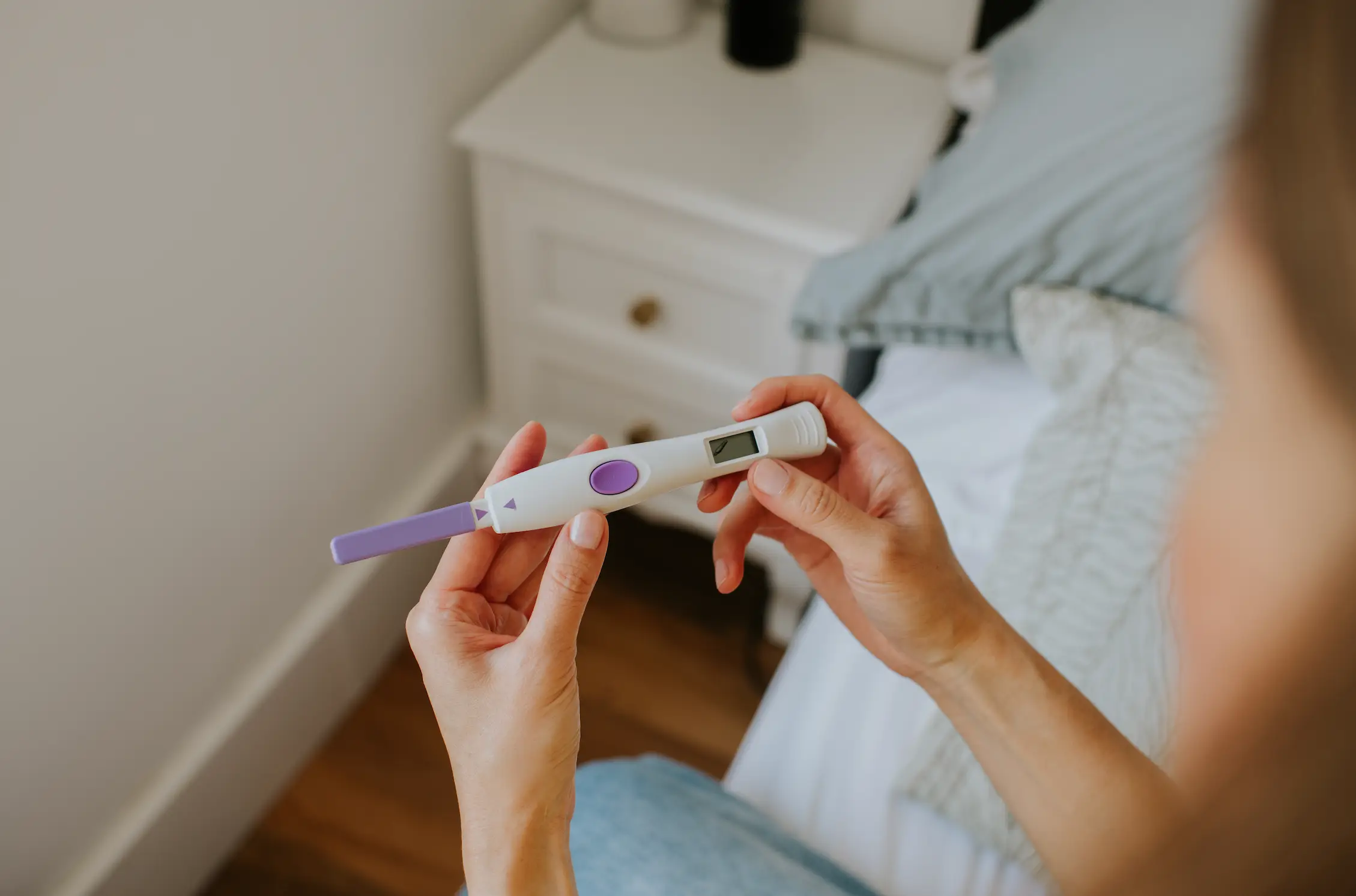
Apparently, very much so. According to the World Health Organisation, one in six people experience infertility at some point in their lives. That's around 17.5 per cent of adults worldwide.
In the UK specifically, NICE has estimated that infertility affects around one in seven heterosexual couples, with causes including ovulatory disorders, tubal damage, male factors and cases where no specific cause can be identified.
And while it might be tempting - or even comforting - to look for one obvious explanation, fertility is much more complicated than that.
There are already several well-established factors that can make conceiving more difficult. Age is one of the biggest. People are generally having children later, while female fertility naturally declines with age, particularly from the mid-30s onwards.
Conditions including PCOS and endometriosis can also affect fertility, while problems with ovulation, the fallopian tubes or sperm can also make conception more difficult.

Lifestyle and health factors are also known to contribute, including smoking, excessive alcohol consumption and obesity, while environmental exposures are an increasingly studied area of reproductive health research.
Dr Gordon is convinced, however, that we might need to look much further back than the moment someone starts trying for a baby to get to the bottom of their fertility struggles.
This is because her theory centres around the fact that people with ovaries develop their lifetime supply of oocytes (a fancy word for immature egg cells) while they themselves are still in the womb, rather than producing them throughout adulthood.
At around 20 weeks of pregnancy, a female foetus has approximately six to seven million oocytes before that number begins to fall.
For Dr Gordon, that means pregnancy isn't simply about one person developing.
"This means your mother's pregnancy was a three-generation event," she wrote in an Instagram carousel explainer. "Her body. Your body. And the eggs that might one day become your children."
It's this fact that led Gordon to question whether the environment a pregnant woman was exposed to could potentially affect the reproductive system developing inside her.
"Whatever toxins she was exposed to and whatever crossed her placenta during those months reached your ovaries while they were still being built," the medic wrote, suggesting generations born during the 1980s and early '90s may have experienced substantial exposure to environmental chemicals.
"Secondhand smoke [was] nearly everywhere [between 1981 and 1996]: homes, cars, restaurants, planes," she wrote.
Dr Gordon also points to leaded petrol, pesticides, flame retardants, PFAS, formaldehyde, chemicals in plastics and non-stick products, and other substances that were part of everyday life.

Some of those exposures were widespread, although exposure levels varied significantly between individuals and countries.
Scientific research does support the broader idea that some environmental chemicals can cross the placenta and interact with developing biological systems, but the idea that exposure automatically causes infertility decades later hasn't yet been verified.
The medic argues, however, that researchers should fund further research into this idea, suggesting it could also help to explain some reproductive problems affecting men.
"His reproductive system was programmed in a narrow window in early pregnancy, roughly weeks 8 to 14," Dr Gordon continues, specifically mentioning phthalates, chemicals used in some plastics, vinyl and personal-care products, which have been extensively studied.
A 2018 systematic review of human epidemiological studies found evidence of associations between some phthalates and measures including testosterone, semen parameters and anogenital distance.

But scientists have also stressed that the evidence isn't definitive, particularly when it comes to proving that prenatal exposure causes infertility later on.
Acknowledging this, Dr Gordon adds: "In humans, we can't run that specific experiment. But when researchers measure phthalates in pregnant women's urine, the boys with the highest prenatal exposure showed physical markers of lower foetal testosterone."
There's another reason she's looking at the male side of fertility, however, referencing research showing changes in male reproductive health over time.
A major 2017 systematic review and meta-analysis found a substantial decline in sperm concentration between 1973 and 2011, particularly among men in North America, Europe, Australia and New Zealand.
Researchers have since continued investigating what might be behind those changes, with environmental exposure being one possible factor, alongside lifestyle, health and other influences.
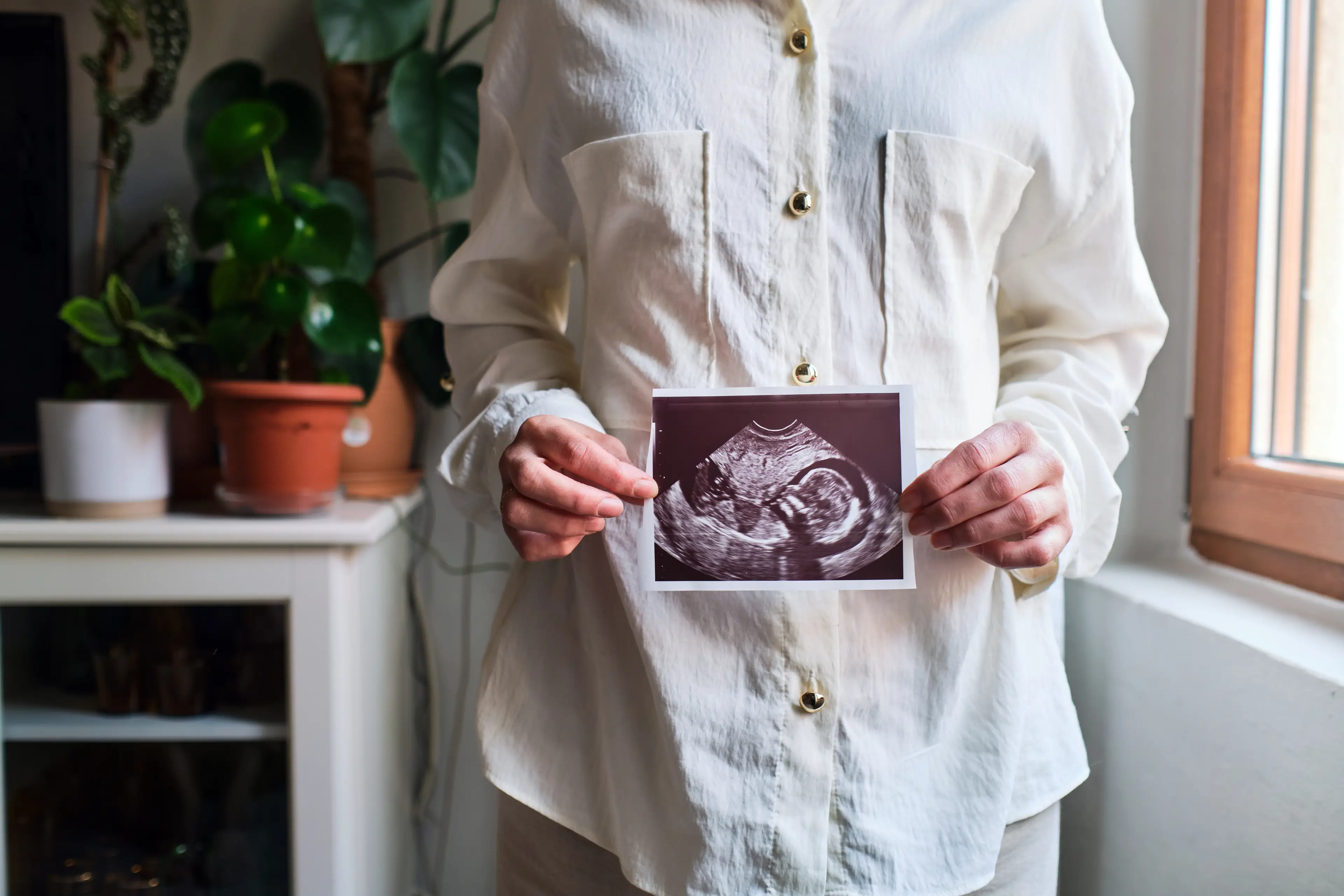
Gordon also discusses research suggesting testosterone levels have declined in some populations.
"Meanwhile, average testosterone in men has been dropping for decades, beyond what our age and weight explain," she wrote. "This directly impacts sperm production. Coincident? I don't think so..."
Again, that final leap is Dr Gordon's interpretation rather than an established scientific conclusion - something she holds her hands up to.
"This does not mean every single millennial or person who was born to a mother who permed her hair or had acrylic nails or used Febreze is going to have infertility," she pens. "But we do know that uterine exposure can impact future fertility."
Lastly, in the caption to the post, Dr Gordon confessed that her theory is personal.
"My mom permed her hair while pregnant with me," she wrote. "She always had her nails done. Bless her heart. She didn't know.
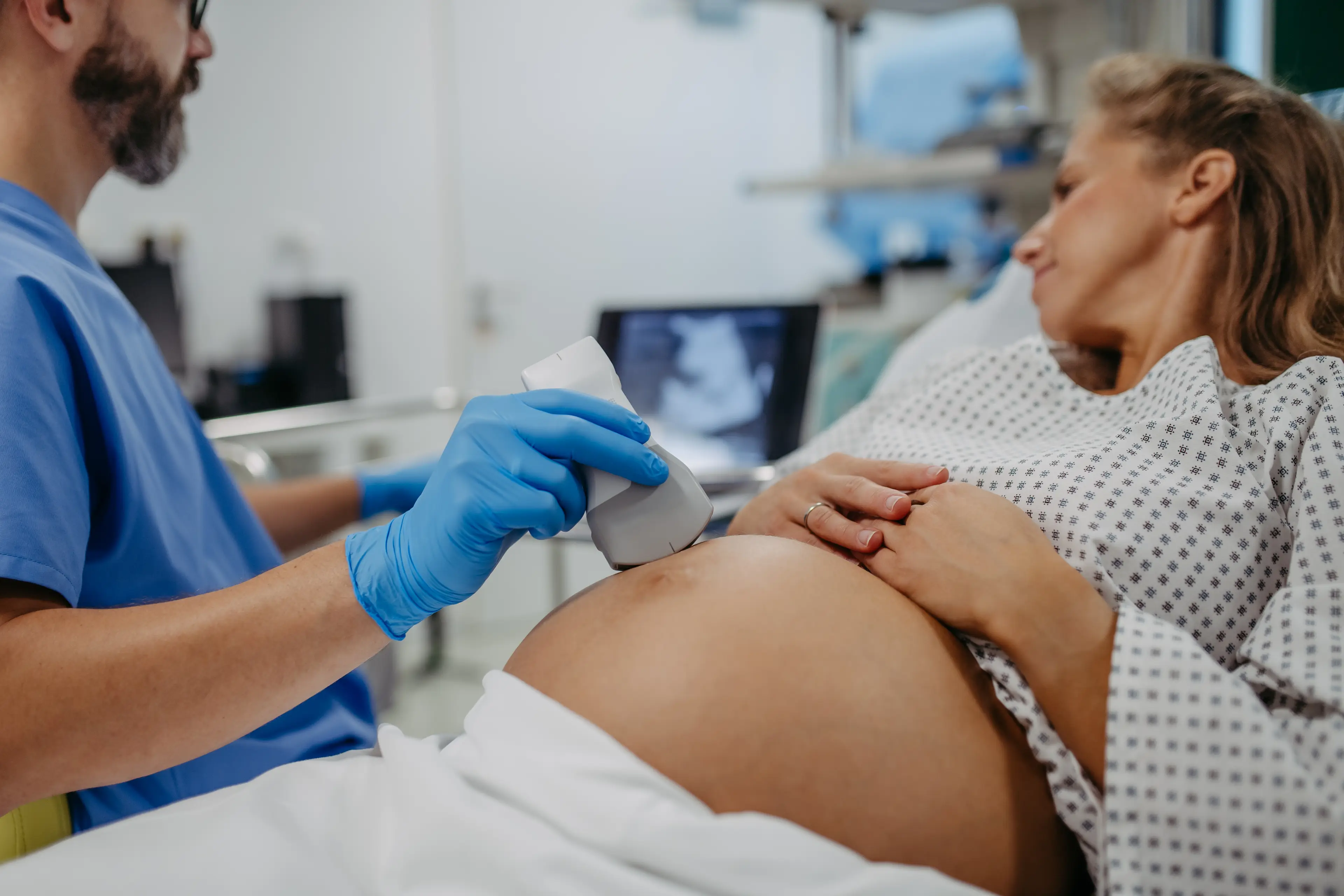
"We used Febreze and Pine Sol to 'clean'. We had horses and property, so Glyphosate was sprayed all the time. We burned our trash. We were exposed to SOO many toxins."
The doctor added that she believes her parents would have changed their habits if they had known more at the time.
She also says she has what she describes as PCOS patterns, as does her sister, and says her years working in fertility have made her increasingly concerned about environmental exposure.
"After working in root-cause medicine and fertility for almost a decade, I just can't ignore the glaringly obvious contributor to fertility issues: toxins," she continues, mentioning 80s and 90s babies now.
"They are the ones who are currently trying to become parents," she wrote, lastly suggesting that the prenatal environment could be an overlooked piece of a much bigger puzzle.
"We have to talk about it," she wrote. "Because sadly, many of these things are still happening today."
Topics: Pregnancy, Parenting, Women's Health, Health, Real Life
 Rhianna Benson