Expert warns US flight chaos could happen in UK as families face travel disruption

After hours of airport disruptions took place all over the US when thousands were flights were delayed or cancelled, an aviation expert has warned Britons to be wary of the same thing occurring in the UK.
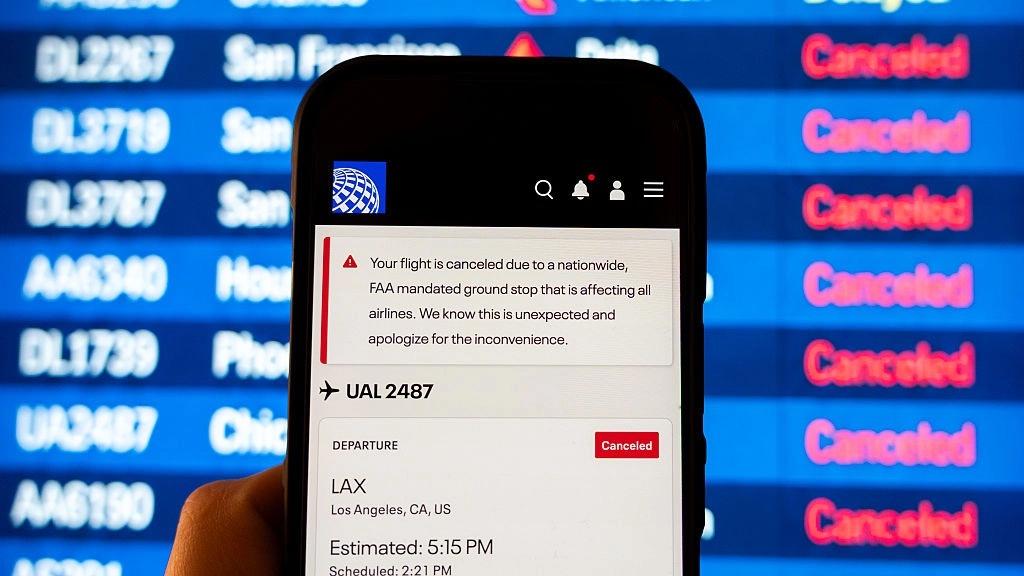
The travel issues began when the Federal Aviation Administration issued an order at around 4pm yesterday (13 November) to halt all flights ;due to extraordinary circumstances and for reasons of safety.’
However, come nearly five hours later, Transportation Secretary Sean Duffy announced the order was lifted.
But that didn’t stop the problems for many.
Advert
However, while the exact cause hasn’t been released other than Duffy believing an outdated air traffic control system became ‘overloaded with data’, Homeland Security Secretary Markwayne Mullin the cause remains under investigation.
“We have old switches, old routers. It's an old system that went down and went down everywhere. It got overloaded. I don't want to rule out that we didn't have nefarious activity here,” Duffy said.
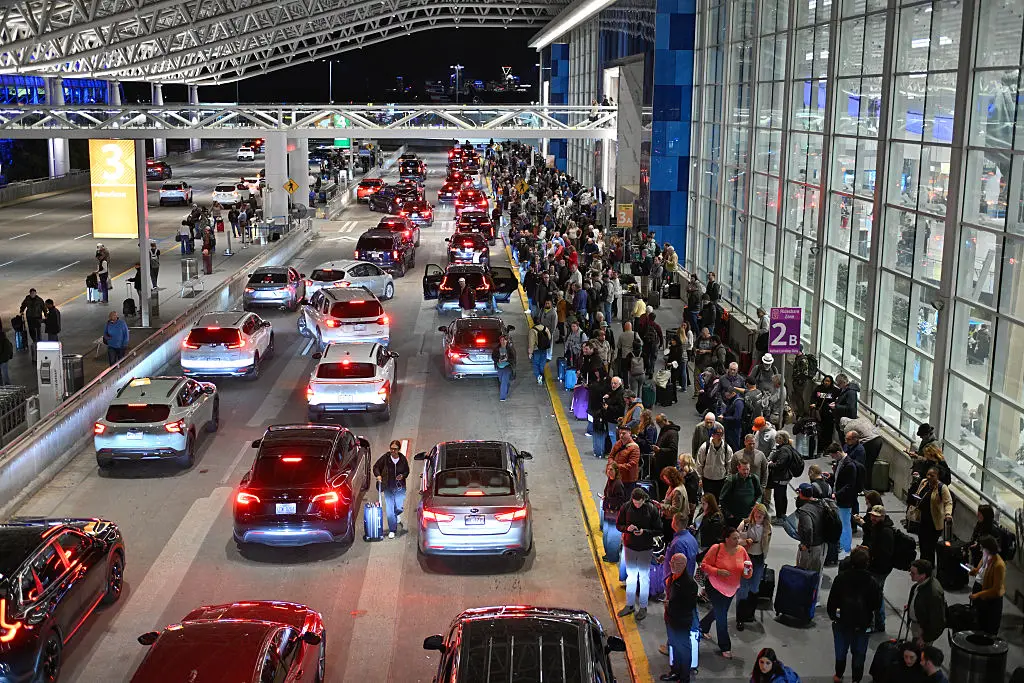
Since the order was granted, the fallout has been widespread, with passengers stranded at airports all over the country.
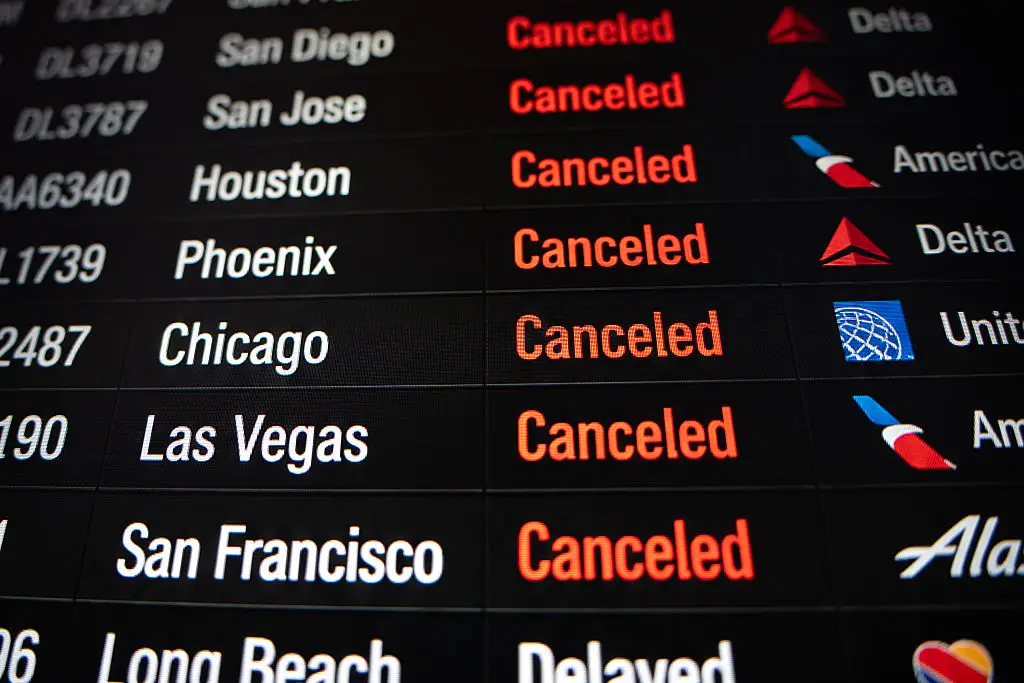
According to FlightAware, more than 9,000 flights were delayed, but some of those could have been due to other reasons, such as weather conditions.
“There was never any lives at risk,” Mullin said of the order. “There was no flights at risk. FAA was able to handle it. We did it out of an abundance of caution.”
He added that there was ‘nothing completely certain’ about the cause of the issue.
While many people in the UK have been watching the events unfold across the pond, they might also end up in a similar situation if events like what was seen in the US, unfold closer to home.
According to Justin Crabbe, a commercial pilot with over 17 years of experience, and the CEO of private jet hire firm Jettly, nothing can be ruled out.
He explained that his business saw problems when planes were grounded, and how a problem like this can manifest elsewhere with the right conditions.
“As for the UK, absolutely, something similar could happen there,” he cautioned. “The UK has its own air traffic control infrastructure, and we’ve already seen how technical failures can disrupt flights across the country.”
He added: “Aviation systems are incredibly interconnected, so a problem affecting one major part of the network can quickly spread to other airports and even international flights. The real concern isn’t just how long a ground stop lasts, but how long it takes the entire network to recover afterward.”
Crabbe said of what it means to businesses like his who deal with private aviation requests: “At Jettly, the biggest impact was the additional pressure it put on our flight support team. When aircraft are grounded or delayed, passengers understandably want answers, and our agents are suddenly dealing with itinerary changes, operator updates and alternative flight arrangements all at once.”
He added of the airports and pilots caught up in it all: “In aviation, the disruption doesn’t necessarily end when the ground stop is lifted either. Aircraft and crews can be out of position, and pilots may run into duty time limitations, so it can take hours to get everything back on schedule.”
 Britt Jones