Former pilot who's flown through 'severe turbulence' reveals the 'worst-case scenario'

If there's one thing that can turn an otherwise relaxing flight into a nightmare, it's turbulence.
Whether it's a little bump here and there or the kind of sudden drop that makes your stomach feel like it's been left somewhere above the clouds, it can be enough to leave even the most seasoned traveller gripping their armrests.
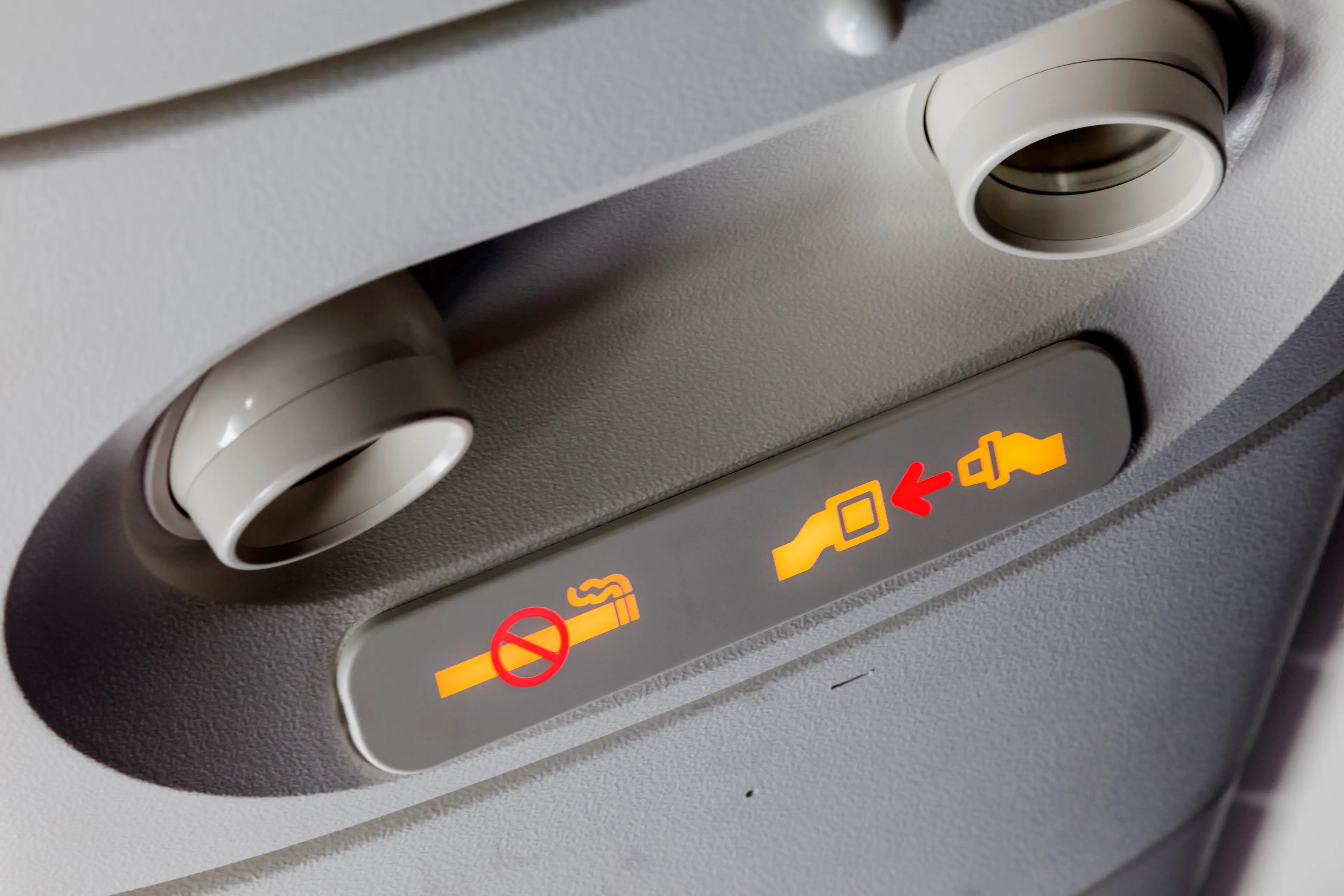
And for nervous flyers, the seatbelt sign lighting up is often enough to send the panic levels through the roof.
But just how dangerous is turbulence, and what is the worst that can actually happen when an aircraft flies through it?
Advert
An ex airline captain with over 30 years of flying under her belt has finally attempted to answer these vital questions, providing some reassuring answers.
Speaking to a nervous flyer called Serger for LADbible's Explainer for a Stranger series, Emma Henderson MBE opened up about everything from what causes turbulence to how pilots deal with particularly rough conditions.
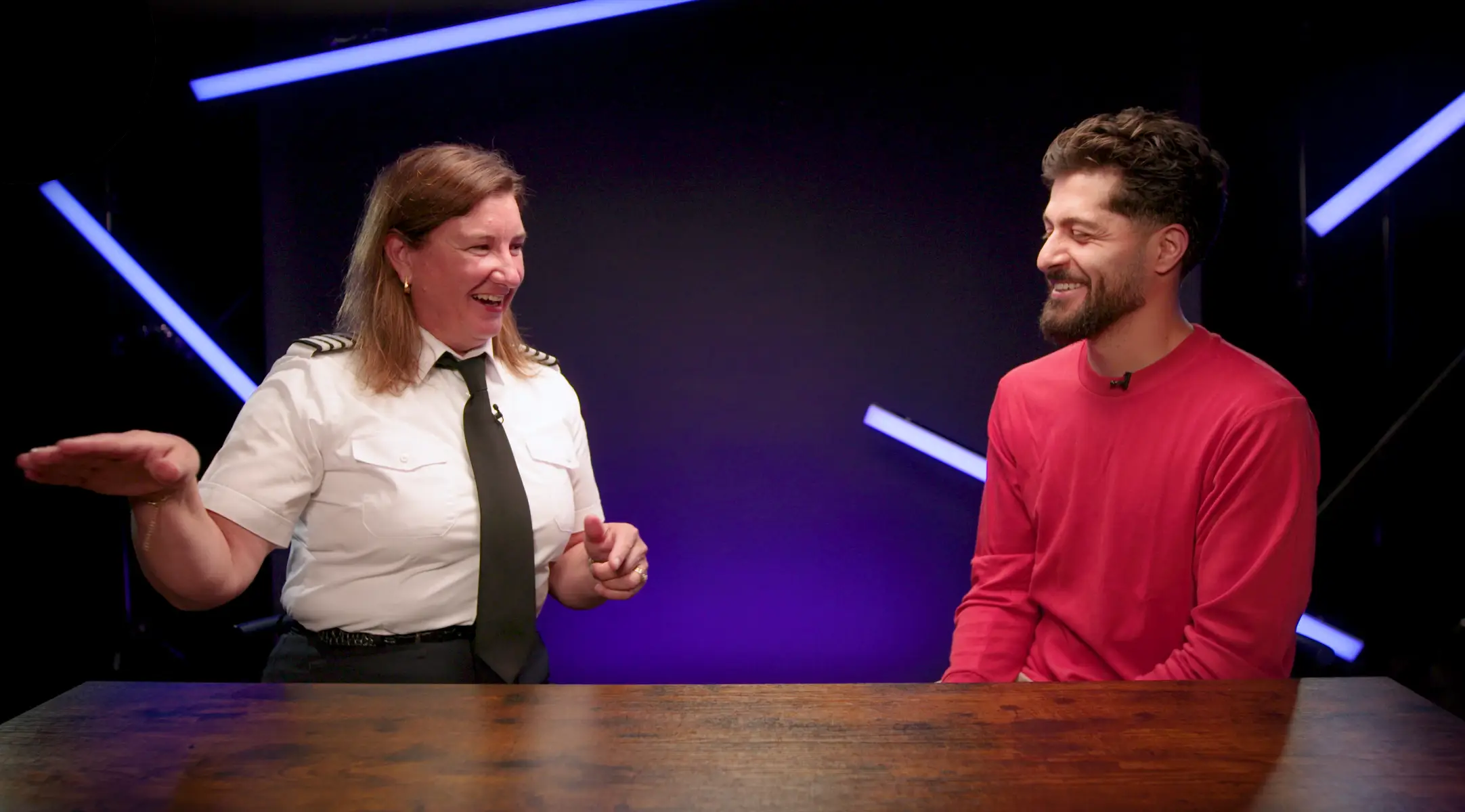
And having personally experienced severe turbulence during her career, she's certainly well placed to explain what happens when things get bumpy.
First things first, Henderson was keen to reassure passengers that turbulence isn't going to cause their aircraft to break apart.
"Planes are really robust," she began. "So I know when I fly through turbulence that I know how strong my plane is, I know what it can withstand and I trust my aircraft."
She went on to explain that turbulence is essentially a change in the lift over an aircraft's wings, which can happen for several different reasons, including flying through the wake of another aircraft, thunderstorms, wind blowing over mountains and something called 'clear air turbulence'.
The latter is particularly unsettling for passengers because, as its name suggests, it can happen without any obvious warning signs in the sky.
Henderson explained, however: "And most of the turbulence you experience on a longer flight would be what we call clear air turbulence. So that is caused by frontal activity. So a cold front slamming into a warm front, or vice versa.
"So you can't see that. That's why we call it clear air turbulence."
But can pilots actually do anything to avoid it? According to Henderson, the answer is both yes and no.
Pilots receive weather briefings before setting off, which help them identify areas where turbulence could occur. They can then adjust their route, change altitude or slow the aircraft down to help it safely navigate the conditions.
However, sometimes there's no avoiding it, with Henderson revealing that pilots even have a specific procedure they can use in the worst-case scenario.
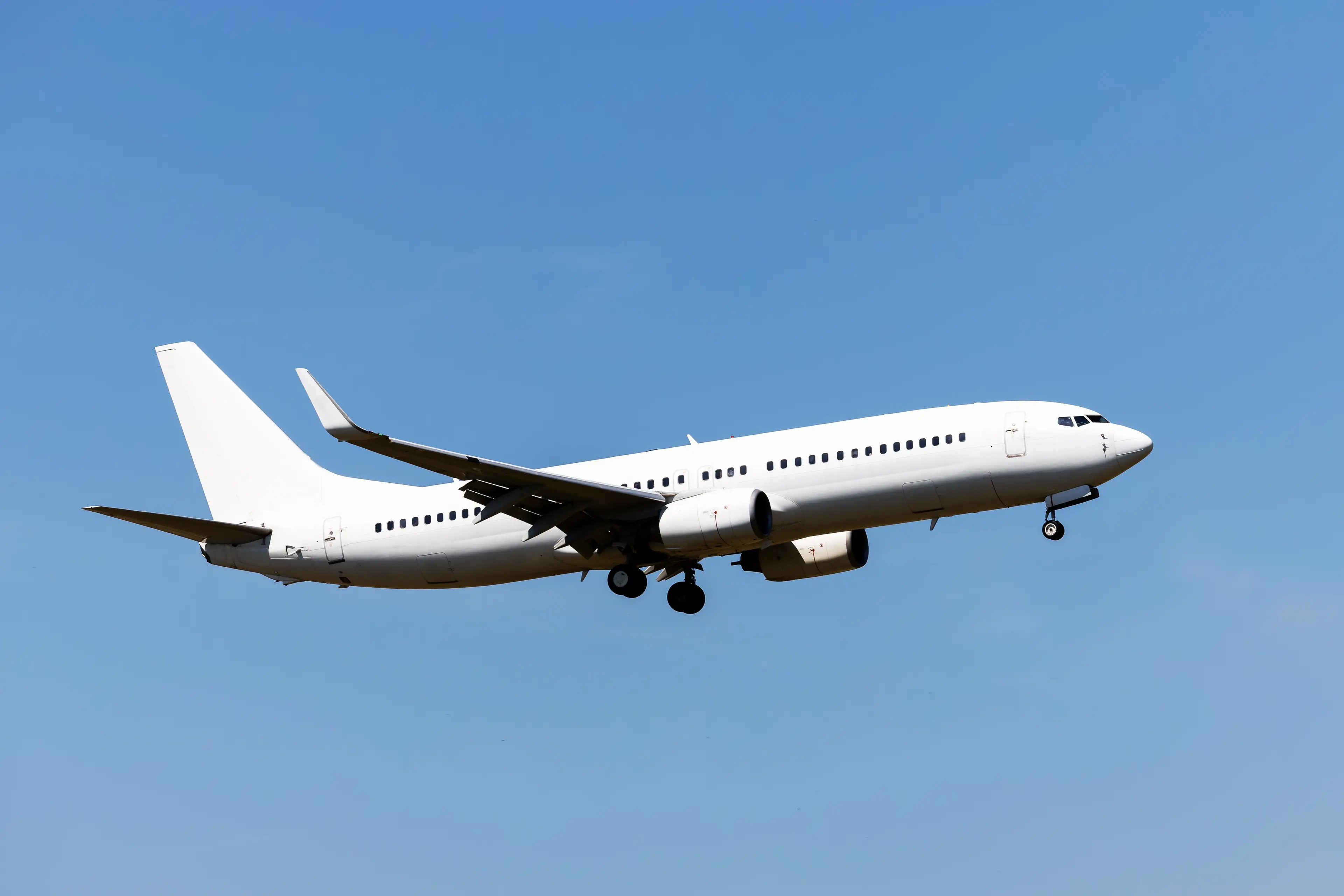
She continued: "So at the start of the day, we'll have a weather brief and that will show us on our route where there might be areas of turbulence. So we slow the aircraft down to a speed that means it's safe to fly through turbulence.
"We might change altitude to try and find smoother air. We might just have to ride it out."
Henderson went on: "And in the really worst-case scenario, there's a thrust setting that we can use. We can disconnect the auto thrust, go to manual thrust, set it at a certain place, and that is the speed and the thrust setting we need to ride out the turbulence. And I've never had to do that."
So while turbulence might feel terrifying from the passenger cabin, there's a lot going on behind the scenes to keep the aircraft under control.
In fact, Henderson explained that pilots can often receive warnings from other aircraft that have already encountered rough conditions along that route.
That's when passengers might notice the seatbelt sign suddenly switching on.
But there's a reason for this, and it has more to do with keeping people safe inside the aircraft than protecting the plane itself.
"What happens in the cockpit is we can hear other aircraft talking," Henderson added. "So we might be told by air traffic control, another aircraft 15 miles ahead of you at the same altitude is experiencing moderate turbulence.
"So that's a cue for us to put the seatbelt signs on, sit you all down, strap you all in and make you safe because basically people are squishy and aeroplanes aren't.
"So we don't want you being thrown around the aircraft. The safest thing for you anytime you fly, at any stage of the flight, is just keep your seatbelt on because that way you can't be thrown around.
"So it's very unlikely that you're going to be, but if you were to be, if your seatbelt's on, you're safe. So that's the biggest thing you can do."
And if you're wondering whether even someone with decades of experience in the cockpit ever gets nervous when turbulence hits, Henderson's answer was pretty definitive.
When Serger asked her whether turbulence had ever worried her, she admitted that she'd experienced conditions severe enough to make her immediately order cabin crew to take their seats.
She confessed: "No, honestly. And I've flown through turbulence that's been severe enough for me to tell the cabin crew to sit down immediately, which means don't go back to your stations, sit in the nearest available seat. And if that's on someone's lap, then that's on someone's lap."
Understandably, Serger was a little taken aback by that revelation.
But Henderson was quick to make one important distinction - while turbulence can be uncomfortable and potentially dangerous for people who aren't safely strapped in, she's never been concerned about the aircraft itself.
And her experience speaks for itself, with the former captain revealing she'd accumulated an impressive 8,500 hours of flying experience, most of which was spent operating an Airbus A320 - an aircraft commonly used by European short-haul airlines.
"That's a lot of hours," she recalled. "I don't know how many flights I've operated. We tend to measure what we've done in flight hours. So I've got eight and a half thousand hours of flying experience."
Henderson also revealed that she had never experienced an accident caused by turbulence, nor did she know any of her pilot friends who had.
That doesn't mean turbulence-related injuries have never happened, though, of course.
Henderson referenced the Singapore Airlines incident in which a flight encountered severe turbulence, resulting in injuries and one passenger's death.
She was keen to point out, however, that the fatality was caused by a heart attack.
"You're more likely to have to divert a plane because of somebody having a medical issue than because of turbulence," Henderson claimed.
So, if there's one thing nervous flyers should take away from her advice, it's to keep that seatbelt fastened - even when the skies look perfectly clear.
Topics: Real Life, Flight attendant, Travel, Plane Etiquette, Life
 Rhianna Benson


