
UK's under-16s social media ban raises questions on the way kids might get around it

A horde of digital health, parenting and technology experts have rallied together to issue a serious social media warning for British parents.
Their plea comes just a day after the Prime Minister, Sir Keir Starmer, announced a ban on social media for anyone under the age of 16.
Describing the decision as a 'big moment for our country' in a Monday morning (15 Jun) Downing Street press conference, the Labour leader claimed the policy would come into force early next year.
It'll ban children from using popular platforms including Snapchat, TikTok, YouTube, Instagram, Facebook, and X by raising the age limit for access from 13 to 16. An exhaustive list of apps is yet to be revealed, however.
Advert
Starmer added that 'world-leading' action on gaming and live streaming platforms will be taken to block strangers from being able to contact children as part of a model originally implemented by Australian lawmakers last December.

"Yes, it’s hard - hard to legislate for, hard to regulate, hard to enforce," he said. "That’s why we sought a wide range of views on this. That’s why we listened to people, had a conversation, we looked carefully at the evidence, learned from countries like Australia that are taking similar steps."
'I am not prepared to compromise on safety'
Ever since the controversial British ban hit international headlines, however, questions have been raised over how ministers, social media executives and parents will practically prevent young people from accessing harmful online content.
According to Sheena Peckham, a Content Lead at children's online safety site Internet Matters, kids will always find a way around legal restrictions.
As such, it's vital for parents to continue the conversation when it comes to the potential harms that come with being a child in the online arena.
"We know that children are increasingly tech-savvy, especially if it means getting around parental controls or other restrictions," she told Tyla. "The risk of doing this is that if something goes wrong, they may be less likely to tell their parents because they don't want to get into trouble.

"So, the first thing to do is talk to your child about their digital life on a regular basis. Simply asking about what they enjoy, their favourite content creators and their experiences can help open up conversations about tougher online safety issues."
'Keep conversations open and honest'
Peckham continued: "Additionally, talking with your child about the social media ban and other new restrictions, what it means for them, why they won't be able to access certain platforms, and the potential harms they might encounter if they manage to get around the rules can help develop their understanding.
"That doesn't mean they won't still try to get around rules creatively, but the build-up of trust, and knowing that you know there are ways to get around the rules, can certainly help. Just make sure your child knows that no matter what, you want to keep them safe — so if something goes wrong, you still want them to tell you (even if they've broken the rules)."
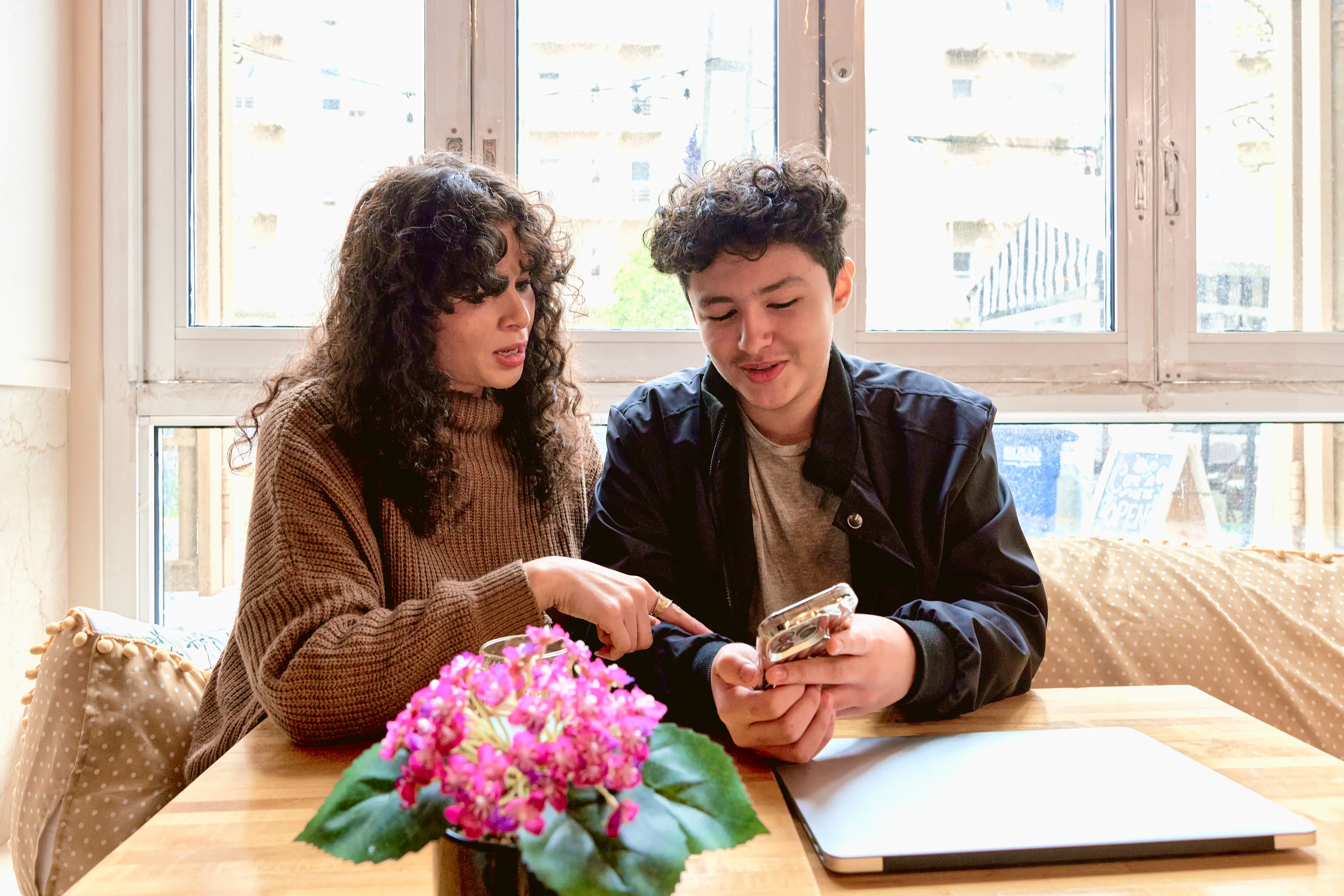
In terms of the practical steps mums and dads can take to abide by the incoming legislation, she advised setting 'device-level parental controls' on their children's tablets and phones, and keeping abreast of the potentially harmful perks of VPNs.
"In addition to these conversations, you also want to set device-level parental controls to restrict what they can access on their phones and tablets," Peckham, a former educator, went on.
'Stay aware of workarounds'
"That means using Apple Family Sharing for Apple devices and Google Family Link for Android devices, which allow you to block access to certain apps and websites, including preventing downloads of new apps without permission from the App Store or Google Play.
"Stay aware of workarounds like VPNs, especially if you use one as a family. While usage among young people is currently low, if your child does want to get around restrictions, they might try out VPNs."

The tech expert added: "Unfortunately, a lot of VPNs which are free and easily accessible aren't always effective and may collect more data than more trusted or paid-for services.
"Adding VPNs as a topic to your conversations, and regularly reviewing your child's devices to see what they've added either directly to the device or to browsers, can help you stay aware of whether your child is seeking alternatives.
"Above all, it's about building trust with your child and creating an open space for them to come to you if something goes wrong."
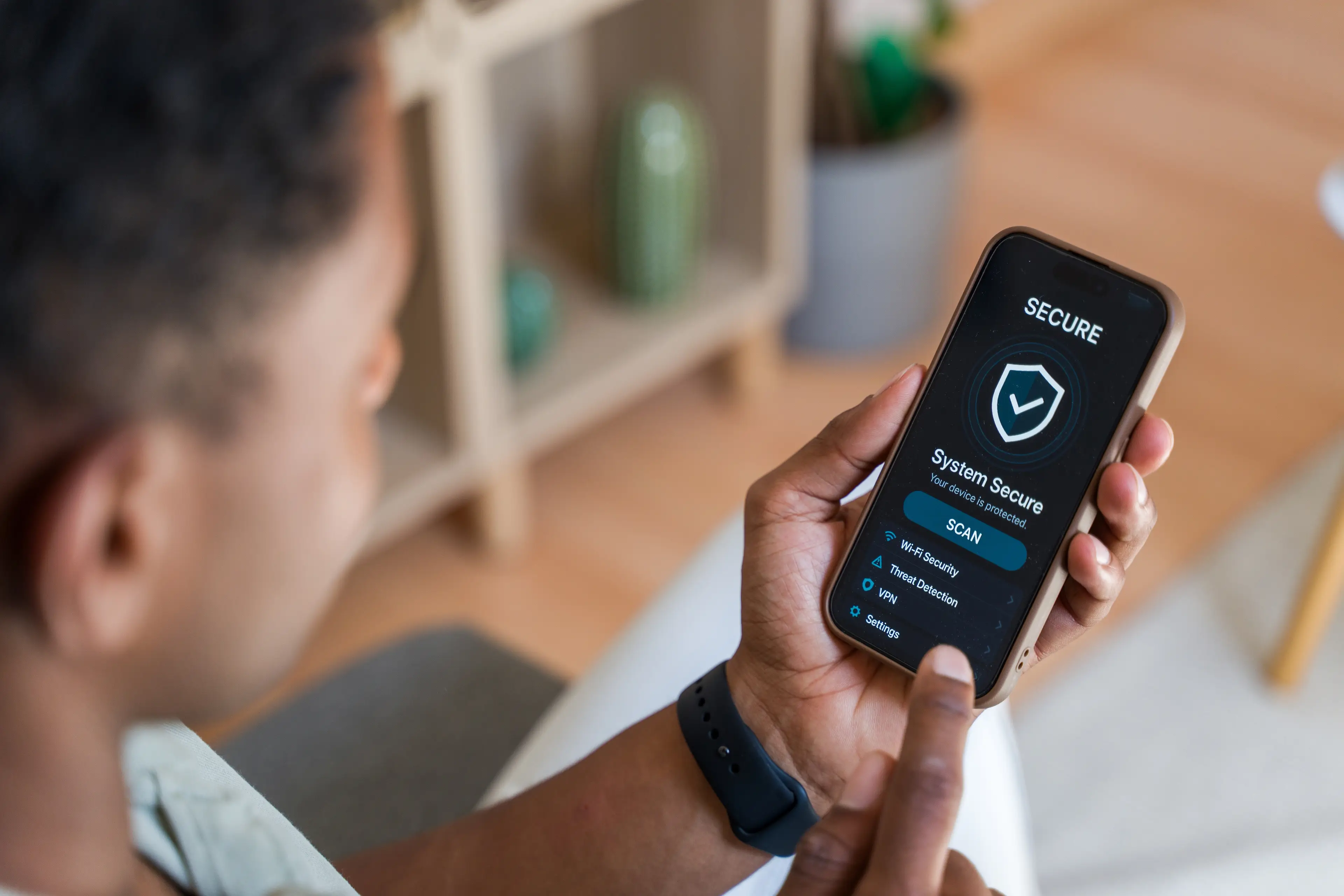
The UK Government's official website outlines the first set of regulations that'll come into effect, with tech firms being told they'll be responsible for determining how old their users are in order to prevent under-16s from accessing social media.
The Telegraph previously reported that these new restrictions will be enforced using 'highly effective age assurance' systems, which include facial age estimation using digital cameras, as well as credit card age checks, email-based age analysis, and verification of a user’s digital ID.
'Bans fail to tackle fundamental problems'
In the view of Kate Edwards, however, who works as the Head of Education & Support for suicide prevention and online safety charity Molly Rose Foundation, these measures might not be wholly effective.
"We know from early evidence coming out of Australia’s social media ban that young people aren’t having to 'get around' anything because they’re not being removed in the first place," she explained, citing research indicating that over 60 per cent of Australian children still have access to banned sites.
"Age checks have so far proved to be ineffective and easy to bypass, and workarounds are common and likely to continue. Social media bans fail to tackle fundamental problems with product safety and leave parents with a false sense of their child’s security."
Edwards emphasised, however, that this doesn't mean hope is lost for parents whose little ones are glued to their phone screens.

"We have to work with what we’ve got; the reality is that, despite a UK social media ban, young people will continue to be online after the ban comes into effect, and it’s really important for parents to acknowledge this," she urged.
"A majority of children will continue to use high-risk sites, and these sites will have no incentive to implement robust protections. Only a limited number of apps will likely be covered by the ban; hundreds more exist, and they will be accessible.
"Parents will still need to navigate the same safety concerns, and children may continue to encounter harm and abuse."
'The most effective protection is a strong, supportive relationship at home'
Like Peckham, the charity spokesperson is stressing the message that communication is key.
"How parents navigate this change is important. If children hear 'you should not be on social media', they may feel unable to speak up and ask for help if something goes wrong while they are online," Edwards added.

"We want children to feel safe coming to us, not worried about getting in trouble.
"The most effective protection is a strong, supportive relationship at home. Keep conversations open and judgement free, and talk regularly about what they see on social media and who they interact with."
She concluded: "Help them to spot and recognise harmful content and behaviour, and make sure they know they can come to you anytime."
In firm agreement is Child and Educational Psychologist, Dr Emily Crosby, who has also issued advice on how parents should react if their child takes the new restrictions badly.
"I have actually developed a 3 N's approach to this - Name, Normalise and Negotiate," she told us. "It's important that parents address the elephant in the room and name the issue and/or the difficult feelings this ban or anything else may bring up.
"Parents can feel tempted to ignore it, hoping that it goes away, but this makes matters worse. Then normalise the teen's feelings."
'Parents must address the elephant in the room'
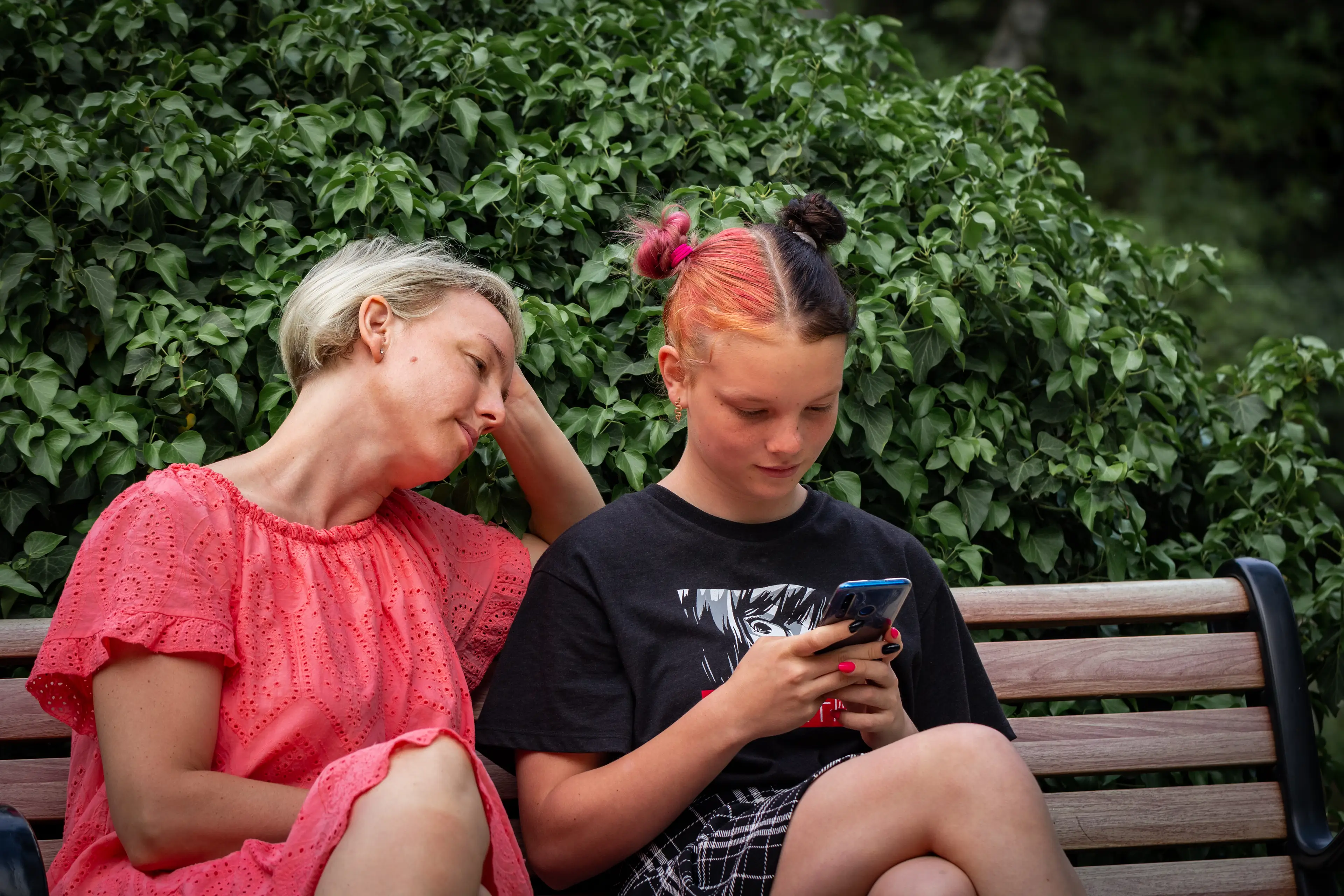
Dr Crosby continued: "Teens think their parents don't understand and forget that they were teens themselves. It's important to help them realise that they are not the only ones who feel like this and want to get around things.
"It's a good idea to normalise their behaviours around this so they don't feel bad or different for taking these actions."
She added: "Then negotiate a plan going forward. A contract where the parent and teen meet in the middle is always a good idea.
"For example, supporting the teen to have autonomy and choice over the decision, but also within firm, clear boundaries that the parent is happy with.
'It's all about meeting in the middle'
"It's all about meeting in the middle where both parents and teens feel understood and respected, like in any relationship, although this can feel harder for parents when they feel they have less control and the teen wants more control."
The mental wellbeing professional lastly reminded parents: "Meet the teen at their level with non-judgemental and non-reactive verbal and non-verbal body language."
Topics: Social Media, Politics, UK News, Parenting, Technology
 Rhianna Benson