Giveaway sign that someone is a psychopath, revealed by expert

When most people think of a 'psychopath', they probably picture a blood-soaked sadomasochist, wielding a chainsaw, or a serial murderer, carefully calculating his next cold-blooded kill.
But according to some experts, psychopathy doesn't always look that dramatic.
In fact, in many real-life true crime cases, individuals with traits commonly considered 'psychopathic' appeared incredibly charming, confident and successful, which made it trickier for police to put a stop to their heinous crimes.
Advert
Of course, not all psychopaths become serial killers or movie villains. In reality, many live seemingly ordinary lives - which is exactly why experts say it's important to understand what psychopathy actually looks like, rather than relying on Hollywood stereotypes.
With this in mind, a team of psychologists rallied together to reveal the strongest 'giveaway sign' to look out for when it comes to identifying psychopaths, and it's probably not what you'd expect.
Emma Kenny, a psychologist and true crime TV and podcast presenter, says the clearest indicator of psychopathic behaviour isn't a lack of emotion altogether - a common misconception - it's a lack of empathy and emotional accountability.
"The first thing to say is that 'psychopath' is a term people often use far too casually," Kenny told Tyla. "Psychopathy is not about someone being a bit selfish, cold, or difficult.
"It refers to a pattern of traits that can include superficial charm, manipulation, lack of remorse, shallow emotional responses, impulsivity, and a striking absence of genuine empathy. You cannot diagnose someone from one behaviour, and it is important not to label people lightly."

Apologies without change
She says one of the most telling patterns is how someone reacts after hurting another person.
"One of the biggest giveaway signs is not simply a lack of emotion, but a lack of emotional accountability," Kenny - who is currently in the midst of her Murderous Minds tour - continued. "A person with strong psychopathic traits may hurt, exploit, betray, or humiliate others, yet show little genuine guilt.
"They may apologise when it benefits them, but the apology often feels strategic rather than sincere."
She added: "There is usually no meaningful change afterwards, because they are not truly sitting with the emotional impact of what they have done."
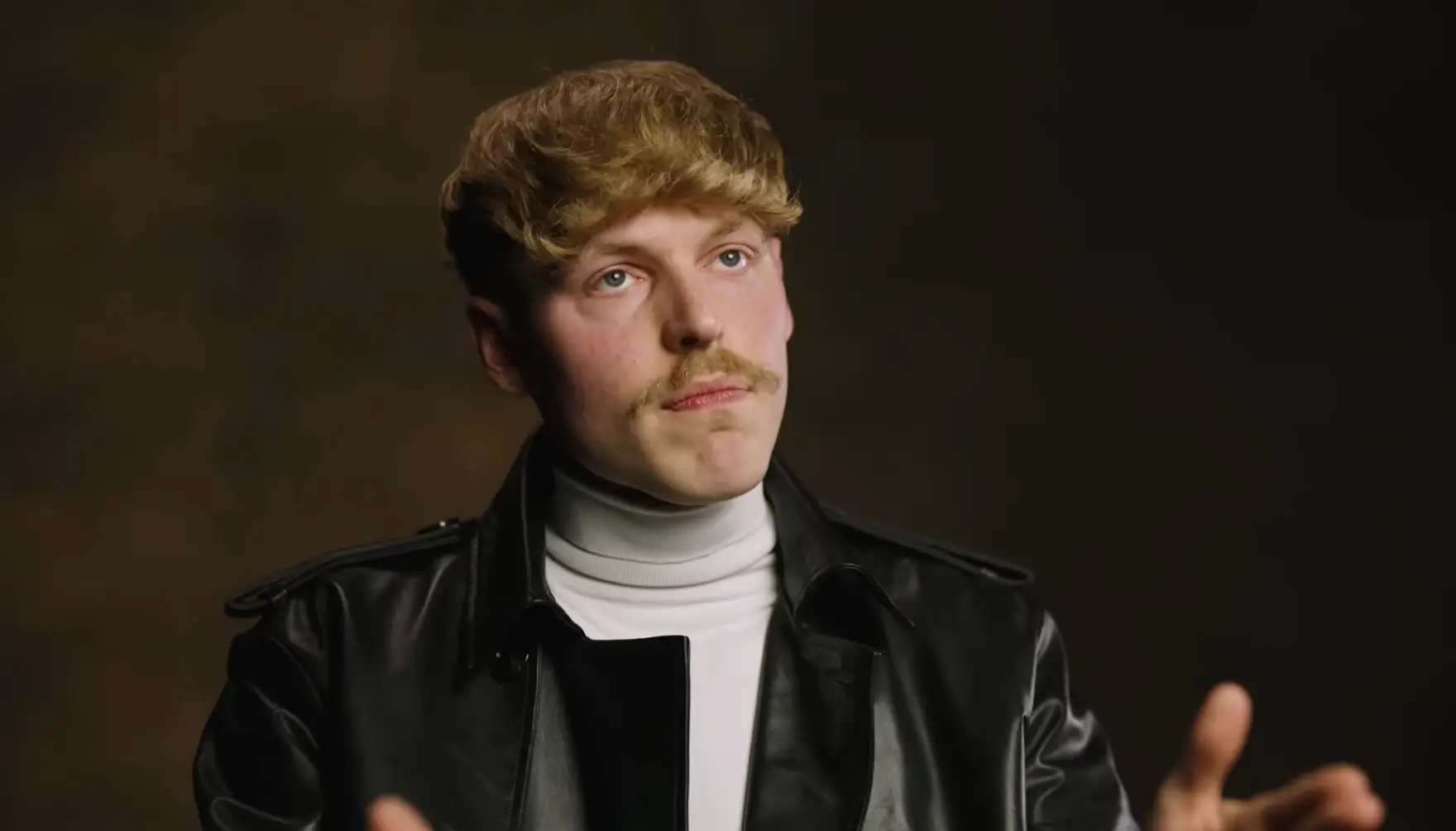
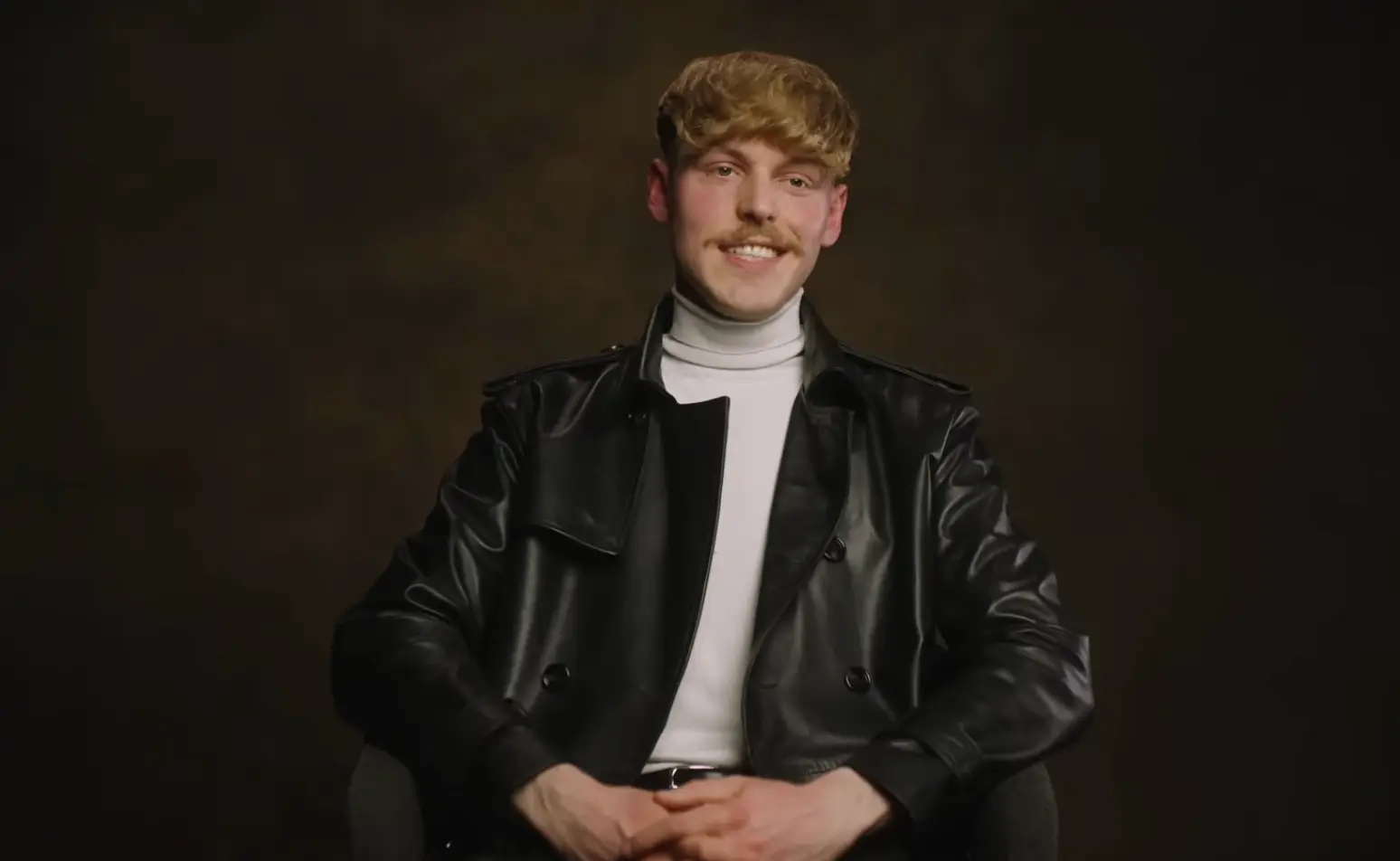
That lack of empathy is something that one psychopath named Loïc De Marie, who was diagnosed two years ago, has spoken about openly, including during a recent interview with LADbible Stories.
Recalling one of his earliest memories, the 25-year-old Belgian revealed he watched his younger sister fall into a swimming pool when he was around six years old - but didn't try to save her.
"The only thing that mattered to me was my clothes," he said, explaining that he didn't want to jump into the water because they were clean.
'I'm not cruel - I'm unempathetic'
Looking back, Loïc says he understands why people find the story shocking, but admits he still doesn't experience regret in the way most people would.
"That was not [out of] cruelty. That was just feeling unempathetic to my little sister," he continued. "Because with psychopathy, you don't think about the consequences of your action. You tend to live in the moment; you know, you are very impulsive.
"When you don't think about consequences, you tend to do things that are gonna harm others and harm you in a certain sense."
Loïc confessed: "I don't feel regret for that because I cannot... but I think I have changed, and I'm not going to do that anymore," he explained, adding that therapy has helped him understand the consequences of his behaviour even if he doesn't naturally feel remorse.
They're often unknowable
So, rather than viewing their fellow humans as real people with viable thoughts and feelings, Kenny says psychopaths tend to view others as 'tools, obstacles or opportunities'.
"They can be incredibly charming when they want access to something, but that warmth can disappear the moment a person is no longer useful to them," she pointed out. "This is why people often describe feeling 'studied' rather than truly known by them."
Loïc has described experiencing relationships in a similar way before undergoing therapy.
"It's like impossible to connect to others and to make social bonds," he explained. "You see other people like mirror objects. You take a rock, or you take a person, it's practically the same for a psychopath."
He recalled having a relationship with his best friend's ex-girlfriend, admitting he didn't think twice about how it would affect anyone else.
'I get what I want'
"I know now that it is not correct to do that. But at the time, I was not feeling bad, because I was like, 'I just want something, and I get what I want.'"
Kenny also warned that psychopathy isn't always loud or violent.
"Whilst people imagine that psychopaths are killing, or coercing, or destroying in a criminal way, in truth they may be heading up your finance department and getting paid very well to do so," she explained.

"The giveaway is usually the pattern over time: charm without depth, confidence without conscience, apologies without change, and a consistent ability to harm others while positioning themselves as the victim.
"The key is not to look for one dramatic red flag, but to pay attention to repeated behaviour, especially when someone's words and actions never align."
HCPC-registered counselling psychologist Dr Candice O'Neil agrees that a lack of empathy is one of the strongest warning signs for psychopathic behaviour, alongside a persistent need for control.
Relationships are transactional
"There are a number of signs linked to psychopathy," she also told Tyla. "As a psychologist, I would look for widespread relational dysfunction, difficulty forming and maintaining social and professional relationships across the lifespan on a continuous/repeated basis.
"These would usually come with a tendency to have a lack of thought for other people in relational dynamics, with a significant lack of moral values but rather a need for power, status, domination, control, and influence."
Like Kenny, Dr O'Neil also agrees that psychopaths often 'objectify others', viewing relationships as transactional rather than emotional.
"They have a transactional view of the world, valuing themselves and their individual needs highly and devaluing the needs and feelings of others," she continued, claiming this often spurs their highly-manipulative actions.
Dr O'Neil also pointed out a number of considerably more 'low-key' signs of psychopathic behaviour, including what's known as 'mirroring delay' - when a psychopath's smile or laugh appears just a fraction too late, as if it's being consciously copied rather than naturally shared.
Then, there's the 'predatory stare', which usually involves unusually intense, prolonged eye contact used to study another person's reactions.

'I can imitate empathy'
Loïc has also admitted that he learned to imitate empathy because he realised it was expected of him.
"In the past, I was very charming with a big smile, very empathetic in appearance, very manipulative," he confessed. "And I think that was dangerous for me and for others."
Topics: Real Life, True Crime, Crime, Mental Health, True Life
 Rhianna Benson