'Stop trying to hunt for Jane Doe in the Cornell case – survivors like me know where this can lead'

Warning: This article contains discussion of sexual assault which some readers may find distressing.
I was a teenager when I learned what happens to a girl when she tells the truth about someone with power over her. It taught me to keep quiet and be ashamed.
The abuse was bad enough. My athletics coach groomed and sexually abused me and many of us in my training group for years, when we were teenagers, and was later jailed. He weaponised my ambition and vulnerability.
What came after was worse: the closed doors, the questioning whether we were just 'spinning a tale', and the people who decided their reputation mattered more than we did. Two of my best friends from that time, Georgina and Katie, died by suicide. What was done to us took away their self-worth, their ability to trust and their belief that they deserved love. And it never stopped living in their heads.
Advert
Years later, I found myself in government meeting rooms, trying to squeeze my trauma and what happened to us into policy.
I've sat on both sides of that table. I was the girl the system failed and then the woman being asked to explain it to people who had never felt it.
I did help change the law.
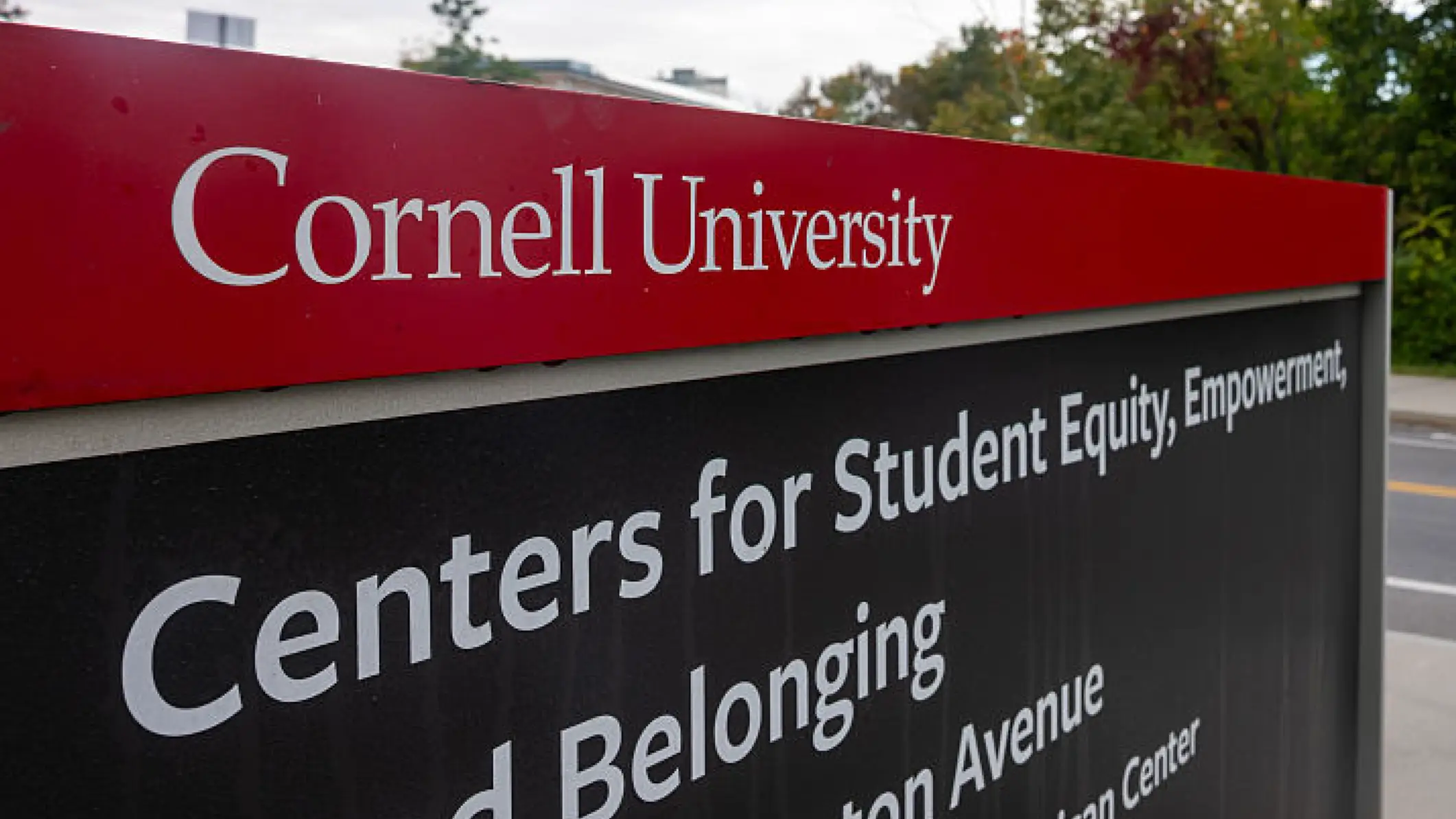
This week, the Cornell University fraternity rape case was reopened by the Tompkins County District Attorney - a case centred on a woman who was allegedly raped by seven men in 2024 in a frat house.
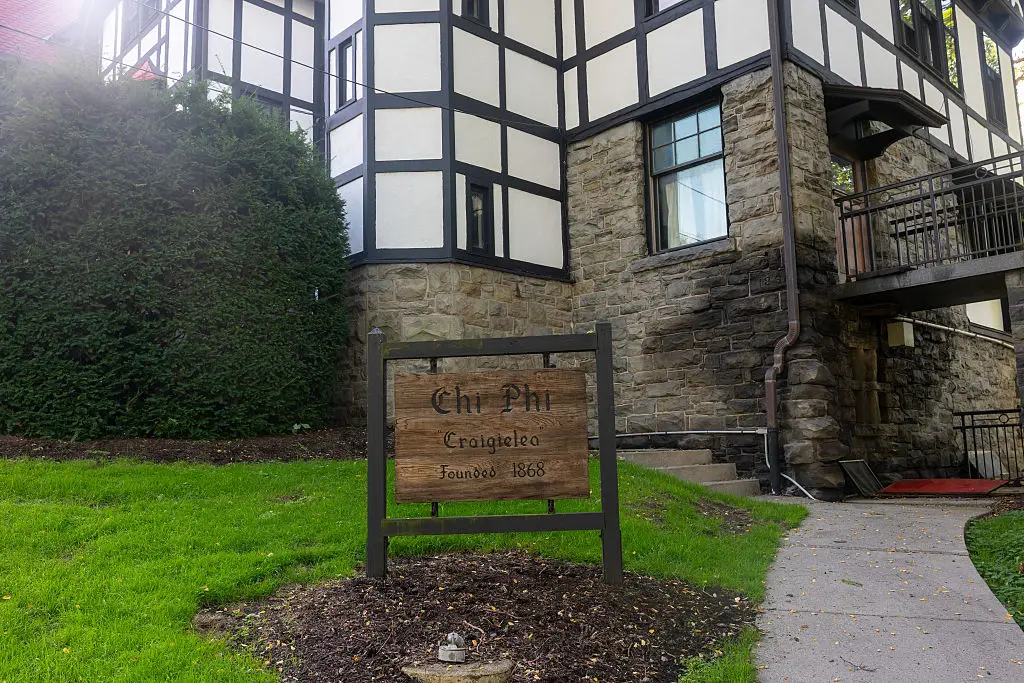
The case initially came back into the spotlight after the victim, known as Jane Doe, filed a civil lawsuit alleging the university protected the men. She accused one of the men of sending a Snapchat message inviting other frat members to join them, and said the group attacked her for hours on end. None of the men have been criminally charged.
Cornell has said in a statement that it 'supports the decision of the Tompkins County District Attorney (DA) to provide an opportunity for the victim’s story in the 2024 Chi Phi fraternity sexual assault case to be heard by a criminal grand jury'. The university closed the fraternity in 2024 following a Title IX investigation.
'The victim pays twice'
Reading about it still hits me in the chest, because I know how this story goes.
Different institution. Same playbook. The first instinct is for the institution to protect itself, and the victim pays twice: once for the abuse, and again for the response.
We keep saying victims need to come forward. They do. They tell the institution, the police, and then they're doubted, sidelined or made to feel that it wasn’t that bad.
Jane Doe's lawsuit alleges some of the men were allowed to write essays to mitigate their conduct (Cornell has said in a statement published on its website that 'none of the individuals charged were offered the opportunity to write essays as a sole consequence of their involvement’.) And still we ask why victims stay silent, as if it's their choice or their fault. Never mind the fear, or how a traumatised brain struggles to process what's happened, or a culture that keeps blaming victims.
Days after the alleged attack, Jane Doe went to a campus doctor with a urinary tract infection and said she'd got it ‘in a traumatic way’. The best chance of collecting forensic evidence through a rape kit is within the first 72 hours. She says the doctor sent her on her way, recommended therapy and didn't follow up.
One of the points I’ve hammered home in those government rooms I’ve been in is that anyone who meets with the public often, from GPs to teachers, should be trained to recognise the signs of sexual and domestic abuse. That's a gap in knowledge. Other failures are a gap in morals and will.
'Anonymity isn't a technicality'
Then I see journalists calling for Jane Doe's name, claiming it’s a matter of public interest.
Even though victims are encouraged to speak out, we still don’t live in a society where it is safe to do so. A decade or so ago, I spoke out against a convicted rapist returning to football. I got rape and death threats, and it cost me work.
The victim had to change her name and move from her community. Not just once, but five times, and ended up under the kind of protection given to paedophiles released into a community.
Anonymity isn't a technicality. It's the difference between a woman surviving what happened to her and being hunted for it.
I think about the woman at the centre of the Cornell case, especially now. The anniversary of the night she was allegedly gang raped is close, and anniversaries bring it all back.
The body holds trauma and has its own internal clock, triggering the nervous system’s survival alarm at the exact time of year. I know that from my own life.
I hope someone is looking after her. It's why I campaigned for mandatory support for victims in the UK: help shouldn't depend on being lucky enough to find it.
We have to be careful not to see this as just an American frat-house problem. The UK is not immune.
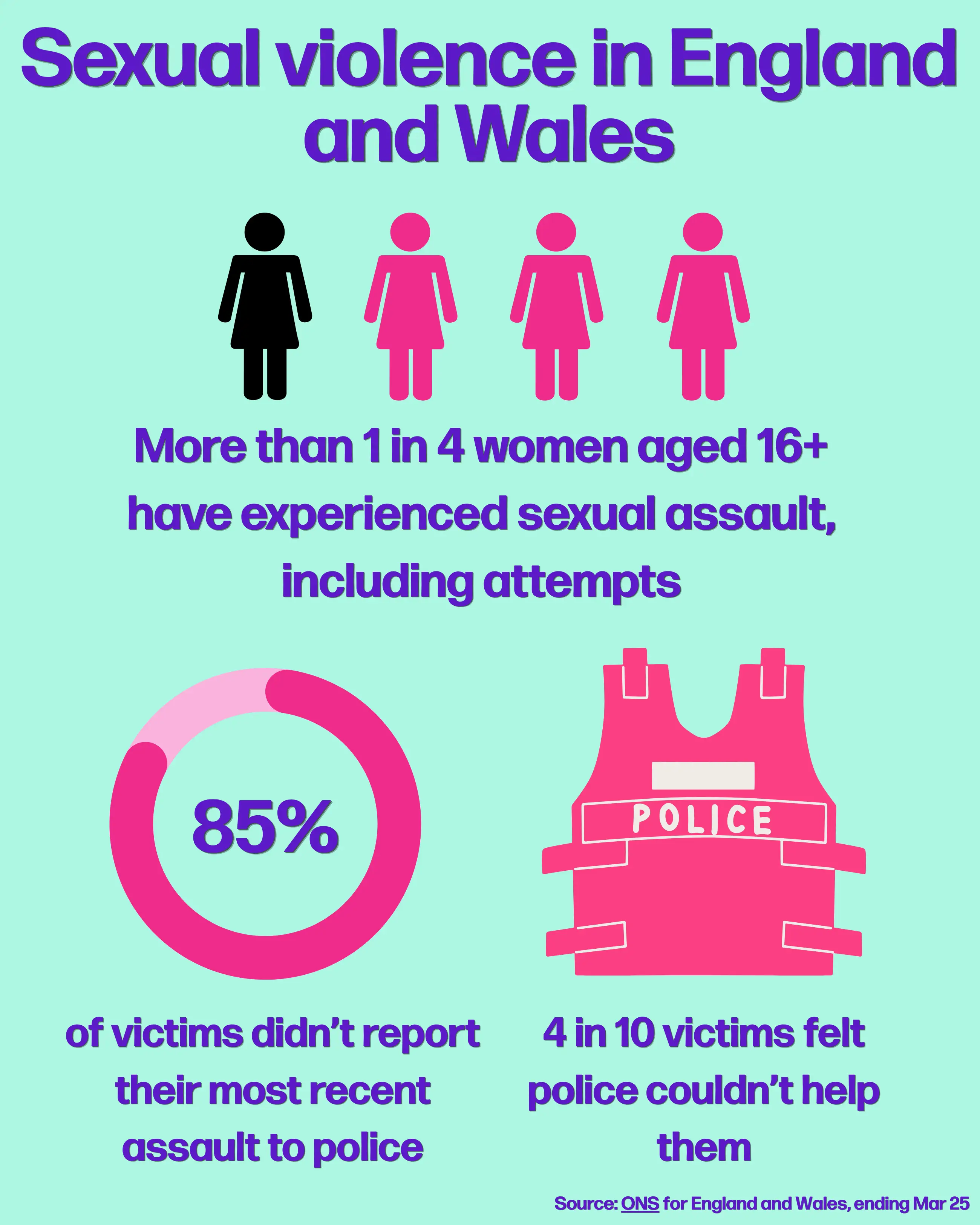
We've had our own version in sport, in the church, in our universities.
I was groomed by my coach from the age of 12, and he sexually abused me from 15 to 17. Until 2022, the law protected 16-and 17-year-olds from teachers and care workers who abused their position, but not from sports coaches or faith leaders. For half of what he did to me, the law looked away. It took years of campaigning and my documentary, Nowhere to Run: Abused by Our Coach, to close that loophole.
Stop asking why victims don't speak up, and start asking why it costs them so much when they do. Protect her anonymity. Hold institutions to account when they close ranks. Make support automatic, not something you have to be lucky enough to find.
And if you're reading this and recognise yourself in any of it: you are not alone. So many of us understand. I do.
Charlie Webster MBE is an award-winning journalist, broadcaster and campaigner. Her BBC documentary Nowhere to Run: Abused by Our Coach exposed abuse in sport and changed UK law and international safeguarding policy. She is an ambassador for Women's Aid. She is also the creator of the global number-one podcasts Scamanda and Unicorn Girl, and an Emmy-nominated producer of the Scamanda docuseries for ABC.
If you have been affected by any of the issues in this article and wish to speak to someone in confidence, contact The Survivors Trust for free on 08088 010 818, available 10am-12.30pm, 1.30pm-3pm and 6pm-8pm Monday to Thursday, 10am-12.30pm and 1.30pm-3pm on Fridays, 10am-12.30pm on Saturdays and 6pm-8pm on Sundays.
Topics: Crime, US News, Tyla Exclusive
 Charlie Webster MBE