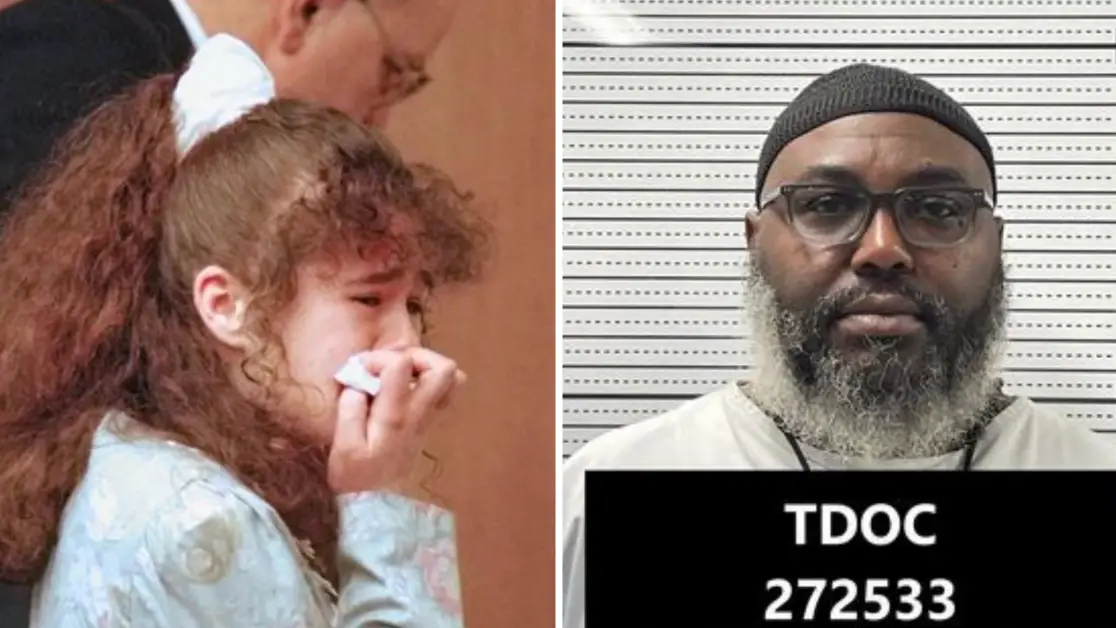
Youngest woman on death row faces execution while boyfriend convicted of same murder could walk free - here's why

Christa Pike is facing a date with the death chamber after being convicted of one of the most notorious murders in Tennessee.
The 50-year-old - who also happens to be the youngest woman currently on death row - is scheduled to be executed on 30 September, almost 32 years after she killed fellow Job Corps student Colleen Slemmer.
But while the convicted killer waits for her lethal injection, her former boyfriend, who was also convicted of taking part in Slemmer's murder, has spent decades behind bars under a very different sentence.
And the reason for the stark difference between their punishments comes down to something which may seem surprisingly simple.
Advert
Tadaryl Shipp was Pike's boyfriend at the time of the 1995 killing, and prosecutors said he played a role in the attack.
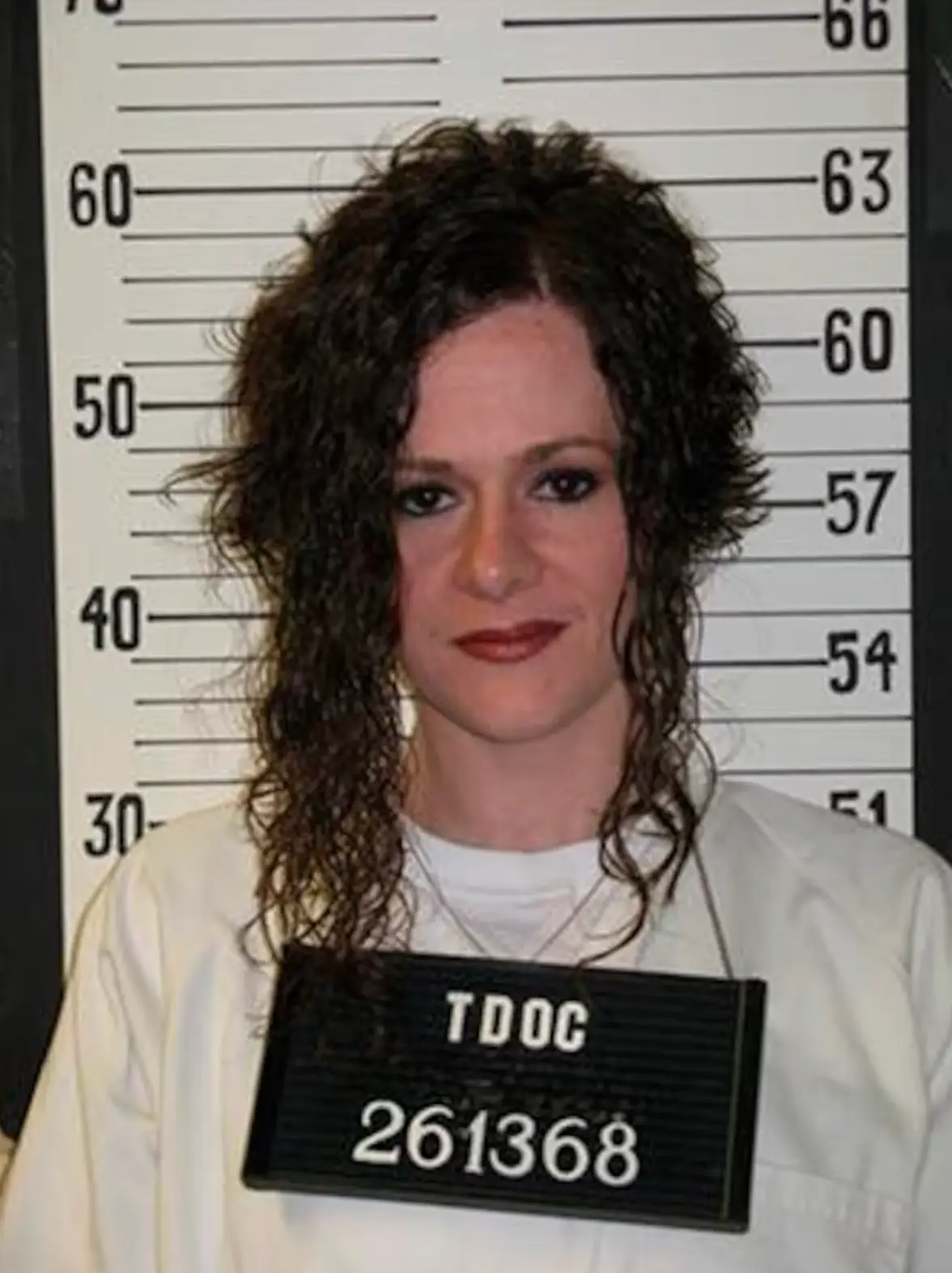
Yet while Pike could soon become the first woman executed in Tennessee in more than 200 years, Shipp has been given a route towards eventually leaving prison.
Who was Tadaryl Shipp?
Shipp was dating Pike when the pair were students at the Knoxville Job Corps centre in Tennessee.
The couple had reportedly developed an interest in the occult, and Pike had become convinced that Slemmer, another Job Corps student, was interested in Shipp.
On 12 January 1995, the couple and their close friend Shadolla Peterson tempted 19-year-old Slemmer to an isolated area near the University of Tennessee's Agricultural campus, having convinced her they wanted to make peace.
Instead, they killed her in a brutal assault which lasted around 30 minutes, with Slemmer being beaten and stabbed.

Pike was also accused of carving a pentagram into her chest, while prosecutors said she later kept part of Slemmer's skull.
The three teenagers were subsequently arrested, with Pike later confessing to the killing.
So why did Pike get the death penalty?
The three people involved in Slemmer's death ultimately faced very different futures.
Peterson agreed to testify against Pike and Shipp and received probation after pleading guilty to being an accessory after the fact.
Shipp was convicted of first-degree murder and conspiracy to commit murder, but despite his involvement in the killing, he wasn't sentenced to death.
Why? Because he was just 17 at the time of the killing.
Shipp was too young to be eligible for the death penalty, meaning prosecutors could not seek capital punishment against him for his role in the murder.

He was instead sentenced to life in prison, with the possibility of parole.
Pike, meanwhile, was sentenced to death, their one-year age gap meaning they were treated very differently under the law.
At just 20 when she was convicted, she became the youngest woman in modern US history to receive a death sentence.
What happened to Shipp?
For years, Shipp's future remained tied to the possibility that he could eventually be released from prison.
His life sentence came with parole eligibility, meaning that unlike Pike, there was always a potential route out.
For now, though, Shipp remains incarcerated, and his attempts to secure parole have not gone the way he may have hoped.
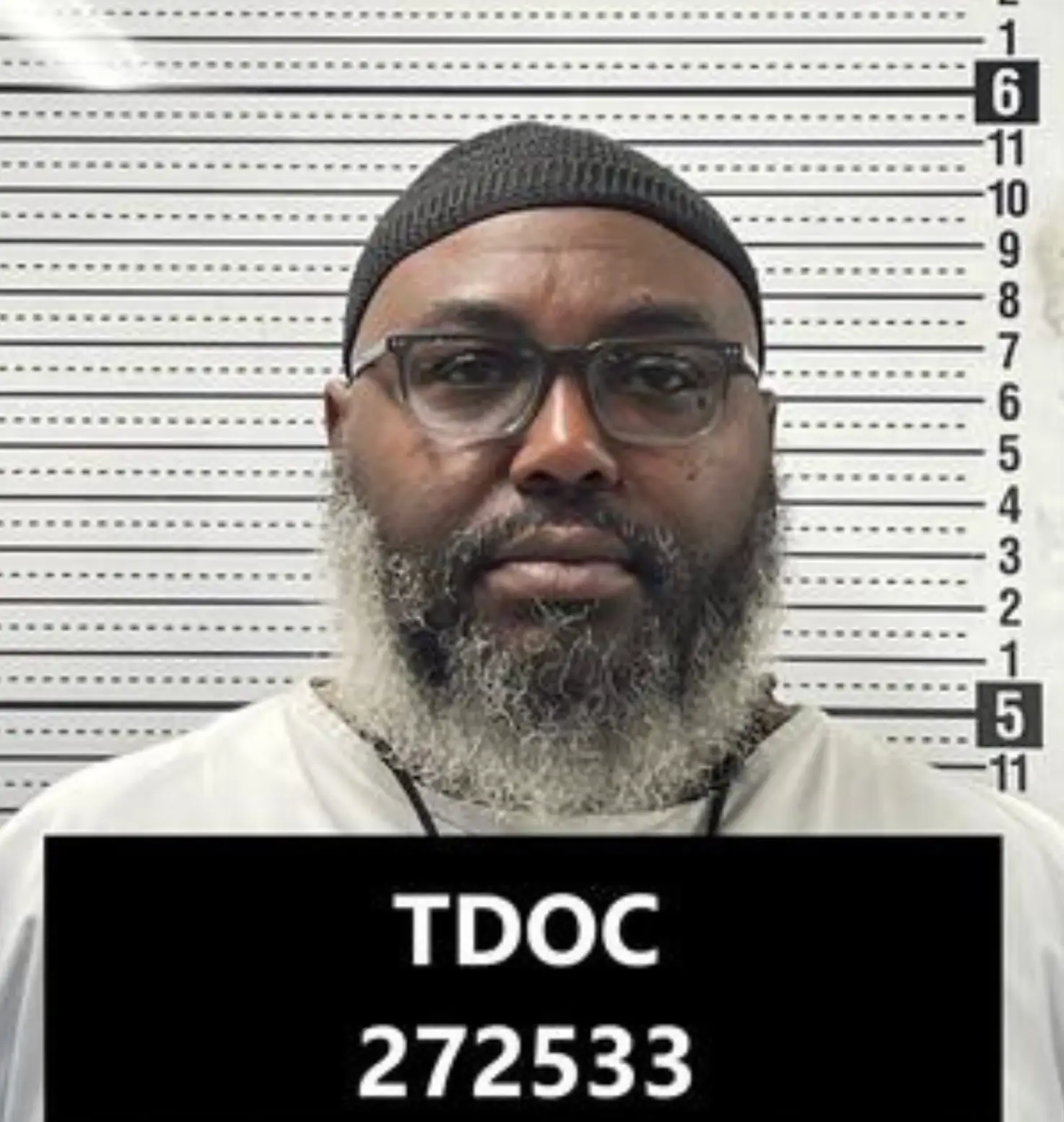
In October 2025, the Tennessee Board of Parole denied his request for release.
His case is now scheduled for another review in 2031.
What have Pike's lawyers said?
The difference in their punishments has become a major part of Pike's legal team's arguments against her execution.
In a 2021 filing seeking to have her death sentence commuted, her attorneys pointed to the disparity between Pike's punishment and Shipp's, arguing that it was disproportionate.
Pike's team also described her as being in an abusive relationship with Shipp at the time and claimed he was a leader in the offence.
A judge later noted the significance of the age gap too, with Sixth Circuit Judge Jane Stranch writing in 2019 that, had Pike been 17 rather than 18, like Shipp, she would not have been eligible for the death penalty.
Her lawyers have also spent years arguing that the circumstances of her childhood and her mental health should have been taken into account when she was sentenced.
Her lawyers have said she experienced severe physical and sexual abuse as a child and was later diagnosed with conditions including bipolar disorder.
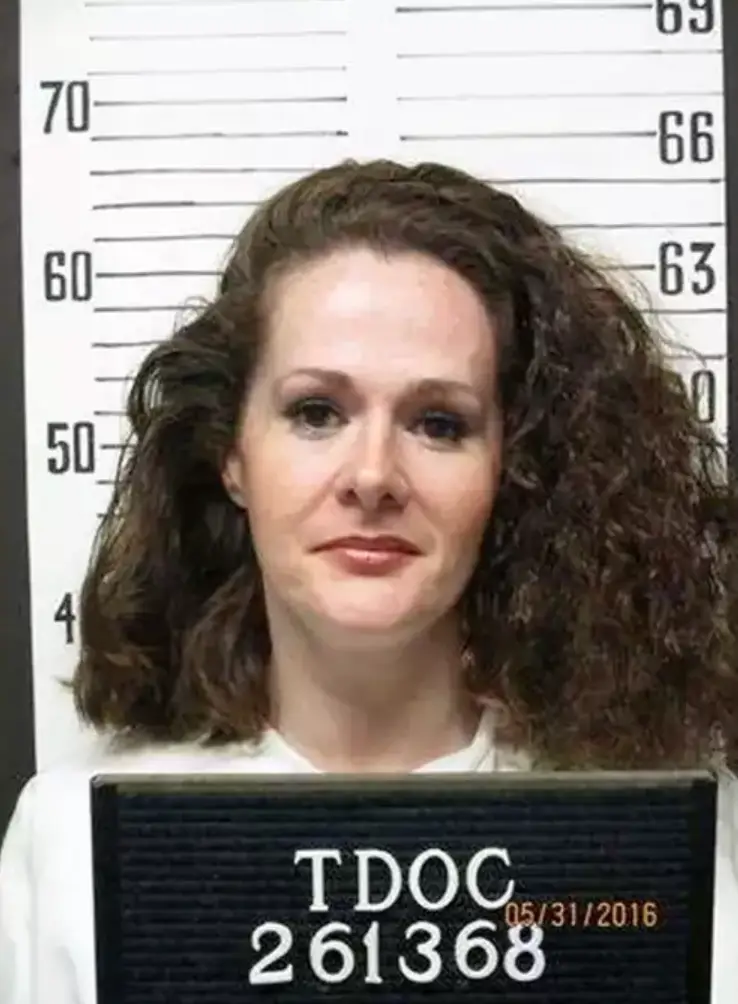
They have also argued that much of this history wasn't presented to the jury which decided she should die.
A 226-page clemency petition submitted to Tennessee Governor Bill Lee is now asking for her death sentence to be commuted to life without parole.
Pike has also spoken about the crime in the years since, saying she has come to understand the devastation she caused.
What has Pike said about her crime?
In a handwritten letter, she once penned: "Think back to the worst mistake you made as a reckless teenager. Well, mine happened to be huge, unforgettable and ruined countless lives. I was a mentally ill 18-year-old kid."
Pike continued: "It took me numerous years to even realise the gravity of what I'd done. Even more to accept how many lives I affected. I took the life of someone's child, sister, friend.
"It sickens me now to think that someone as loving and compassionate as myself could commit such a crime."
But unless her sentence is changed, she is due to be executed by lethal injection on 30 September.
Topics: True Crime, Crime, US News, Real Life
 Rhianna Benson