List of items you should start stockpiling as WW3 fears grow

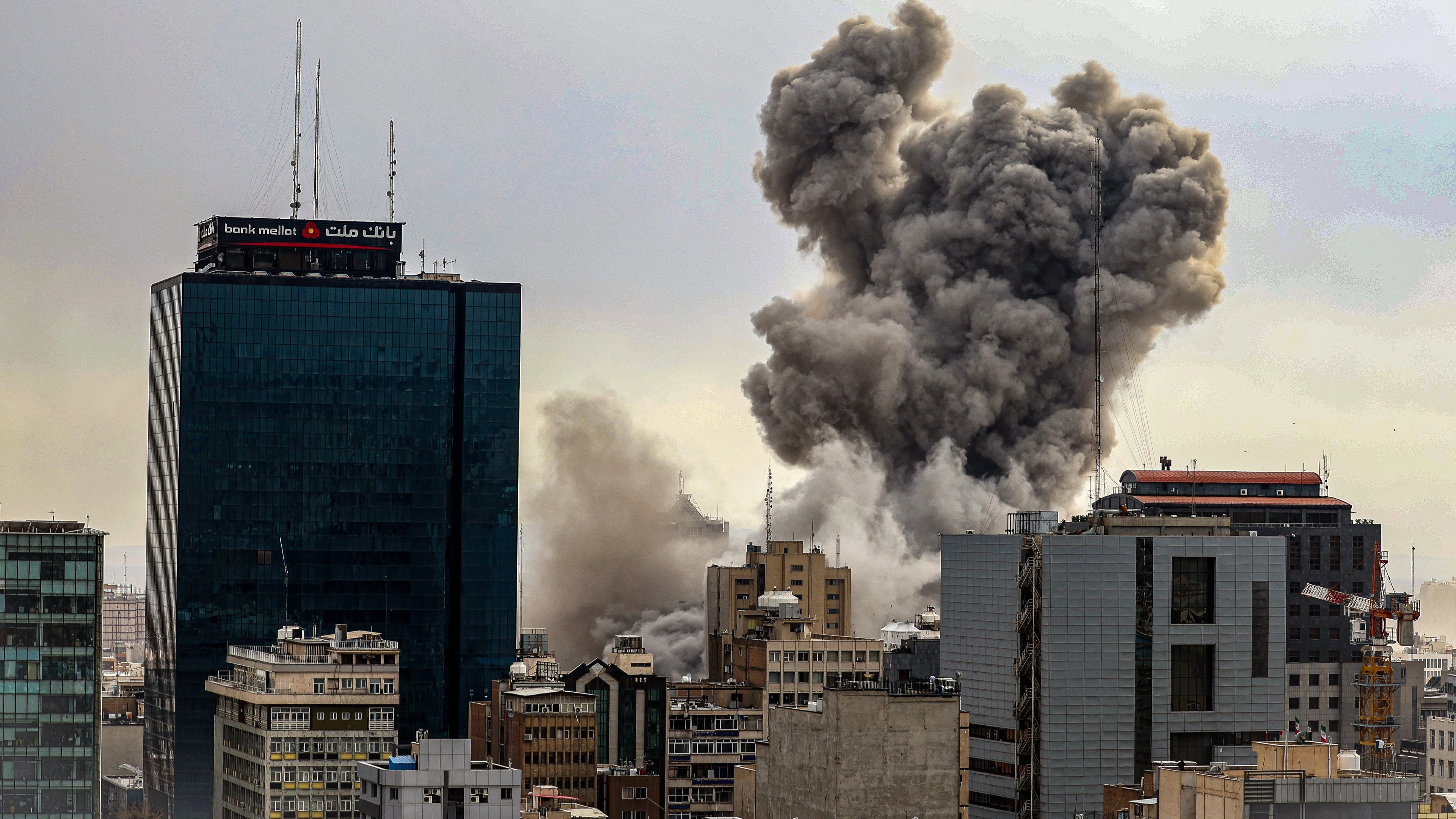
People are quite naturally worried that World War III could be on the horizon, as the conflict in the Middle East entered its fourth day today (3 March).
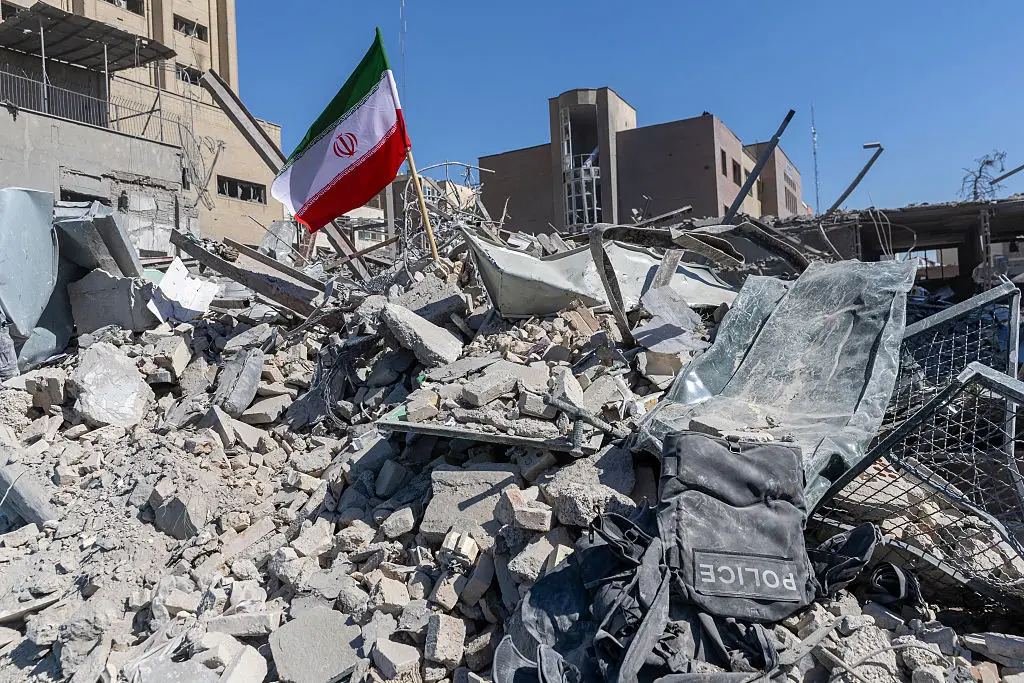
Fears have been rising over a global-scale conflict ever since the US and Israel launched joint strikes on Iran over the weekend, killing the country's Supreme Leader, Ayatollah Ali Khamenei.
US President Donald Trump said his reasoning for such a move was to 'ensure that Iran does not obtain a nuclear weapon,' while urging Iranians to overthrow their regime.
Iran quickly responded by launching missiles and drones across the region, targeting US assets and allies, such as Israel, Bahrain, Kuwait, Qatar, Jordan, and the United Arab Emirates (UAE).
Advert
With the conflict escalating, people have been questioning how likely WW3 is, who would be affected, and what we can do to prepare.
Being prepared for the possibility of war breaking out
Last year, people in the EU were advised to stockpile enough essentials that would last them for at least 72 hours.
Outlining its preparedness strategy, the European Commission said last March it wanted to encourage citizens to take 'proactive measures to prepare for crises, such as developing household emergency plans and stockpiling essential supplies'.
However, it's important to note that this advice came, as we say, last year and was not given in response to the current conflict.
But it still may be useful for those wanting to get ahead in case of an absolute worst-case scenario.
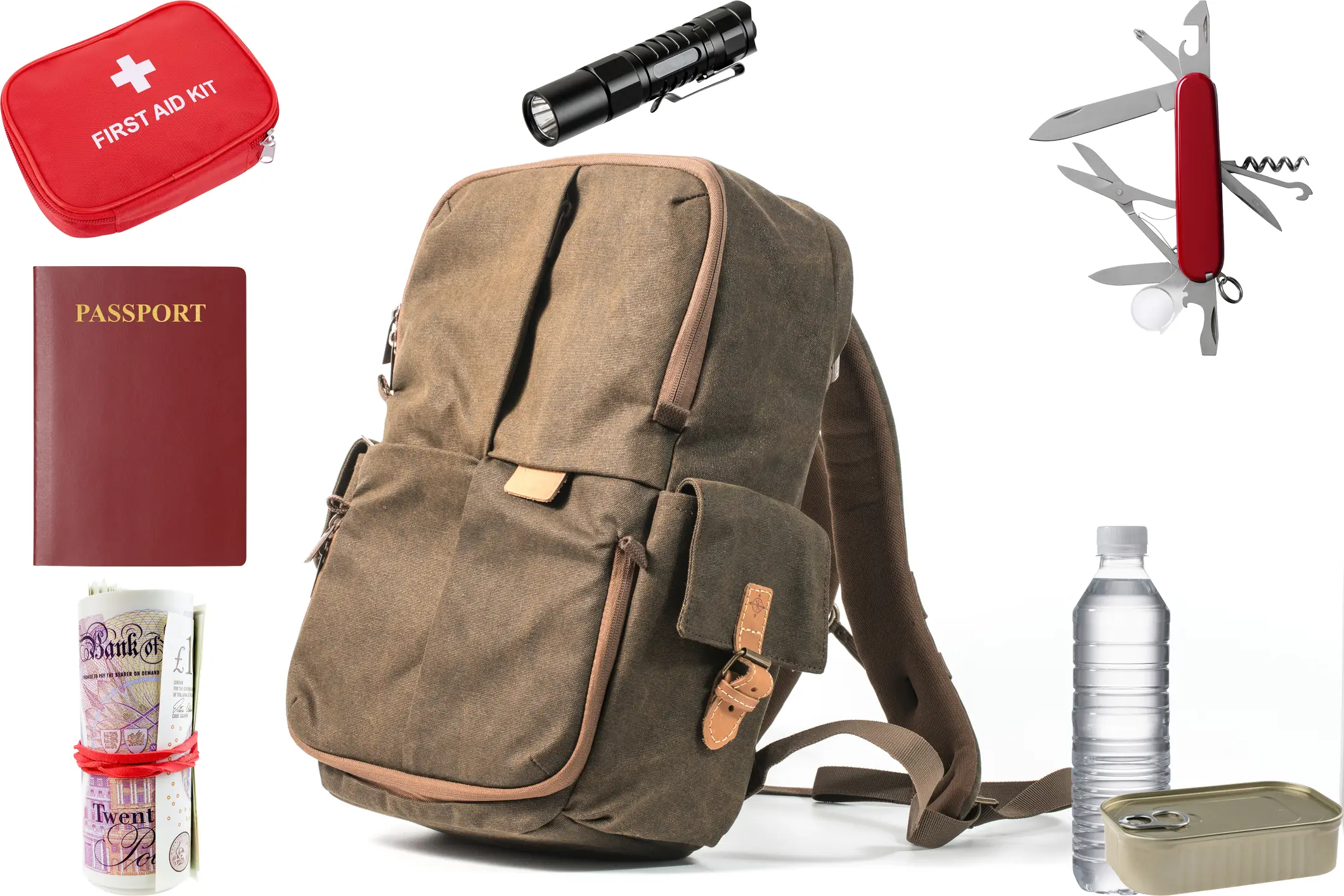
The European Commission also put together its own survival kit list, including nine items every household should have.

Items to stockpile for WW3
- Bottled water and portable water filters
- Non-perishable food and energy bars
- Torches and backup batteries
- Fire-starting tools and a first-aid kit
- Warm clothing and shelter equipment
- Multi-tool or survival knife
- Communication devices such as radios
- Important identification documents and cash
- Navigation tools such as a compass and maps
Expert advice on preparing for WW3 outbreak
As reported by The Guardian, Hadja Lahbib, the European commissioner for preparedness and crisis management, said at the time: "We are saying to member states: 72 hours of self-sufficiency is what we recommend."
She also posted a video on her social media outlining the nine items that she would recommend stashing away in case of emergencies.
These included: ID documents in waterproof casing, canned food, bottled water, matches, a Swiss army knife, cash, playing cards, and medicines.
The strategy was thought to be inspired by similar plans in Germany and the Nordic countries, where public information pamphlets have been distributed, as have apps advising people what to do in the event of a military attack or other national crisis.
The importance of a survival kit
A document outlining the plan reads: "We must prepare for large-scale, cross-sectoral incidents and crises, including the possibility of armed aggression, affecting one or more member states.
"In most crisis scenarios, national civilian authorities bear primary responsibility. In an increasing number of scenarios (e.g., health emergencies, extreme weather events, hybrid and cyberattacks), civilian authorities need military support.
"In case of armed aggression, armed forces would require civilian support to ensure the continuous operation of the state and society."
Before you panic-rush to the shops, it's very unlikely you'll ever need this stuff - but if it will put your mind at ease, it's always better to be prepared!
 Madison Burgess