Likelihood of WW3 breaking out as list of safest countries to be in if it does revealed

Rumours of a third World War have been swirling ever since joint attacks by the United States and Israel on Iran killed Supreme Leader Ayatollah Ali Khamenei.
But exactly how likely is it that a large-scale worldwide conflict will happen?
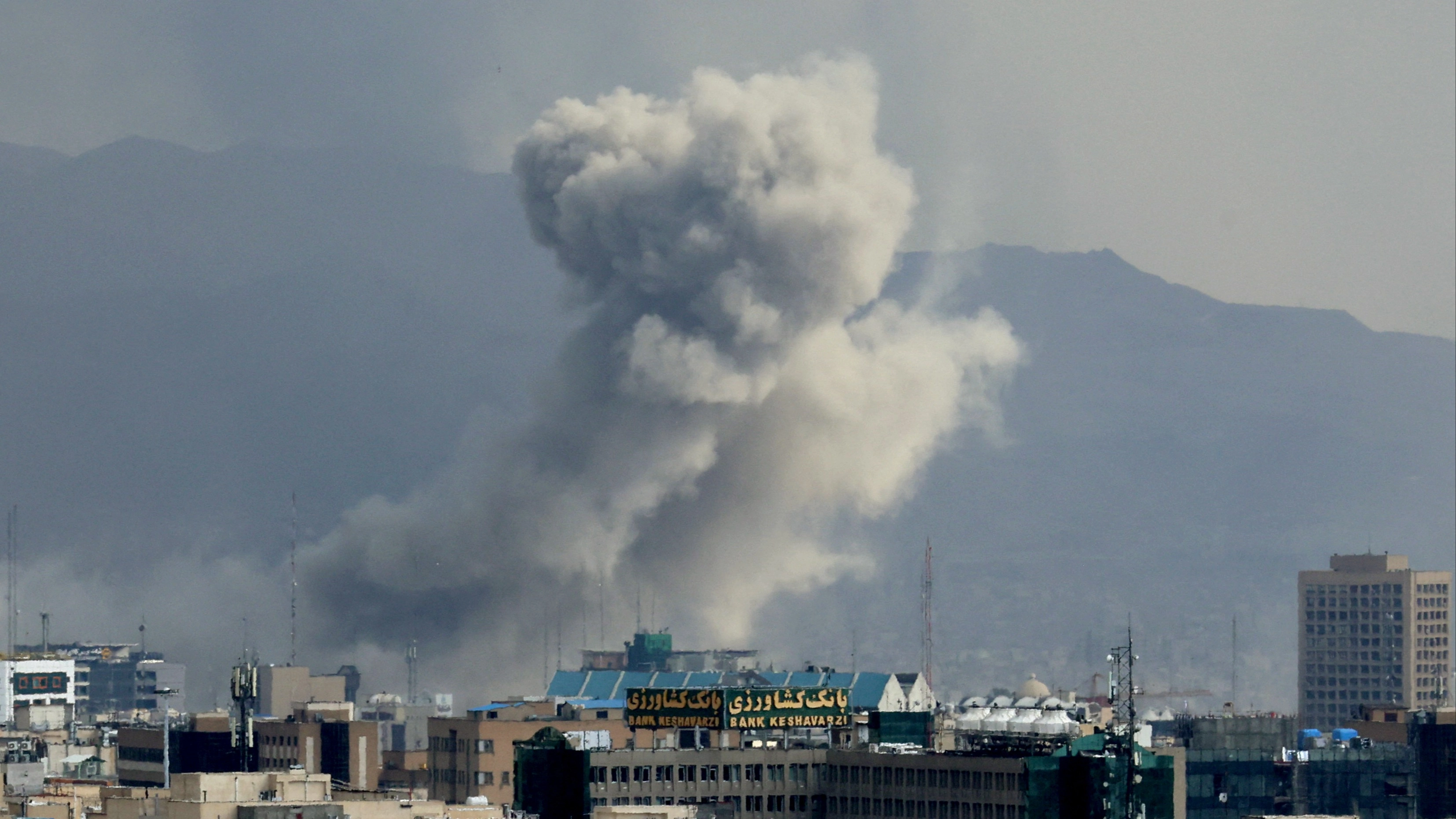
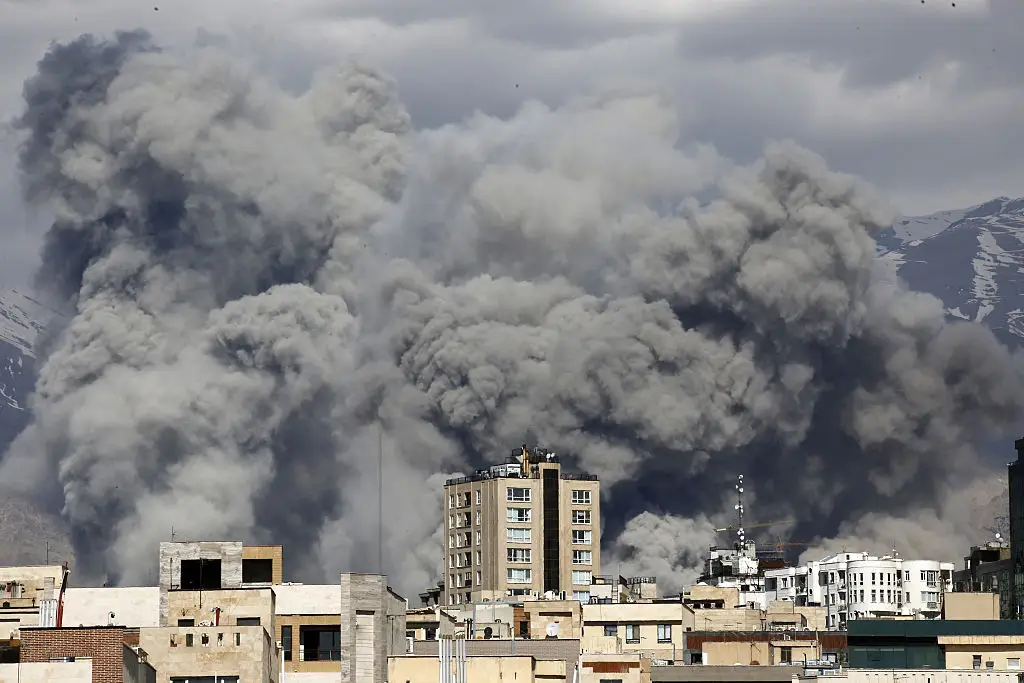
On 28 February, the long-standing conflict between Iran and America came to a head when the Supreme Leader, Khamenei, who ruled Iran for nearly 40 years, was killed in an attack launched by the US and Israel.
Not only was Khamenei killed, but hundreds of civilians also lost their lives, including at least 153 people and children, after a reported strike hit a school in Minab.
Advert
Iran has blamed the US and Israel, while the US military's Central Command (Centcom) said it was looking into reports of the latter incident, and Israel's military said it was 'not aware' of any IDF operations in the area, as per the BBC.
The US-Israeli missile strikes in Iran have sparked violence within the region and around the globe, igniting fears of a wider war.
The aim of the US' attack on Iran
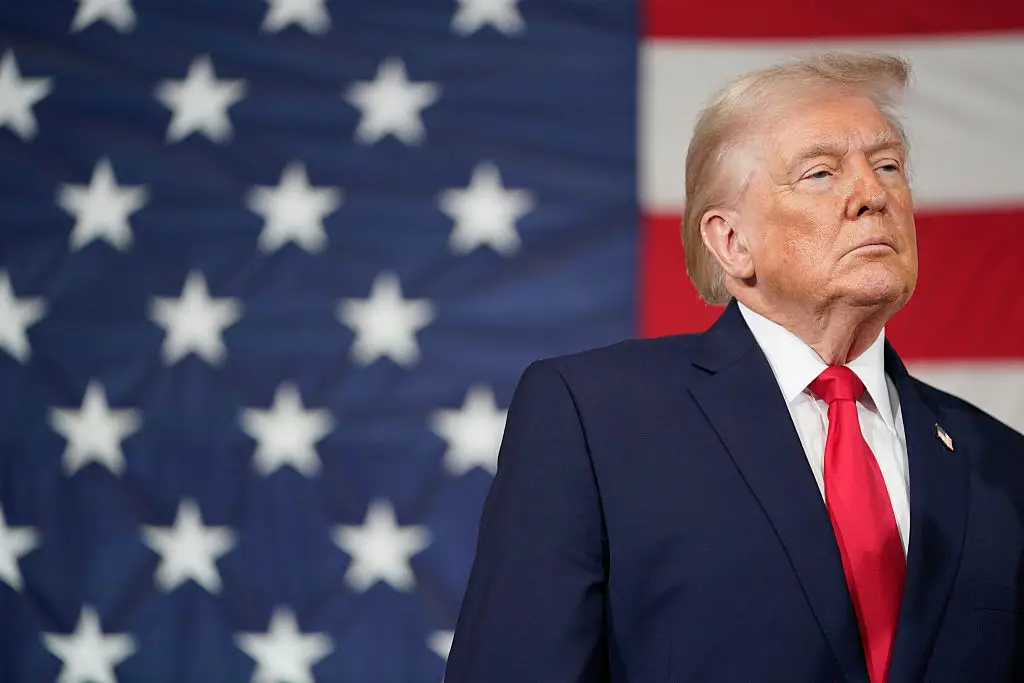
US President Donald Trump said the aim of the operation was to 'ensure that Iran does not obtain a nuclear weapon'.
He said in a Truth Social video post on Saturday (28 February): "We're going to destroy their missiles and raze their missile industry to the ground. It will be totally again obliterated."
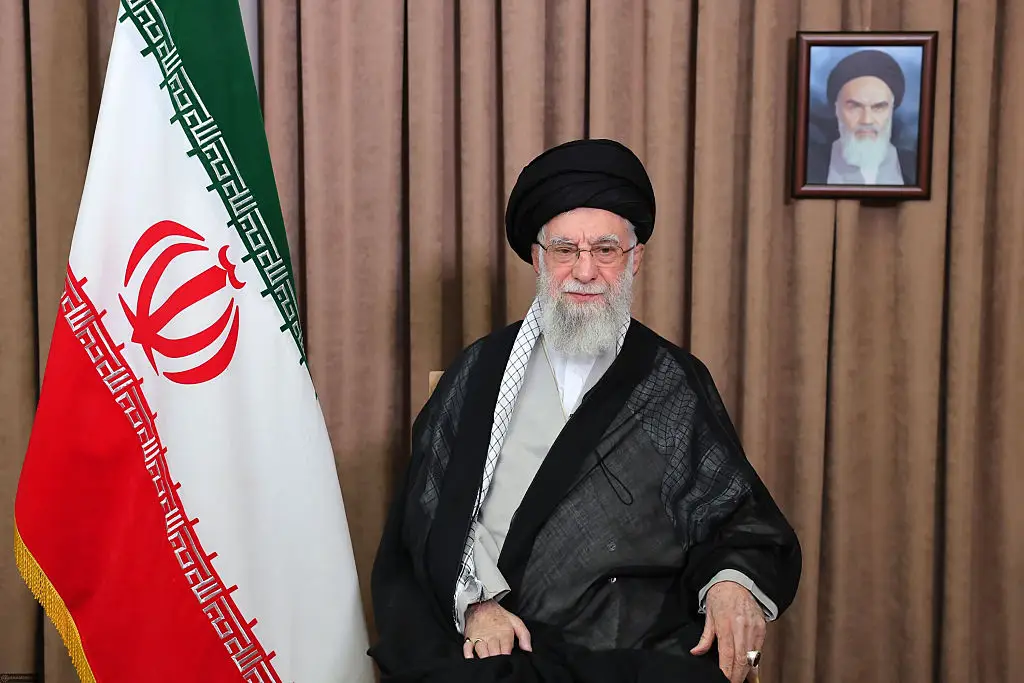
The world leader also warned Iran's armed forces to lay down their weapons in return for 'complete immunity', or 'face certain death', while urging the Iranian people to prepare to overthrow the establishment.
"When we are finished, take over your government. It will be yours to take. This will probably be your only chance for generations," he said.
Iran retaliated after the strikes, with attacks on Israel and on Bahrain, Qatar, Kuwait, and the United Arab Emirates - countries that have ties to the US.
Questions are now being raised over whether other countries will get involved in the conflict, as the UK, for example, is an ally of both the United States and Israel.
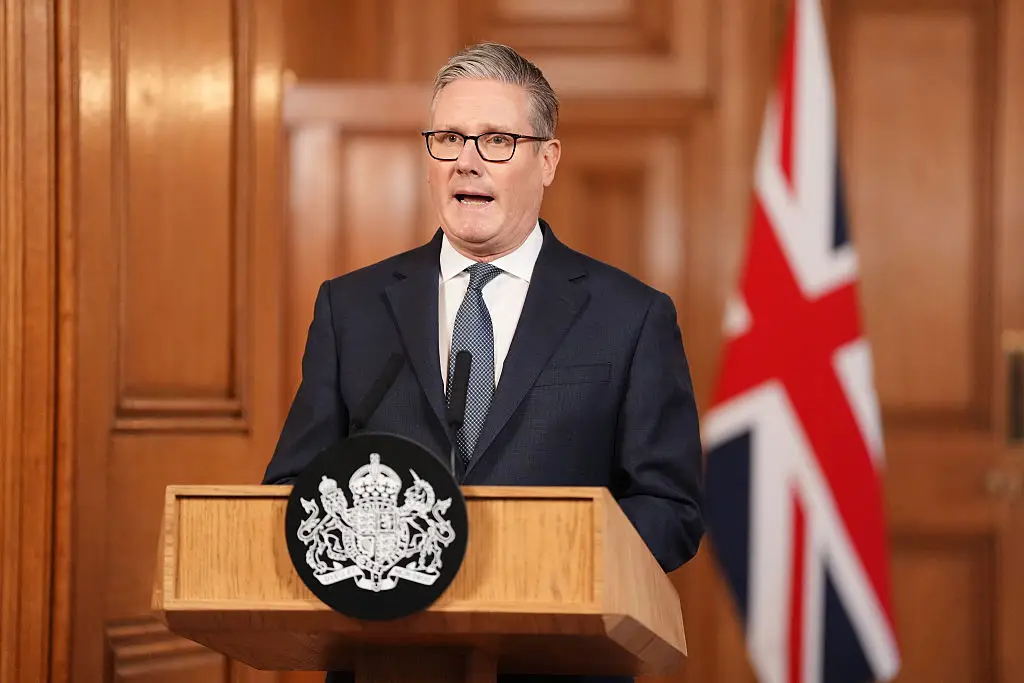
Prime Minister Keir Starmer confirmed that the UK had played no role in the US-Israeli strikes, but in a video statement on Sunday (1 March), he said that the UK would allow the US to use British military bases for 'defensive' strikes on Iranian missile sites.
In a joint message with the leaders of France and Germany, Starmer urged that Iran must ‘refrain from indiscriminate military strikes’.
He also stated that the UK would 'protect our people, our interests, and our allies - as Britain has done before, in line with international law'.
What is the likelihood of WW3 breaking out?
As reported by the Economic Times, experts have said that the conflict could escalate, but there is no clear point at which it becomes World War 3 yet.
Essentially, a war hasn't been declared, but there are fears that the violence could escalate if more major powers get involved.
Many diplomats and political leaders are calling for negotiations to avoid further global conflict.
A survey of voters in the US, Canada, UK, France, and Germany, which was published last week, before the US and Israel struck Iran, showed that people think an outbreak of World War III is more likely than not in the next five years.
The Politico Poll, which surveyed more than 2,000 people in each country, revealed 'mounting public alarm about the risk and cost of a new era of conflict' and 'limited willingness among the Western public to make sacrifices to pay for more military spending'.
43 per cent of those asked in Britain believe a world war is 'likely' or 'very likely' to break out by 2031.
It also comes just after Ukrainian President Volodymyr Zelensky made the claim that the President of Russia, Vladimir Putin, has already started World War III.
He told the BBC last month: "I believe that Putin has already started it. The question is how much territory he will be able to seize and how to stop him. Russia wants to impose on the world a different way of life and change the lives people have chosen for themselves."
Which are the safest countries to be in if WW3 breaks out?
In the wake of the violence, Metro has outlined some of the countries that may be safer if a third World War were to break out.
According to experts at the Institute for Economics & Peace, the top peaceful nations share traits like strong institutions and low conflict involvement.
However, it's important to note that 'safe' is relative, as even the most peaceful countries would be affected by fallout from a world war, especially if nuclear weapons were involved.
That being said, here are those on the list:
- Antarctica
- Iceland
- New Zealand
- Switzerland
- Indonesia
- Tuvalu
- Argentina
- Bhutan
- Chile
- Fiji
- South Africa
Topics: Iran, Israel, Keir Starmer, US News, World News, UK News, Explained
 Madison Burgess