‘Uncomfortable truth’ about Punch the monkey’s heartbreaking story going viral

A psychologist has discussed the 'uncomfortable truth' about Punch the monkey’s heartbreaking story going viral.
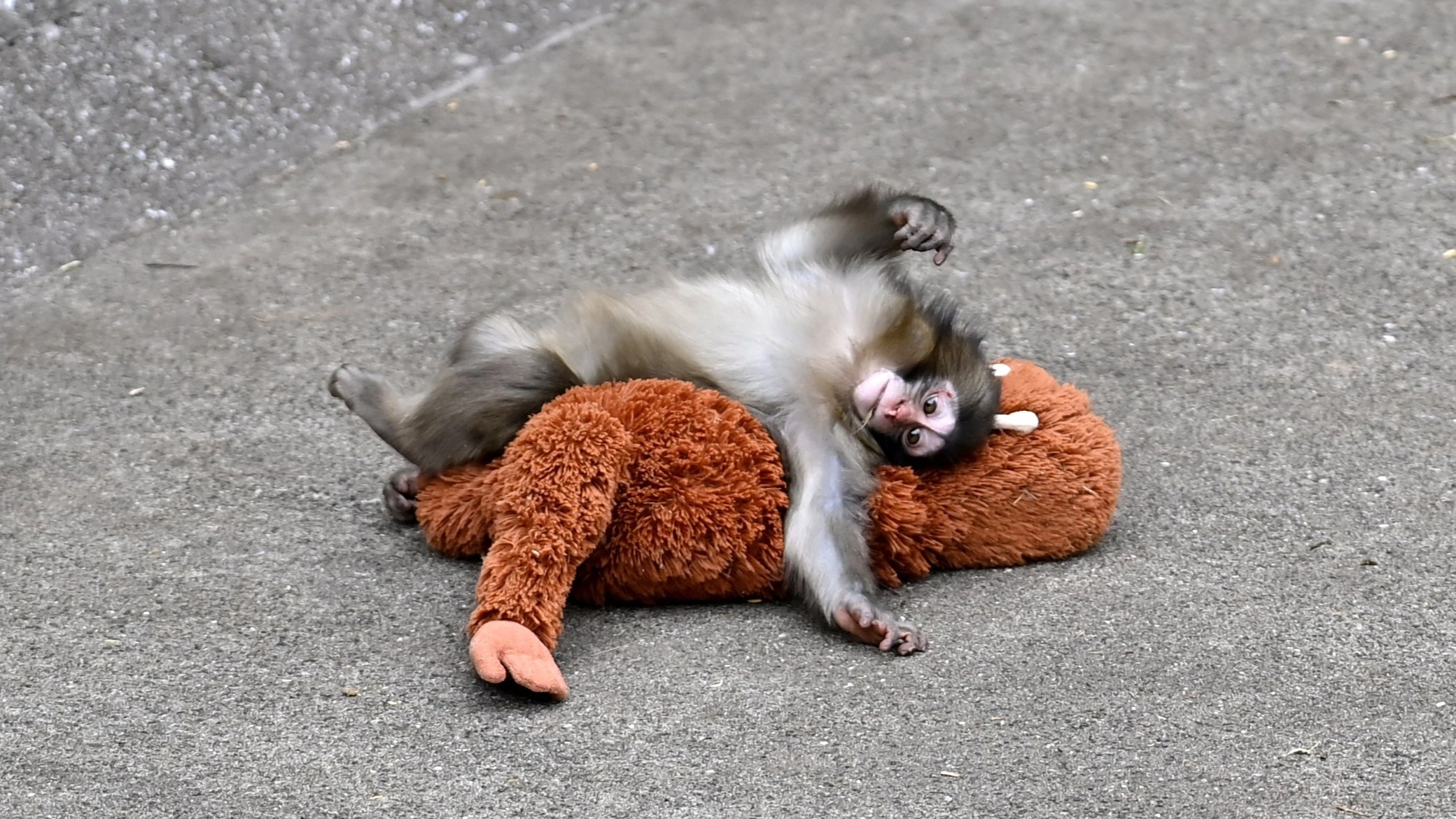
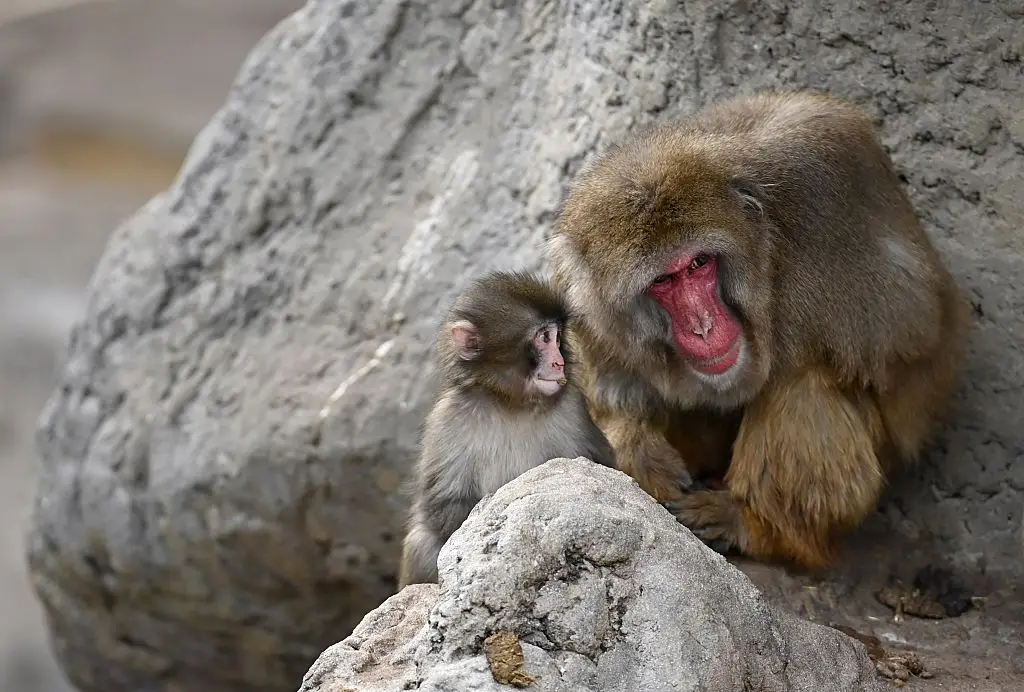
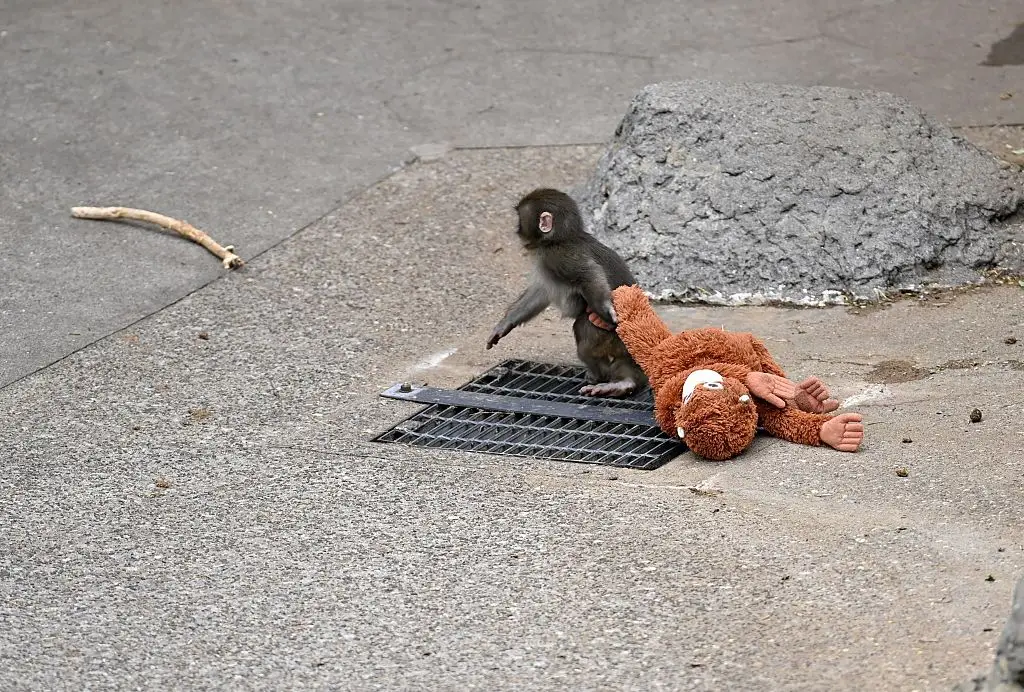
The internet has latched onto Punch, a baby Japanese macaque who was rejected by his mother shortly after birth in July last year, after clips showed him being pushed around by other monkeys.
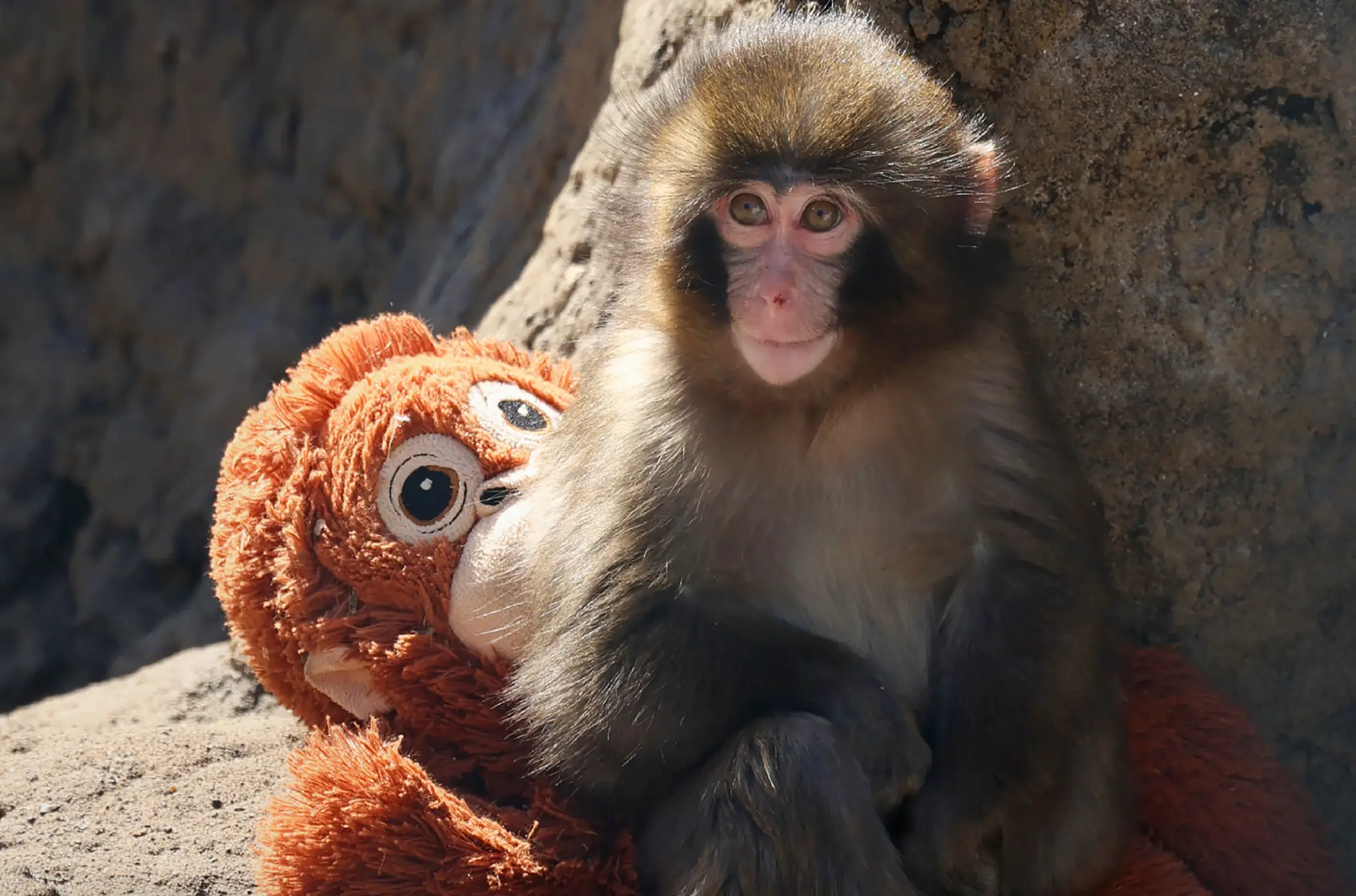
Keepers at the Ichikawa City Zoo in Japan gave him an orangutan teddy to cling to as he settled into the troop last month.
However, concerns over Punch's well-being grew with PETA even sharing a statement on the sad reality behind the little critter, criticising what people have been calling 'cute' or heart-warming', highlighting that the viral videos show a much more tragic reality, being an animal coping with 'isolation and loss'.
Advert
In one of the zoo's most recent statements, the zoo ensured: "Our entire staff will put their utmost effort into ensuring that Punch can live a healthy and fulfilling life as a member of the troop and as a Japanese macaque."
Speaking exclusively to Tyla, psychologist Dannielle Haig explained that the hype surrounding Punch has grown 'so big' because it lands 'straight in basic human wiring'.
"You see a tiny, vulnerable animal. You see what looks like rejection. Then you see him clinging to a soft toy as if it were the only safe thing he had. You do not need context to feel it. Your brain goes into protect mode before you have even finished the clip," she outlined.
There has since been a lot of discourse online that the outcry regarding Punch's well-being is 'selective empathy' - especially when compared with reactions over global affairs, which see immense destruction and devastation for people.
"The selective empathy for a monkey and its plushie is driving me crazy because why do people care more about Punch than any of the suffering of other countless things on the planet when this is literally just normal hierarchical behaviour for monkeys," penned one X user.
Another commented: "Humans are so performative. Kids are literally dying everyday but a f*cking monkey is what’s important."
And a third echoed: "Omg bruh, y'all have more empathy for animals than yourselves lol."
"On selective empathy, I do not think most people care more about animals than humans," Dannielle said. "I think our empathy is selective. It switches on hardest when the story is simple, morally clear, focused on one identifiable individual, and feels like something can be done.
"Animals often tick those boxes more easily than human suffering does. With humans, people quickly get pulled into complexity, such as politics, responsibility, who caused what, whether it is complicated, or whether it is hopeless. That extra mental load dulls the emotional response."
The expert outlines that, with an animal, especially a baby, there is a 'strong sense of innocence with no debate'.
"No backstory needed, just a quick gut-level feeling that something looks sad and wrong. That is why it hits so hard, so fast, and why it spreads," Dannielle explained, noting that there is also an 'uncomfortable truth' at bay too.
She said: "One suffering individual will usually move people more than huge numbers ever will. That isn't because people are heartless. It is because large-scale human suffering can feel abstract and overwhelming, and when something feels too big to fix, people detach."
Dannielle also addressed the 'zoochosis' chatter online, with many worrying that it may be Punch's fate.
"Zoochosis is a term used to describe distress that can show up in captive wild animals," she explained. "It can look like pacing, rocking, over-grooming, or other repetitive behaviours that suggest the animal is stuck in a stress loop.
"It is often linked to chronic stress, lack of space, lack of choice, overstimulation, and not being able to carry out natural behaviours."
The psychologist made sure to note that welfare varies widely between zoos, and not every animal shows these behaviours.
"The broader point is that captivity can create psychological strain when the environment does not meet the animal’s needs, even if the animal is physically cared for," Dannielle concluded.
Topics: Animals, Real Life, True Life, World News, Mental Health, Social Media, News, Tyla Exclusive
 Rhiannon Ingle