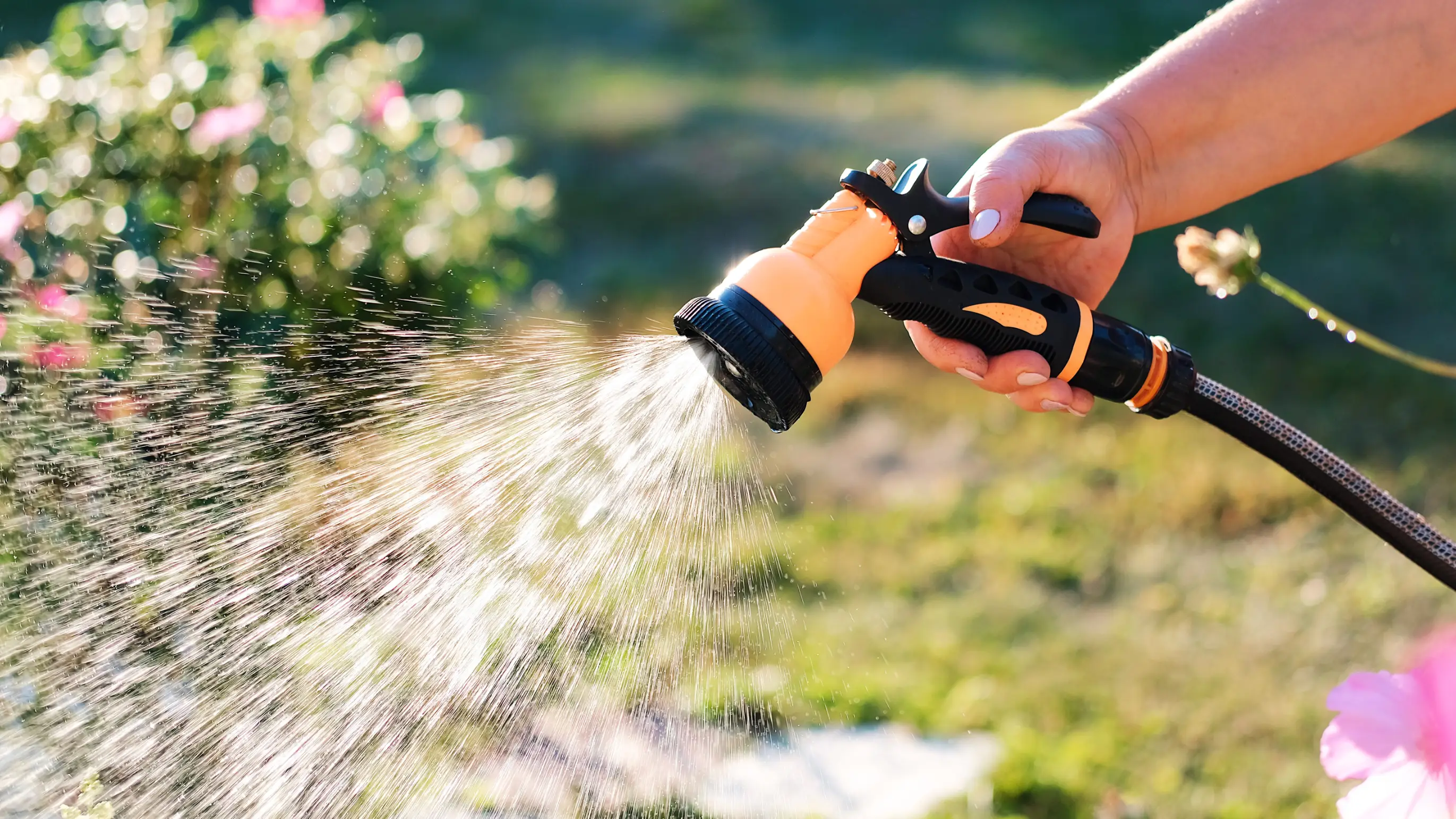
UK hosepipe ban explained as plans to continue it into autumn get confirmed

Thames Water has warned that ‘significant and prolonged rainfall’ is needed before the current UK hosepipe ban can be lifted.
The strict ban has been in place for roughly nine weeks since July, affecting more than 10 million customers who get their supplies from the company, in London, Thames Valley, and the Home Counties.
While the amount of rainfall we’ve had in September was ‘very welcome,’ the company explained that it’s sadly not been enough to overcome the prolonged dry weather the region has experienced since the spring.
It also comes as much of England, including London and the South East, remains in drought following an extremely dry spring and summer, marked by scorchingly hot successive heatwaves putting extra pressure on water resources.
Advert
Julie Morton, head of water resources at Thames Water, said: “Across our region, rainfall between March and August was less than half of what we would normally expect, and while some river levels have responded to recent rain, groundwater and soil moisture remain significantly below average.”
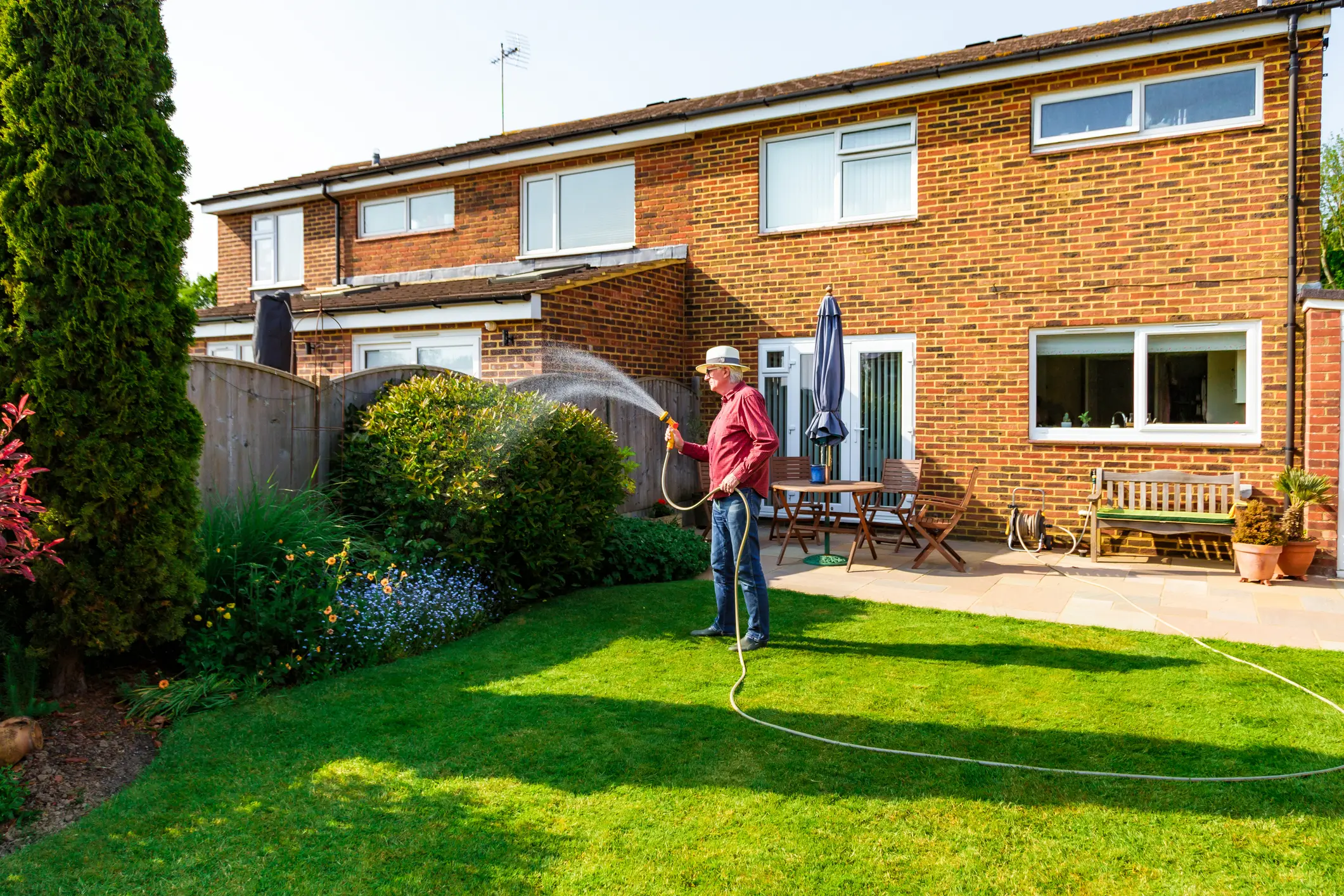
She explained: “We will need significant and prolonged rainfall over the coming weeks to be able to consider lifting the restrictions that remain in place.
“We know restrictions are frustrating and we’re grateful to customers for continuing to use water carefully.
“Every reduction in water use helps protect supplies for customers, communities and the environment.”
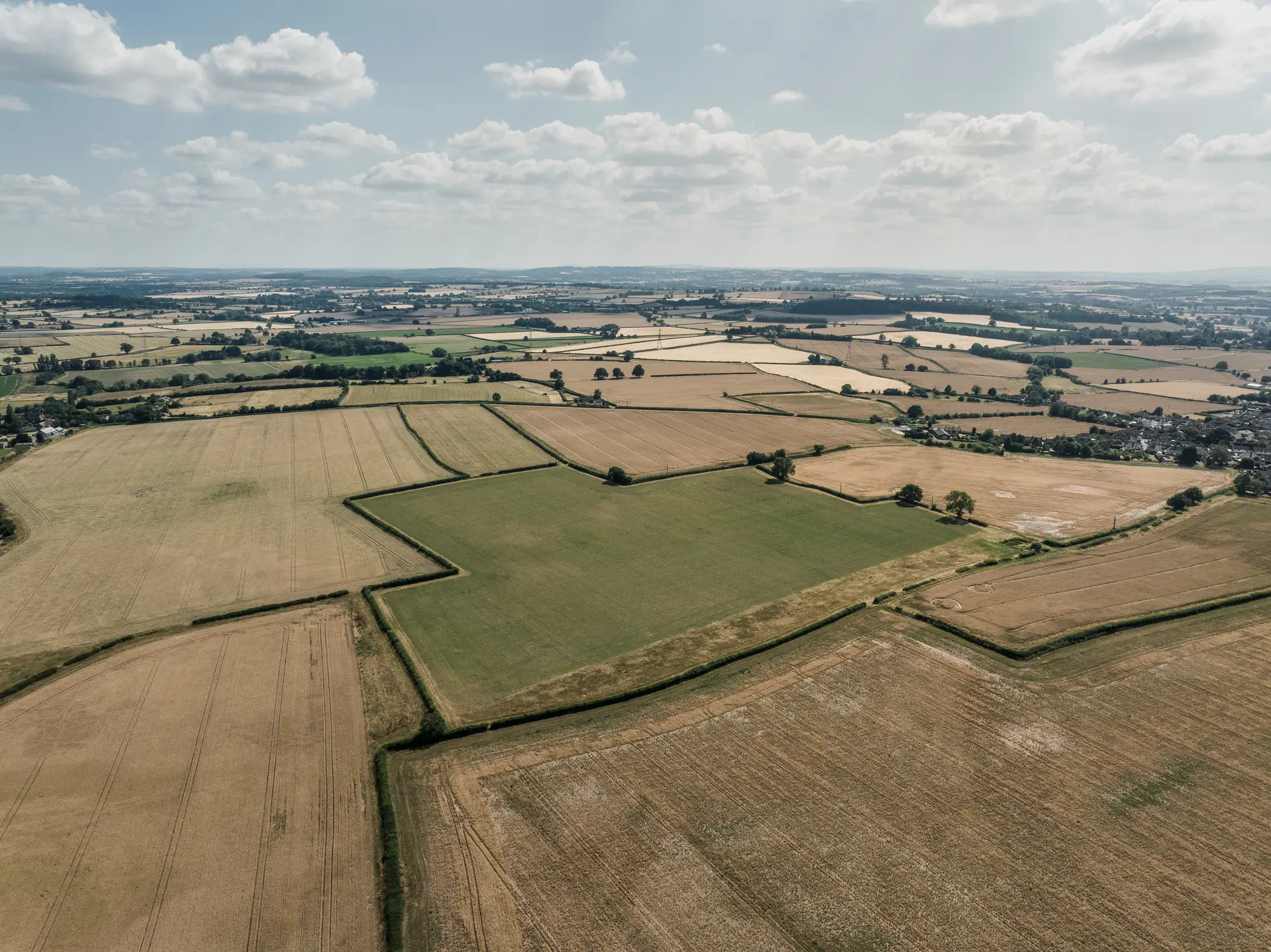
For context, the Press Association reports that August saw just 28mm of rain in the Thames catchment, which is 43 per cent of the long-term average.
The amount of rain so far in September is also well below the norm - London reservoir storage was at 59 per cent as of mid-September, well below the 78 per cent average for the time of year, while Farmoor Reservoir, near Oxford, was at 75 per cent, below the 93 per cent average.
What is a hosepipe ban?
A hosepipe ban, which is officially called a Temporary Use Ban (TUB), is a restriction that is enforced by regional water supply companies to stop domestic customers from using hosepipes and pressure washers for non-essential outdoor tasks.
Although they can be frustrating, they’re put in place for important reasons - to help preserve water and ensure there’s enough to go around.
The record-breaking hot weather this summer has meant people have been using more water than normal. This, paired with the lack of rainfall, also means our natural water sources are not being replenished.
The Met Office is predicting that, unfortunately, hotter and drier weather will continue, and the Environment Agency has declared a drought.
Companies are aiming to protect supplies now, so we can keep taps flowing throughout autumn.
Simple things like watering gardens, filling paddling pools and washing cars can add up and put extra pressure on water supplies.
What are the rules of Thames Water’s hosepipe ban?
During the ongoing hosepipe ban, if you’re a Thames Water customer, you’re not allowed to use a hosepipe, sprinkler or pressure washer to:
- Water gardens, lawns or allotments
- Fill paddling pools, swimming pools or hot tubs
- Clean vehicles, patios, driveways, paths, walls, windows or outdoor surfaces
You are allowed to:
- Water plants with a watering can
- Use stored rainwater from a water butt
- Wash your car using a bucket
- Reuse household water on plants
Thames Water also encourages you to reduce water use where you can by following their water-saving tips and keeping an eye on your water usage and potential savings.
Exemptions may apply for Thames Water wastewater-only customers, health and safety, animal welfare, food production, some business activities, and disability or medical needs.
You can check the full list of exemptions here.
Topics: Environment, UK News, News, Weather, Explained
 Madison Burgess