
UK heatwave leaves Brits questioning why hot temperatures feel hotter at home than abroad

It's official - today marks the hottest bank holiday in UK history.
By the sounds of things, however, most Brits aren't all that impressed by the 'historic' temperatures, which have reportedly peaked at around 34 degrees across Greater London and south-east England. In fact, many have claimed they can't cope with the discomfort these record highs are inflicting.
Ahead of the weekend, an amber heat health alert was issued by the UK Health Security Agency (UKHSA) for London, the South East, East Midlands, West Midlands and East of England.
As well as referring to temperatures, this notice emphasises the strain that warmer weather places on health and social care services.
Advert
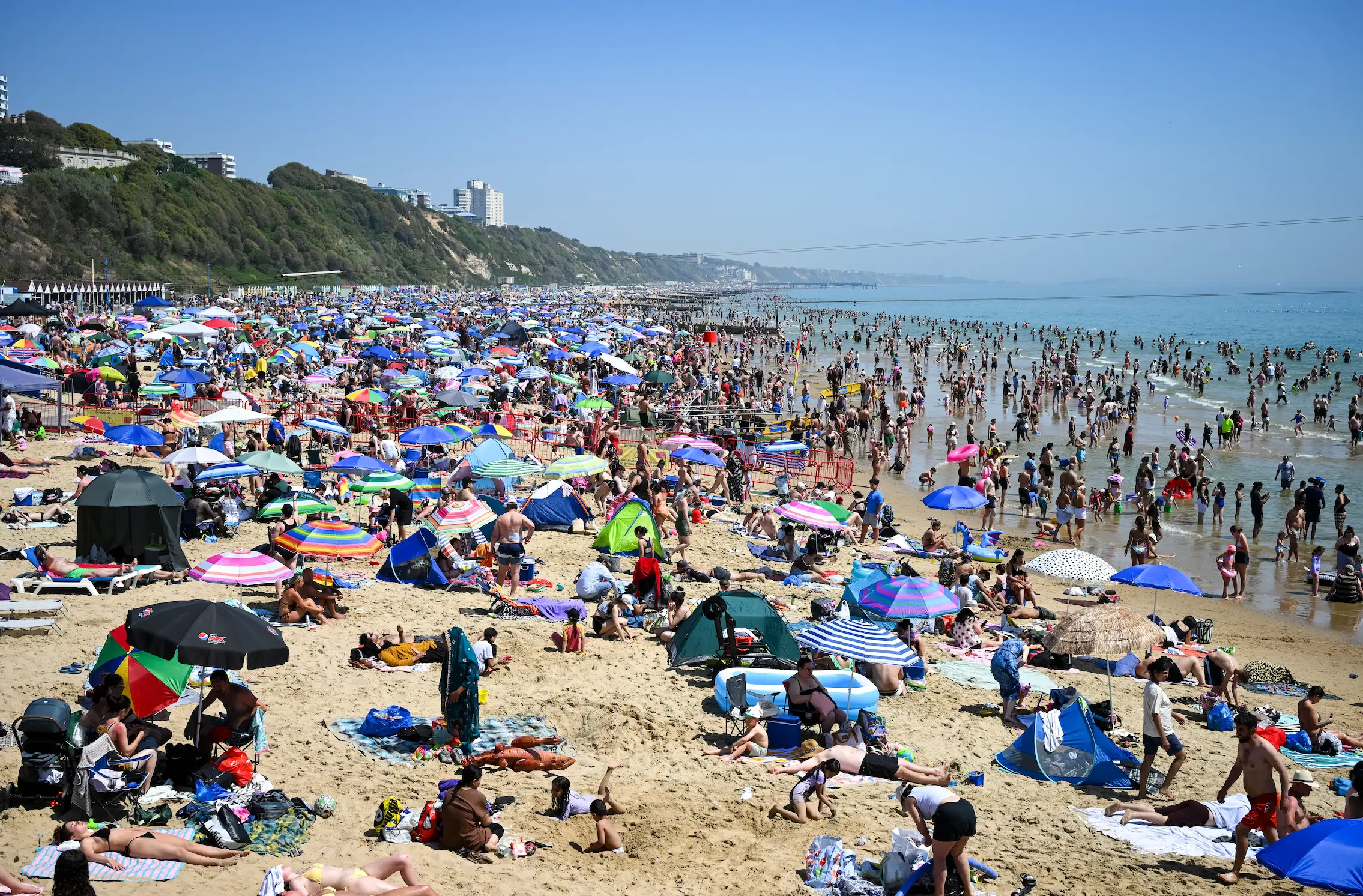
The strange thing is, however, the same mardy-a**e Brits who complain about the sweltering UK heat are the same holidaymakers jetting off to even warmer climates every half-term holiday.
According to Travel Gossip, around 19.1 million Brits rushed to Spain last year, desperately seeking some warmer weather - but how often do you hear that the heat served as an inconvenience, rather than a major perk?
Apparently, there are several reasons why UK residents can tolerate higher temperatures abroad than in their own home turf.
Mainly, weather experts and meteorologists agree, this reality relates to the difference between how 28 degrees feels in England, Scotland, Wales and Northern Ireland and how it feels in foreign countries.

To delve into this, we need to consider factors such as air conditioning and building design.
"It is perhaps how heatwaves in the UK are perceived that makes them less manageable," Met Office meteorologist Annie Shuttleworth told Stylist this week. "When we experience heat abroad, we're usually on holiday, and may be close to a pool or the beach.
"In general, buildings and infrastructure are also more set up for heat abroad - for example, there is more air conditioning."
British infrastructure is traditionally built to keep heat inside, given that the vast majority of our days are chilly.
Such is also the case with public transport systems across Britain and office buildings.
According to another Met Office representative, humidity levels also play a huge part in how bearable high temperatures feel.

"The level of humidity can be higher in the UK than in continental Europe," they told MyLondon. "If humidity is high, it is harder for the human body to keep cool as your sweat doesn't evaporate as quickly.
"This is made worse given that we are experiencing more 'tropical nights' – nights where the temperature doesn't go below 20C, meaning we get no respite from the heat and time for our body to recover."
Adding to this, another meteorologist, Dr Matthew Patterson, told BBC Science Focus: "Sweating cools you down because when the water evaporates it transfers energy away from your body."
He added: "However, sweating is less effective if there is already a lot of moisture in the air."
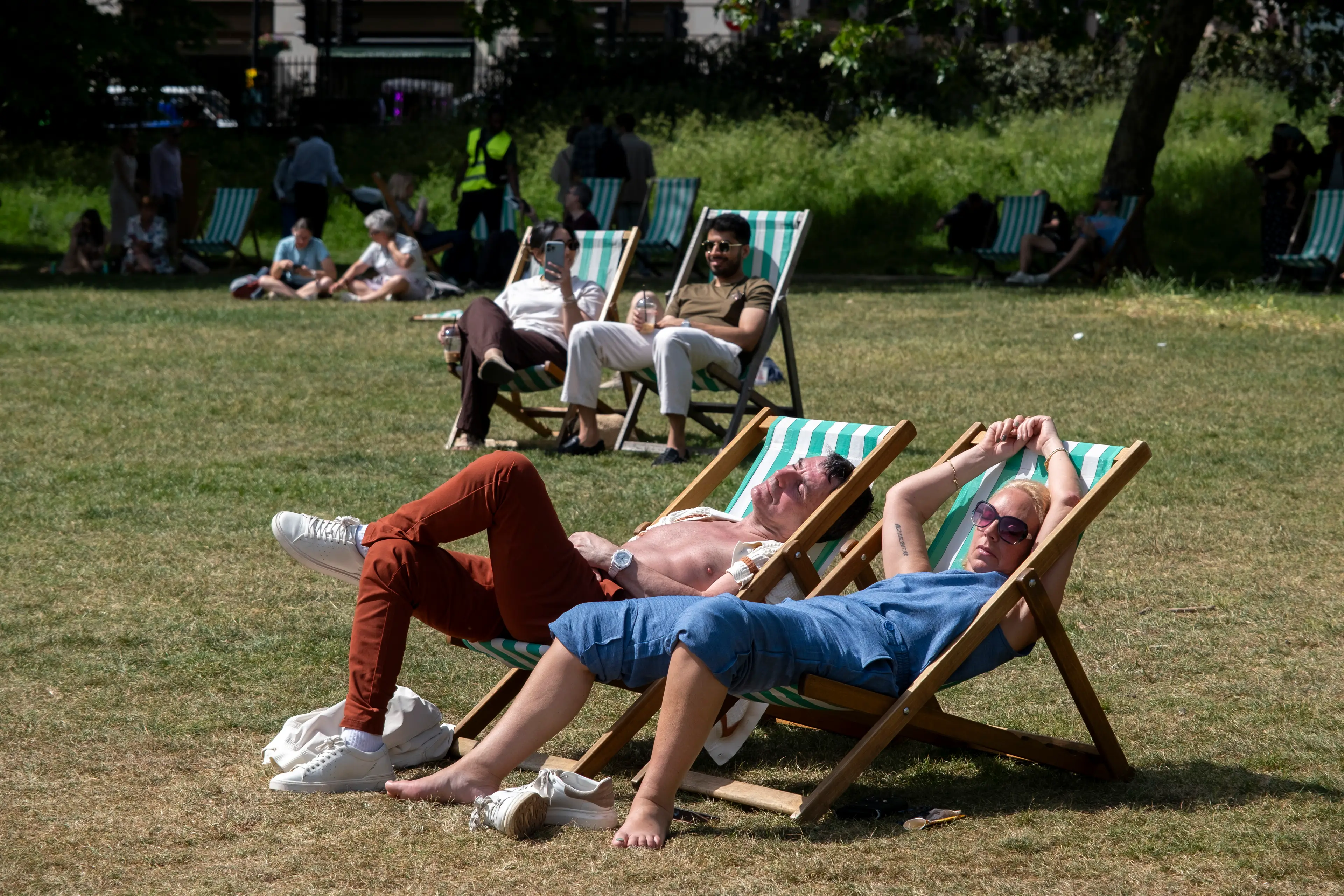
So, a 30-degree day with high humidity in the UK will most likely feel much more uncomfortable than a drier 30-degree day in Europe.
Explaining why 'feeling' counts over statistics in cases like these, climate expert Prof Hannah Cloke explained: "Forecasters and health agencies measure and forecast the effects of temperature, humidity and windspeed on the human body in terms of a 'feels like' temperature, or with indicators such as the Universal Thermal Climate Index (UTCI)."
"Two regions might have identical temperatures, but one might feel OK, while the other leaves people dangerously overheated. Measures like the UTCI can provide planners with a much better understanding of where and when the impacts of a heatwave will be felt."
 Rhianna Benson