
Huge change to abortions in UK proposed as women still being arrested

A landmark move to decriminalise women terminating their own pregnancies could be overturned as legislation is considered in the House of Lords.
There are also proposals to pardon women previously convicted under abortion laws and remove those convictions from their criminal records.
Back in June, MPs in the Commons voted in favour of decriminalisation, with one saying it would remove the threat of 'investigation, arrest, prosecution or imprisonment' for any woman acting in relation to her own pregnancy.
Labour MP Tonia Antoniazzi said she brought forward the amendment to the Crime and Policing Bill after seeing women investigated by police over suspected illegal abortions.
Advert
Now the legislation has moved to the Lords, where a fresh amendment aims to strip out that clause entirely.
Baroness Monckton of Dallington Forest, who tabled the change, said through the Right to Life group that decriminalisation was 'an extreme social change for which there is no public pressure or demand, and could have tragic consequences for women'.

She also called it a 'radical clause', saying it had been 'added to the Bill after less than an hour of debate by MPs, and without the necessary scrutiny required for an issue of such seriousness'.
Peers may also weigh up a separate proposal requiring an in-person consultation before abortion medication can be prescribed for use at home.
At present, women in England and Wales can legally take prescribed abortion pills at home if they are under 10 weeks pregnant.
Such rules were relaxed during the first COVID lockdown in March 2020, allowing phone or video consultations with that approach being made permanent in 2022, covering pregnancies up to nine weeks and six days.
Tory peer Baroness Stroud said in a statement through Right to Life that her amendment would mean an in-person appointment 'would ensure medical professionals can accurately assess a woman’s gestational age, any health risks and the risk of coercion before abortion pills are prescribed'.
Abortion remains a criminal offence in England and Wales, but is permitted up to 24 weeks with approval from authorised providers.
Exceptions beyond that point are rare and include risks to the mother’s life or severe disability.
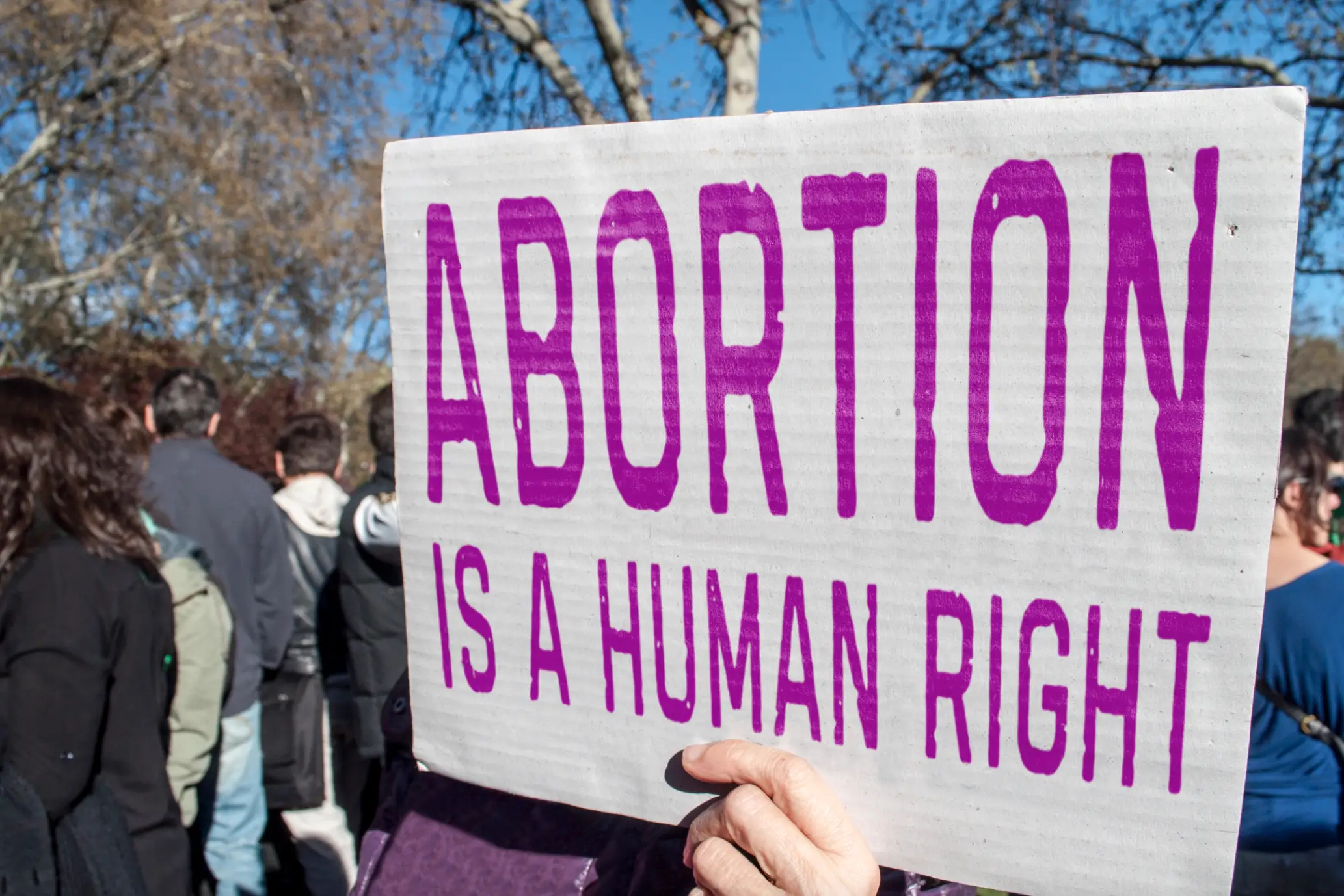
Moves to shield women from prosecution follow ongoing calls to repeal parts of the 19th-century Offences Against the Person Act 1861, particularly after abortion was decriminalised in Northern Ireland in 2019.
Even under the Commons amendment, medical professionals or others involved in abortions beyond the 24-week limit could still face prosecution if the change becomes law.
Archbishop of Canterbury, Dame Sarah Mullally, has said women facing unwanted pregnancies 'should not be prosecuted', while also warning that 'decriminalising abortion can at the same time inadvertently undermine the value of unborn life'.
After the Commons vote last summer, she argued that such 'fundamental reform to this country’s abortion laws should not be done via an amendment to another Bill' and should instead go through 'public consultation and robust parliamentary process to ensure that every legal and moral aspect of this debate is carefully considered and scrutinised'.
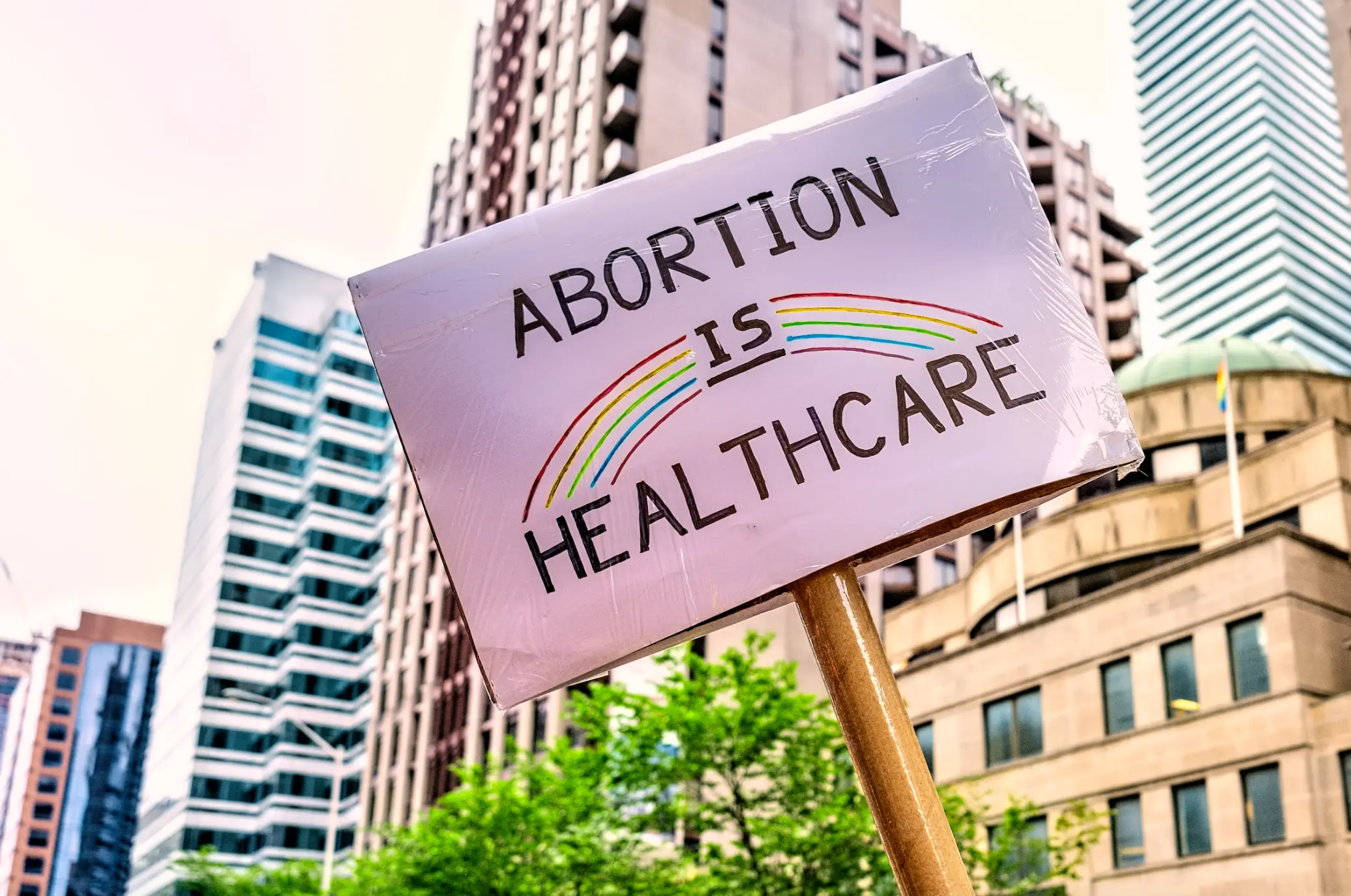
Louise McCudden, from abortion provider MSI Reproductive Choices UK, said: "Abortion is a common, essential healthcare service, and it is unacceptable that women in England and Wales are still being arrested and investigated on suspicion of ending their own pregnancies under a Victorian law created in 1861.
"We know from providing reproductive healthcare across six continents that criminalisation harms women and makes abortion less safe.
"The House of Lords now has a historic opportunity to end the threat of prosecution once and for all, pardon women who have been previously convicted and drop ongoing investigations. At a time when we are seeing rollbacks in reproductive rights around the world, most notably in the US, it’s encouraging that our parliament is standing up for women."
For help, support and advice about abortion, contact the British Pregnancy Advisory Service on 03457 30 40 30, 7am to 6pm Monday to Friday, 8am to 4pm on Saturdays, and 9.30am to 2.30pm on Sundays.
Topics: Crime, Health, Life, Police, Politics, Pregnancy, Sex and Relationships, UK News, Women's Health, News
 Rhiannon Ingle