
PETA shares unexpected warning after deadly sexually transmitted gut infection cases surge

People for the Ethical Treatment of Animals (PETA) has surprisingly weighed in on the surge of Shigella, which has been deemed a ‘distinct public health threat’.
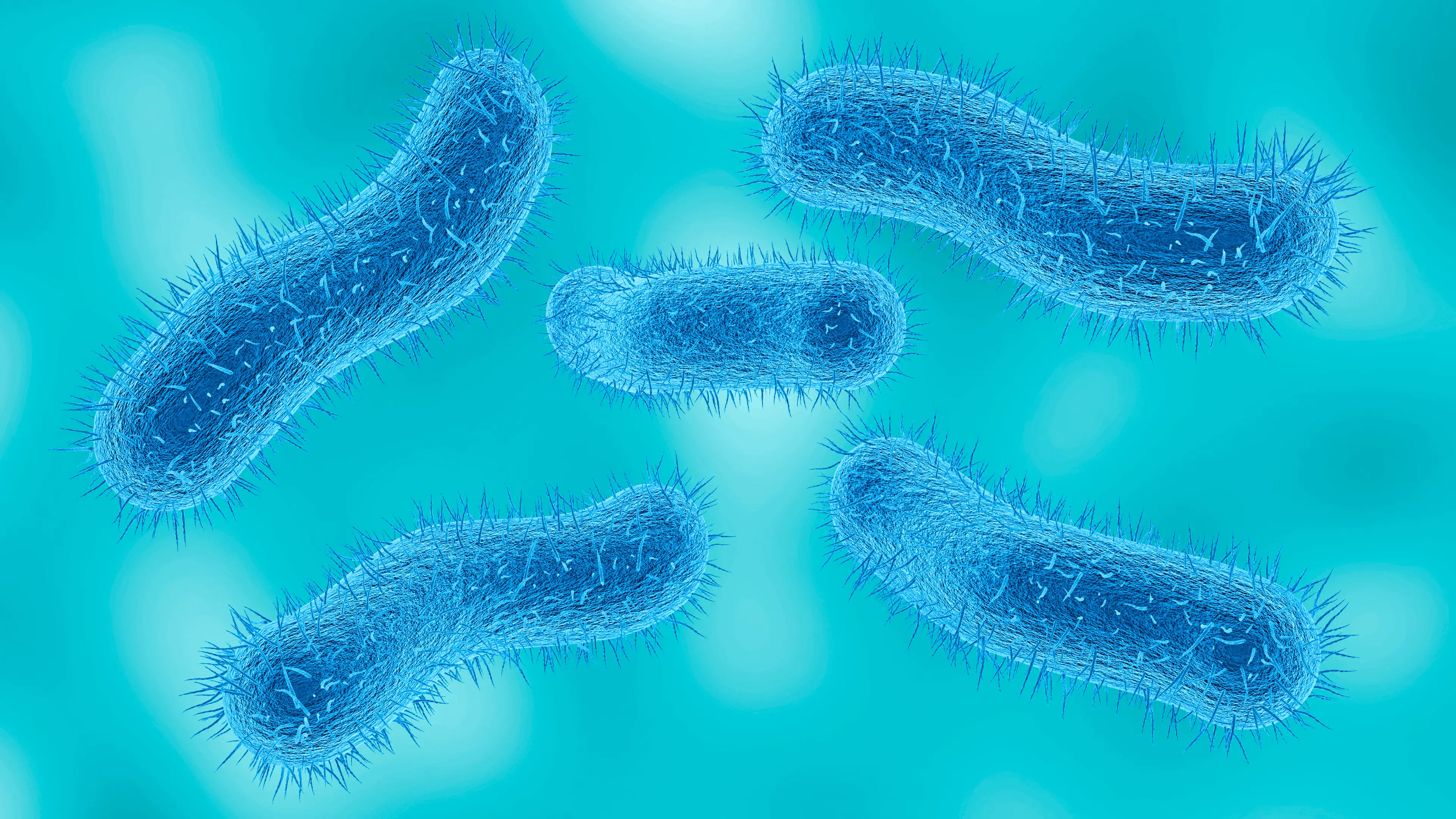
For those who are unfamiliar, Shigella is a bacterial infection that can cause severe diarrhoea and stomach cramps.
The illness is spread from person to person, often by eating food that has been prepared by an infected person or by touching surfaces contaminated by infected faeces.
Shigella can also be a sexually transmitted infection, particularly among gay, bisexual, and other men who have sex with men.
Advert
New UKHSA figures have shown that there were 2,560 cases of sexually transmitted shigella in England in 2025, which is an increase from 2,318 in 2024 and 2,052 in 2023.
As well as the numbers surging, health officials have also warned of a ‘serious and growing problem with antibiotic resistance,’ making it harder to treat.

The two strains that are most commonly spread through sexual contact in England are Shigella sonnei and Shigella flexneri.
Now, PETA has unexpectedly issued a statement on the surge in cases, writing on X on Thursday (9 July): “DIARRHEA EVERYWHERE. Monkeys trapped in labs can develop life-threatening diarrhea caused by Shigella, and that s**t doesn’t stay in the cage.
“It spreads to humans & turns animal labs into disease pipelines.”
In May, PETA released a report highlighting how Shigella is ‘widespread and often unreported or underreported among monkeys in the US experimentation industry’.
They claimed that the findings ‘raise serious public health concerns’ as infected monkeys are often ‘transported among importers, quarantine facilities, breeders, laboratories, and universities across the country’.
PETA alleges that the Centers for Disease Control and Prevention is failing to acknowledge that ‘primates are a documented source of infection’.
They wrote in their report: “The CDC cannot warn the public about rising drug-resistant Shigella infections while withholding information.”
What are the symptoms of Shigella?
As per the NHS, Shigella symptoms usually start one to three days after infection and can last up to a week.
They include:
- Watery diarrhoea – sometimes containing blood, mucus or pus in severe cases
- Feeling sick or being sick
- Abdominal pain
- High temperature (fever) over 38°C (100.4°F)
- Feeling down or depressed
Dr Giuseppe Aragona, GP and medical adviser for Prescription Doctor, told Tyla: “Symptoms usually develop within a few days of exposure and, whilst many people recover within a week, the illness can be particularly unpleasant and occasionally severe enough to require hospital treatment, especially in young children, older adults, or those with weakened immune systems.
“Persistent diarrhoea, signs of dehydration such as dizziness or reduced urine output, or significant blood in the stool should always prompt medical assessment.”
How to reduce your risk of Shigella
He explained that the best way to reduce your risk of catching the infection is to have ‘good hand hygiene, particularly after using the toilet and before preparing or eating food, ensuring food is prepared safely, and drinking clean water when travelling to areas where sanitation may be poorer’.
The doctor said: “If you have diarrhoea, it is important to avoid preparing food for others until you have fully recovered and to stay well hydrated.
“Where Shigella may have been acquired through sexual contact, avoiding sexual activity until symptoms have completely resolved and practising good hygiene before and after sex can help prevent passing the infection on.
“Anyone with persistent symptoms, severe illness, or concerns about sexual transmission should seek medical advice promptly, both to confirm the diagnosis and to help reduce further spread within the community.”
Tyla has contacted the CDC for comment.
 Madison Burgess