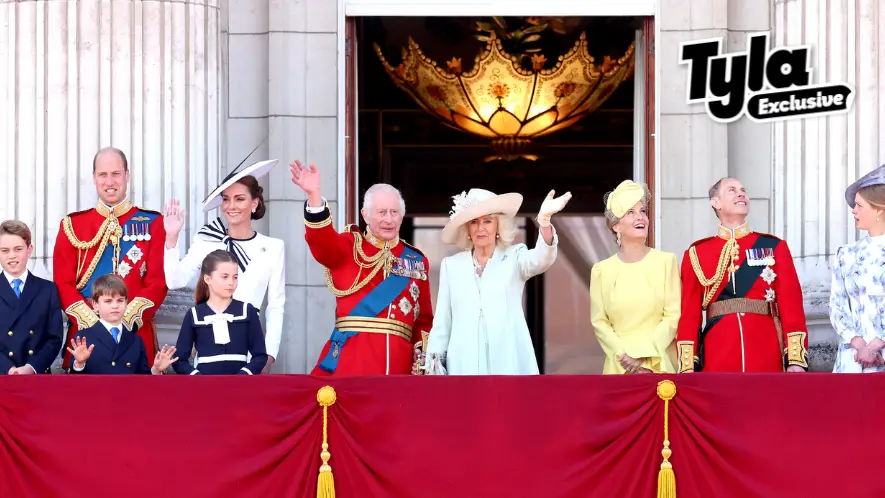
Royal Family's 'secret weapon' is becoming a champion for women and here's what she actually does

There's one member of the Royal Family who has quietly carved out a role putting women at the heart of some of the world's biggest issues.
She's travelled to countries affected by war, met women who have survived sexual violence and spoken to peacebuilders working on the ground in some of the world's most difficult conflicts.
And this weekend, she'll attend a glamorous London event before heading to The Hague, Netherlands, for an international forum dedicated to women, peace and security.
She's also been dubbed the Royal Family's 'secret weapon' - although, interestingly, she's not entirely convinced by the nickname herself.
Advert
We are, of course, talking about Sophie, Duchess of Edinburgh.
The wife of Prince Edward has become one of the monarchy's busiest working royals, undertaking hundreds of engagements and supporting more than 70 charities and organisations.
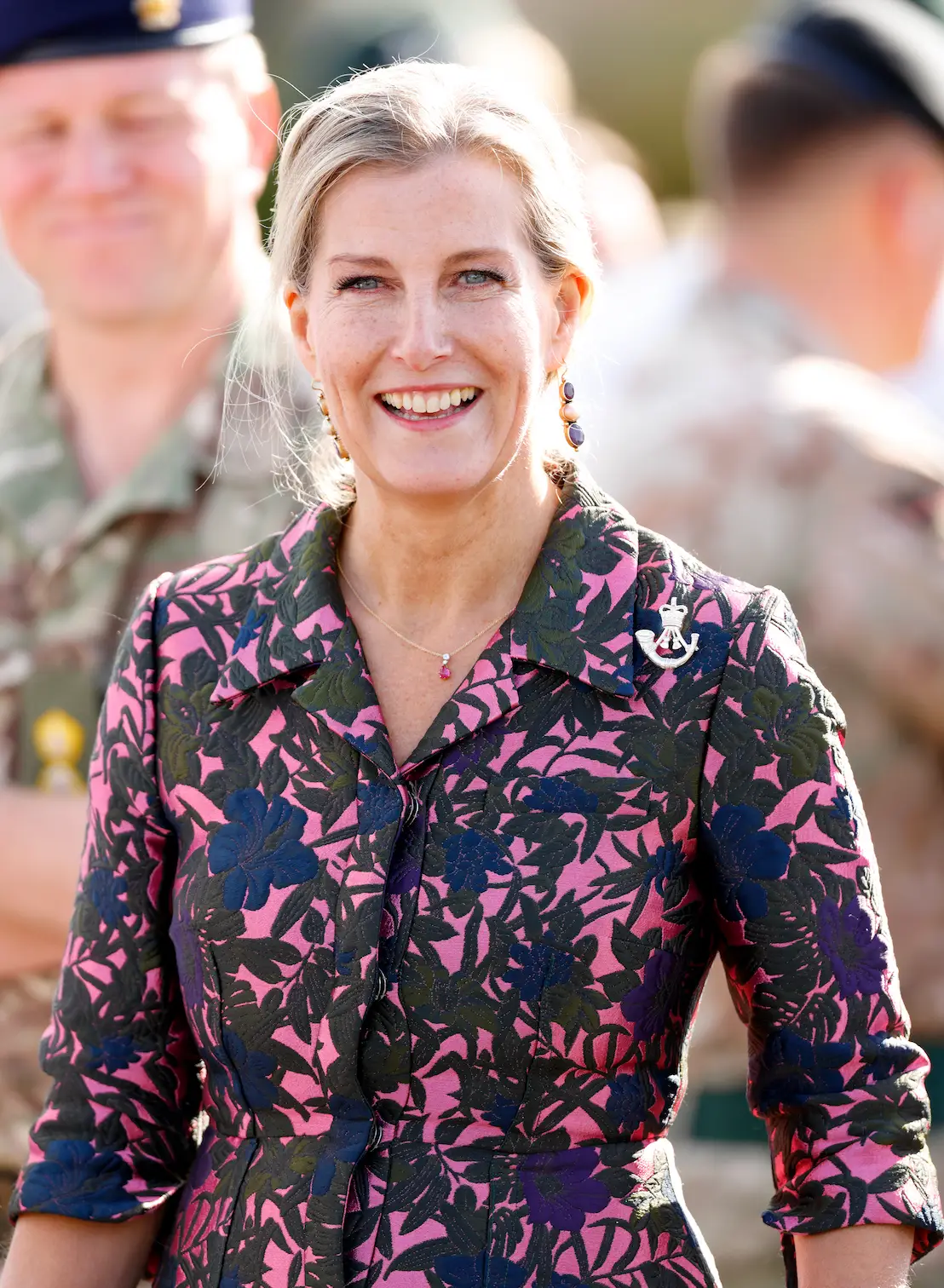
'Sophie is effective - but remarkably understated'
But while her work spans everything from disability and sight loss to young people and the environment, supporting women has become one of the clearest threads running through her royal role.
And this week, that work will once again take centre stage.
As we say, on Saturday (26 Sept), Sophie will attend the OSCAR Foundation Ball at London’s Nobu Hotel, before travelling to The Hague on 29 September to attend the International Civil Society Action Network Forum as the Royal Family’s Champion for Women, Peace and Security.
It's a role she has been building for years.
And according to royal etiquette expert Laura Windsor, there is a reason Sophie has quietly become such an important figure within the monarchy.
"Sophie is known as the royal family’s 'secret weapon', of course it’s not to be taken literally," she told Tyla this week. "What is meant by this, is that she has unexpectedly become a real asset to the Royal Family because she is extremely effective at what she does, while remaining remarkably understated.
'She doesn't demand attention for herself'
"She isn’t one of the most prominent members of the Royal Family, but she is doing a great deal of useful work, much of it quietly and without demanding attention for herself."
The 'Queen of Royal Etiquette' noted: "And, from a protocol perspective, that is very powerful."
Rather than being handed one defining cause when she became a working royal, Sophie has gradually found her own areas of focus - something she has previously described as finding her 'direction of travel'.
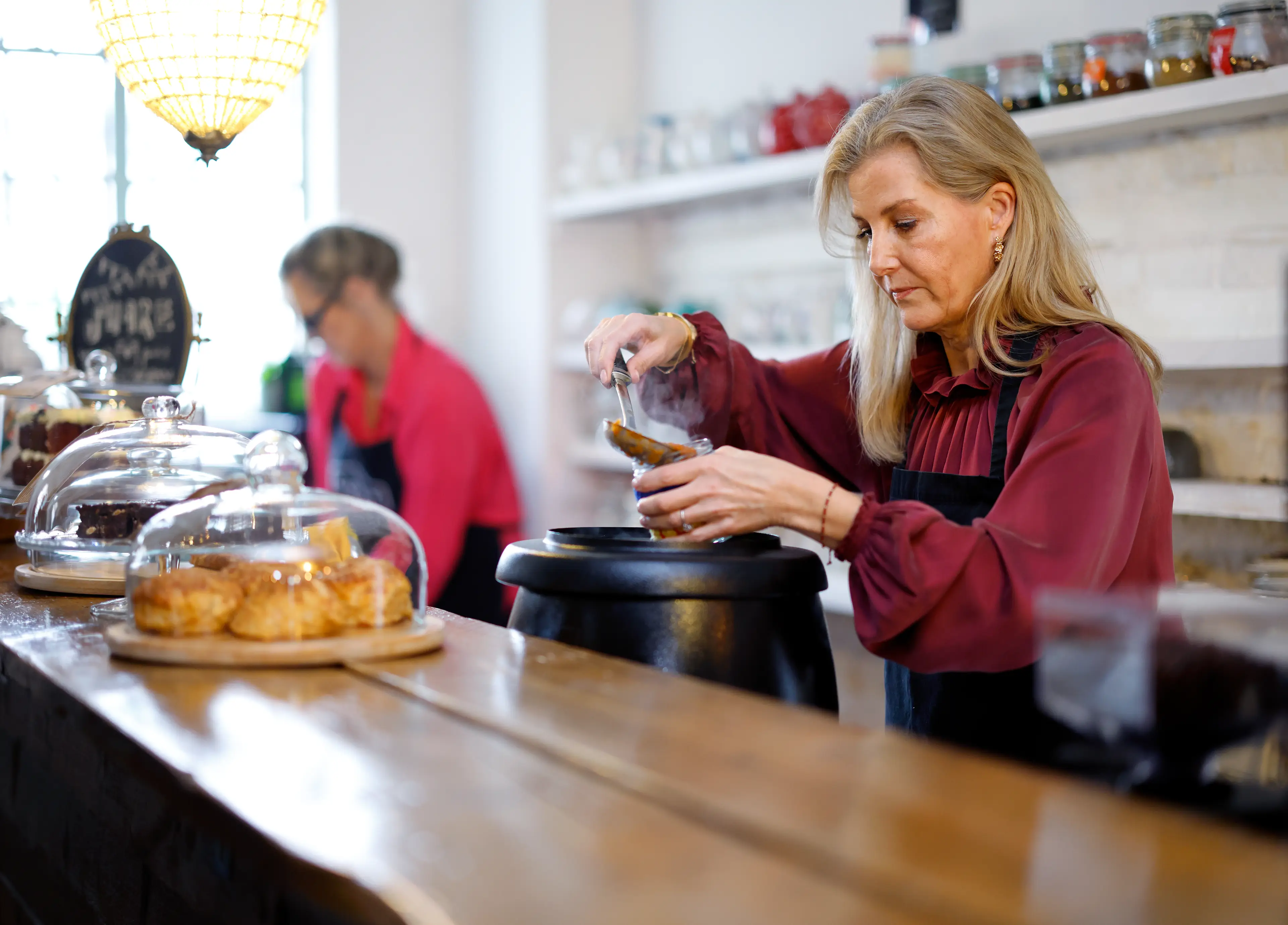
Speaking about how she carved out a role for herself within the monarchy, she explained that she would repeatedly find another member of the Royal Family already working in an area she was considering, before eventually looking at what she had been doing herself.
That has led to a portfolio which increasingly centres on women, from their health and careers to their role in peacebuilding.
'The Duchess is a very safe pair of hands'
And Windsor believes finding that purpose has been crucial.
"I think it is very important because it gives a royal a sense of purpose," she told us. "Sophie has found a cause and is quietly getting on with it. She doesn’t make a great deal of fuss. She simply uses the position she has been given to do the work."
That position, she says, also gives Sophie something most people working on these issues simply do not have - access.
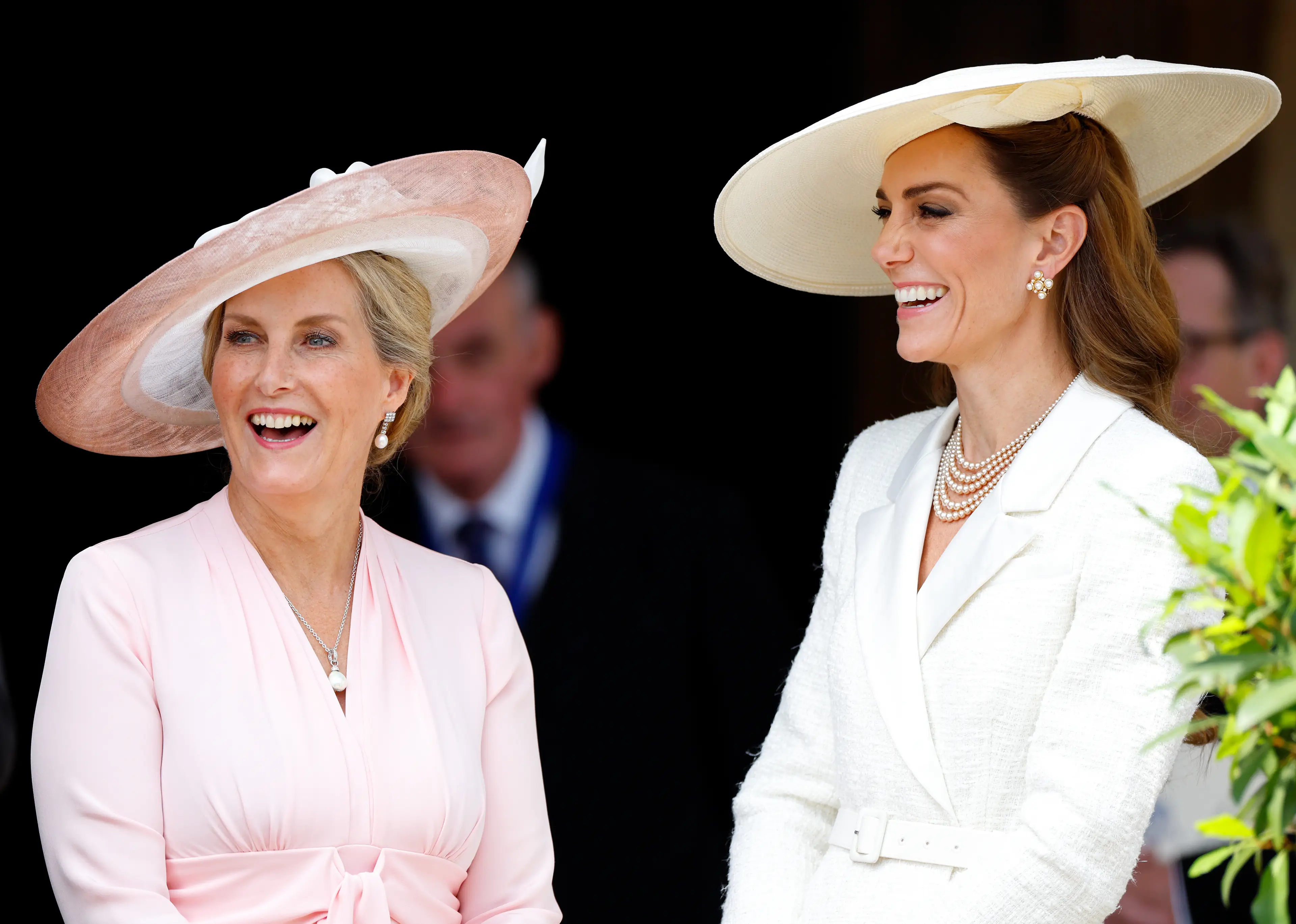
"From a royal protocol perspective, that is really important, because a member of the Royal Family has access to people, organisations and platforms that most people simply don’t have," Windsor went on. "When that access is used effectively, it can give a cause incredible visibility."
And it is that consistency which has earned Sophie praise from royal experts.
Royal author Katie Nicholl has previously described her as 'a vital cog' in the Royal Family, and a 'very safe pair of hands', telling OK!: "People say she is the 'secret weapon' within the monarchy, and I think that’s absolutely true.
'Like Kate, Sophie has been waiting in the wings'
"She’s always there at pivotal moments to help steady the ship."
Royal commentator Ingrid Seward has similarly pointed to the years Sophie spent working away from the spotlight.
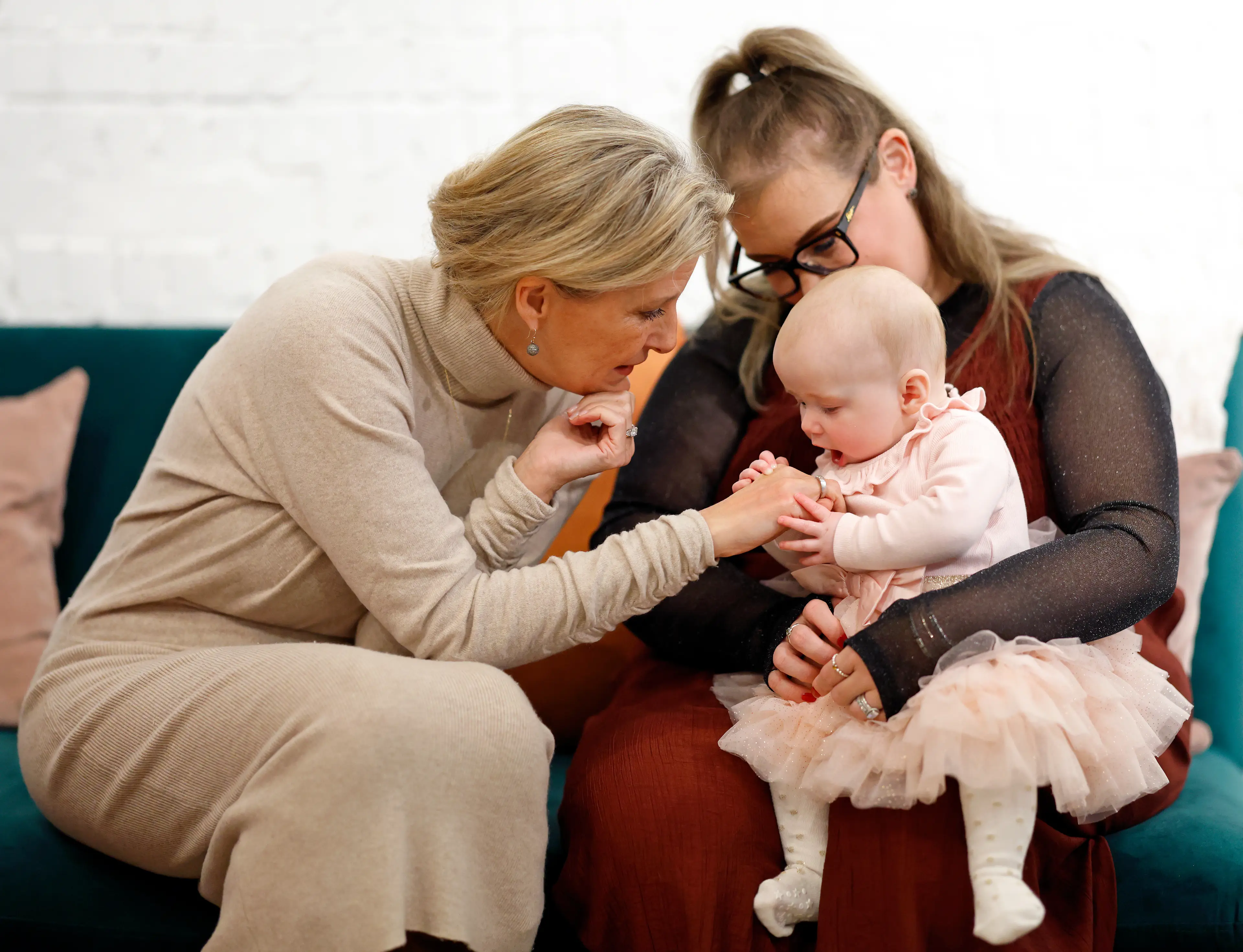
"Like the Princess of Wales, Sophie was waiting in the wings for years," she told Entertainment Daily, adding that the Duchess had been 'plugging away behind the scenes' and had 'earned every ounce of respect she now has'.
It is a reputation which Sophie herself seems slightly bemused by.
When asked about being labelled the Royal Family's 'secret weapon', she insisted: "I like to fly under the radar."
Sophie went on to tease: "It's all very well being a secret weapon, but if no one knows, maybe it’s too secret."
And rather than embracing the idea that the mother-of-two is some kind of behind-the-scenes power player, Sophie insisted she did not see herself as being in a 'frontline position'.
'She understands that her role is to support King Charles III'
Still, she acknowledged that the shrinking number of working royals means she is becoming increasingly visible.
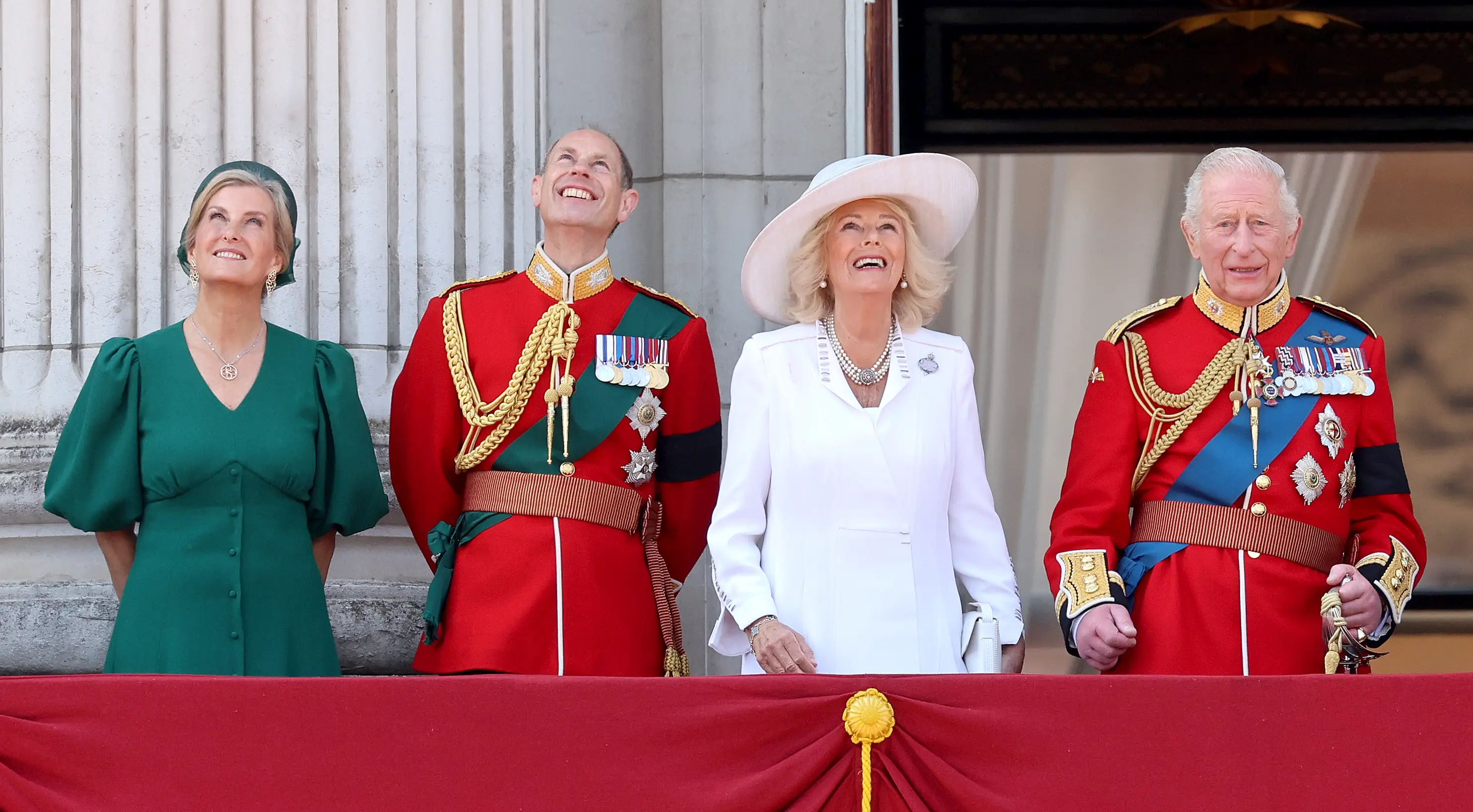
"I suppose I should take it as a backhanded compliment," Sophie noted. "I just wonder what they are going to describe me as next."
For Windsor, that understated approach is precisely what makes the nickname so fitting.
"She understands that her role is to support the institution rather than make herself the centre of the story," she continued. "That is a very important distinction. Her relatively low profile is actually part of her strength.
"She embodies many of the qualities that are crucial when representing the institution: discretion, consistency and diplomacy."
There is perhaps another reason Sophie has become such a natural fit for work centred around women - she has been willing to talk about issues that many women experience themselves.
'Sophie is a spokesperson for the realities of womanhood'
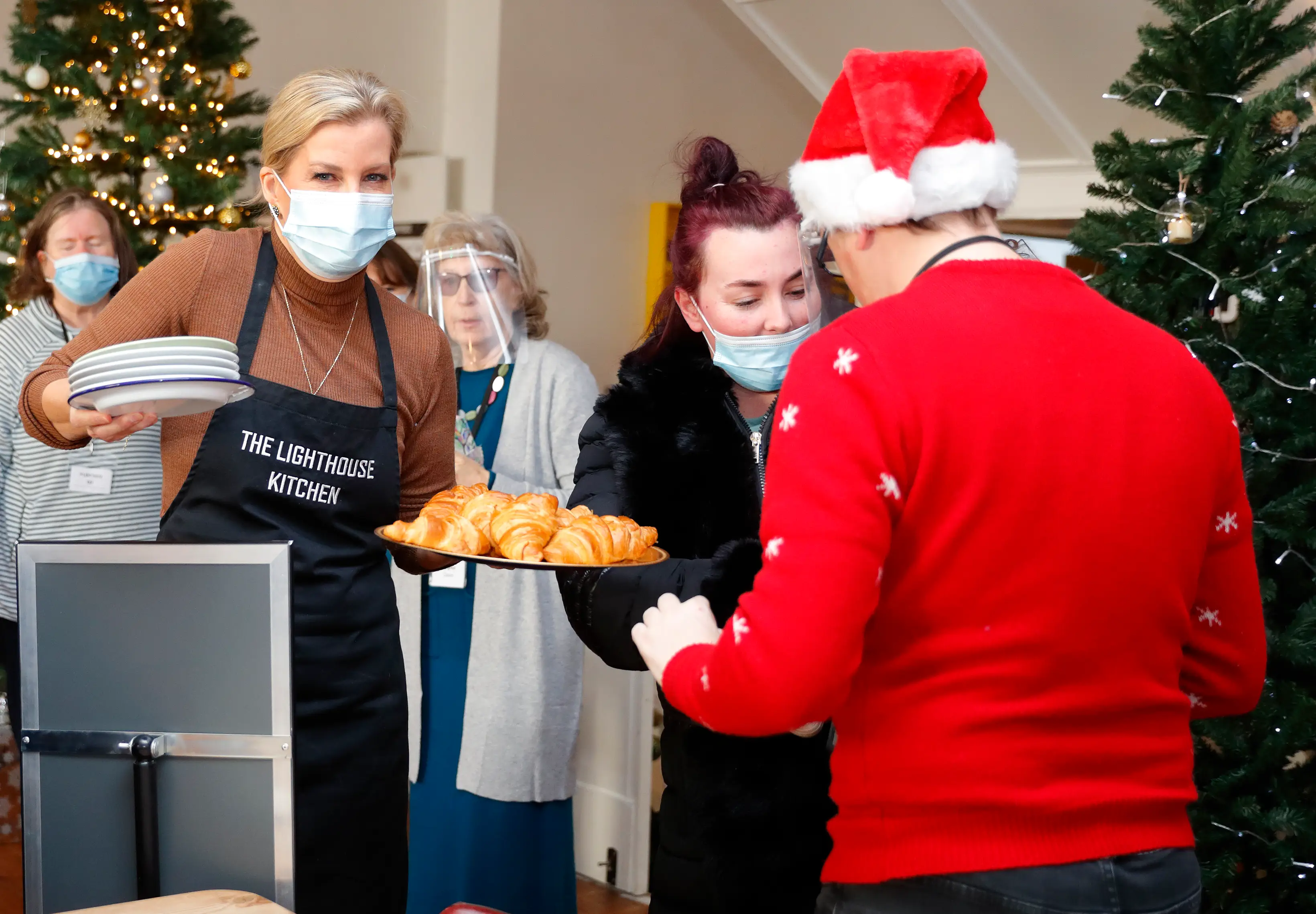
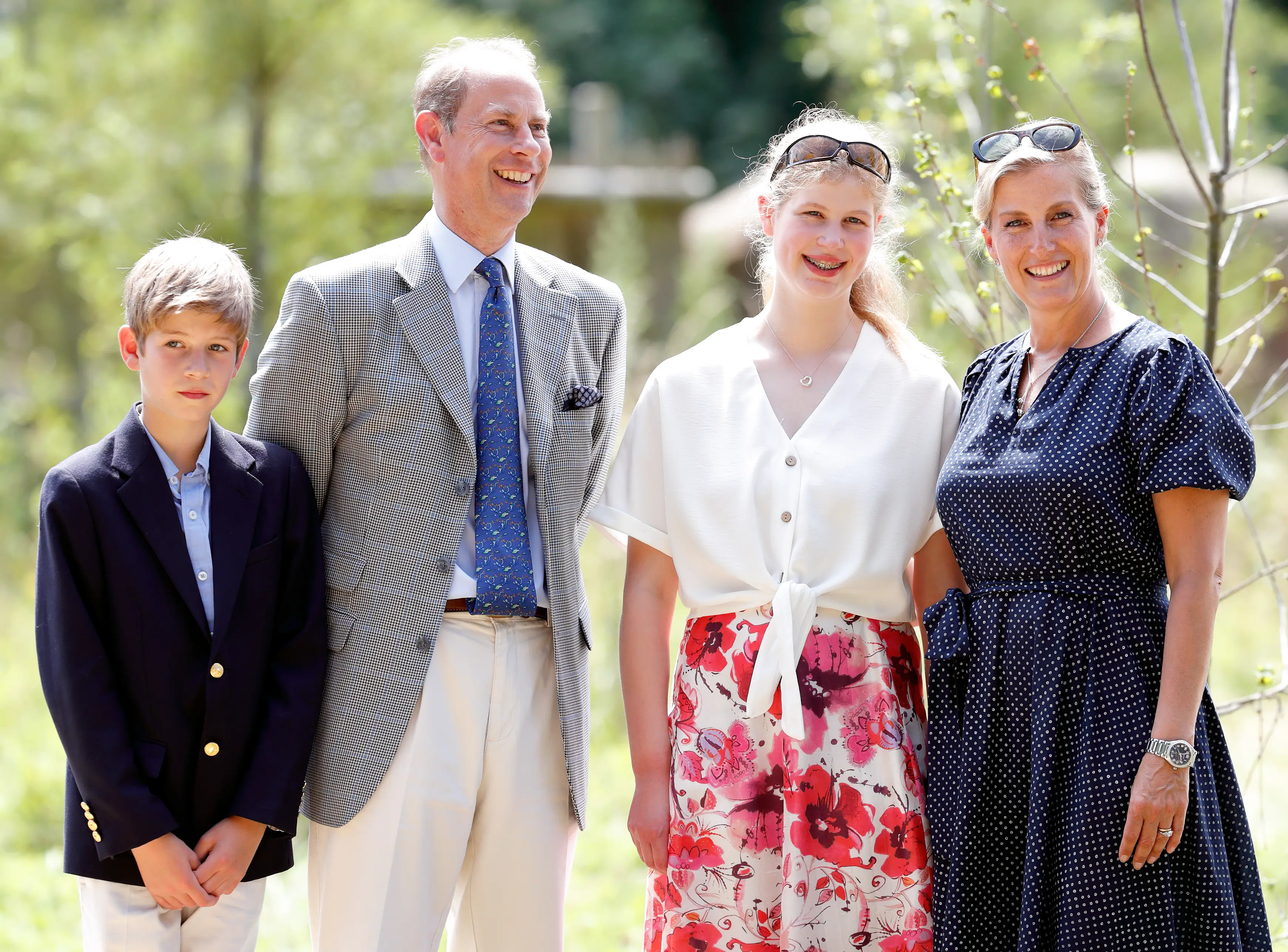
As Patron of Wellbeing of Women, she has spoken unusually candidly about periods and menopause, including her own experience of dealing with brain fog while carrying out royal engagements.
"You suddenly can't remember what on earth you were talking about," she said, describing the feeling of losing her train of thought during an engagement.
But it was her decision to talk about the subject publicly that made the moment particularly striking.
"We all talk about having babies. Nobody talks about periods. Nobody talks about the menopause. Why not?" Sophie asked.
Sophie has also spoken about the effect menopause can have on women's working lives, arguing that women should not feel they have to disappear from the workplace as they get older.
"To think that women are having to leave the workplace because of this is just tragic," she said.
'She highlights work done by other powerful women'
But while her work on women's health has brought issues affecting women in Britain into the spotlight, some of Sophie's most significant work has taken her much further from home.
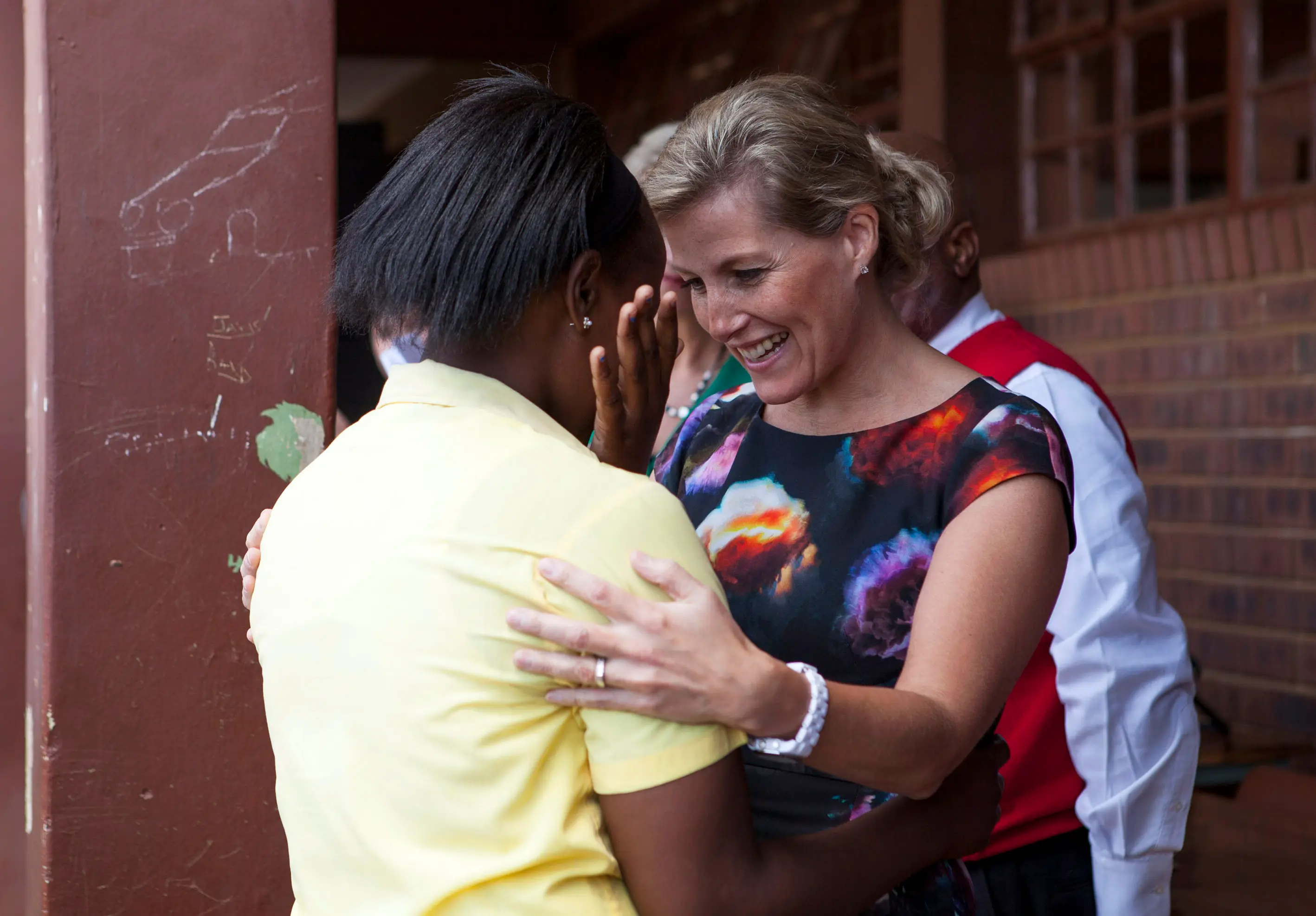
Her role as Champion for Women, Peace and Security has seen her travel across Africa, including visits to Kenya and the Democratic Republic of Congo, where she has met women affected by conflict and heard first-hand about the challenges they face.
During a visit to the Democratic Republic of Congo, Sophie met survivors of sexual violence and women working to support others who had experienced horrific abuse.
She has also travelled to Kenya to meet women involved in peacebuilding and development, using her visits to draw attention to the role women are already playing in their communities.
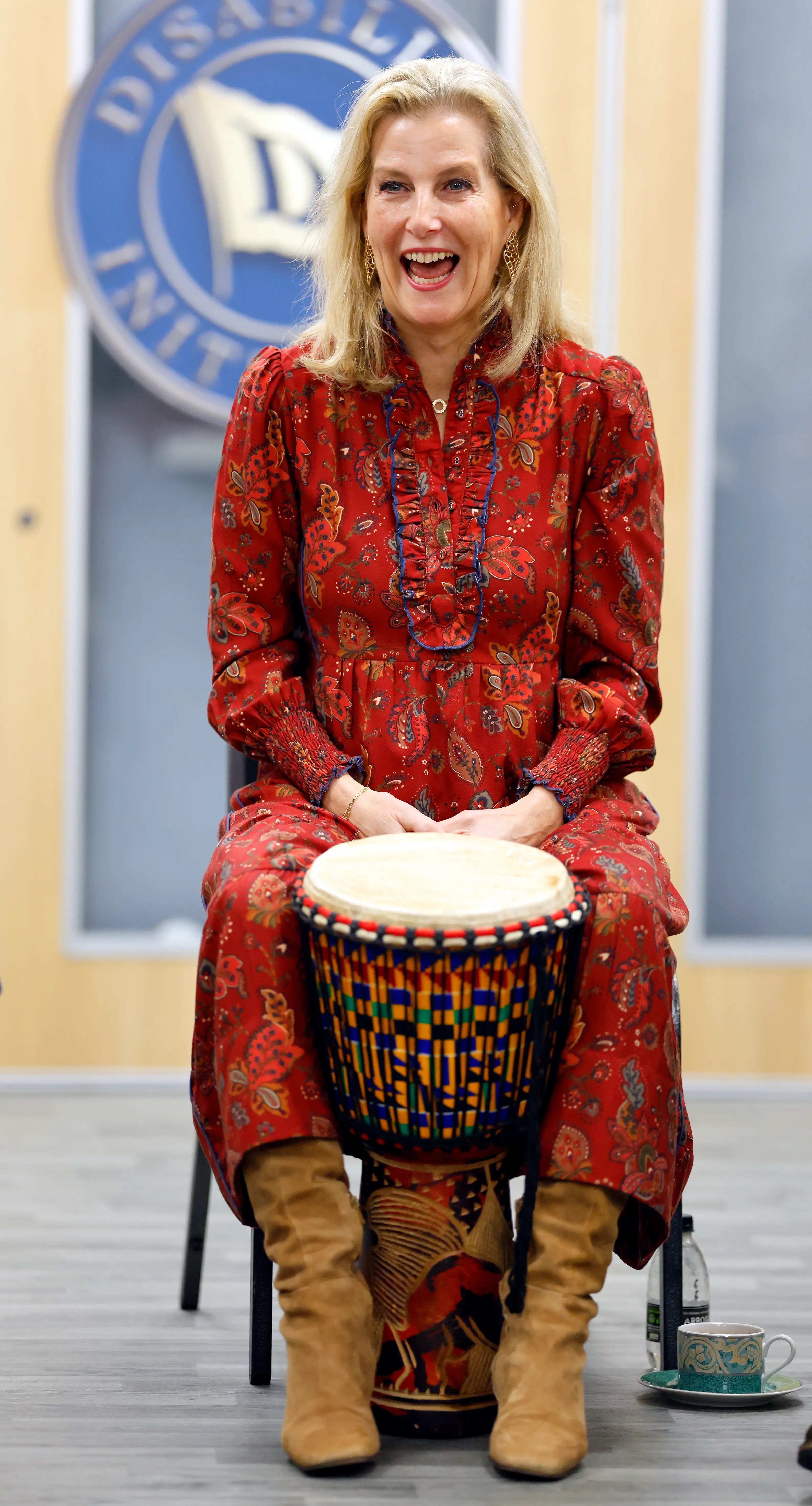
It is a point Sophie has repeatedly returned to when discussing her international work.
'The Duchess isn't just making speeches - she's making changes'
"We have the most incredible women who work within communities at all levels of society," the Duchess said at the time, explaining that women are often 'at the frontline of ensuring that peace is secure', and that their communities are looked after.
For Sophie, the problem is not simply that women are affected by conflict - it is that they are too often missing from the rooms where decisions about peace and security are made.
"We try to get them around the peacekeeping tables as much as possible," she added.
And Windsor says that listening to those women is a key part of what Sophie is now bringing to her international role.
"This isn’t simply a platform for speeches," she explained. "It’s a forum that brings together women peacebuilders from conflict-affected countries, together with policymakers and international organisations, to listen, exchange ideas and find ways to support and strengthen the work that is already being done on the ground.
'Like Princess Anne, she carries out her role with a tremendous sense of duty'
"What distinguishes Sophie is that she’s saying, essentially, 'I’m here to listen to the women who are actually doing this work, and I’m here to help in whatever capacity I can.'"
Earlier this year, Sophie explained that part of her role is to visit countries facing difficult circumstances, but also to make sure the work already being done by people there is not overlooked.
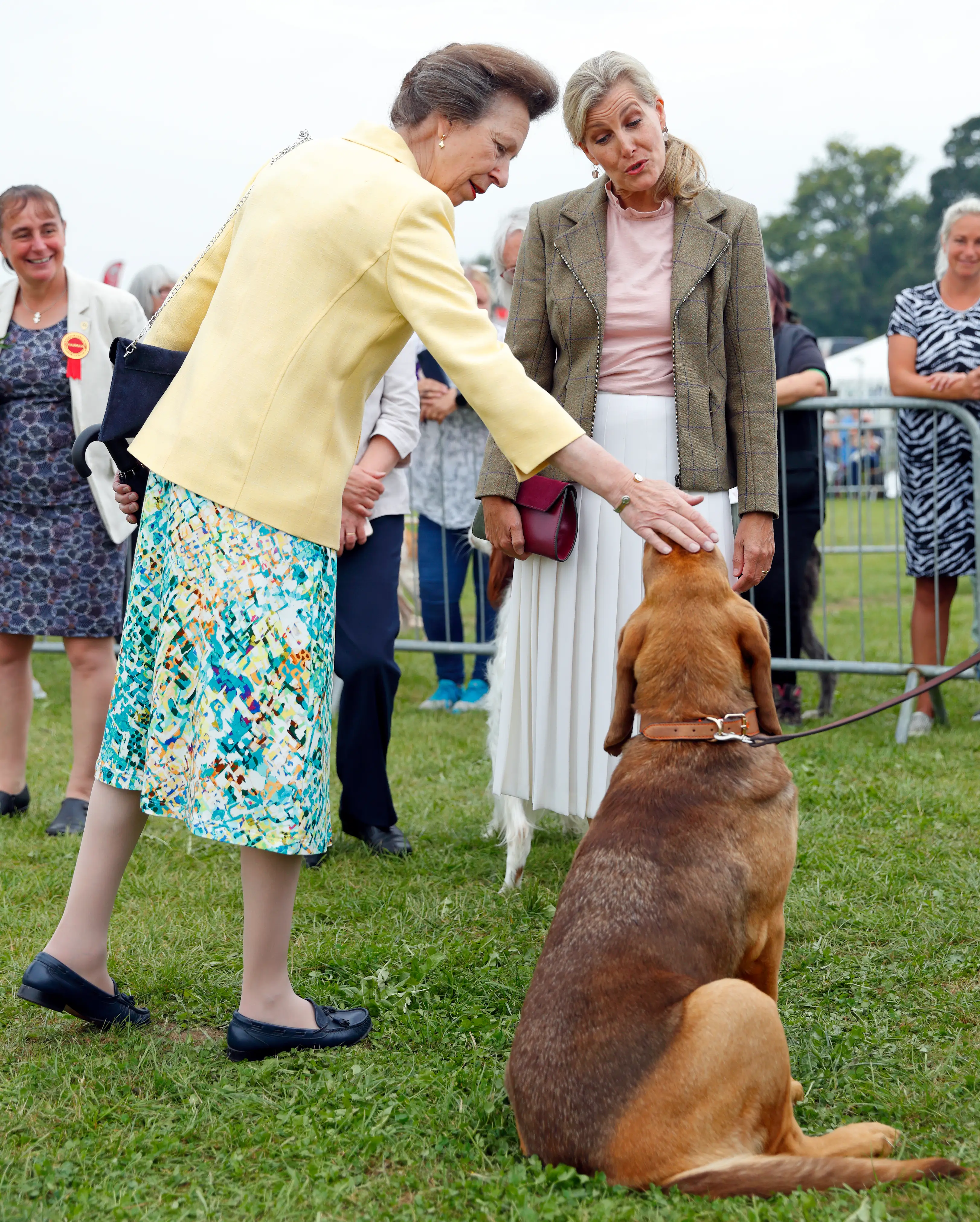
"I spend quite a lot of time going to difficult countries, trying to highlight the work that is going on there, some of the problems they are facing and also trying to highlight some of the good practice that exists out there," she went on.
Windsor also draws a comparison between Sophie and another member of the Royal Family known for her understated approach to duty.
"Princess Anne is another very good example," she noted. "She has always been incredibly stoic, carried out her role with a tremendous sense of duty, and has never appeared particularly interested in the spotlight.
'Sophie behaves in a way that the media finds difficult to sensationalise'
"And I think people like Sophie and Anne deserve to be publicised more, since today it seems that often controversy generates publicity and good behaviour doesn’t."
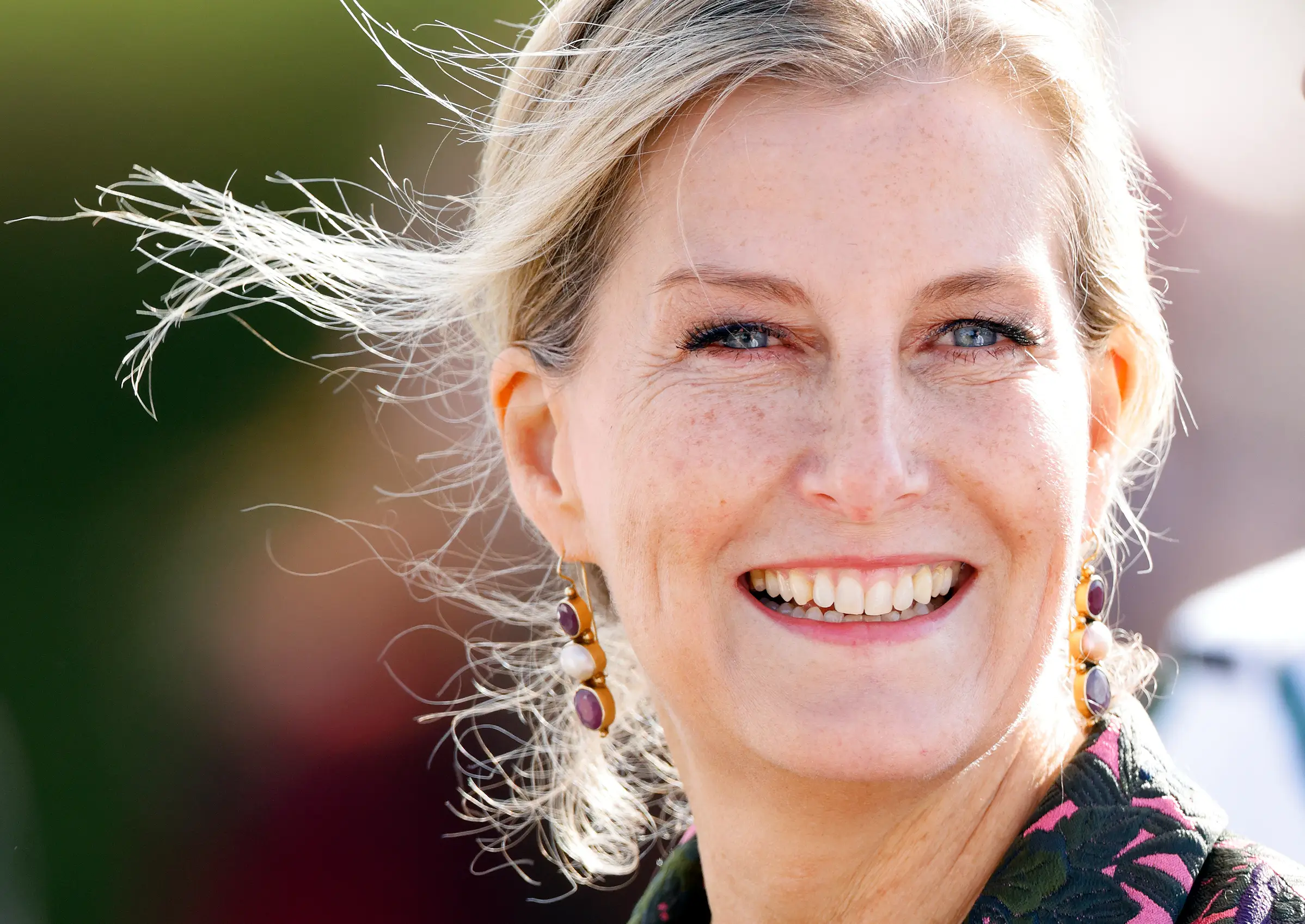
She added: "You don’t see Sophie splashed across the media because she behaves in a way that the media finds difficult to sensationalise. She reflects the values the late Queen upheld throughout her life: dignity, discretion and a quiet sense of duty."
And Sophie herself has previously explained that supporting the King and monarchy is only one part of her job.
"My role, as with all members of the family, is to primarily support the King and the monarchy," she explained. "But also, we're lucky enough to be able to fulfil our passions and our interests and these over my time as a member of the Royal Family have developed."
For Sophie, those interests have developed into a remarkably broad body of work, but with women increasingly at its centre.
And Windsor believes the public is finally beginning to see what that work amounts to.
'She's not just Prince Edwards' wife'
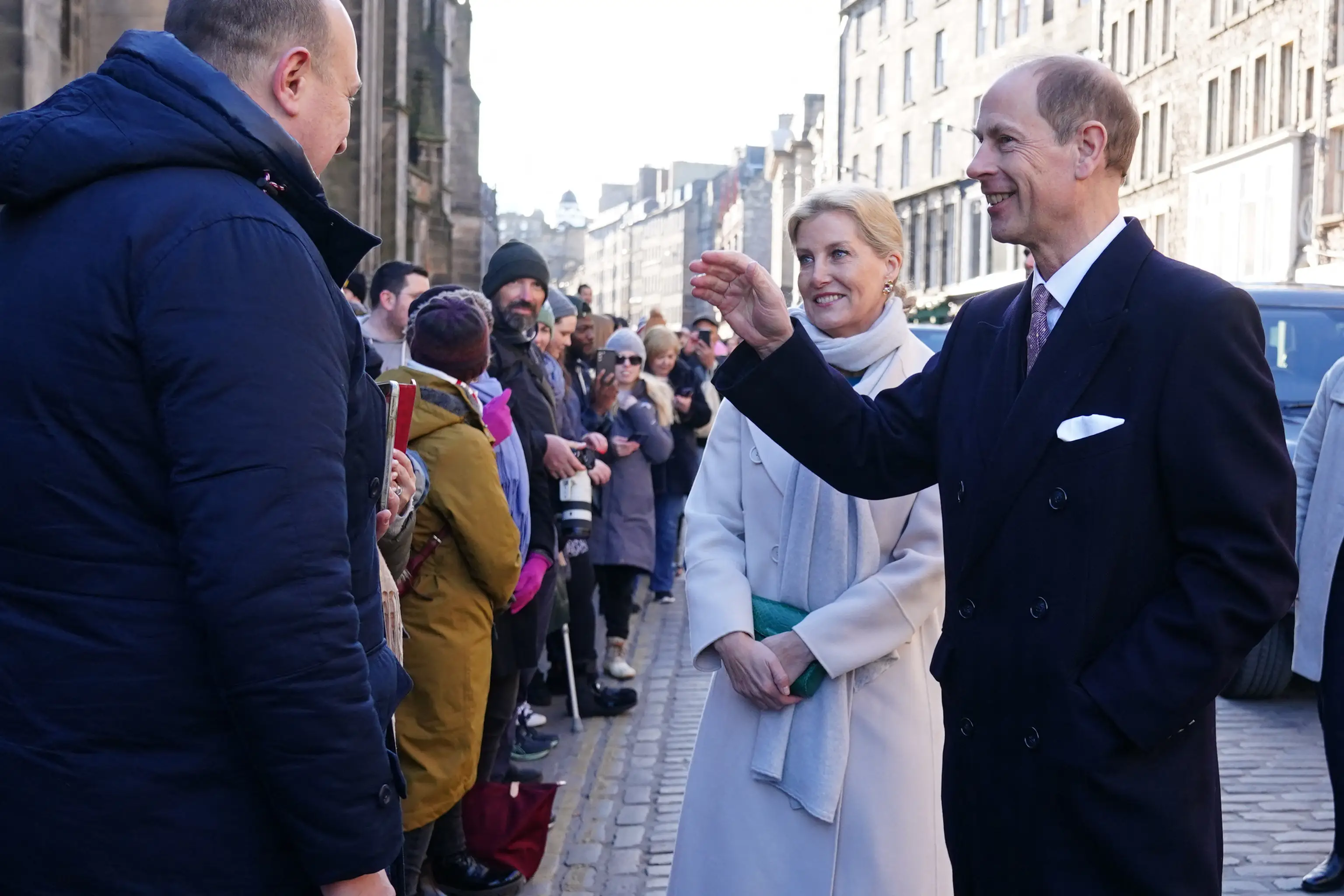
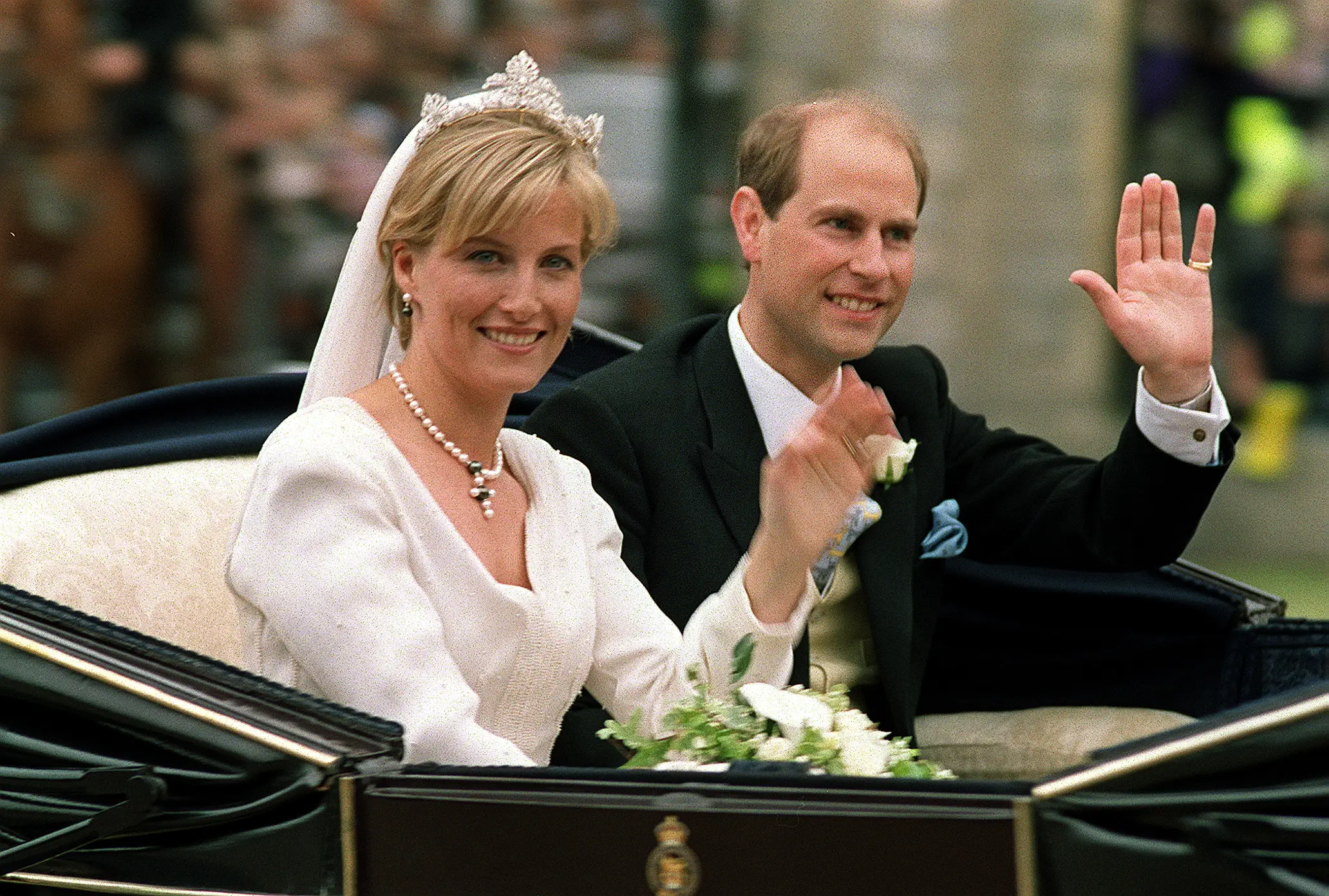
"I think the public now has a clearer understanding of what she can offer the Royal Family; before she was just seen as Prince Edward’s wife," she said. "Over the years she has consistently behaved with discretion and decorum and respect and that matters when you are representing the institution.
"This is not about her becoming a famous royal but a useful one. She is slowly being recognised for the work that she does."
From speaking openly about the menopause in Britain to sitting with women whose lives have been transformed by conflict abroad, there is a clear thread running through the Duchess's work - giving women a platform in places where their voices can too easily be overlooked.
And this weekend will offer another glimpse of that evolution.
She'll begin at the OSCAR Foundation Ball before heading to The Hague for the ICAN Forum, where she will continue her work championing women's participation in peace and security.
So perhaps the Royal Family's 'secret weapon' isn't really a secret anymore.
Topics: Royal Family, UK News, King Charles III, News
 Rhianna Benson