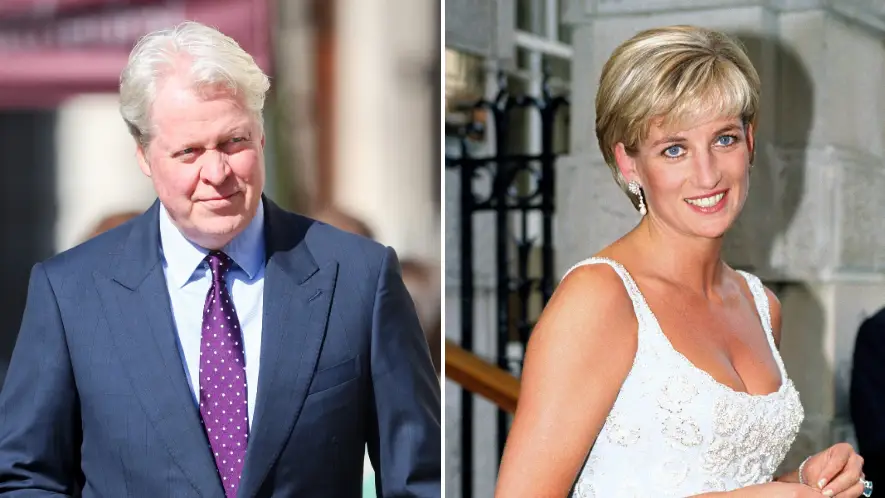
Charles Spencer addresses conspiracy theories surrounding Princess Diana’s death

The Earl Spencer has finally addressed one of the biggest unanswered questions surrounding his sister's death.
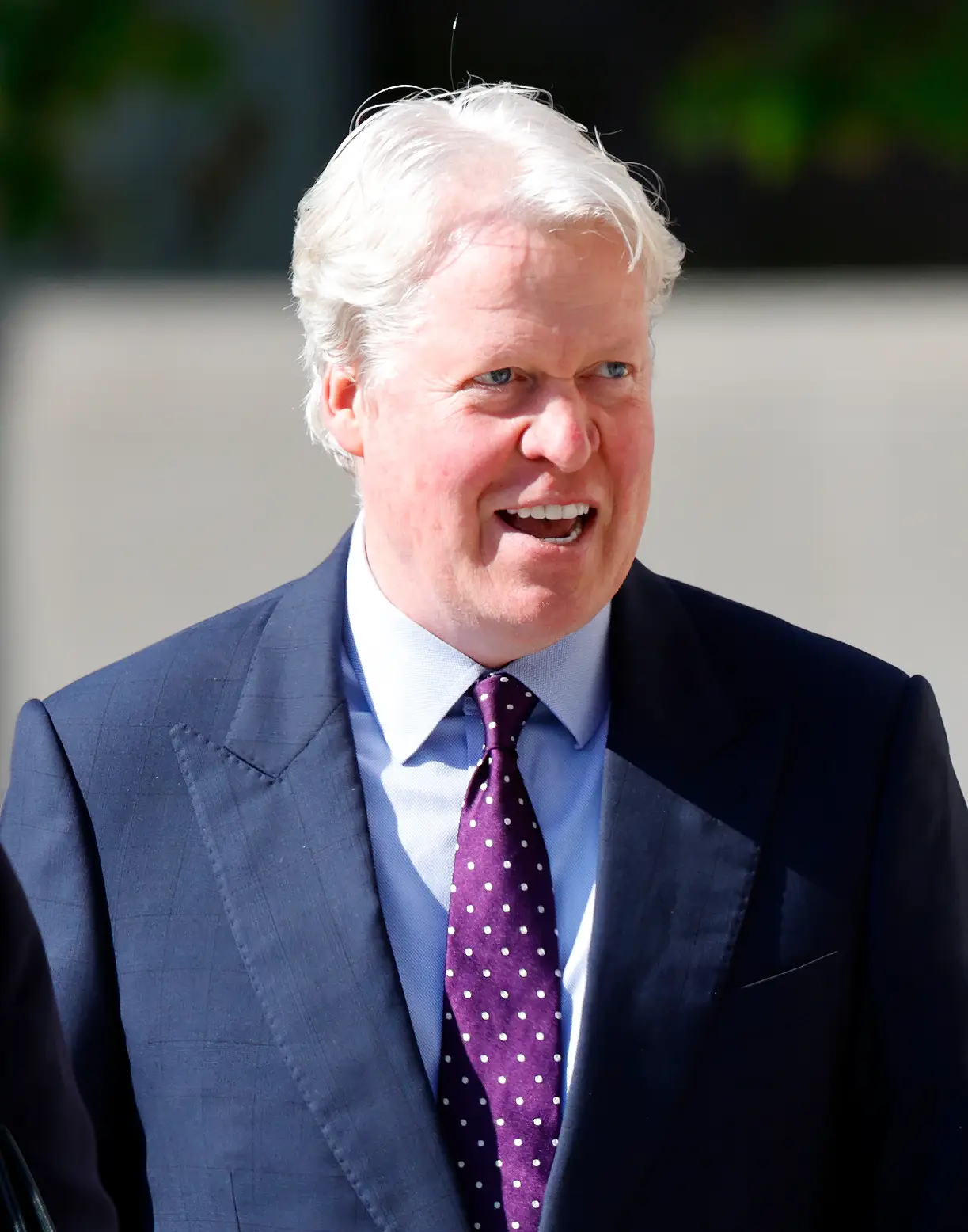
Charles Spencer spoke to press ahead of the release of his widely-anticipated, tell-all memoir, Swan Song: Diana, My Sister, which was released to the public today (22 Sept).
The book has attracted huge attention in the run-up to its release, not least because of just how close Spencer was to the late Princess Diana - and because it covers the final chapter of her life, including the events surrounding her death and funeral.
Spencer, 62, was just as candid when speaking to PEOPLE about the memoir, which he says is his attempt to put his own memories of Diana on record and correct what he believes are misconceptions about her.
Advert
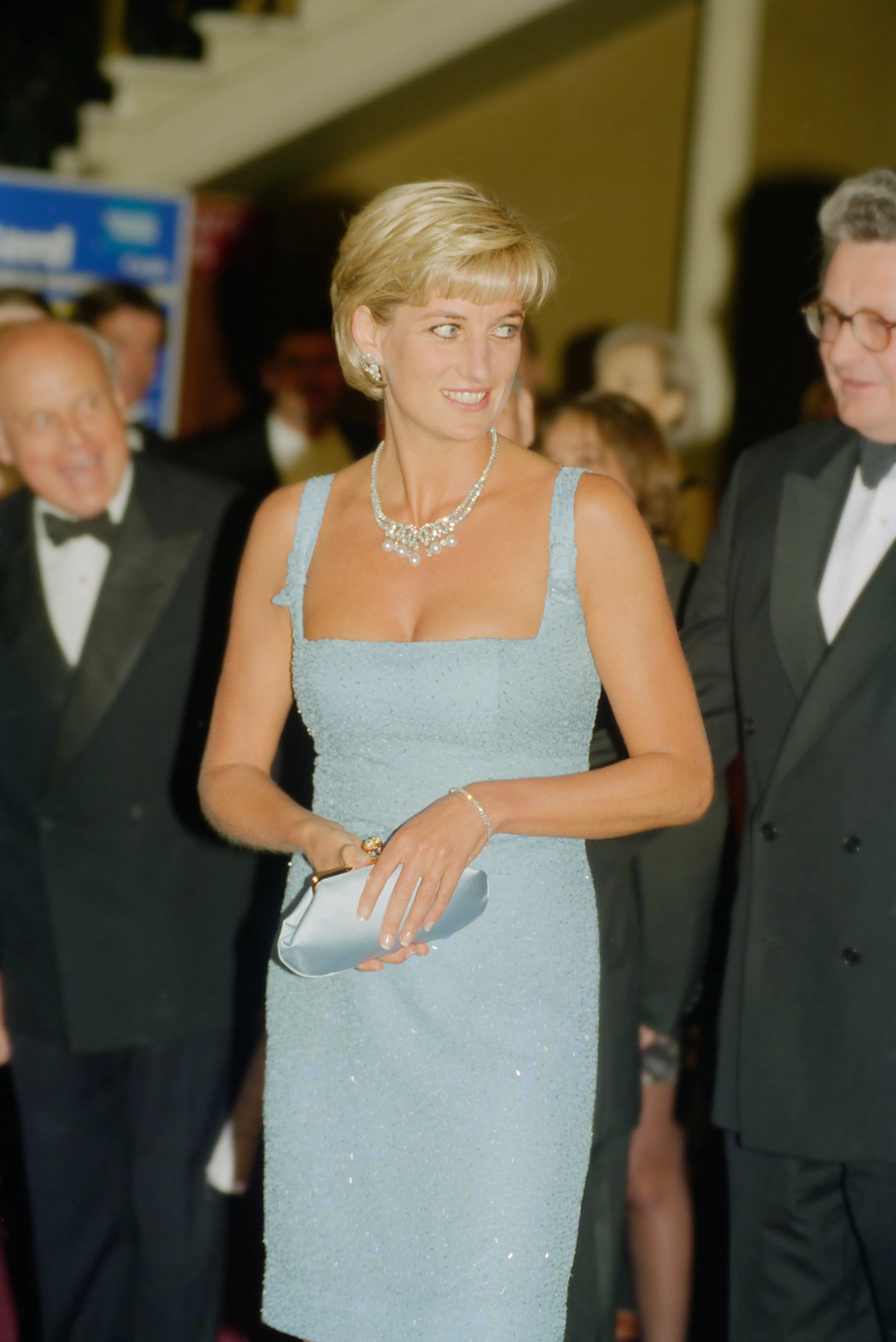
And, unsurprisingly, one question was always going to come up - what does he really think happened that night in Paris?
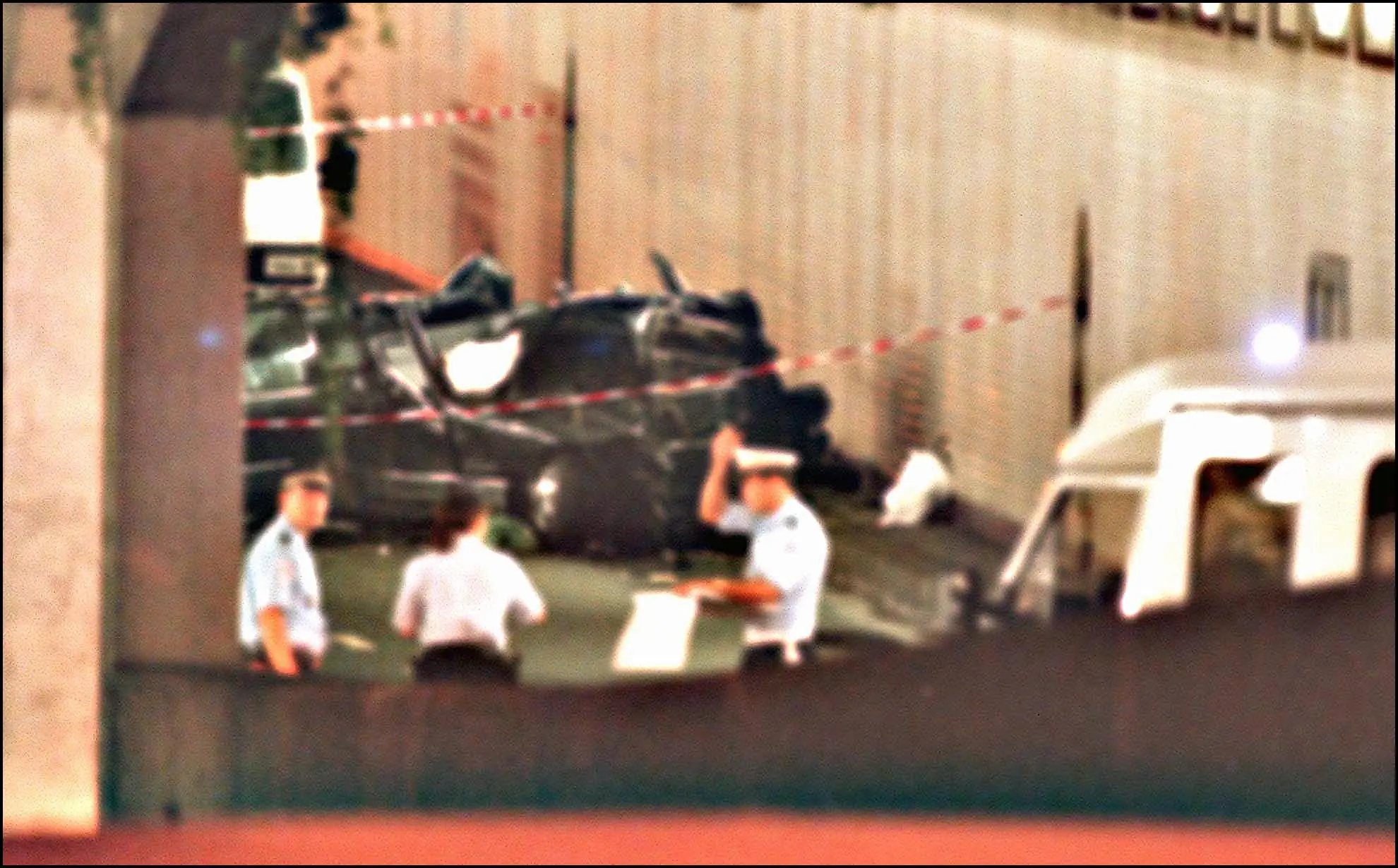
As a reminder, the late Princess of Wales died on 31 August 1997 after the Mercedes carrying her, Dodi Fayed and driver Henri Paul crashed in the Alma tunnel in Paris.
For almost three decades, conspiracy theories have continued to circulate suggesting that Diana's death was not an accident. One of the most persistent theories alleges that she was deliberately killed as part of a plot involving the British establishment and intelligence services.
The theory was heavily promoted by Dodi's father, Mohamed Al Fayed, who claimed Diana and Dodi had been murdered because their relationship threatened the royal family.
A subsequent Metropolitan Police investigation, known as Operation Paget, examined the allegations of a conspiracy to murder Diana and Dodi.
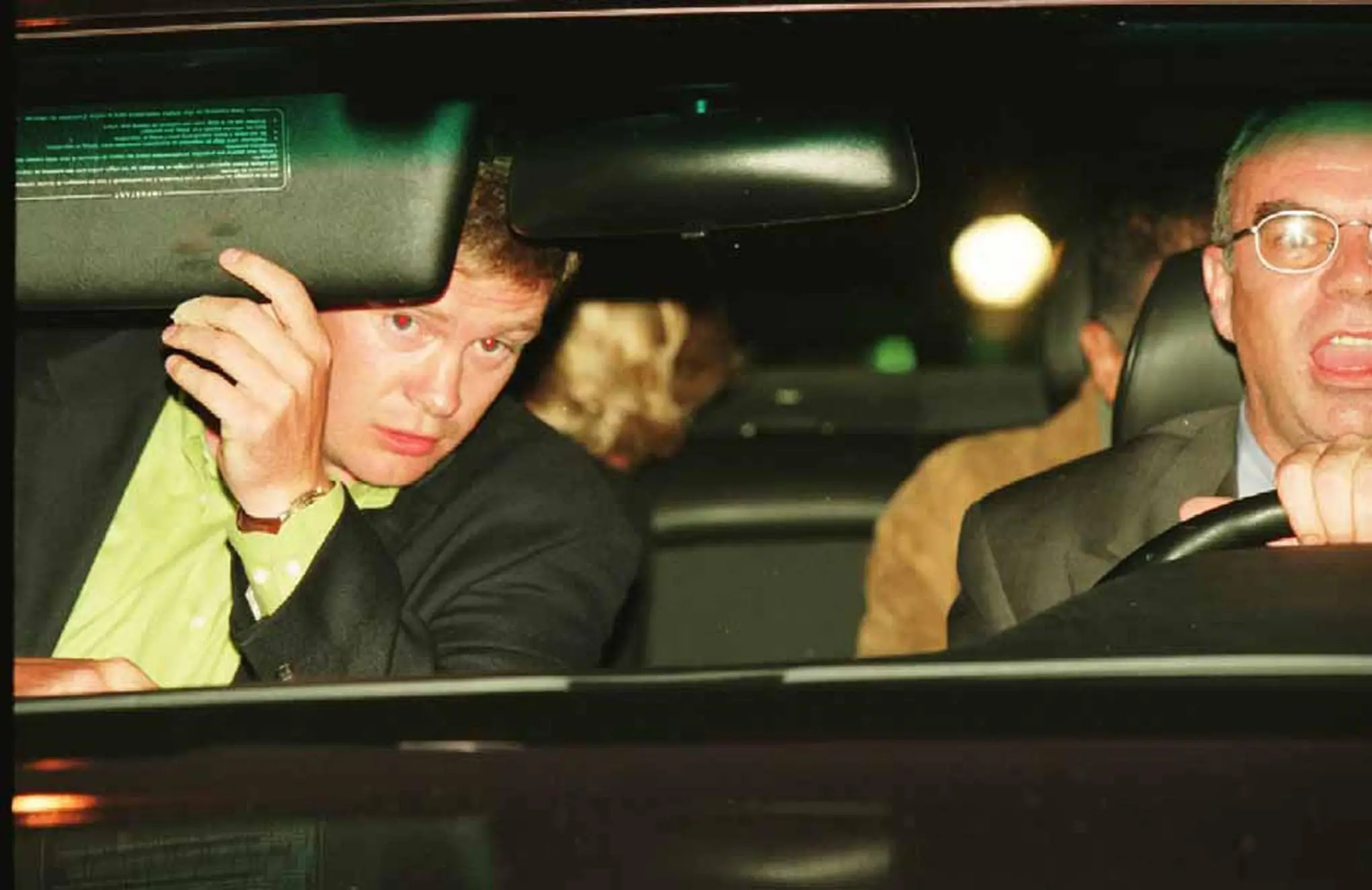
The 2008 inquest ultimately found that Diana and Dodi were unlawfully killed as a result of the grossly negligent driving of Henri Paul and the paparazzi pursuing their car.
Spencer, however, says he has never bought into the idea that his sister was deliberately targeted.
"I've never believed in the conspiracy theory," he told PEOPLE. "Because if somebody was conspiring to kill somebody very high profile like that, I don’t think that would be the manner that it would happen in."
The Earl went on to explain that, in his view, the circumstances simply don't fit with the idea of a planned assassination.
"First of all, nobody planned for Diana to go through that tunnel that night," he continued. "The fact that it ended up tragically being a car crash, I think, is purely a coincidence."
He concluded: "By the way, if I thought otherwise, I would say so. I just don’t see it."
While Spencer rejects the idea that Diana was murdered as part of a conspiracy, his recollections of the hours and days after her death are considerably more explosive.
In the memoir, he describes speaking to then-Prince Charles after Diana's death and says he was struck by what he perceived as an unusually upbeat tone, claiming the future King sounded 'really giddy'.
He stressed that he could only speculate about the reason, suggesting one possibility was that Charles may have been thinking about eventually marrying Camilla Parker Bowles.
"And I know it’s unfortunate, but that’s how it struck me, and it seemed to me so incredibly bizarre at the time," Charles continued. "And I can only speculate why.
"Maybe he felt that now he could eventually marry the woman who he was in love wit, but that’s me speculating.
"I’ve heard, I don’t watch The Crown, but I’ve heard that in The Crown, for instance, [Charles] is sort of knocked sideways by the news of Diana’s death, and that’s just not true."
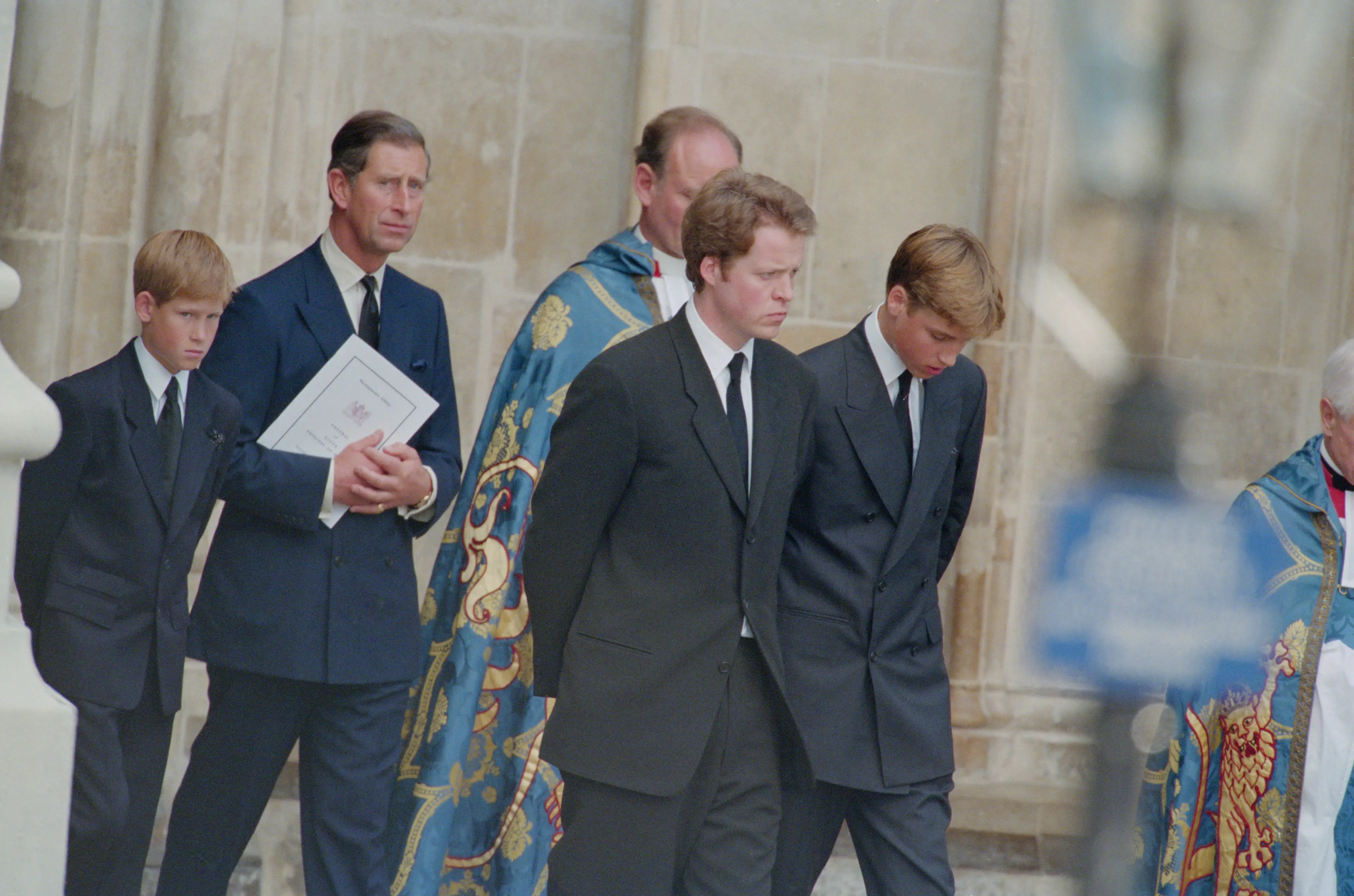
Spencer also recalled being involved in the arrangements for Diana's funeral, and his anger over the prospect of her young sons, Prince William and Prince Harry, walking behind their mother's coffin.
He told the publication that when he was informed the boys would be taking part in the procession, his immediate reaction was: "Well, no, they won’t."
Spencer said he felt it was 'monstrous' to expect William, then 15, and Harry, just 12, to walk behind their mother's coffin.
He subsequently received a call from Charles, who challenged him over his objections.
According to Spencer, the now-monarch argued that he himself had walked behind the coffin of his uncle Lord Mountbatten, despite him being an adult at the time, and William and Harry being children.
The conversation, Spencer claims, ended with Charles saying, 'We’ll forget her soon enough'.
"And I found that really astonishing and so awful," he continued. "And I just said to him, 'I cannot believe you said that,” and hung up on him.
"So that sets the scene really for why I wrote the eulogy as I did, because there’s a line in there where I didn’t want William and Harry immersed in royal tradition to lose their souls, really, which Diana was nurturing.
"So I thought it was important to include that interchange with the then-Prince Charles, now King, because it sets the tone of really why I spoke like that, and also why I’m writing this book."
Topics: Royal Family, Princess Diana, UK News, King Charles III, Books
 Rhianna Benson