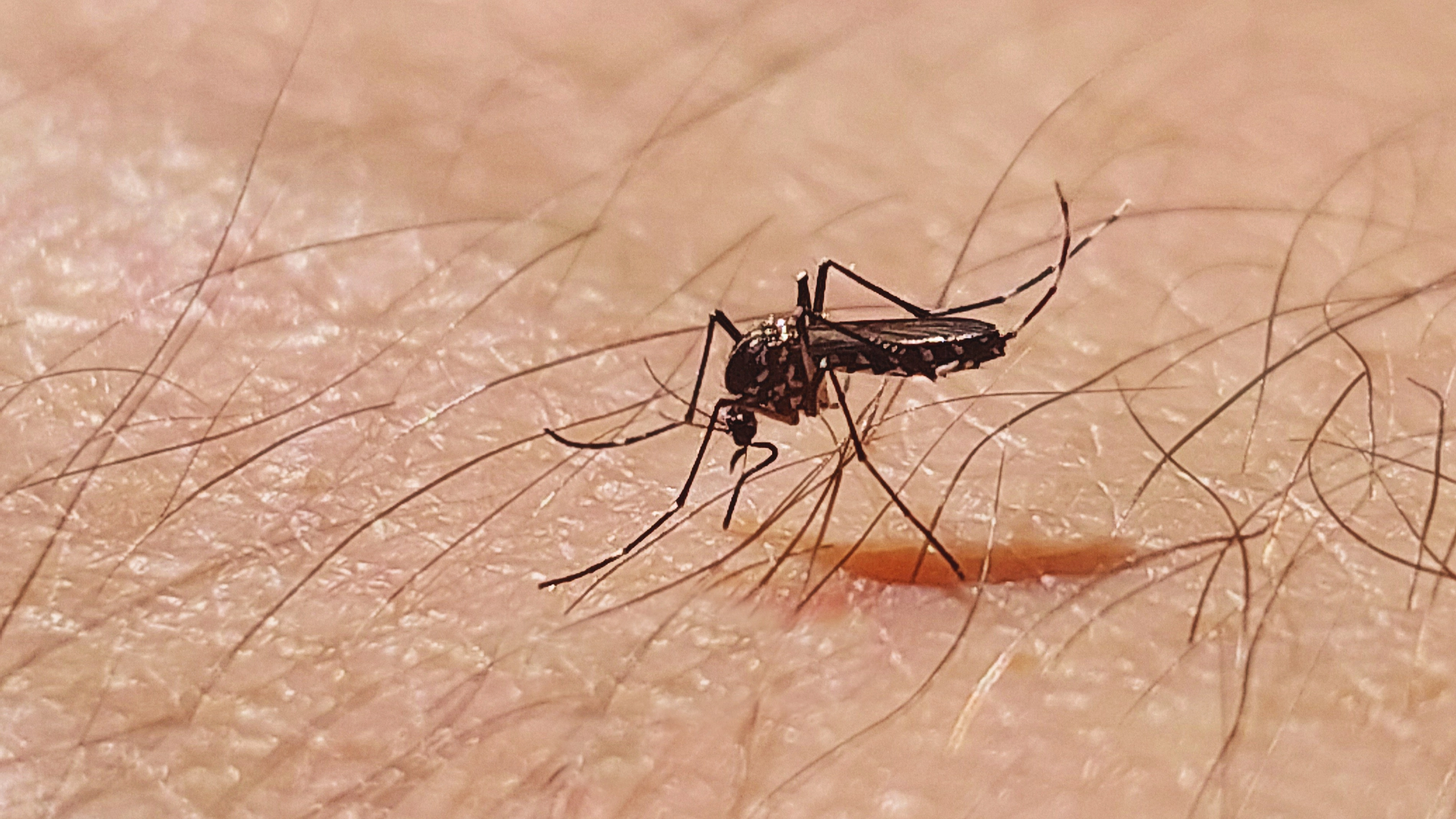
Google plans to release 32,000,000 infected mosquitoes across US states

Geniuses at Alphabet, the parent company behind Google, are seeking federal approval to release over 32 million mosquitoes across two major states over the next two years.
The proposal forms part of the company's potential collaboration with the US Environmental Protection Agency (EPA) to eradicate the spread of lethal and debilitating diseases traced back to infected mosquito bites.
These conditions include dengue fever, West Nile virus, Zika, chikungunya, yellow fever and St Louis encephalitis.
Known as Alphabet's Debug initiative, the project was first launched in 2016 by the firm's life sciences division, Verily.
Advert
If approved by the EPA, which is currently reviewing their request under an experimental use permit, it'll see 32,000,000 mosquitoes infected with a naturally occurring bacterium released across both California and Florida.

Exact locations planned for the respective release haven't yet been announced.
The parasitic bacterium that'll be used in the initiative is called Wolbachia. It lives quietly in almost all insect types and isn't harmful to humans.
It is hoped that male mosquitoes infected with Wolbachia will mate with female insects free from the same strain.
It's thought that the eggs born from their mating will be non-viable, meaning they don't hatch.
Further, because only female bugs are equipped to lay eggs, the mass release of infected male mosquitoes - who only consume plant nectar - won't be able to make residents further unwell.
In terms of Google's involvement, the tech business plans to separate the insects by their sex using AI-powered visual sorting systems.
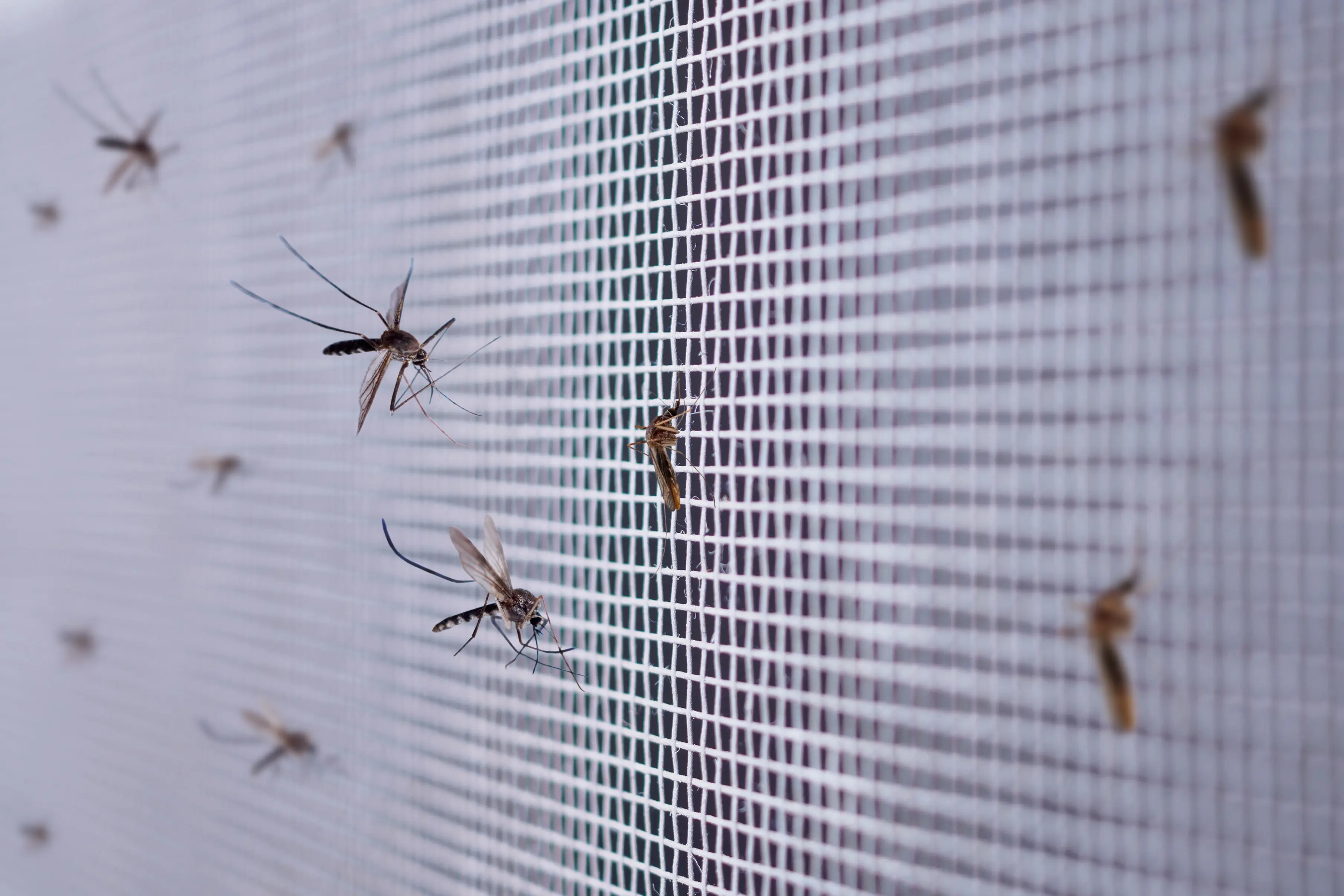
Debug's website explains: "We’re combining the Debug team’s scientific and engineering expertise with the help of international partners to raise and release lots of good bugs and stop bad mosquitoes that can spread disease."
For reference, West Nile virus, which has no human vaccine, can cause people to develop severe, life-threatening neurological conditions like meningitis or encephalitis. Meanwhile, despite most St Louis encephalitis infections being asymptomatic, the condition can trigger severe brain inflammation.
Long-term, experts hope the move will drastically reduce the number of dangerous mosquitoes living locally in both states.
If the trial is successful, the plan will be deployed further afield across the next two years, with up to 16 million mosquitoes planned to be released per state in year one, and the same amount the following year.
Similar, smaller-scale trials for the Sterile Insect Technique have already been completed by the Florida Keys Mosquito Control District, recording a considerable drop in cases.
 Rhianna Benson