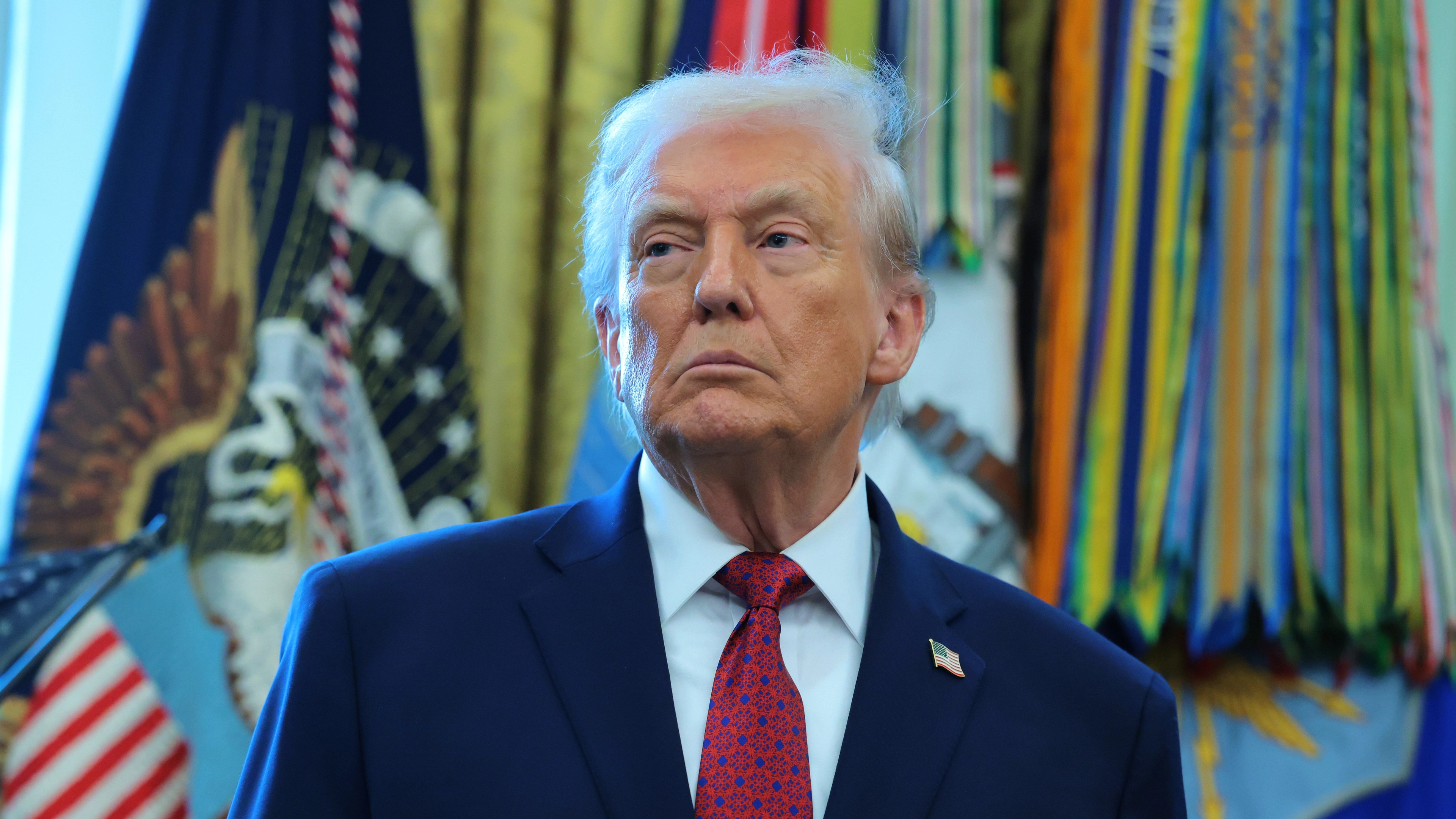
Trump warns Iran missiles could have hit US ‘soon’ but there's an issue with his claims

On Monday (2 March), United States President Donald Trump said that the sweeping joint US-Israeli military strikes on Iran he authorised over the weekend were necessary because Tehran would have 'soon' been able to strike targets inside the US with ballistic missiles.
Speaking at the start of a Medal of Honor ceremony at the White House, the 79-year-old Republican said, per Politico: "The regime’s conventional ballistic missile program was growing rapidly and dramatically, and this posed a very clear, colossal threat to American air forces stationed overseas."
Trump added: "The regime already had missiles capable of hitting Europe and our bases, both local and overseas, and would soon have had missiles capable of reaching our beautiful America."
The world leader's recent statements marked the first time he has set out his case directly to the public, for putting US troops in harm’s way since the strikes began on Saturday morning (28 March).
Advert
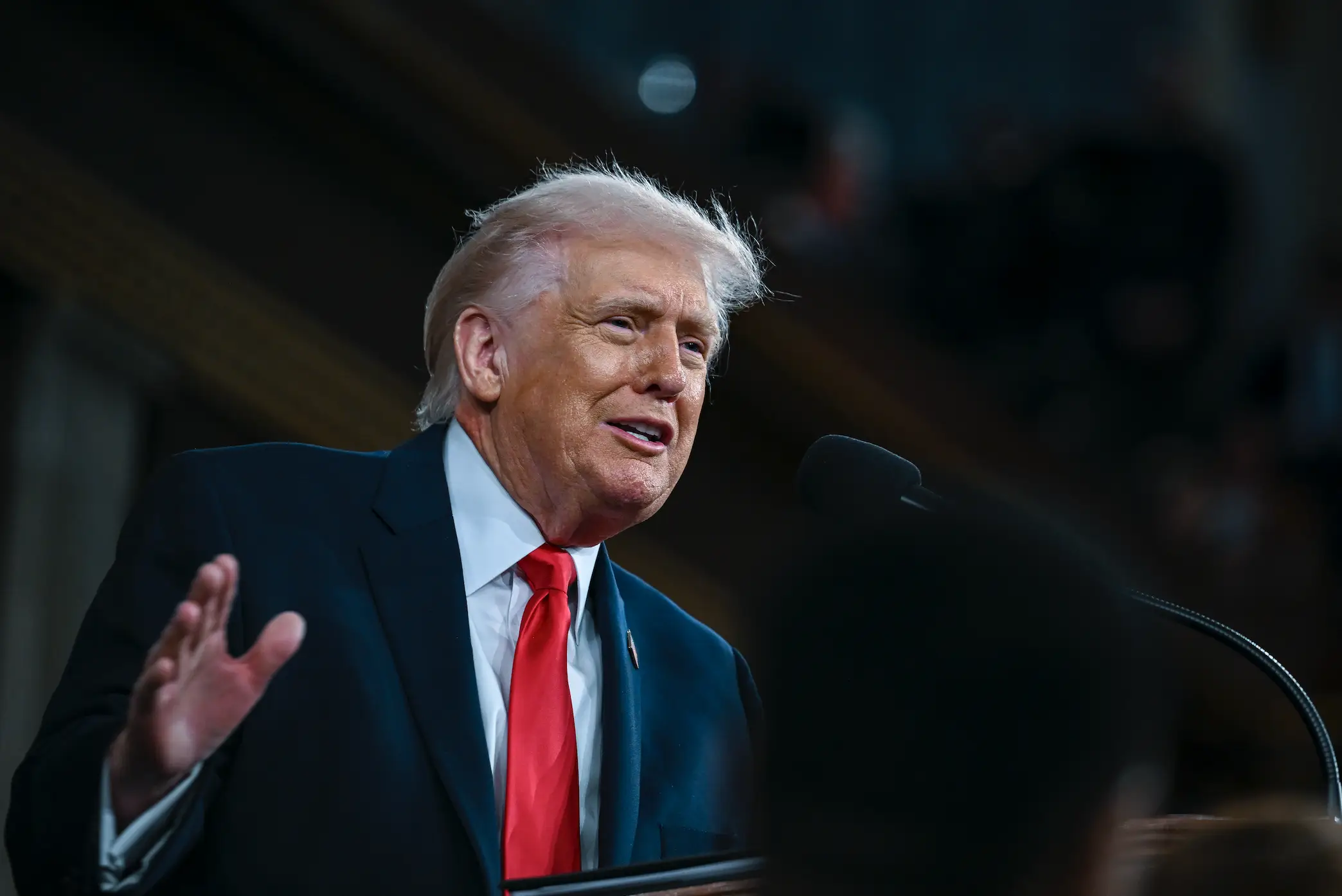
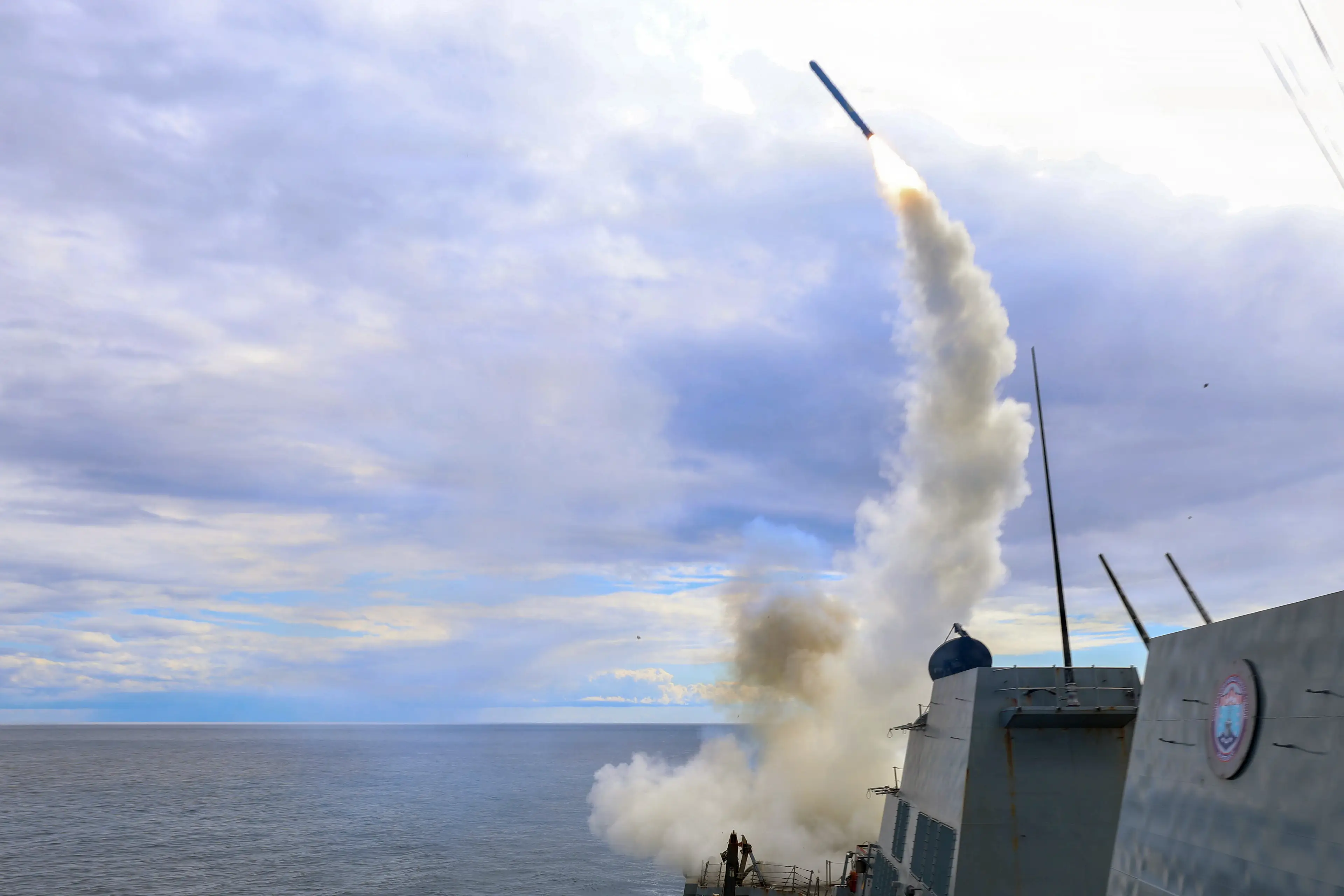
Iran, which has since launched several retaliatory attacks, is not known to possess ballistic missiles capable of reaching the US mainland, and the administration has yet to publish evidence showing it was close to that threshold.
Yesterday, Trump said his team had 'projected four to five weeks' for the conflict, adding that 'we have capability to go far longer than that. We’ll do it'.
He also argued that Iran’s missile programme was designed to protect what he described as a revived nuclear effort that would have placed the US 'under threat'.
Trump also stated that the US sought a deal after bombing three Iranian nuclear sites in June of last year, but that Iran 'rejected every opportunity to renounce their nuclear ambitions, and we can't take it anymore'.
"Instead, they attempted to rebuild their nuclear program and to continue developing long-range missiles that can now threaten our very good friends and allies in Europe, our troops stationed overseas and could soon reach the American homeland," he said.

His claims run against a 2025 federal assessment stating that Iran remains years away from producing long-range missiles, per PBS.
In May 2025, the Defense Intelligence Agency said Iran could develop such a missile by 2035 if it chose to pursue one.
"The U.S. intelligence community has been making a similar assessment (that Iran might have an (intercontinental ballistic missile) in a decade) since the mid-1990s," Daryl Kimball, executive director of the Arms Control Association, told PolitiFact.
Topics: Donald Trump, Politics, US News, News, Iran, Israel, World News
 Rhiannon Ingle