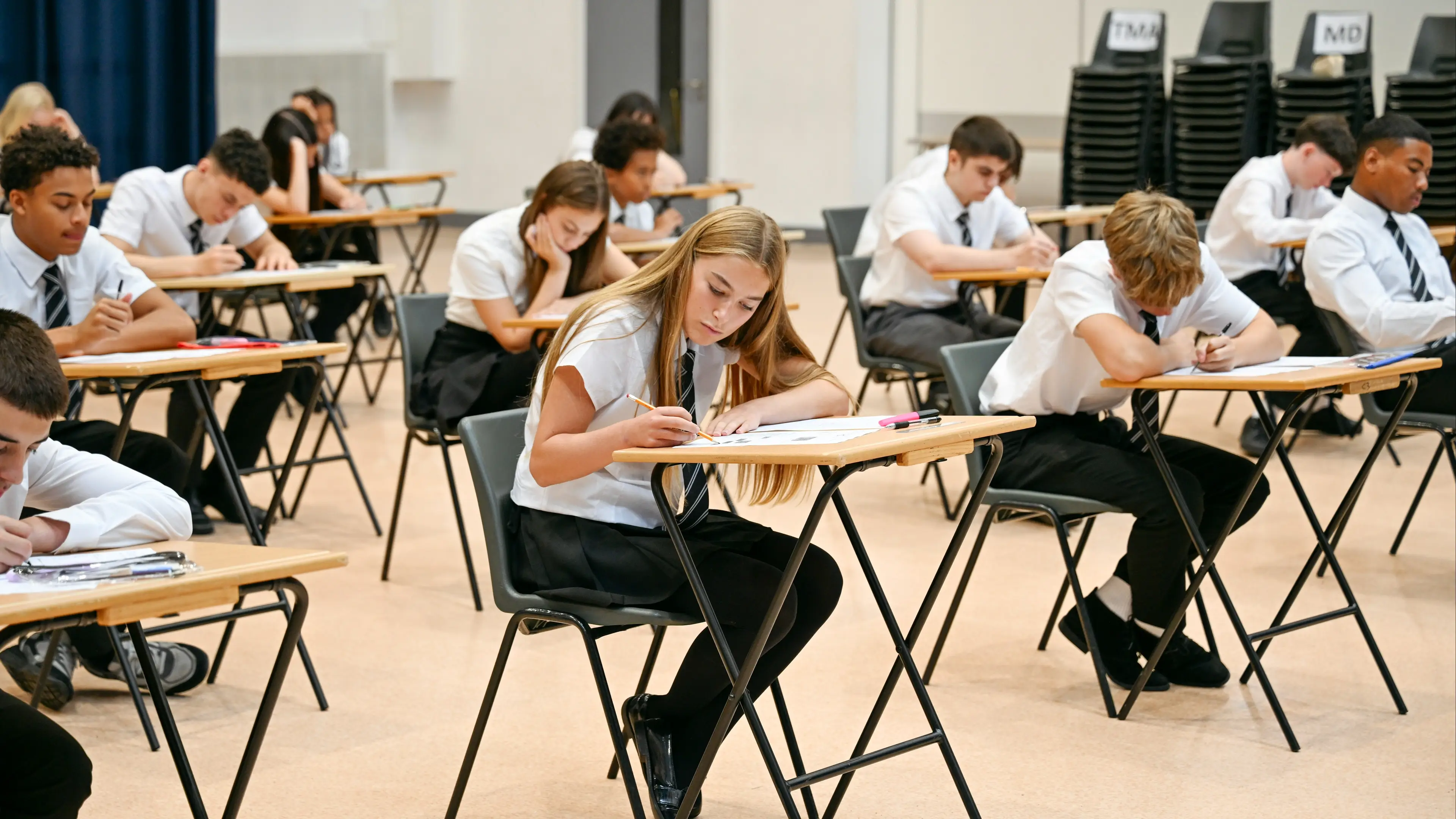
New vocational GCSEs to be introduced for teens in England

Teenagers in England are set to be offered a new range of vocational GCSEs under a major shake-up of the education system.
The first of the new range of qualifications is expected to become available from September 2029.
These new courses are designed to sit alongside traditional GCSE subjects, giving pupils the opportunity to gain practical and technical skills while continuing to study core subjects including English, maths and science.
Government representatives say the changes are intended to give vocational education the same status as academic routes and provide young people with more choice over the subjects they study at school.
Advert
The plans were announced by Prime Minister Andy Burnham as part of a wider attempt to tackle youth unemployment and improve the link between education and the world of work.
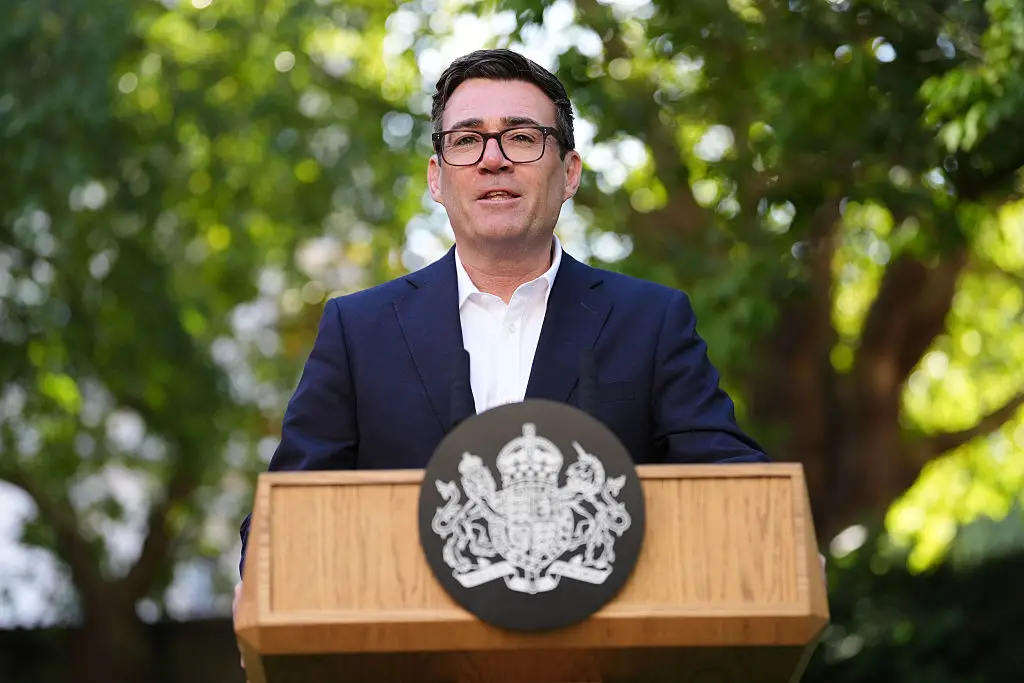
“We’ve all heard someone say ‘school wasn’t really for me’ because they were not given the chance to study vocational courses as well as traditional subjects,” Burnham said.
“That one-size-fits-all approach isn’t working, so we’re building an education system that values both academic and technical paths.”
The new vocational GCSEs will be two-year qualifications, generally taken during Years 10 and 11.
Unlike the existing Technical Awards they are intended to replace, the new qualifications will have nationally set content, grading and assessment.
They will also be regulated by Ofqual, the qualifications watchdog for England, and are intended to meet the same standards as academic GCSEs.
Subjects under consideration include business management and finance, creative media production, building and construction, and child development.
A consultation is expected to take place later this year before the final subjects and details are confirmed.
For teenagers who do not see themselves following a traditional academic route, the changes could mean more opportunities to explore areas connected to potential careers before leaving school.
Education Secretary Lucy Powell said the qualifications would give young people ‘a stronger connection to the careers and industries shaping our economy’ and help them ‘discover and develop their talents’.
She added: “This is not about creating different routes for different children.”
“It is about ensuring every child has access to a rich and ambitious education that opens doors, creates opportunity and prepares them for life beyond the classroom.”
The Government is also launching a National Mission on Work Experience, calling on employers to provide an additional 200,000 opportunities for pupils aged between 14 and 16.
The aim is to give teenagers more exposure to workplaces while they are still at school, allowing them to learn about different industries and gain experience that could help inform their future choices.
The reforms form part of a much wider overhaul of technical and vocational education.
From 2027, new V Levels are due to be introduced for 16 to 19-year-olds, sitting alongside A Levels and T Levels as another post-16 route.
However, there has already been some caution from education leaders over whether changing the qualifications alone will be enough.
Pepe Di’Iasio, general secretary of the Association of School and College Leaders, said the plans were 'well-intentioned' but warned that schools would need sufficient staff and resources to deliver the new courses.
He also called for greater public awareness of vocational and technical routes, saying that without wider action, changing qualifications could mean 'more upheaval and workload for hard-pressed schools' without necessarily increasing participation.
The Government has said the reforms are aimed at addressing a population of young people who are not currently in education, employment or training, with the number estimated to have passed one million.
For families, the changes will not happen immediately.
The first vocational GCSEs are expected to be introduced from 2029, with further details on the subjects, content and assessment arrangements to follow after consultation.
The reforms therefore represent a change for the next generation of pupils rather than teenagers currently preparing to sit their GCSEs.
For those entering secondary school in the coming years, however, the choices available at 14 could look considerably different.
Topics: UK News, Andy Burnham, Politics
 Jen Thomas