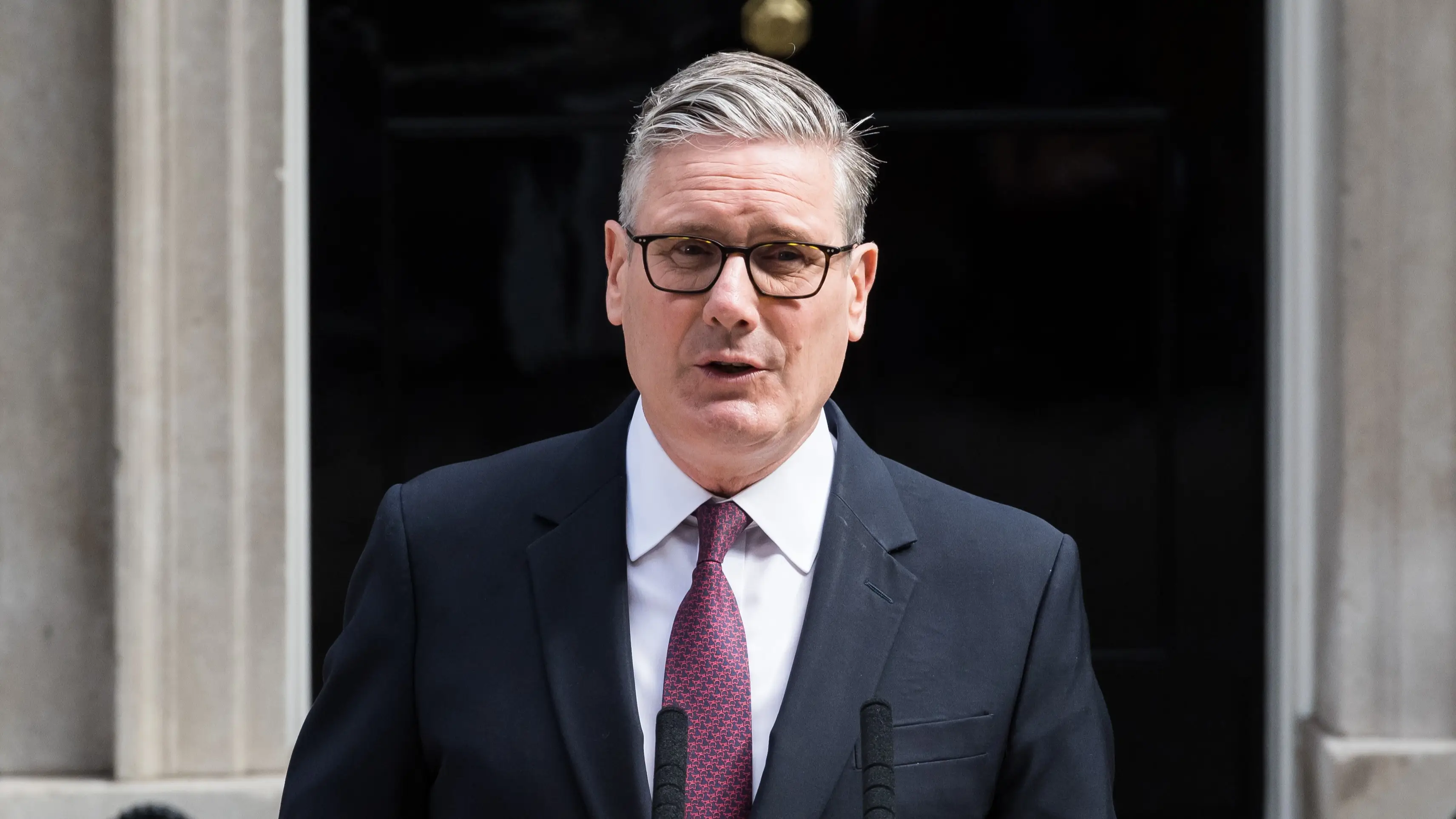
Sir Keir Starmer's resignation raises questions over what will happen next for UK

Vital questions are being raised over the future of UK leadership following Sir Keir Starmer's resignation.
Who'll replace him in Downing Street? What does the process look like? How long will it take? What policies will the new PM implement? And how on earth will they handle relations with Donald Trump?
Before we get into the nitty-gritty of a bitter leadership contest, let's look back at Starmer's latest announcement.
How did Sir Keir Starmer resign?
Appearing outside of 10 Downing Street on Monday (22 Jun), Starmer, 63, told viewers: "I know the question being asked now is not, 'Who was best placed to change the Labour party, to take us into power and to take the vital work of improving lives for millions of people?'
"Those questions have been answered."
Advert
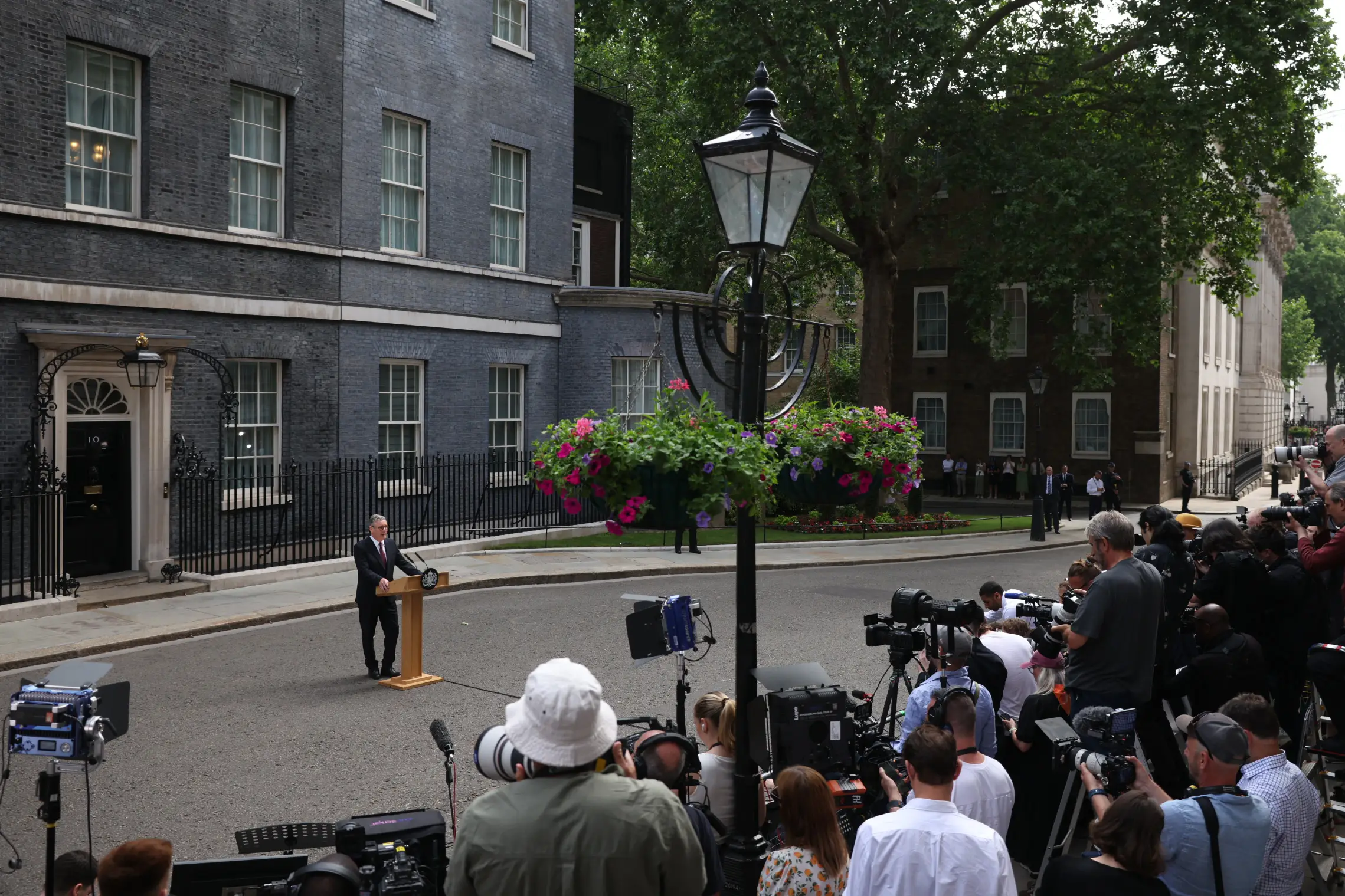
He continued: "The question my party is asking now is whether I am best placed to lead us into the next general election. I have heard the answer of my parliamentary party to that question. And I accept that answer with good grace.
"Every decision I've taken has been about putting the country I love first. That is why I will resign as leader of the Labour Party. I have spoken to His Majesty, the King, this morning to inform him of my decision."
What did he say about his replacement?
During his speech, Starmer vowed to 'ask the National Executive Committee of the Labour Party to set out a timetable with nominations, opening on the 9th of July, and completed by the summer recess'.
Announcing he'll stay in office until a contest for the position 'is complete', he added: "In the case of a contest, this will ensure a new leader is in place before Parliament returns in September. And I will do everything I can to ensure an orderly handover of power.
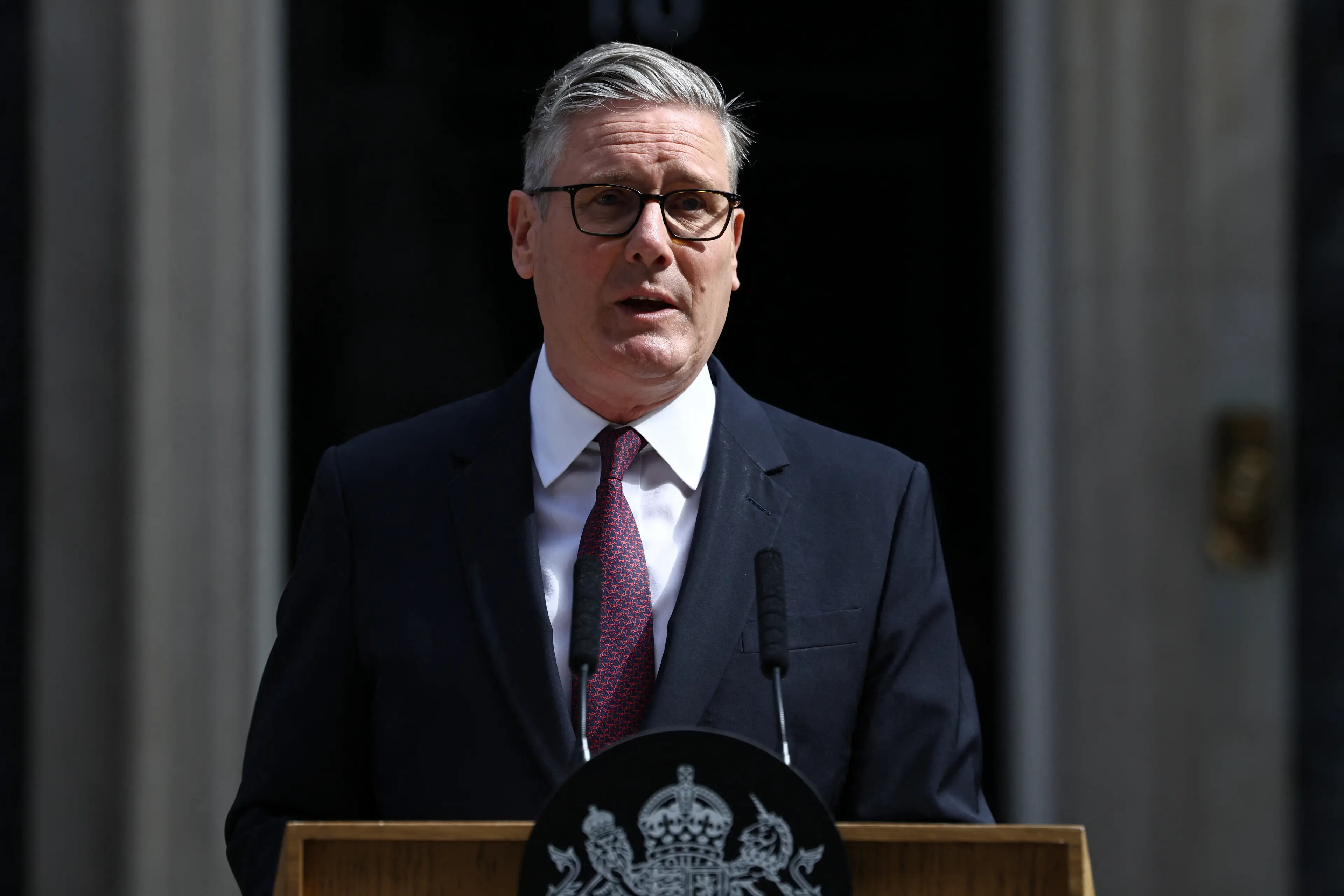
"I will also give my successor my full and unequivocal support. Knowing that they will inherit a Britain that is far stronger and fairer than the one I inherited two years ago."
Who is most likely to replace Starmer?
Andy Burnham has long been considered the strongest contender to replace Starmer as Labour leader, an exciting prospect for millions of Brits living in the north of England, given that he'd be the first North West-born politician to take the position since the beginning of the 20th century.
The 56-year-old became Makerfield's MP over the weekend following a major by-election win, gaining him a seat in Parliament and a launchpad to challenge Starmer for the leadership. He's currently en route to Westminster, where he'll be sworn in as an MP.
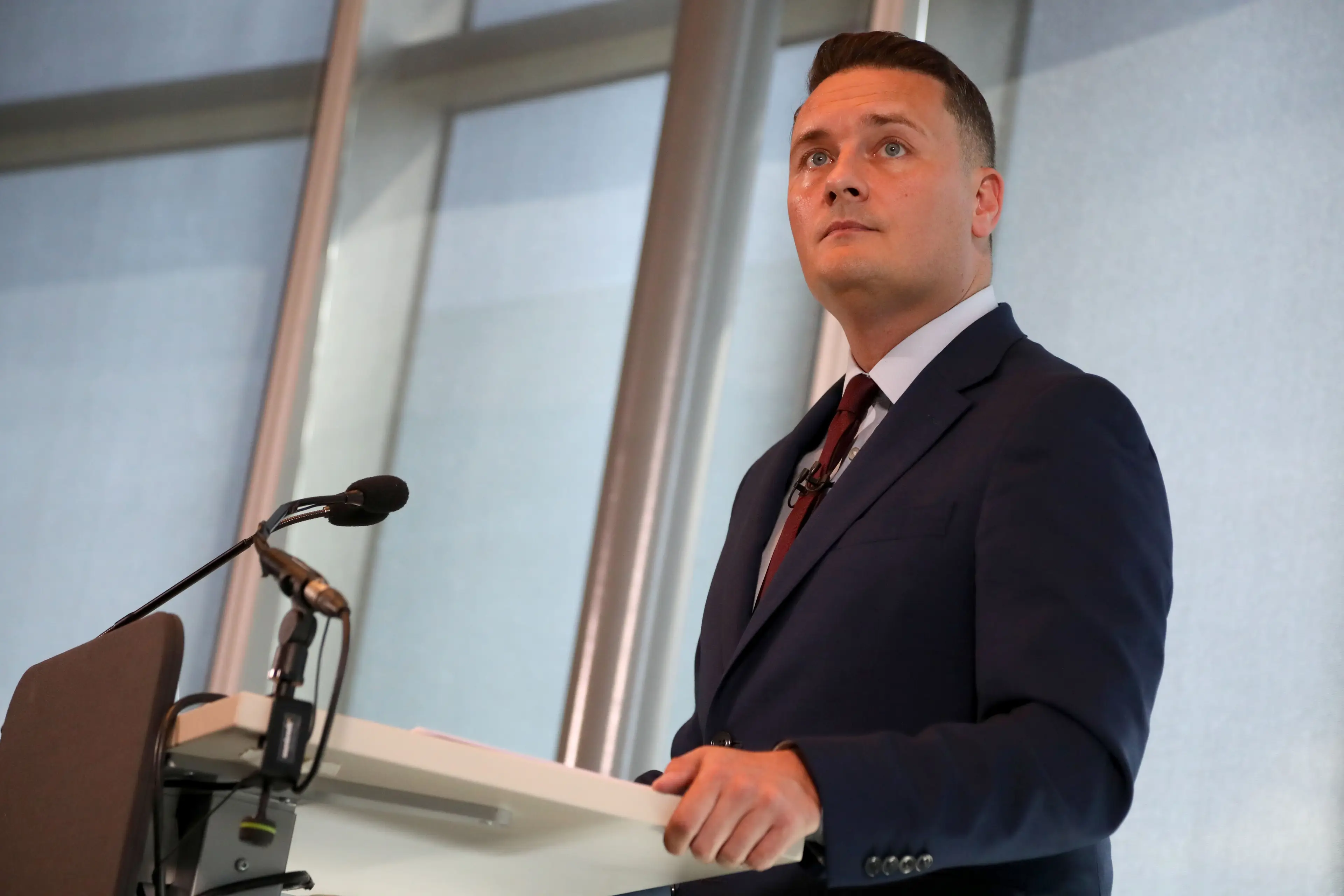
Amongst those who previously threw their names into the hat for PM were ex-Health Secretary Wes Streeting and Royal Marines officer Al Carns, who recently quit as the country's armed forces minister following a row over defence funding.
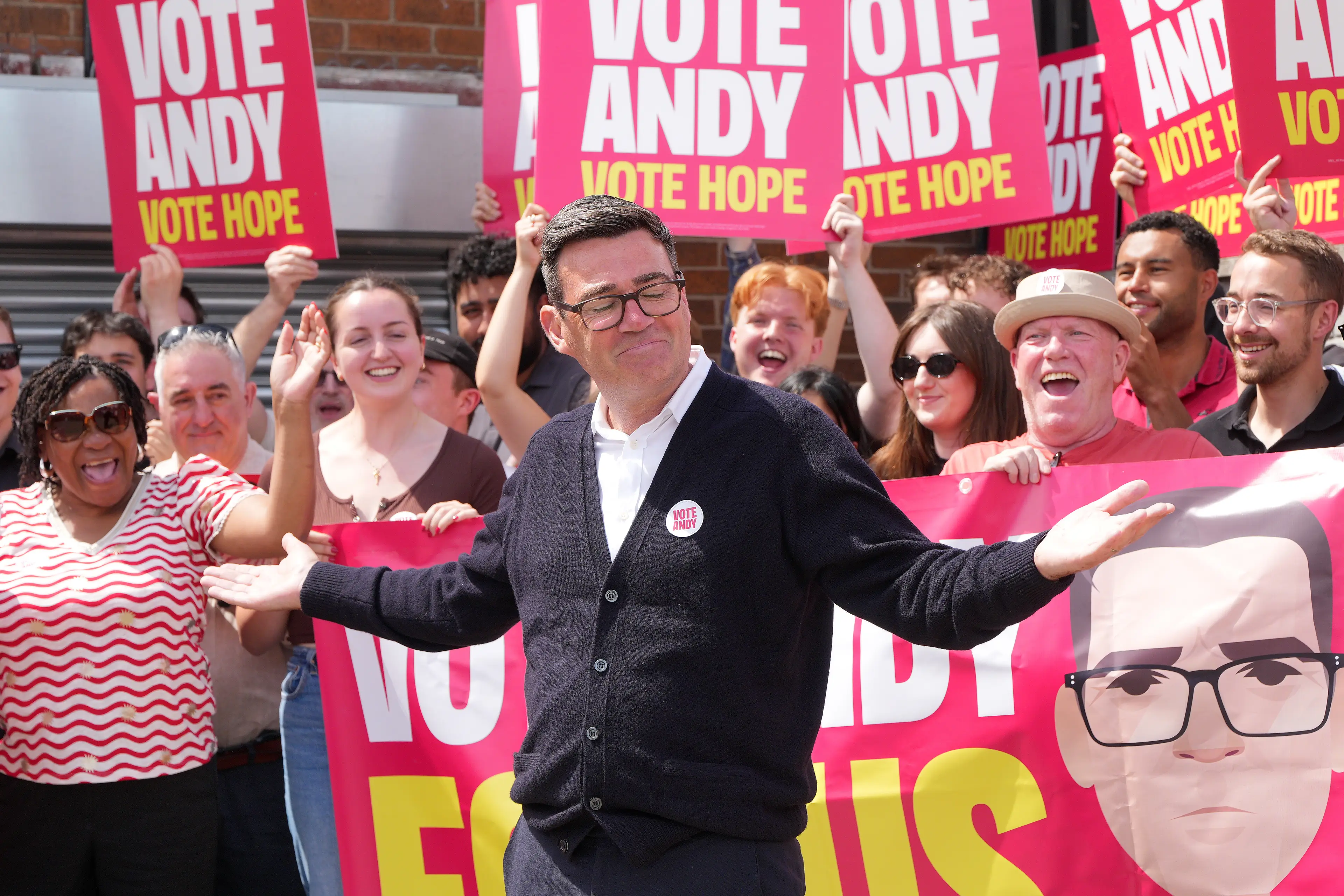
Moments ago, however, Streeting vowed he would back Andy Burnham to become Labour leader.
How does the process work?
Getting onto the ballot to serve as PM is not an easy gig.
Candidates must secure Labour's 81 MPs, which equates to 20 per cent of the party's strength in Parliament.
Next, they're required to receive nominations from either 5 per cent of constituency Labour parties or three affiliated organisations (including two trade unions), which would represent 5 per cent of affiliated party membership.
After that, they'll go before the party membership.
With the backing of 81 MPs in the Commons and the constituency support already mentioned, a candidate will be voted for amongst party members and ranked in order of preference.
If a candidate gets more than 50 per cent of the first preferences through a process of elimination during voting, they're declared the winner.
Burnham's win in Makerfield, however, suggests he might already have the backing he needs from the parliamentary party to get onto the ballot.
As we speak, many of Burnham's political allies are currently lobbying for an orderly transition. If rival leaders step aside, like Streeting already has, and he becomes the only candidate, he could take the position within a matter of days without the need for a formal vote. This could see the contest lasting just days.
What promises has Andy Burnham made?
Following his victory over the weekend, Burnham set out a bold vision for Britain, positioning himself as the candidate of 'change' and arguing that Labour has one final opportunity to reconnect with voters and reform the way Britain is governed.
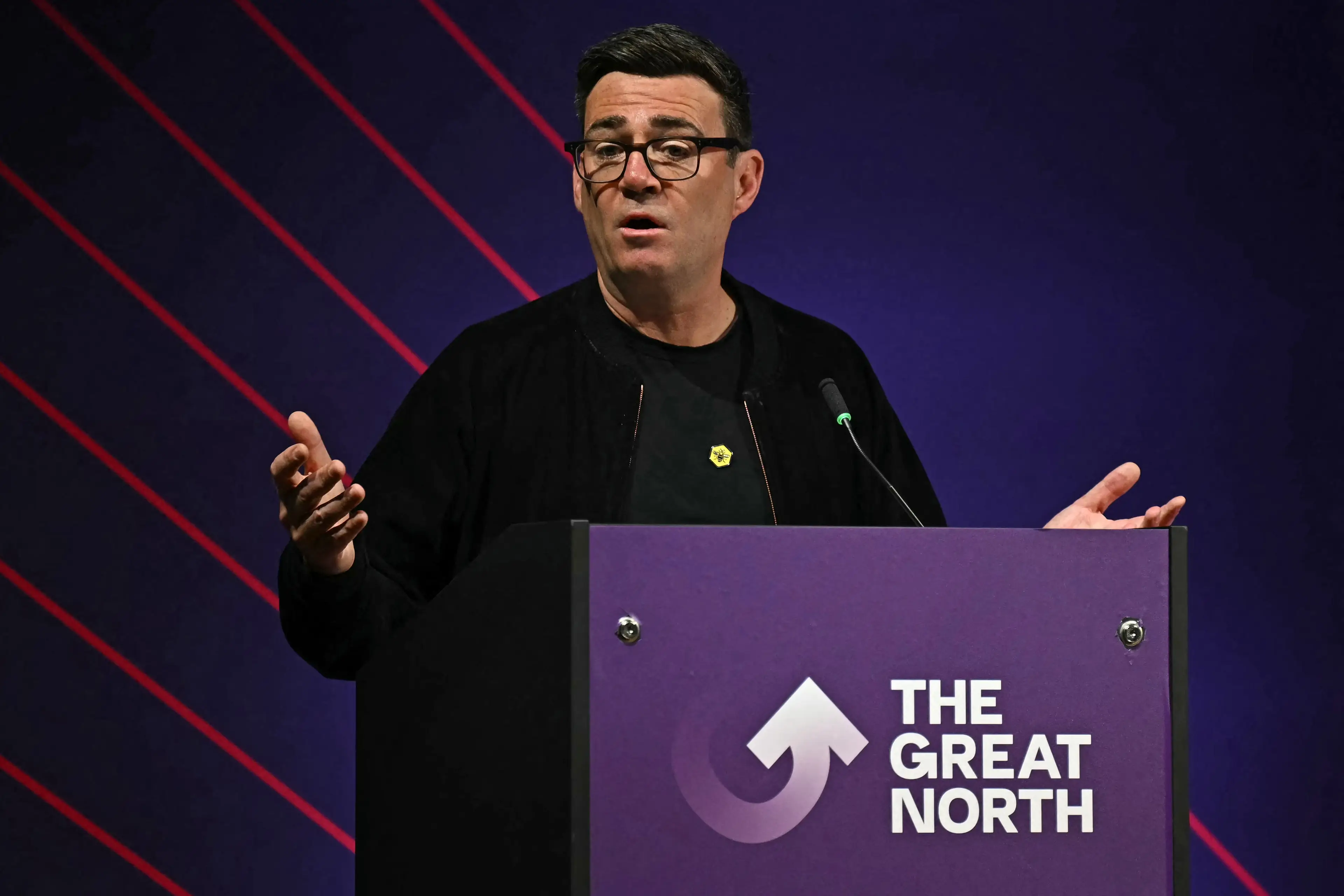
"This is a final chance to change," he said. "We must hear it, we must act upon it, and we must get it right. There will be no second chance."
In terms of his priorities, it's expected he'll begin by expanding public ownership. Burnham has indicated he would begin with the nationalisation of Thames Water as part of a longer-term plan to bring more essential services under public control.
This could eventually extend to other water companies and parts of the energy network, with supporters arguing it would help lower bills and improve accountability, a huge win following the cost-of-living crisis.
With this in mind, Burnham has also suggested a temporary rent freeze and changes to the way energy bills are funded.
Rather than loading policy costs onto household bills, he has suggested moving some of those charges into general taxation, and signalled support for tax reforms while shutting down an increase in income tax, VAT or National Insurance.
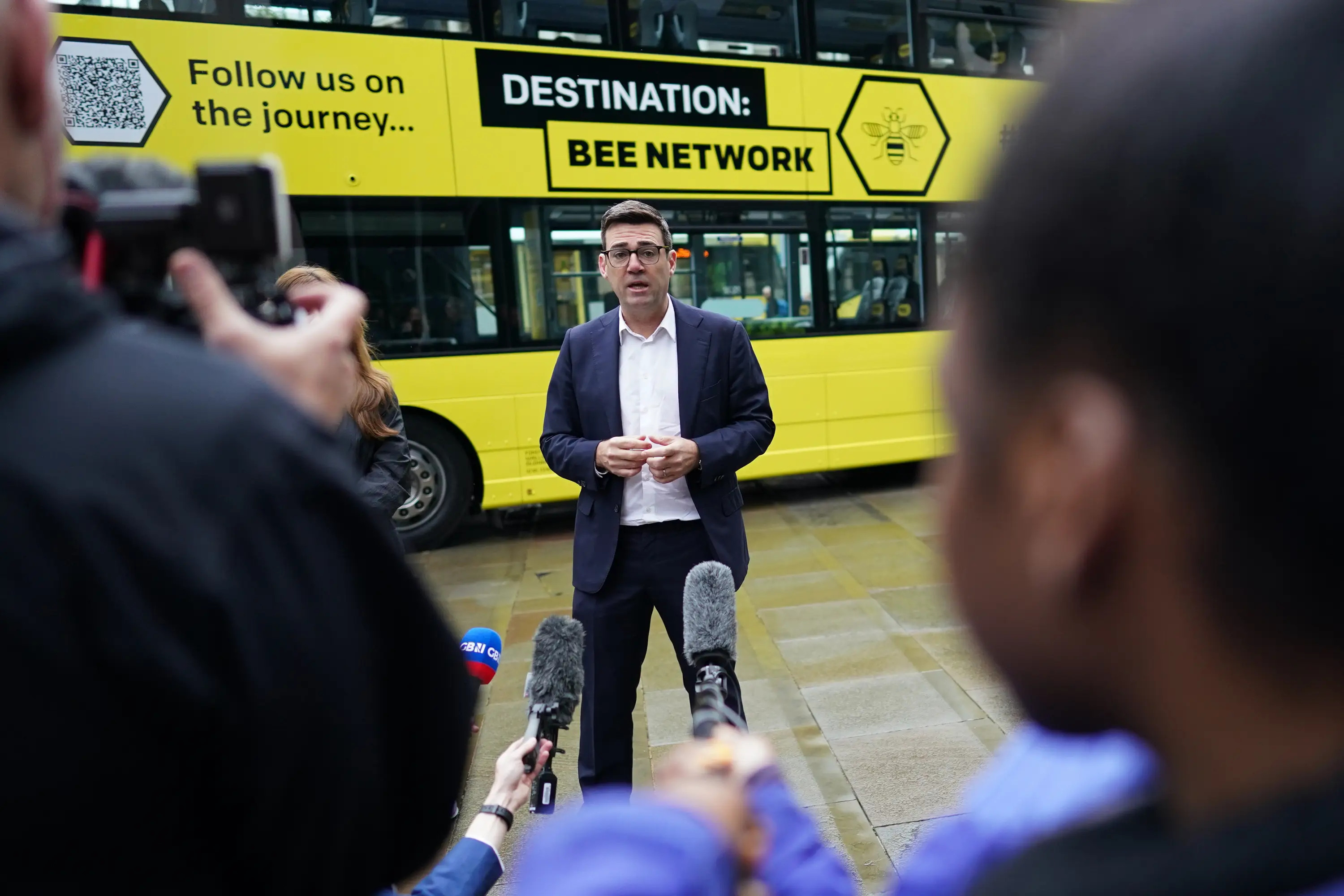
The Aintree, Merseyside-born politician also seeks to shift power away from Westminster, having long argued that too much decision-making is concentrated in London and wants a significant transfer of powers to regional leaders.
He seeks to give mayors and local authorities greater control over services, including transport, housing, skills, and potentially even education and health.
Burnham has also suggested making changes to the workings of Parliament, believing MPs should have more freedom to represent their constituents rather than always following party instructions.
On this, he's spoken about loosening the party 'whip' system that currently pressures MPs to vote with their party leadership in a bid to make politics feel more democratic.
The former Manchester mayor has also criticised Britain's first-past-the-post voting system and suggested creating a national commission to look at alternatives that could better reflect how people vote across the country.
Topics: Keir Starmer, Politics, UK News, News
 Rhianna Benson