Donald Trump marks one year as president - here’s what you may have missed

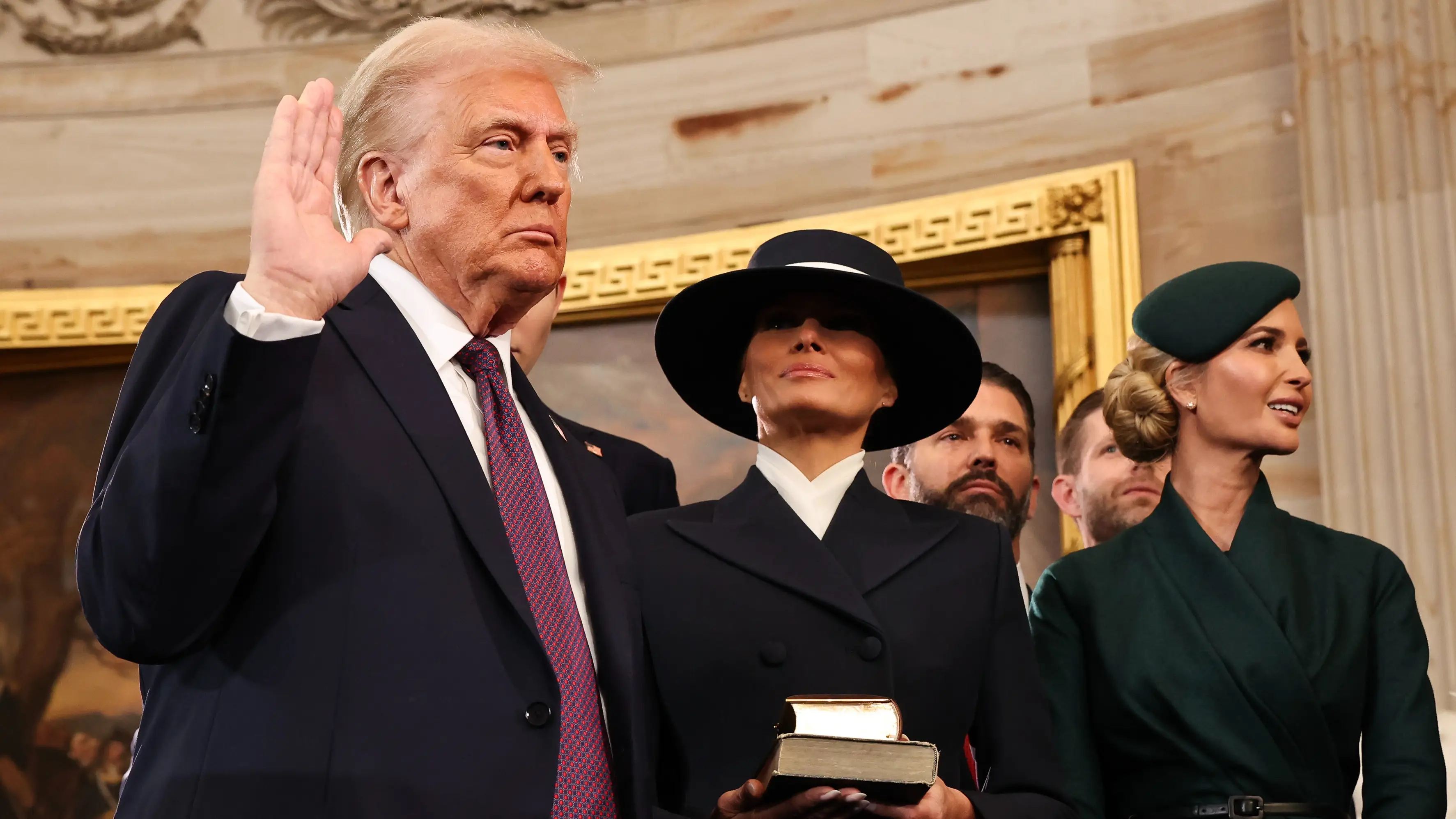
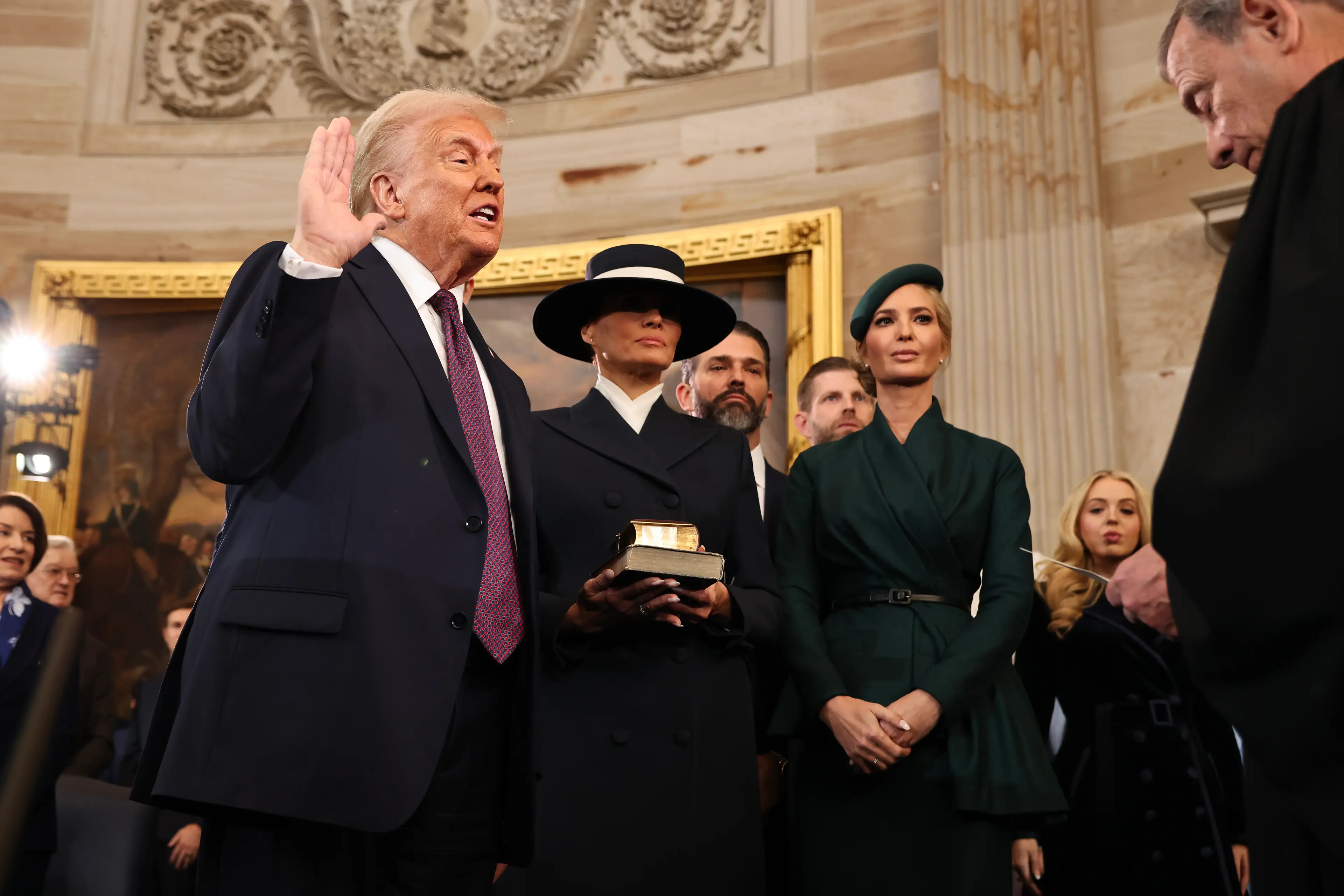
Today, Donald Trump is marking one year since his inauguration as the 47th president of the United States.
That's right - the 79-year-old Republican has been President for a whole year (again) after he was sworn in for his second term on 20 January 2025.
At the time, while right-wing Americans celebrated, Democrats mourned and pondered what exactly the next 12 months was going to look like.
Since then, Trump has made a whole slew of unprecedented decisions and issued a host of executive orders, some of which were in line with his campaign promises and some of which were not.
Advert
During the past 365 days, the President and his administration has implemented significant policy changes - economic, diplomatic and social - that have reshaped both the US and the world.
According to Aljazeera, Trump has signed 228 executive orders, deported at least 605,000 people and bombed seven countries, to name a few of the emerging figures.
So, here are some of the actions US President took in his first year back that you might have missed.
Access to health insurance stripped for legal immigrants
Throughout his first year, Trump made it more difficult for legal immigrants to access either Medicaid or private Obamacare plans that receive federal subsidies.
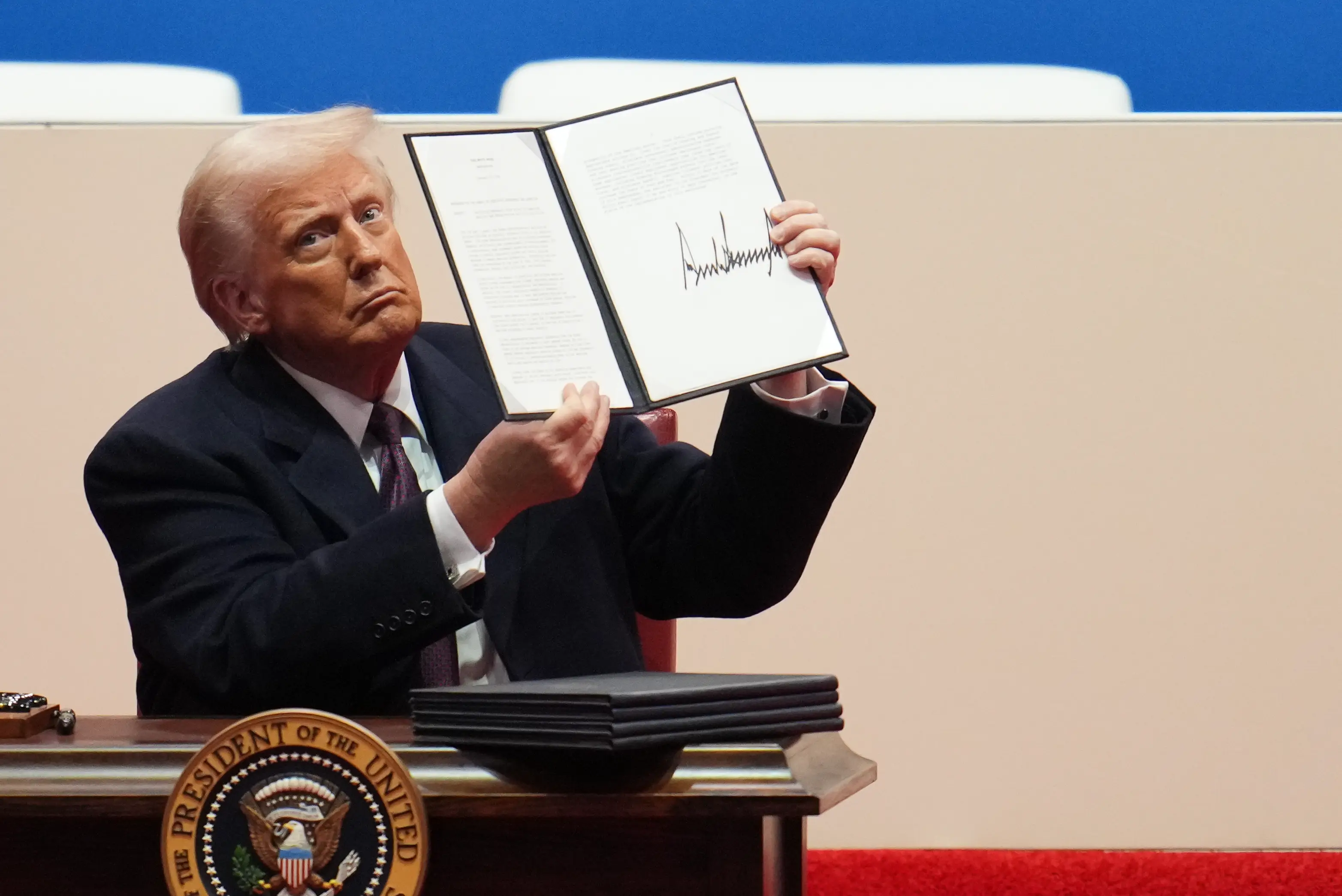
Most notably, in July, the President signed congressional Republicans' One Big Beautiful Bill Act into law.
The mammoth bill saw tax cuts for the wealthy, cuts to Medicaid and SNAP and a mass deportation boost, among other things.
As per Politico, amid the legislation was a law stripping all Obamacare subsidies from low-income lawfully present immigrants - to be specific, those who are authorised to work and live in the country but are unable to qualify for Medicaid yet.
Additionally, in November, the Trump administration moved to revive a version of the Public Charge Rule, which gives immigration officers the authority to deny legal immigrants’ applications for permanent residency if they had used services like Medicaid.
Getting rid of the US penny
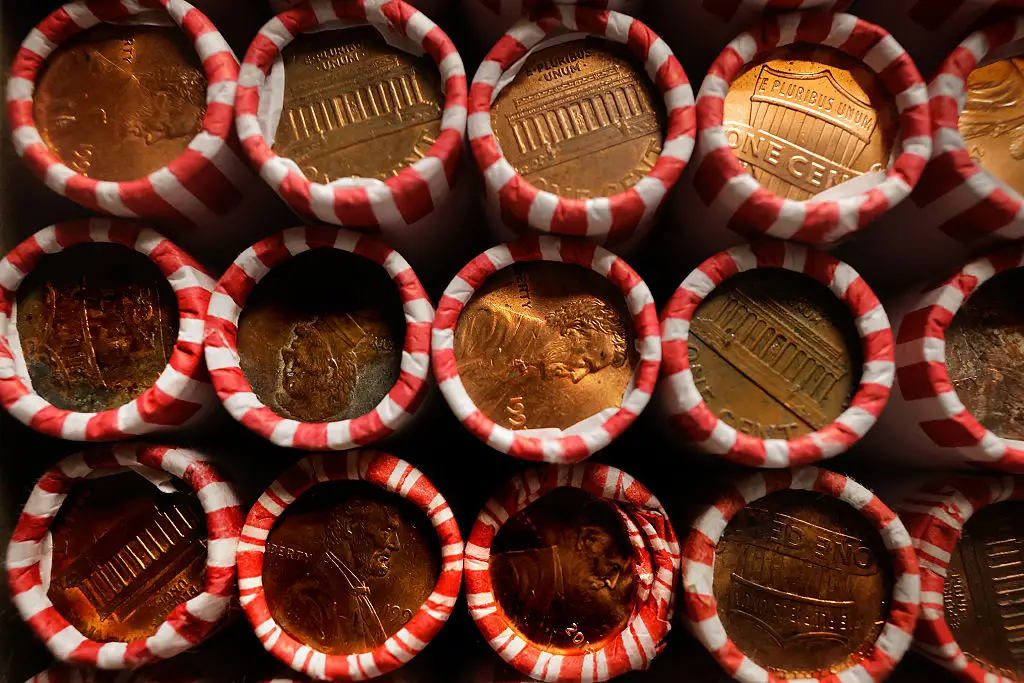
In February 2025, the American President called for he end of the US penny.
He ordered the United States Secretary of the Treasury, Scott Bessent, to stop producing new pennies to help reduce unnecessary government spending.
As reported by the BBC, the penny was one of the first coins made by the US Mint and entered circulation in 1793.
However, in the past decade, the cost of producing it has risen from 1.3 cents to 3.69 cents per coin, according to the Treasury.
Trump said at the time: "Let's rip the waste out of our great nations budget, even if it's a penny at a time."
The last batch of pennies was made in November.
Drug policy changes for psychedelics and weed
Trump has also made a few significant changes to drug policy this year - specifically regarding psychedelics and cannabis.
Last summer, US Health Secretary Robert F. Kennedy said that he wants psychedelic therapies approved within a year.
He told Congress at the time: "This line of therapeutics has tremendous advantage if given in a clinical setting and we are working very hard to make sure that happens within 12 months."
It comes after advocates have been pushing for substances like LSD and ecstasy to be be approved for patients struggling with depression, trauma and other hard-to-treat conditions.
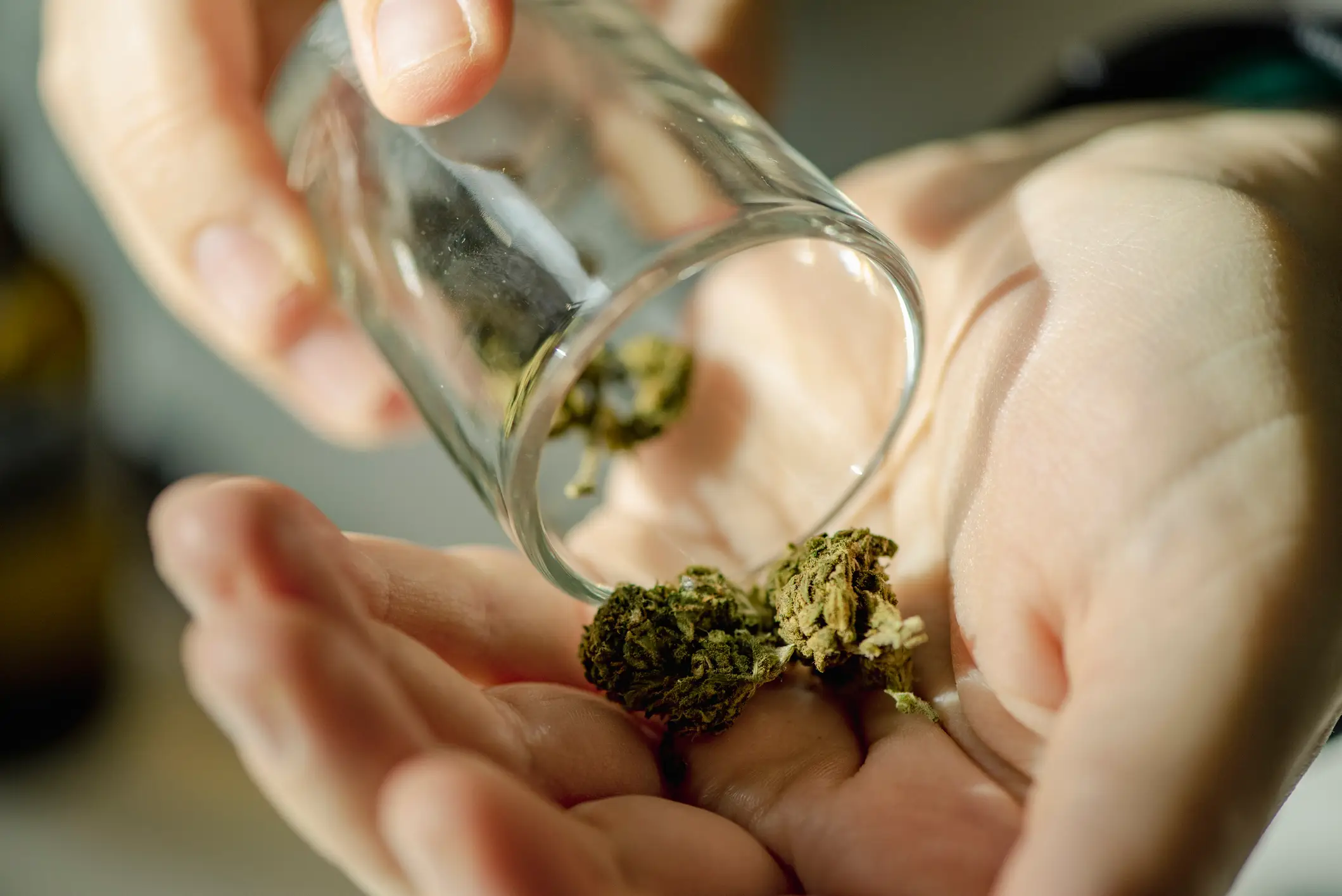
And in December, Trump also signed an executive order that would reclassify marijuana as a less dangerous drug and open new avenues for medical research.
Essentially, the switch would move marijuana away from its current classification as a Schedule I drug, alongside the likes of heroin and LSD.
Instead, it would become part of the Schedule III category with ketamine and some anabolic steroids - however, this doesn't mean marijuana would be legalised as some individual states have done.
The change still needs to go through the Drug Enforcement Administration’s (DEA) formal rule-making process.
Moving away from animal testing
Meanwhile, the US Department of Health and Human Services announced plans to move away from the use of animals in research and testing.
Politico reports that the Centers for Disease Control and Prevention is planning to shutter its primate labs, while the Food and Drug Administration has put out a roadmap for phasing out animal testing.
The National Institutes of Health is forking out a whopping $87 million on a project to develop a standardised alternative to animal testing.
A lot of pardons
Trump kicked off his second presidency with a blanket pardon for the 1,500 rioters who stormed the Capitol in his name in January 2021.
And since then, the pardons kept rolling in.
According to NBC News, the Republican leader pardoned an unusually high number of wealthy people accused of financial crimes.
The publication reports that over half of his 88 individual pardons are for white-collar offences such as money laundering, bank fraud and wire fraud.
Notably, federal money launderer and cryptocurrency tycoon Changpeng Zhao (also known as 'CZ'), was given a full and unconditional presidential pardon for his federal conviction.

Every immigrant is subject to detention and sweeping ICE raids
Ever since his second inauguration, Trump has vowed to halt 'all illegal entry into the country' and deport millions of 'illegal aliens'.
In July, US Immigration and Customs Enforcement (ICE) adopted a new policy that radically transformed the treatment of immigrants living in the United States.
As per Politico, rather than the presumption that they would live freely unless an immigration judge determined they were dangerous or likely to flee their proceedings, ICE would instead classify them as 'applicants for admission'.
This is a legal designation that requires them to be locked up without the opportunity for bond and triggered a huge wave of arrests of people who have lived in America for years.
Numerous protests have taken place around the country amid the ICE raids, as well as celebrities such as Kim Kardashian, Olivia Rodrigo, Zara Larsson and Mark Ruffalo.
Tariffs for everyone
One of Trump's favourite topics during the last 12 months has been tariffs.
As reported by Aljazeera, all US trading partners were hit with 10 percent tariffs, while India got hit the hardest with 50 percent levies.
According to Department of the Treasury data, America-imposed tariffs generated $287bn in 2025 in customs duties, taxes and fees.
But, Yale University’s Budget Lab has estimated that the tariffs actually cost each US household an average of $1,500 in higher prices for the year.
Freezing funding and appointing Elon Musk
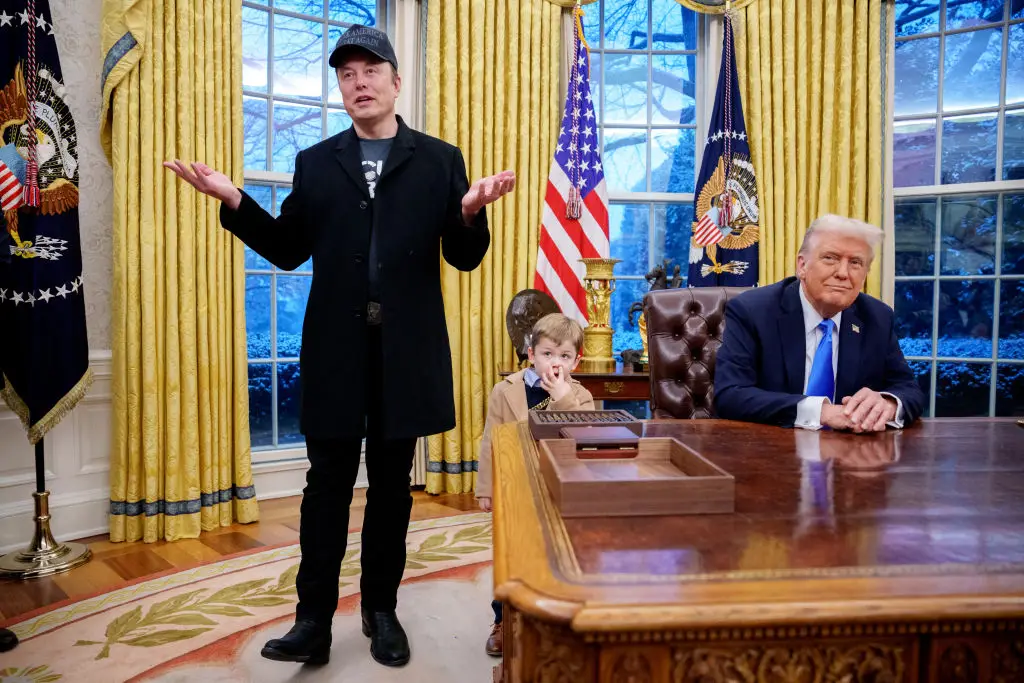
Not long after Trump's inauguration, he created the Department of Government Efficiency to cut excess regulations and spending within the federal government.
He put none other than Tesla founder Elon Musk at the head of the project, which eliminated entire agencies, such as USAID and nearly 300,000 workers were forced out of the federal government.
The Republican leader also froze billions in congressionally approved funds for universities, medical research, and foreign aid.
However, you may remember that all ended quite dramatically when Musk stepped down from the position and the two began hitting out at each other on social media.
Topics: Donald Trump, Politics, US News, News, World News
 Madison Burgess