Why Trump can't just leave NATO after latest threat over Iran

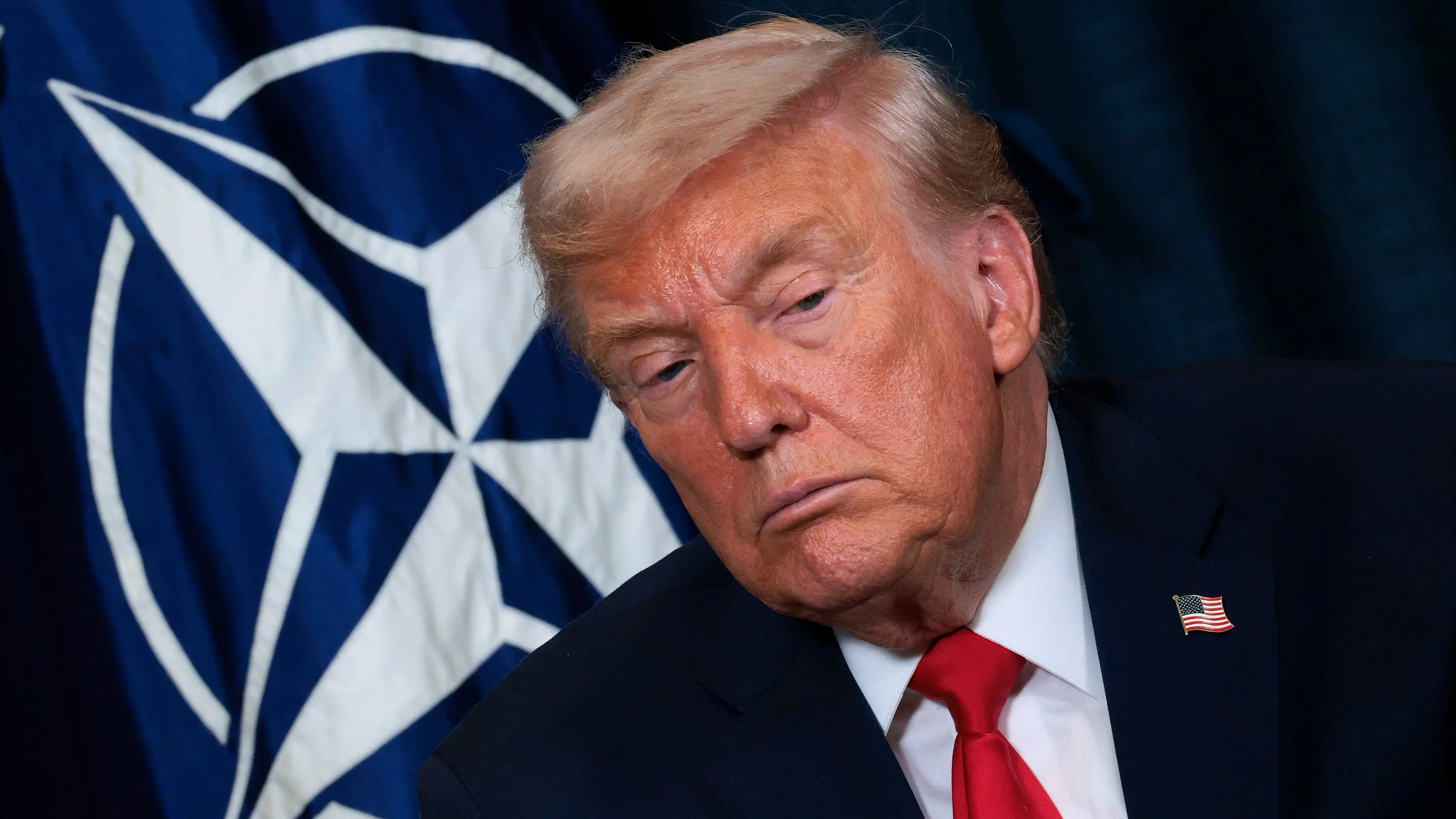
Donald Trump has strongly suggested that he wants to pull the US out of NATO when the conflict in the Middle East ends.
The US President, 79, told The Telegraph in a new interview, "I would say [it’s] beyond reconsideration,” when asked whether he would think twice about America's membership of the alliance when the war ends.
He brutally affirmed, "I was never swayed by NATO. I always knew they were a paper tiger, and Putin knows that too, by the way."
It's no secret that the Republican leader hasn't been impressed with his allies, who declined to join the US and Israel's strikes on Iran, which began on 28 February.
Advert
Despite mounting pressure from Washington to help reopen the Strait of Hormuz, countries including Japan, Australia, and the UK have declined to send naval ships to the waterway, which is located between the Persian Gulf and the Gulf of Oman, and is critical for shipping oil around the world.
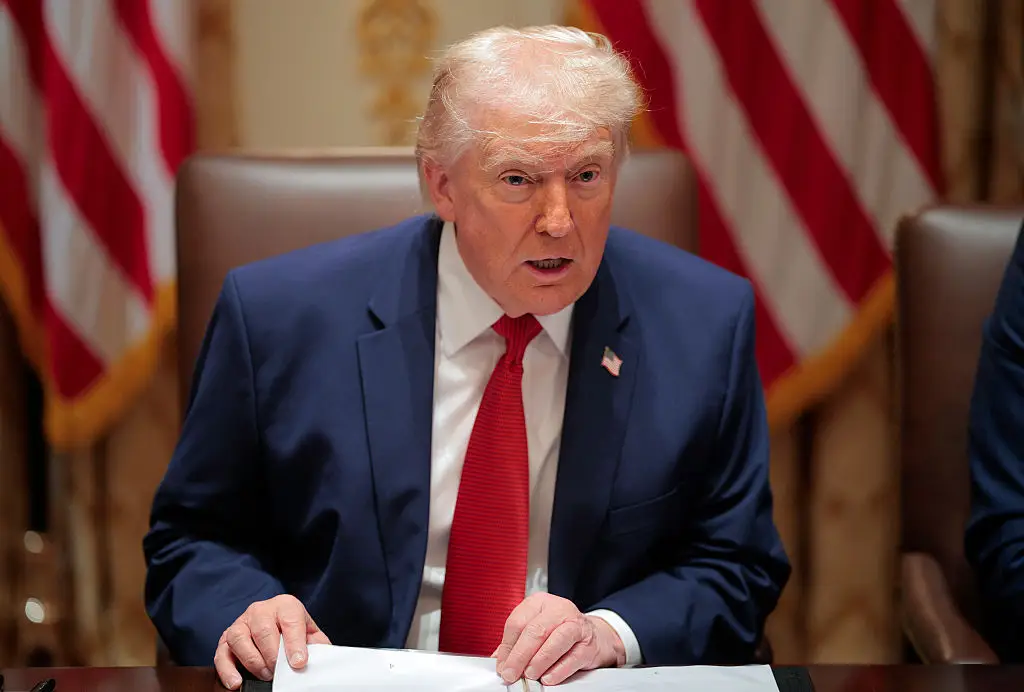
As per The Independent, a spokesperson for German Chancellor Friedrich Merz previously said: “It is not NATO’s war. NATO is an alliance to defend the alliance area. The United States did not consult us before this war, and so we believe this is not a matter for NATO or the German government."
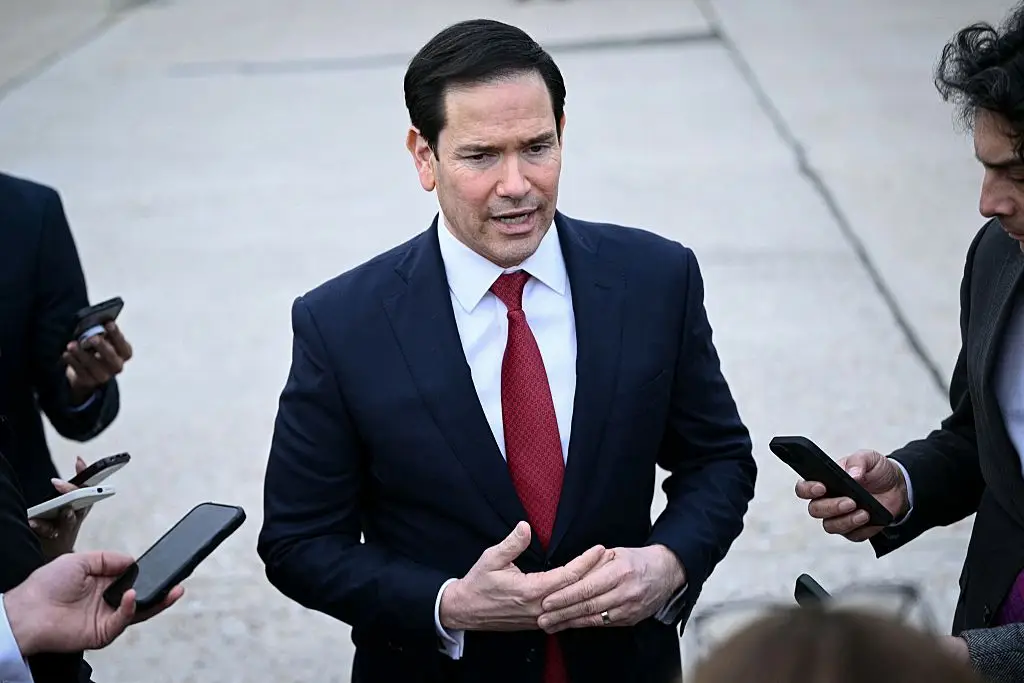
While US Secretary of State Marco Rubio told Fox News yesterday (31 March): "If now we have reached a point where the NATO alliance means we can’t use those bases to defend America’s interests, then NATO is a one-way street."
He questioned: "If NATO is simply about us having troops in Europe to defend Europe, but when we need them to allow us to use their military bases, their answer is no, then why are we in NATO?
“So I think there’s no doubt, unfortunately, after this conflict is concluded, we are going to have to reexamine that relationship."
Can the US leave NATO?
Although Trump has made it crystal clear he's considering leaving NATO, questions have arisen over how he would actually do so.
For context, NATO, aka the North Atlantic Treaty Organization, was formed in 1949, and currently has 32 countries within its alliance.
The core purpose of NATO is to 'safeguard the freedom and security of its member countries and their one billion people' and its members are 'committed to protecting each other from any threat'.
America has been a core NATO member since its founding, which means it's not exactly easy to leave, despite Trump threatening to do so before.
Ilaria Di Gioia, a senior lecturer in American law at Birmingham City University, told TIME Magazine in January that the National Defense Authorization Act of 2024 'sought to place a firm legal brake on any future attempt to pull the United States out of NATO'.
The act prohibits any President from leaving the alliance without either a two-thirds Senate super-majority or an act of Congress.
Gioia said: "Those legal constraints remain far from solid. Trump could seek to circumvent Congress’ statutory constraint by invoking presidential authority over foreign policy, an approach he has floated before to bypass congressional limits on treaty withdrawal."
She explained that it's 'unclear whether any party would have legal standing to challenge such a move in court'.
Adding: "The most plausible plaintiff would be Congress itself, but with the Republicans in control of the Senate, political support for such a lawsuit is far from assured. “The result would be a constitutional confrontation between the Executive [branch] and Congress, with the courts as the likely referee.”
Alternatively, Trump could frame the withdrawal as 'necessary for national defence,' citing broad Commander-in-Chief authority, but he would need a strong argument to support that.
Either way, if he does go ahead with it, it looks like it's not going to be a swift or easy exit.
Topics: Donald Trump, Politics, World News, US News, Explained, Iran
 Madison Burgess