How 2025 budget will affect women as controversial 'rape clause' is lifted

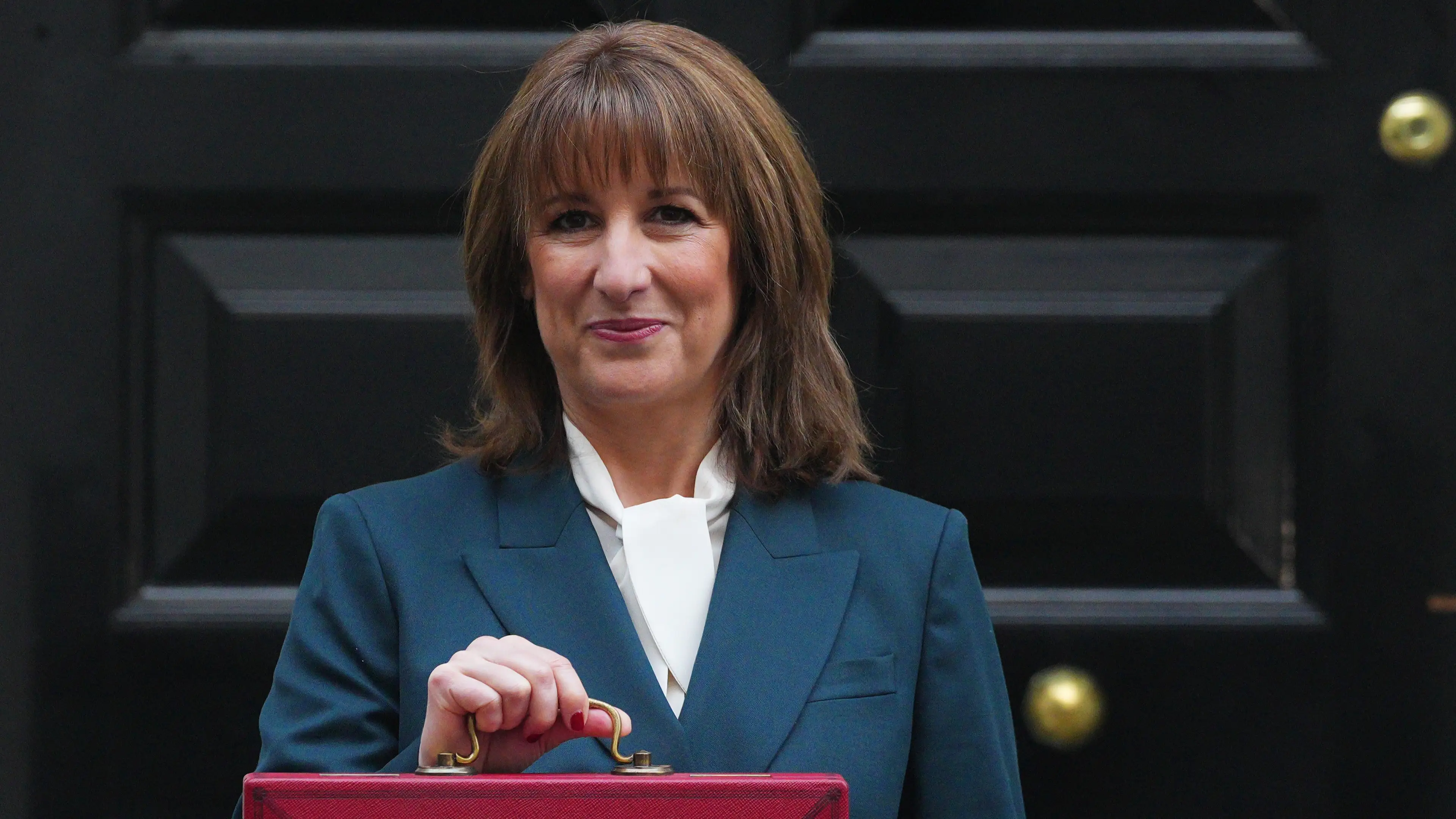
Yesterday (26 November), UK Chancellor Rachel Reeves delivered her second Budget.
Now, it was previously announced that the minimum wage will see an increase in April 2026, from £12.21 to £12.71 an hour for workers over the age of 21, while those between 18 and 20 will see their rates go from £10 to £10.85. Meanwhile, 16 to 17-year-olds will experience an increase from £7.55 to £8.
Reeves has also made a number of other changes to personal tax thresholds as well as to the Individual Savings Accounts (ISA) system, a council tax surcharge and a £150 cut to the average household energy bill from April 2026.
But how will the 2025 budget specifically impact women now that the seriously controversial 'rape clause' has been lifted?
Advert

End of the two-child benefit cap
Reeves has confirmed that April next year will see the end of the two-child benefit cap, which limits universal credit and tax credit claims to two children in most households, in a move that will increase the benefits for 560,000 families by an average of £5,310, the Office for Budget Responsibility (OBR) has calculated.
She described the two-child cap as a 'policy that pushes kids into poverty more than any other', adding that 'it has failed' on the terms it was brought in on.
Speaking to MPs at Parliament on Wednesday, she explained: "I understand that many families are finding times hard, and that many have had to make difficult choices when it comes to having kids.
"And there are many reasons why people choose to have children and then find themselves in difficult times – the death of a partner, separation, ill health, a lost job. I don’t believe children should bear the brunt of that."
Women faced the worst consequences of this policy, including single mothers, those who have left abusive situations, and parents with children from multiple partnerships.
Removing the cap would lift 450,000 children above the poverty line and, for the women raising them, this change would ease daily pressures including covering essentials like school uniforms, groceries, and heating bills, while still being able to preserve their dignity.
'Rape clause' lifted
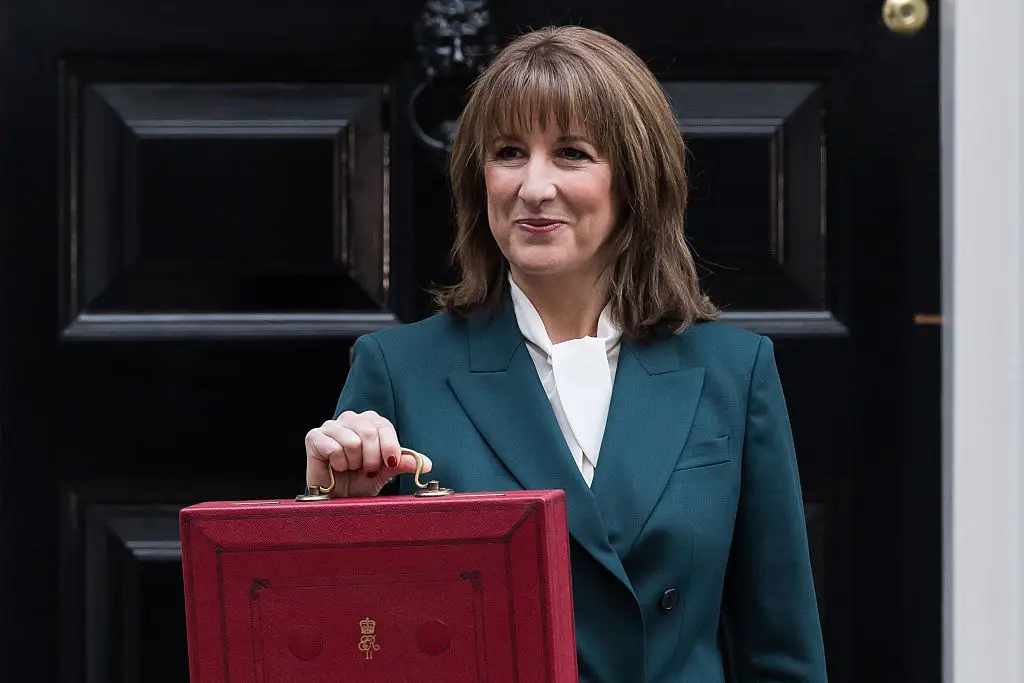
In her address, Reeves then referenced what is known as the 'rape clause'.
"And neither can I in good conscience leave in place the vile policy known as the 'rape clause', requiring women to prove if their children have been conceived non-consensually to receive support," she continued.
"I’m proud to be Britain’s first female Chancellor of the Exchequer. I take the responsibilities that come with that seriously. I will not tolerate the grotesque indignity to women of the 'rape clause' any longer."
The Chancellor declared it 'dehumanising' and 'cruel', assuring: "I will remove it from the statute book."

Minimum wage increase
As we say, the minimum wage will see an increase in April 2026, and, given that women make up the majority of minimum wage workers, more money coming in should help.
Energy bills decrease
Women, particularly single mothers and older women living alone, have felt the crushing cost of energy bills the hardest.
The budget has announced an average £150 cut to energy bills next year by removing green levies.
While the number isn't colossal, every little helps matters during a cost-of-living crisis.
Employment and skills support
There's over £1.5 billion which is going into employment and skills support, something a young woman starting out on the career ladder will be able to benefit from.
In short, the Youth Guarantee means if you're 18-21, on Universal Credit and have been job-hunting for 18 months, you'll get a guaranteed six-month paid work placement.
On top of that, there's also £725m that has been put aside for apprenticeships, with full funding for under-25s at small businesses.
This is a massive door-opener for young women who have been told university is the only route, or who can't afford three years without earning.

Income tax thresholds are frozen
Income tax thresholds will be frozen until 2031.
Now, when tax thresholds are frozen, the idea is that wages rise with inflation and more of your income gets taxed.
So while you might get a pay rise, a bigger portion of that will go to tax - something known as 'fiscal drag', which is when you feel poorer even when you're technically earning more.
And for women, who already earn less than men on average and are more likely to work part-time, this tax can be financially harmful.
Reforms for cash ISAs
The Chancellor also announced that there will be changes to the Individual Savings Accounts (ISA) system, with the existing £20,000 allowance remaining, though £8,000 of this will now be used solely for investment purposes.
If you're over 65, you will be allowed to retain the full cash allowance of £20,000, while those with stocks & shares ISAs will also have the same annual contribution limit.
But this needs to be exercised with caution.
"Here's my concern," explained Ayesha Ofori, financial and property expert and the Founder & CEO of Propelle, the UK's first investment platform for women, to Grazia. "For women who've been told investing is risky, complicated, or 'not for people like me,' it might feel like being pushed into something they don't understand.
"So the intention is good – cash loses value to inflation, investments typically grow over time. But the execution matters. We need education, support, and accessible platforms like Propelle to help women feel confident about this shift. Otherwise, it's just another financial hurdle."

Pension changes
From April 2029, salary sacrifice pension contributions above £2,000 annually will no longer be exempt from National Insurance.
This change particularly affects higher earners who have been using salary sacrifice as a tax-efficient way to increase their pensions.
"For women climbing the career ladder, this is a blow," Ofori warns. "We already face the motherhood penalty - earning 42% less five years after having a first child. We're already playing catch-up with our pensions. Now, one of the tools to accelerate pension saving has become less attractive."
If you have been affected by any of the issues in this article and wish to speak to someone in confidence, contact the Rape Crisis England and Wales helpline on 0808 500 222, available 24/7. If you are currently in danger or need urgent medical attention, you should call 999.
If you've been affected by any of the issues in this story, you can find more information about where to get help from Turn2Us via their website.
Topics: Advice, Explained, Jobs, Life, Money, News, Parenting, Sex and Relationships, UK News, Cost of Living, Crime
 Rhiannon Ingle