
Doctor reveals ‘dismissed’ signs of perimenopause you probably will ignore

A doctor has revealed the less-known symptoms of perimenopause that people often overlook.
If you thought that the menopause just meant a couple of hot flushes here and there - you would be mistaken.
Perimenopause is the period of time leading up to the menopause, and usually starts in a woman's mid 40s.
Despite this, some women experience these symptoms much earlier in their 30s, so it's handy to know what to look out for.
Advert
How do you know if you are perimenopausal?
According to the NHS, perimenopause is when you have symptoms of menopause, but your periods have not stopped yet.
When you have not had a period for 12 months, perimenopause ends and you reach menopause.
Common symptoms of perimenopause
Changes to your periods, mental health as well as physical aspects of your body are all common symptoms of perimenopause, the NHS states.
However, there are a number of signs - which can impact a person's everyday life - that are often overlooked.
'Dismissed' signs of perimenopause
Dr Mary Claire Haver, Obstetrics and Gynecology specialist and Certified Menopause Practitioner, shared a YouTube video detailing the signs of perimenopause that usually get 'dismissed'.
These include:
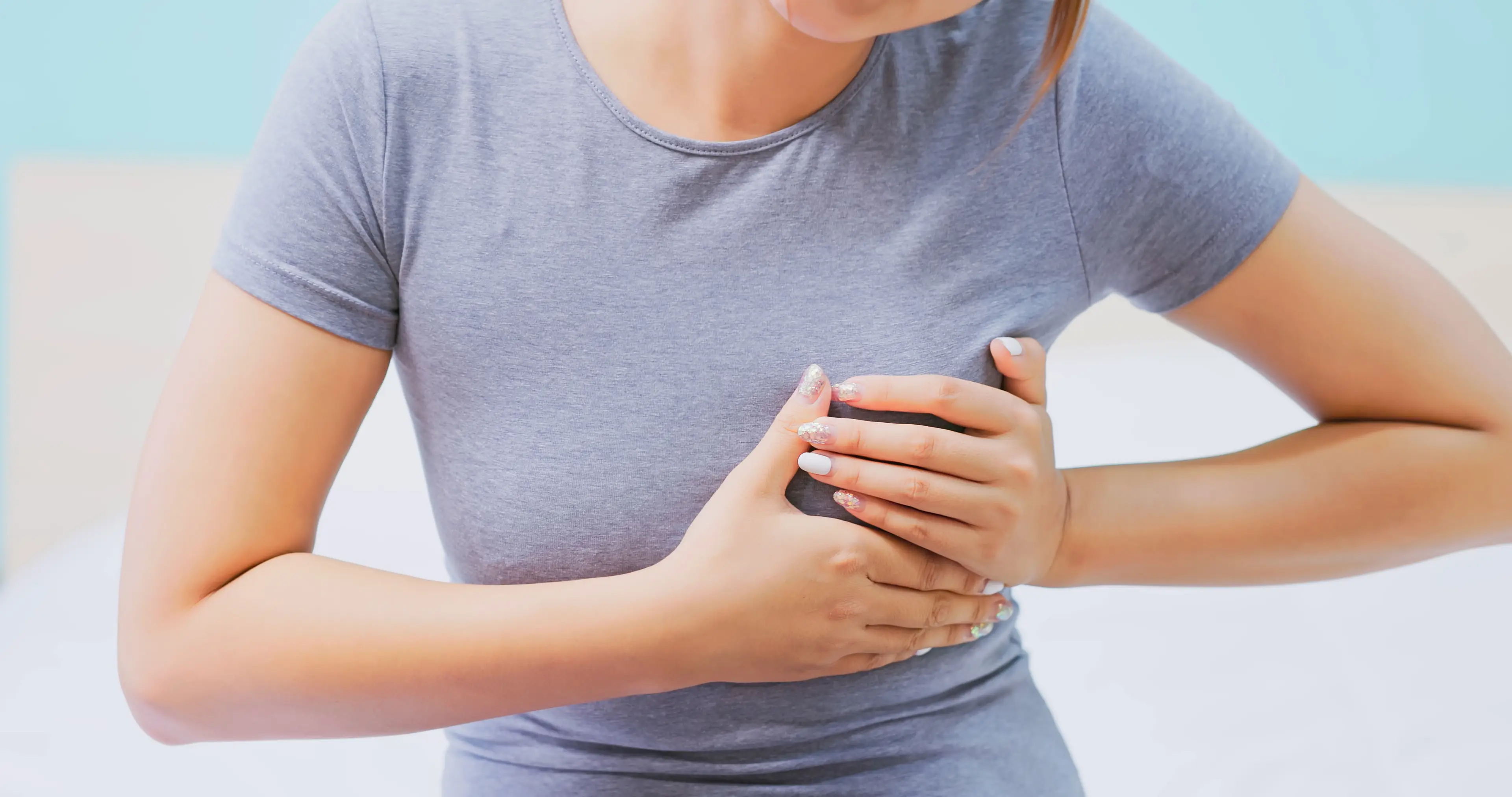
- Breast pain
- Dry and itchy skin
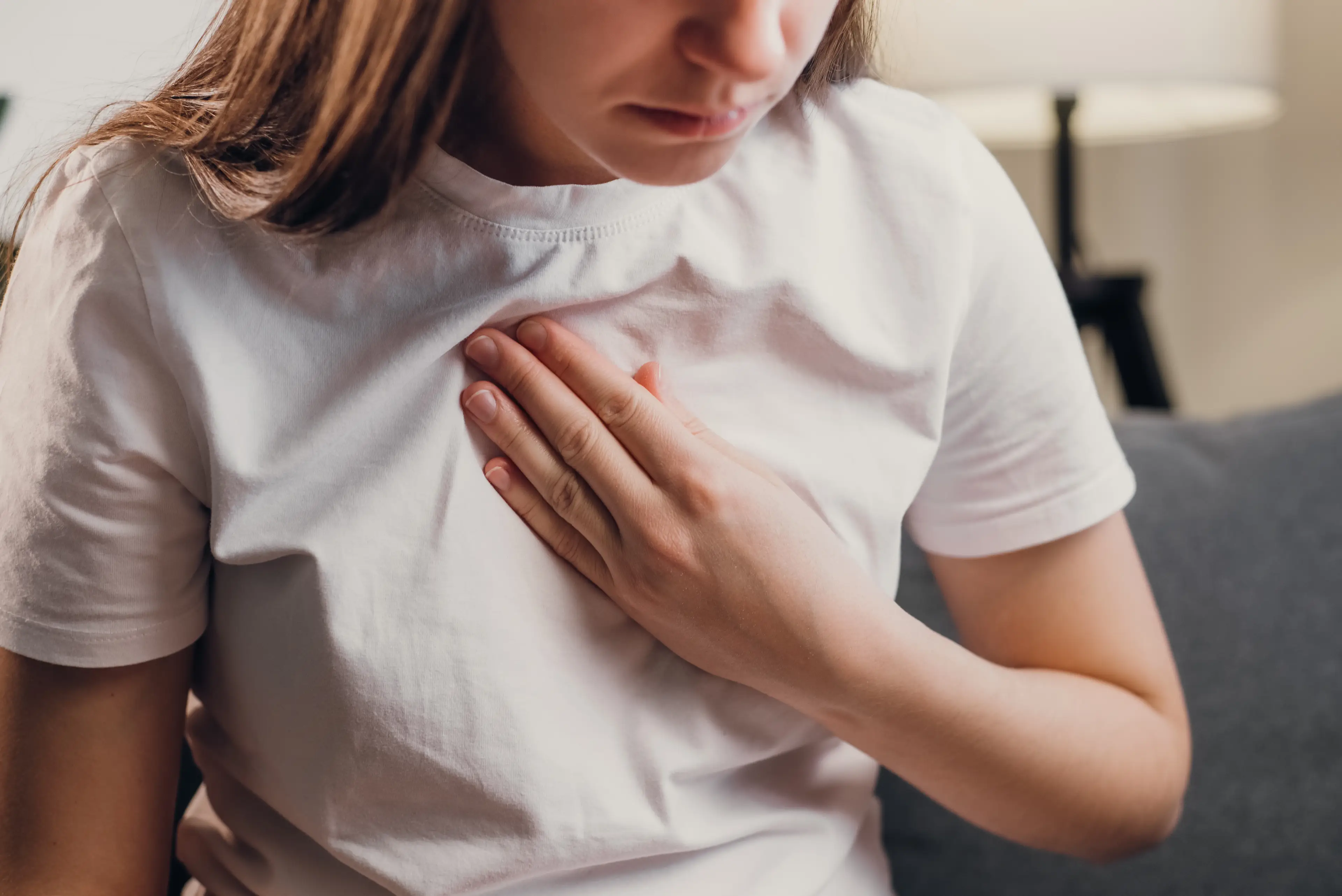
- Palpitations
- Panic attacks
- Constipation
- Dizziness
- Dry mouth
- Urinary incontinence
- Rage
- Brain fog
- Belly fat
- Increased blood pressure
- Increased cholesterol
- Insomnia
- Decreased sex drive
Of course, these symptoms can be attributed to a whole host of conditions but it's something to keep in the back of your mind nonetheless.
The expert also noted that 'hot flushes' weren't the only symptom that meant menopause could soon be approaching.
How long do symptoms last?
According to the NHS, symptoms of the menopause can last months or years and can change with time.
Night sweats and hot flushes may improve as time goes on, but decreased sex drive and vaginal dryness can linger after periods have stopped.
What can you do to help symptoms?
The NHS suggests that eating well, exercising, and looking after your mental health can all help to manage symptoms of the menopause.
Getting into a regular sleep routine, practising yoga, speaking to friends and colleagues going through a similar thing, and talking to your doctor, can also help.
In addition, it's advised to avoid smoking and drinking more than the recommended alcohol limit.
But there are also medical interventions that can help as well as lifestyle changes.
The main medicine treatment for menopause and perimenopause symptoms is hormone replacement therapy (HRT), which replaces the hormones that are at low levels.
If you have been affected by the contents of this article, please find more information and support via Menopause Matters on their website, or email [email protected].
Topics: Menopause, Health, Women's Health, Advice
 Mia Williams