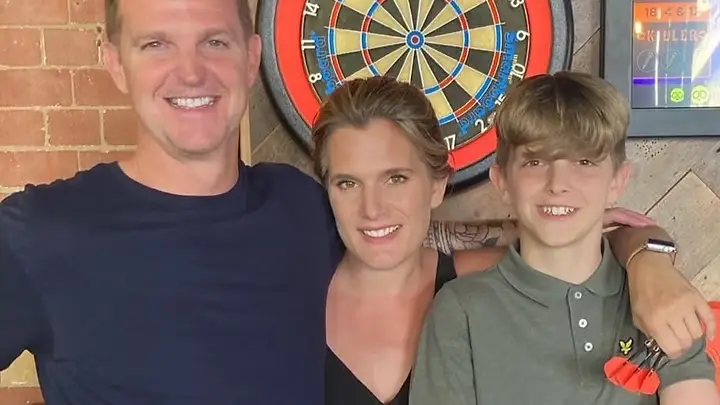
Mum of 14-year-old boy who died after participating in viral 'blackout' challenge is suing TikTok

In April 2022, Ellen Roome's worst nightmares were released when she called paramedics to tend to her 14-year-old son, after finding him unconscious in his bedroom, having taken part in a dangerous social media challenge.
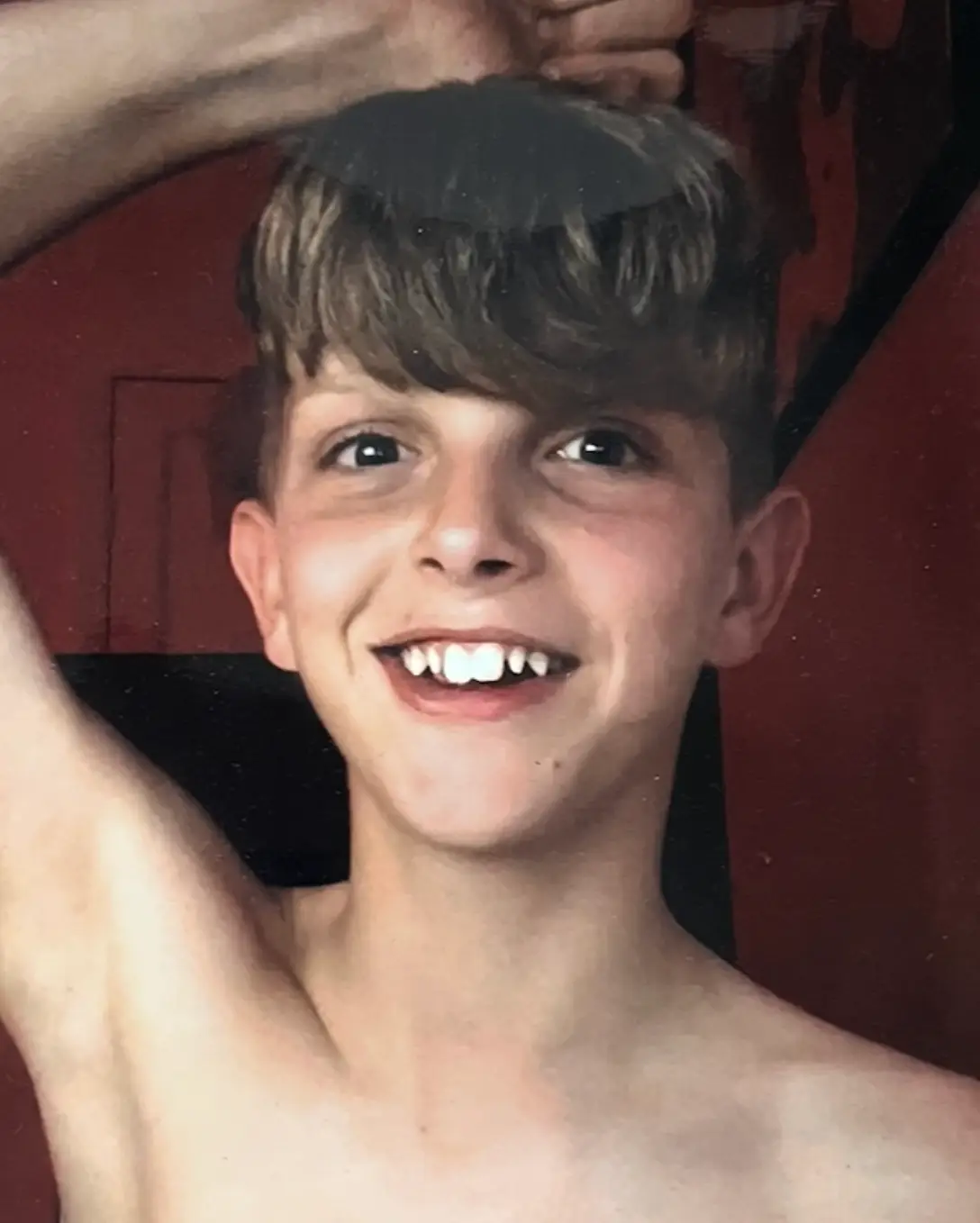
Despite the best efforts of health professionals to save his life, Julian 'Jools' Sweeney died at his home in Cheltenham, Gloucestershire, UK.
Now, Roome has filed a lawsuit against TikTok, claiming the short-form video-sharing app encourages youngsters to partake in life-threatening stunts, like the 'blackout' challenge that killed her son.
Along with a number of other British parents of children that died in similar circumstances, she appeared in the US for the first day of a legal hearing, which was formally filed by the Social Media Victims Law Centre.
Advert
Demanding 'accountability' from tech bosses, Roome told the BBC this week: "It's about time we held them to account and said, 'What are you showing our children?'"
She has also called for legislation to be implemented that would allow parents access to their children's online accounts if they were to pass away, which would be known as 'Jools' Law'.
This is due to the legal hoops Roome claims she was forced to jump through in a bid to gain clarity surrounding her son's death, which was originally suspected as a suicide.
She has since been attempting to obtain data from both TikTok and its parent company ByteDance that she believes would provide closure.
According to the official website, Jools' Law calls for the 'automatic preservation of a child’s online and social media data within five days of a child’s death', 'a clear, standardised process so digital evidence is not missed', and 'early protection of data to support investigations and inquests'.
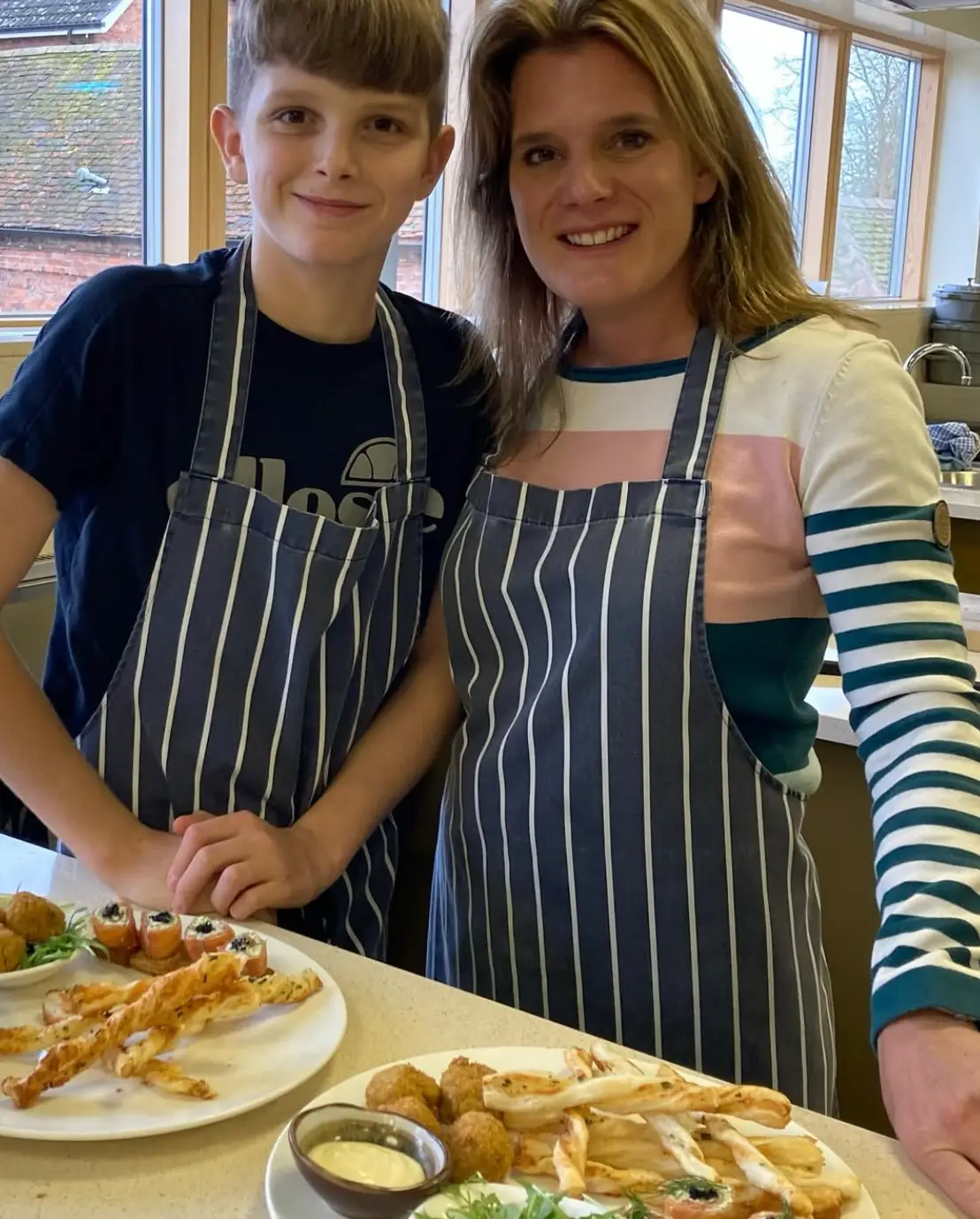
"We have our first hearing with TikTok and it's called a Motion to Dismiss hearing," Roome continued. "So TikTok are trying to kick us out and our lawyers are saying 'No, we've got a case here'.
"If we get past that stage, we get to discovery, where TikTok have to release our children's data if they haven't deleted it."
Responding to her international appeal, Gloucestershire police also announced last week their plans to reinvestigate Jools' death in the light of new information uncovered by his mother.
Several other teenagers Isaac Kenevan, 13, Archie Battersbee, 12, Noah Gibson, 11, and Maia Walsh, 13, all died whilst part-taking in the similar challenges to the 'blackout' stunt that killed Jools.
The latter reportedly sees youngsters intentionally cutting off their own oxygen supply to achieve a brief loss of consciousness for online videos.

In the suit, filed in the Superior Court of the State of Delaware, their deaths were described as 'the foreseeable result of ByteDance's engineered addiction-by-design and programming decisions'.
It also states that these are 'aimed at pushing children into maximising their engagement with TikTok by any means necessary'.
Claiming her appeal is 'not about money', Roome continued: "Social media companies are feeding our children harmful material. They make their products addictive by design so they automatically have hooked in children and adults."
Responding, a spokesperson for TikTok the firm offers their 'deepest sympathies remain with these families'.
"We strictly prohibit content that promotes or encourages dangerous behaviour," a statement continued. "Using robust detection systems and dedicated enforcement teams to proactively identify and remove this content, we remove 99% that's found to break these rules before it is reported to us."
The business is also bidding to have the filing dismissed on the grounds that the court has no jurisdiction over defendants based in the UK. Bosses are also citing the First Amendment of the US Constitution, which bars liability for third-party content hosted on the app.
Topics: Life, Real Life, True Life, Parenting, US News, UK News, TikTok, Social Media
 Rhianna Benson