Grand National jockey explained reason for forcing injured horse to finish race before dying

A Grand National jockey whose horse was put down after crossing the finish line at Aintree has explained what happened, and why he went on to finish the race.
More than 140,000 people attended the Liverpool racecourse over the past three days for one of the biggest events in the sporting calendar - the Randox Grand National.
The annual festival sees a weekend of horse racing; however, this year's event was overshadowed by the deaths of two horses, Gold Dancer and Get On George.
Gold Dancer tragically died after winning the second race on Ladies Day (10 April), and Get On George sustained a fatal injury in Saturday’s William Hill Handicap Hurdle (11 April).
Advert
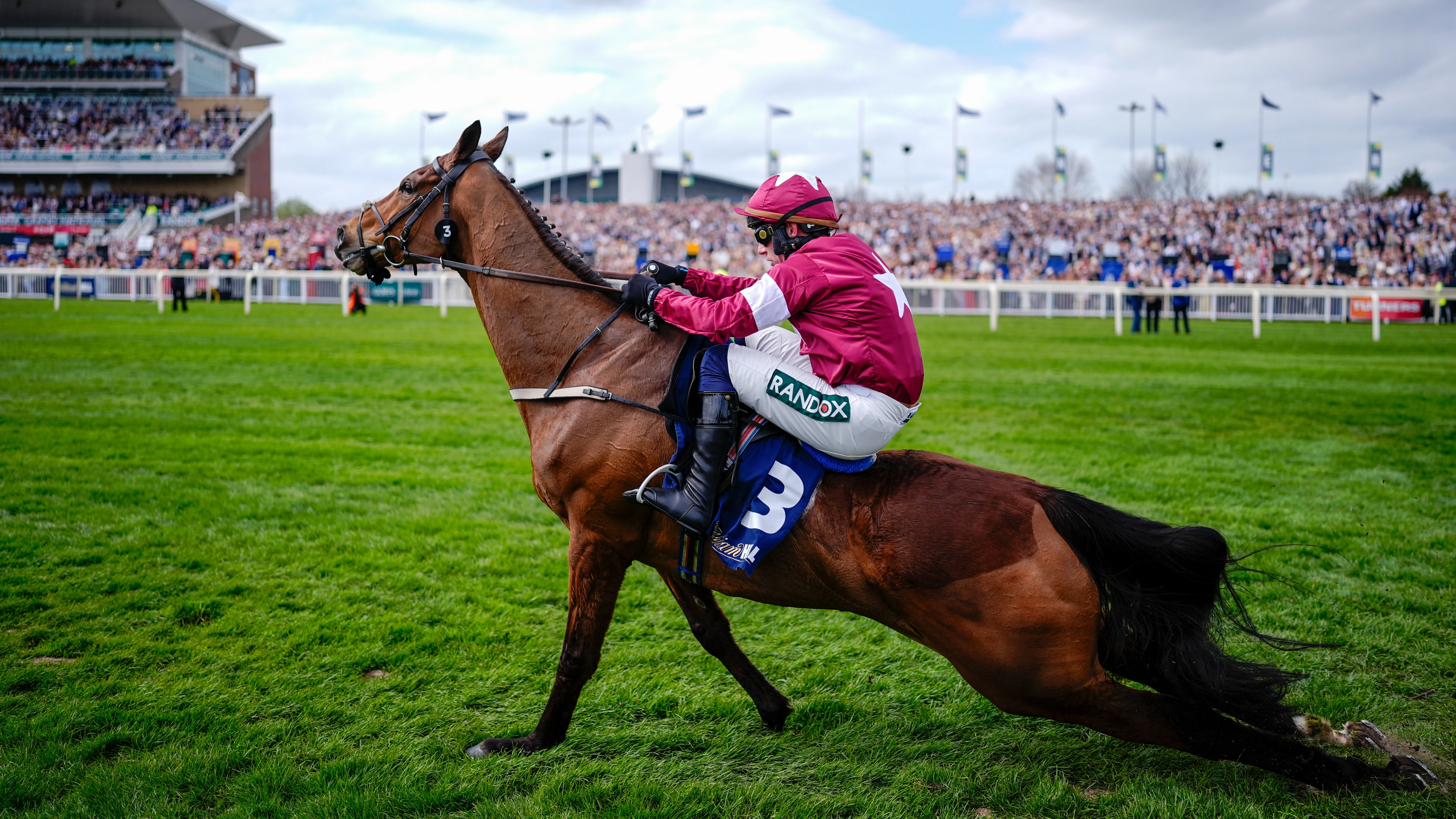
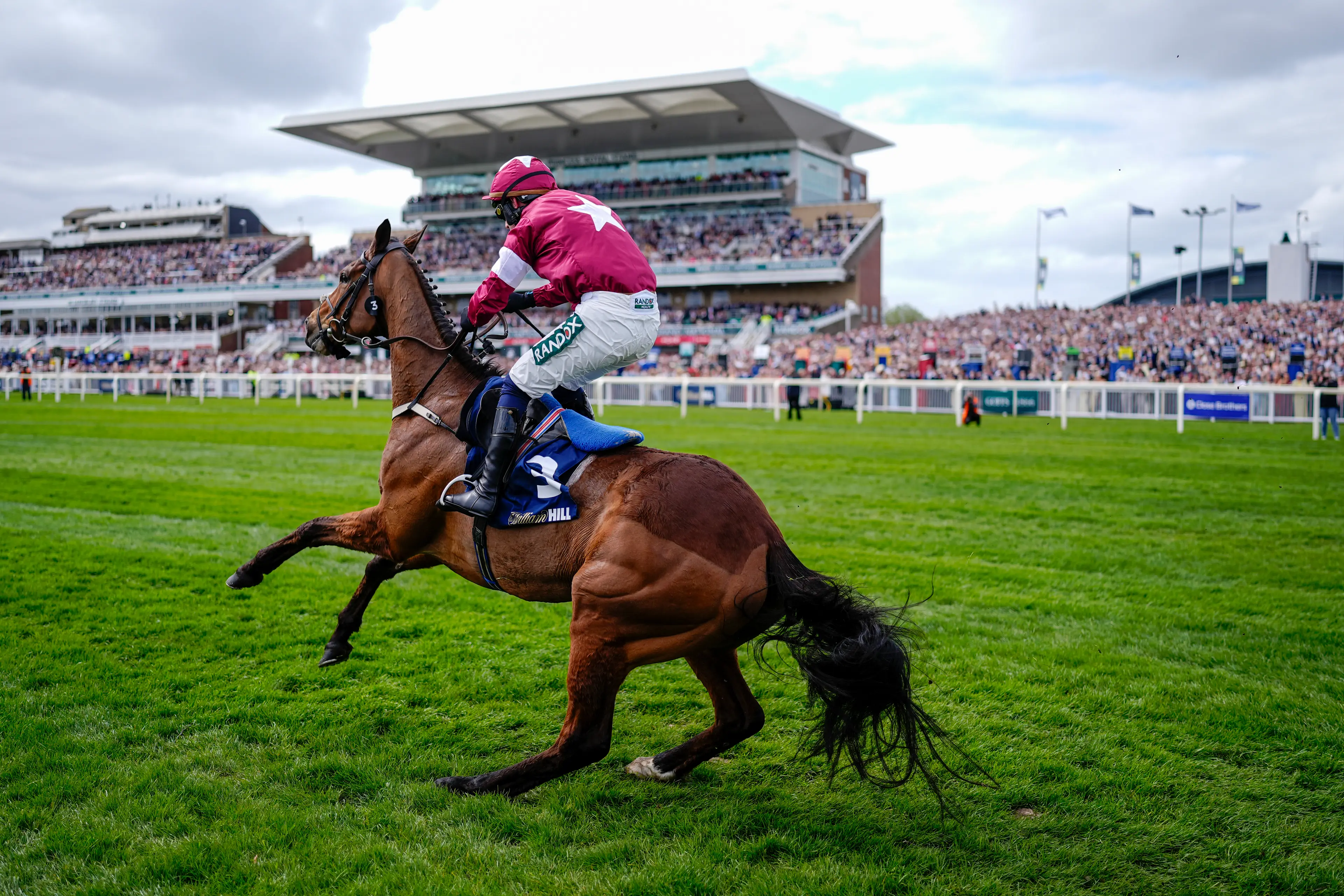
People at home and on the course watched as jockey Paul Townend rode Gold Dancer to the finish line, after he dragged his back legs through the final fence and landed awkwardly.
After winning, he was immediately pulled up after crossing the finish line, with screens erected for vets to assess and treat the seven-year-old horse, but sadly, he was put down as it was discovered his back was broken.
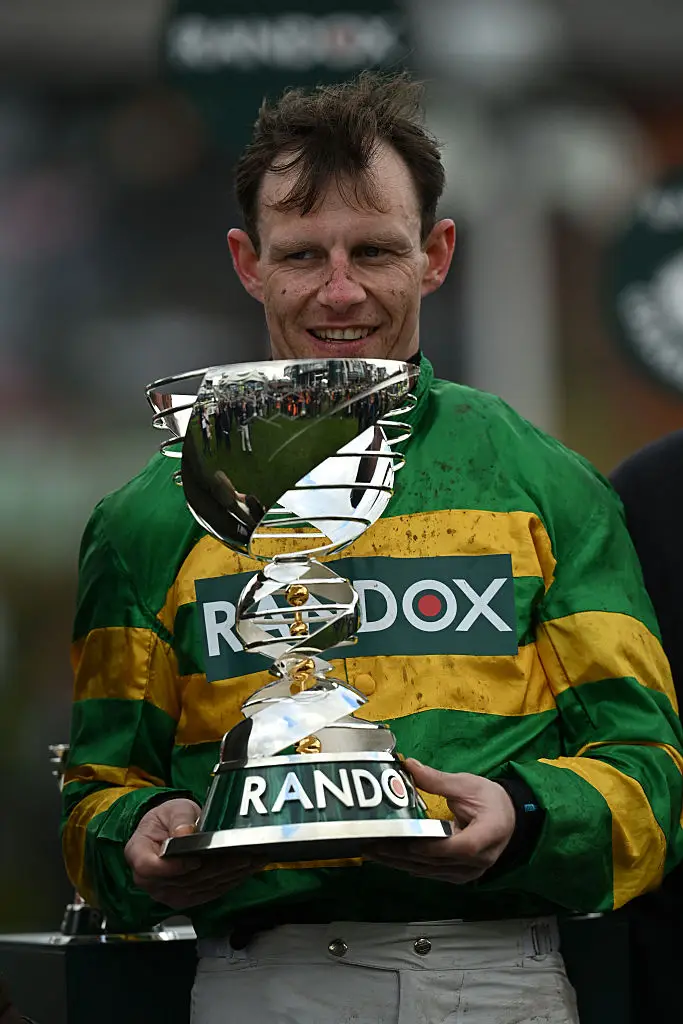
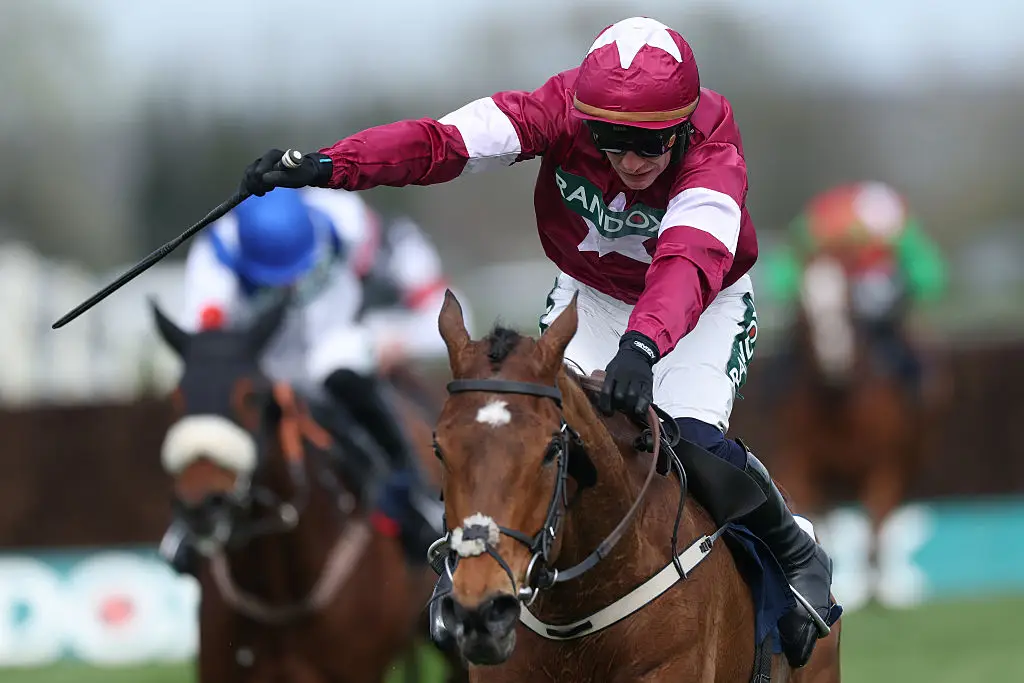
Townend went on to win the main race, the Grand National, a day later on Saturday, riding I Am Maximus.
However, the victory has been marred as he's faced significant backlash for riding and continuing to whip Gold Dancer over the finish line, despite his injury.
A routine stewards’ enquiry followed, which confirmed that Townend would not face punishment for continuing to ride the horse.
Paul Townend's explanation for what happened to Gold Dancer
Metro has reported that, according to James Given, the British Horseracing Authority’s director of equine regulation, safety and equine welfare, the jockey told the enquiry that Gold Dancer ‘felt normal’ after the stumble and there was ‘no indication’ that he had suffered a fatal injury.
Given told Racing TV: "What happened with the horse I’m sure everyone’s seen, he’s slipped on landing after the last, his hind quarters and legs went to the right-hand side, but he popped up very quickly and then galloped away.
"I was in the enquiry when, correctly, the stewards were looking into what happened, and I was able to watch the replay from the front and the back, and the horse stayed as straight as an arrow, so there’s no indication at that point that there was anything amiss."
The director added: "He [Townend] said all a jockey could do is go on how the horse feels, and the horse felt normal to him.
"It was only when he crossed the finishing line, the finishing line is slightly immaterial here, it’s actually when he was turning left and was when going down from a canter to a trot, a canter is a smoother, rolling action to a trot, a more of a stumpy action, and only when that happened that he felt something change in the horse’s action that was amiss.
"He pulled the horse straight up, dismounted, and let the vets attend the horse."
He affirmed that Gold Dancer stayed 'absolutely straight, he came up, there was no hanging, the hind feet were following exactly the front feet, it was a symmetric action, it wasn’t an asymmetric action'.
Given concluded: "No quarters out to one side or another, it was only when that action changed from a canter down to a trot that the effects of that slip became apparent and the horse showed there was something gone amiss."
Willie Mullins, who was Gold Dancer’s trainer, added: "I haven’t spoken to Paul about the stewards' enquiry, but he said to me that the horse galloped through the line fine and went down to a slow pace canter.
"Just as he was turning, he went into a trot, and that was the first he felt anything. He felt the horse was fine going through the winning post, pulling up in a canter.
"You have to turn the bend, he pulled on the rein to turn, and next thing the horse lost his action. He’s assuming whatever happened, happened there."
'Deaths at Aintree are not freak accidents'
The world's largest animal rights organisation, PETA (People for the Ethical Treatment of Animals) has also issued a statement on the deaths of the two horses at the Grand National Festival.
They called it 'one of the most hazardous events in the world, forcing horses to gallop at high speed for up to four miles while jumping some of the largest and most notorious fences in British racing'.
PETA's statement read: "Jump races are extremely dangerous for horses. Falls often result in broken necks, shattered limbs, spinal injuries, or fatal internal trauma. If their injuries don’t kill them straight away, horses are typically killed on site or later that day.
"Deaths at Aintree are not freak accidents - they are foreseeable consequences of a race designed to be extreme to attract gambling revenues, sponsorship, and viewers.
"Sometimes, horses are given performance-enhancing medications (both illegal and legal) and drugs to mask the pain from previous injuries. This just exacerbates the risks of a catastrophic breakdown.
"If the same harm were inflicted on animals in any other context, it would be widely condemned as abuse."
 Madison Burgess