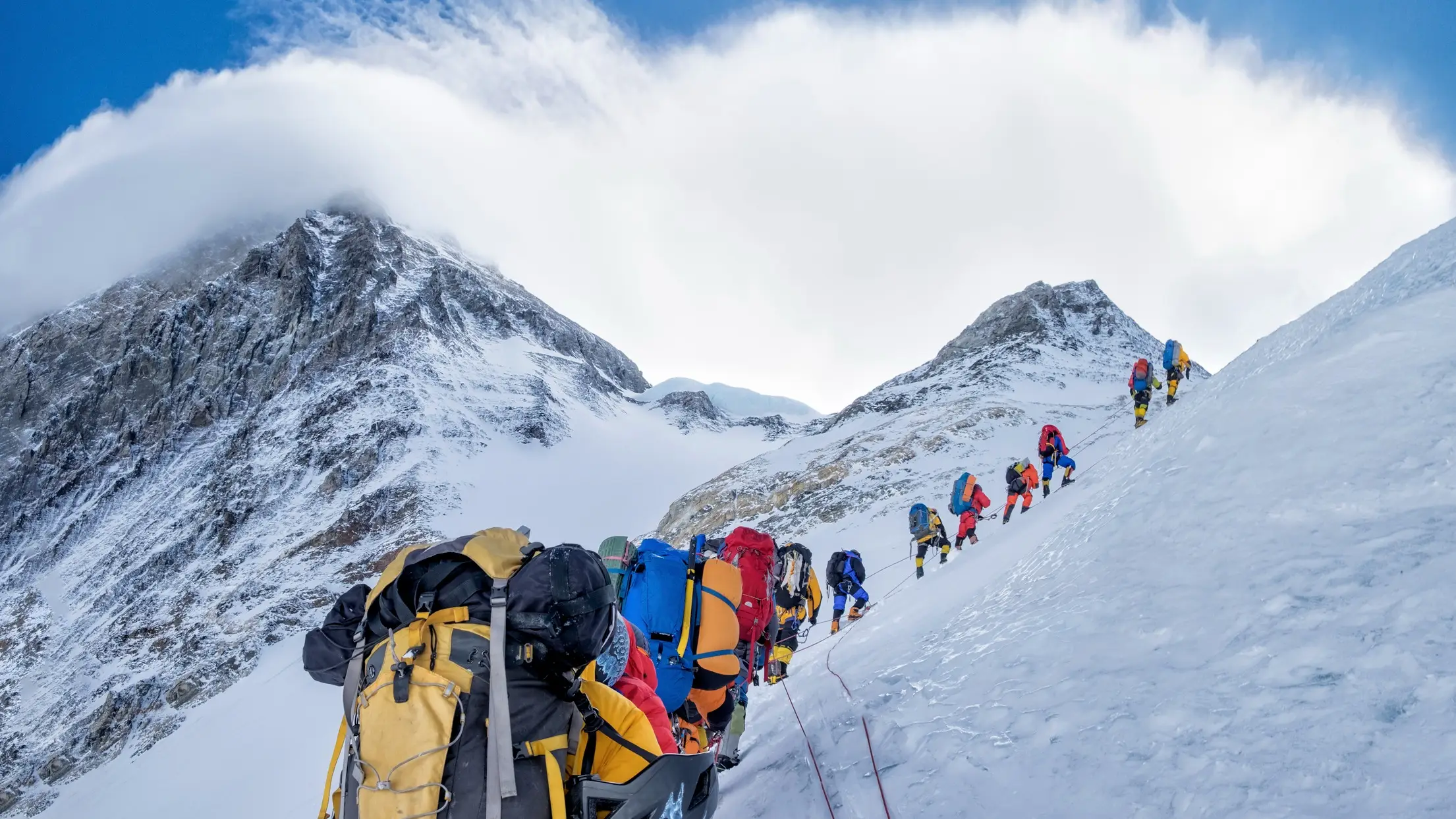
Mount Everest climbers allegedly being poisoned by guides in dark $20 million plot

Allegations that Mount Everest climbers were poisoned by guides have put Nepal’s trekking industry under renewed scrutiny, with police investigating whether a trusted rescue system was instead used to generate large insurance payouts.
The claims centre on treks in Nepal’s Everest region, where high altitude, patchy communications, and a dependence on local decisions can leave foreign travellers with little way to challenge events in real time.
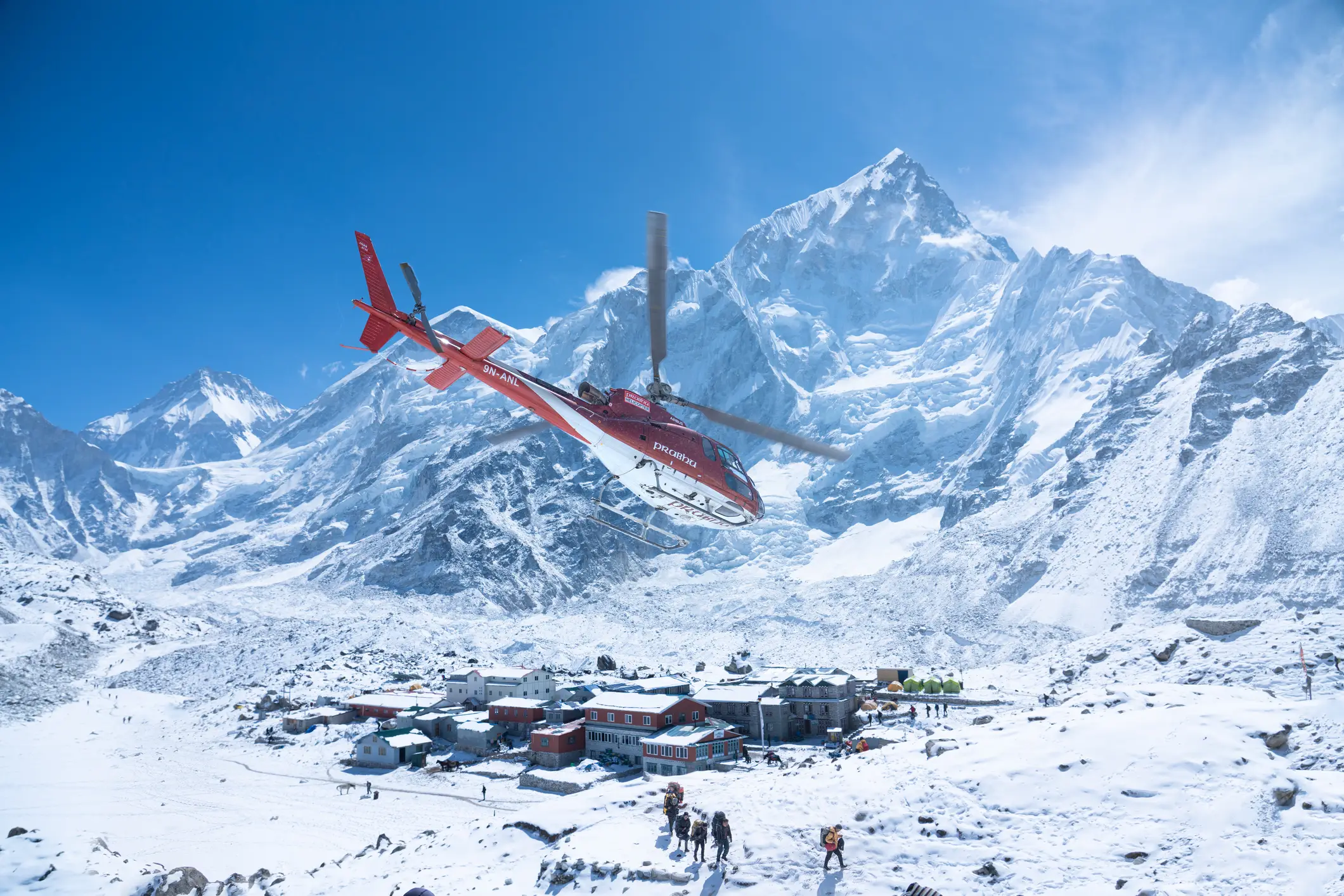
Helicopter evacuations are a routine part of mountain safety in Nepal and have saved countless lives when trekkers develop altitude sickness or other serious complications. However, they also create an urgent paper trail that insurers abroad must often assess after the rescue has already happened, relying on local flight records, hospital documents, and medical explanations prepared hundreds of miles from the policyholder’s home.
Advert
According to Nepal Police’s Central Investigation Bureau, and reported by The Kathmandu Post, investigators found that some trekkers were allegedly made sick with baking powder mixed into food, while others were reportedly given Diamox alongside excessive amounts of water to produce symptoms that could then be used to justify evacuation and treatment.
Police allege the fraud continued once the helicopter was called. A single aircraft carrying several passengers could, investigators say, be billed to multiple insurers as if each traveller had been flown out alone. Fake flight manifests and load sheets were also allegedly created, while hospital staff are accused of preparing admission and discharge records that did not reflect what had actually happened.
It turns out that this scheme has been pulled off many more times than you’d might expect before getting caught. Between 2022 and 2025, police identified 4,782 foreign patients treated across implicated hospitals, with 171 cases confirmed as fake rescues. On 12 March, the CIB charged 32 individuals, including staff linked to helicopter companies and hospitals, after reopening an investigation into a scam first exposed in 2018.
The police findings also suggest that not every tourist involved was entirely unaware. In one recovered WhatsApp exchange, a German trekker complained: “Your company charged double!!!” after noting that the helicopter cost had apparently already been paid directly by the insurer. Investigators also found cases in which foreign trekkers reported as critically ill were allegedly seen elsewhere while paperwork showed them receiving treatment.
The case has renewed questions over why earlier warnings failed to stop the practice. Manoj Kumar KC, chief of the CIB said: “The scam continued due to lax punitive action…When there is no action against crime, it flourishes. The insurance scam too flourished as a result.”
 Ben Williams