tyla homepage
  • News
  • Life
  • TV & Film
  • Beauty
  • Style
  • Home
  • News
    • Celebrity
    • Entertainment
    • Politics
    • Royal Family
  • Life
    • Animals
    • Food & Drink
    • Women's Health
    • Mental Health
    • Sex & Relationships
    • Travel
    • Real Life
  • TV & Film
    • True Crime
    • Documentaries
    • Netflix
    • BBC
    • ITV
    • Tyla Recommends
  • Beauty
    • Hair
    • Make-up
    • Skincare
  • Style
    • Home
    • Fashion
    • Shopping
  • Advertise
  • Terms
  • Privacy & Cookies
  • LADbible Group
  • LADbible
  • UNILAD
  • SPORTbible
  • GAMINGbible
  • UNILAD Tech
  • FOODbible
  • License Our Content
  • About Us & Contact
  • Jobs
  • Latest
  • Topics A-Z
  • Authors
Facebook
Instagram
X
Threads
TikTok
Submit Your Content
Two new symptoms to look out for that could mean you have the latest strain of Covid

Home> News

Published 17:28 2 Jan 2024 GMT

Two new symptoms to look out for that could mean you have the latest strain of Covid

The latest strain of Covid-19 is rapidly spreading

Rhiannon Ingle

Rhiannon Ingle

google discoverFollow us on Google Discover
Featured Image Credit: PonyWang / Ridofranz / Getty Images

Topics: Health, UK News, News, Covid-19

Rhiannon Ingle
Rhiannon Ingle

Rhiannon Ingle is a Senior Journalist at Tyla, specialising in TV, film, travel, and culture. A graduate of the University of Manchester with a degree in English Literature, she honed her editorial skills as the Lifestyle Editor of The Mancunian, the UK’s largest student newspaper. With a keen eye for storytelling, Rhiannon brings fresh perspectives to her writing, blending critical insight with an engaging style. Her work captures the intersection of entertainment and real-world experiences.

Advert

Advert

Advert

Brits have warned to look out for two new symptoms that could mean they have the latest strain of Covid-19.

In recent weeks, the UK has seen positivity rates for Covid-19 increasing in the run-up to Christmas and a strain of the reported 'Pirola' variant - JN.1 - has been rapidly spreading across the country.

The UK Health Security Agency sub-categorised it early last month (4 December) after its 'increasing prevalence within the UK and international data'.
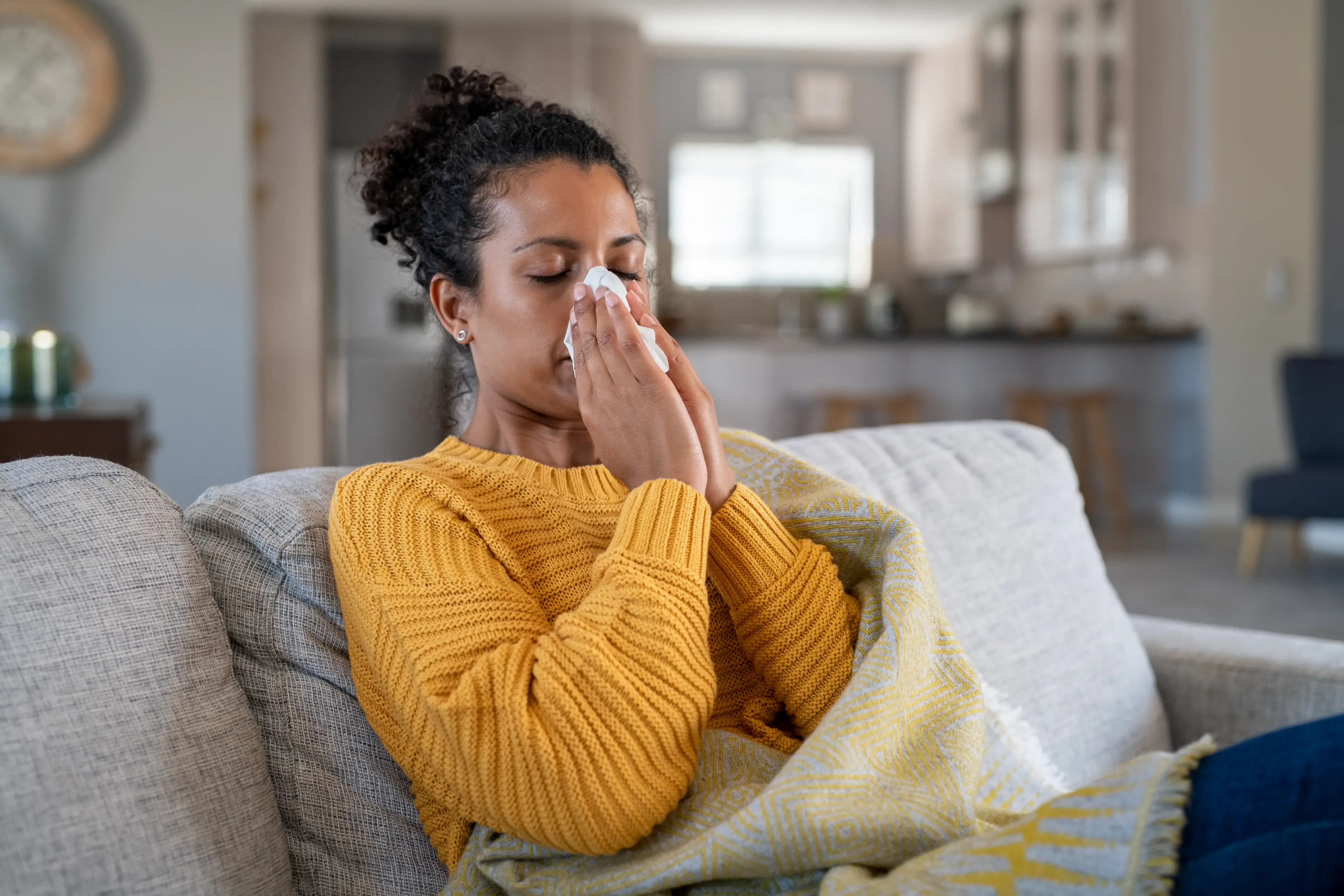
There are two new reported Covid-19 symptoms to look out for.
Ridofranz / Getty Images

Advert

The virus has since produced two new symptoms according to the latest data from the Office for National Statistics.

Usual symptoms previously reported by people who contracted Covid, included a high temperature, a blocked or runny nose and headaches.

The two new ones reported by sufferers now include trouble sleeping and anxiety as well.

In the most recent update of the Winter Coronavirus Infection Study, it said: "There has been an increase in prevalence of SARS-CoV-2 in England and Scotland during the two weeks leading up to 13 December 2023."

It also added there were fewer people reporting a lack of taste and smell.

Professor of innate immunity at the University of Cambridge, Clare Bryant, states that people have become 'complacent' about Covid - despite 'lots of people having it at the moment'.

"There are lots of other germs around as well - flu is circulating and other colds," she said.
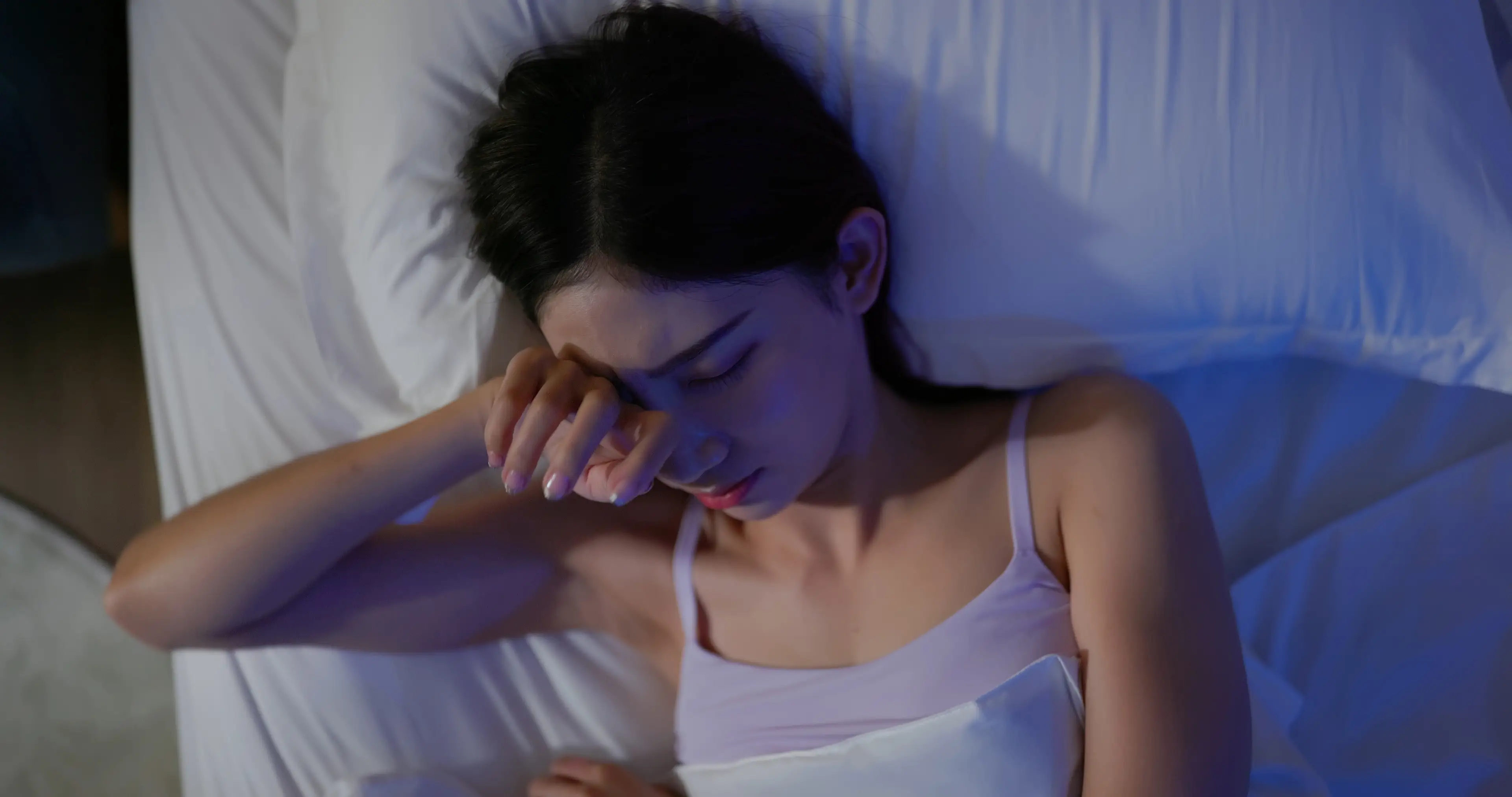
Those who now test positive for Covid may have trouble sleeping and suffer from anxiety.
PonyWang / Getty Images

Professor Nicolas Locker, a virologist at the Pirbright Institute, went on to add: "We're going to see a fairly large rise in cases this winter.

"Not because the newer JN.1 sub-lineage is more problematic or severe, but because we're losing our defences - protections afforded by our last set of boosters, and our immunity is waning."

According to the NHS, typical Covid-19 symptoms can include:

  • a high temperature or shivering (chills) – a high temperature means you feel hot to touch on your chest or back (you do not need to measure your temperature)
  • a new, continuous cough – this means coughing a lot for more than an hour, or 3 or more coughing episodes in 24 hours
  • a loss or change to your sense of smell or taste
  • shortness of breath
  • feeling tired or exhausted
  • an aching body
  • a headache
  • a sore throat
  • a blocked or runny nose
  • loss of appetite
  • diarrhoea
  • feeling sick or being sick

While most people start to feel better within a few days or weeks of their first Covid-19 symptoms and make a full recovery within 12 weeks, for some people, it can be a more serious illness and their symptoms can last longer.

If you have any concerns, you can always give 111 a quick ring for some advice.

Choose your content:

2 days ago
  • Getty Stock Image
    2 days ago

    Truth behind viral video of seven dogs ‘escaping captor’ as owner speaks out

    Reports circulated that a brave Corgi was leading the group, which included an injured German Shepherd

    News
  • Chris Jackson/Chris Jackson/Getty Images
    2 days ago

    Meghan Markle's Suits role was 'too much' for Royal Family, co-star's wife claims

    Meghan Markle played paralegal Rachel Zane in the USA Network legal drama - the love interest of Patrick J. Adams' main character, Mike Ross

    News
  • Getty Stock Photo
    2 days ago

    Irish woman wins lawsuit against boss who repeatedly called her ‘potato’

    Bernadette was subjected to 'offensive and humiliating' phrases at work

    News
  • Getty Stock Images
    2 days ago

    There’s an unusual syndrome that makes people feel pregnant when their partners are

    Scientists think that couvade syndrome could be linked to the emotions surrounding pregnancy

    News
  • Symptoms of highly mutated ‘Cicada’ Covid strain as cases surge
  • Red flag signs to look out for that could mean you have new ‘Nimbus’ or ‘Stratus’ strain of Covid
  • New Covid strain 'Cicada' identified and it’s raising vaccine concerns
  • Severe Covid-19 could increase risks of one type of cancer