
Staggering amount of money women spend on period products yearly revealed

Roughly half the population have periods.
As if the awful cramps, relentless mood swings, stained clothing, days off sick, and painful bloating weren't enough, we've also got to fork out a fortune simply because we bleed.
Now, everyone's cycle is different; women typically menstruate for around five days every single month, and those five days of bleeding, along with everything that comes with it, total to a pretty high monthly sum and an even higher lifetime cost when you add it all together.
Clue, the leading women-led period and cycle tracker, has done a deep dive into the true cost of menstruation and the impact of related expenses adding up year after year.
Advert
And, brace yourselves, because it's a pretty steep number...
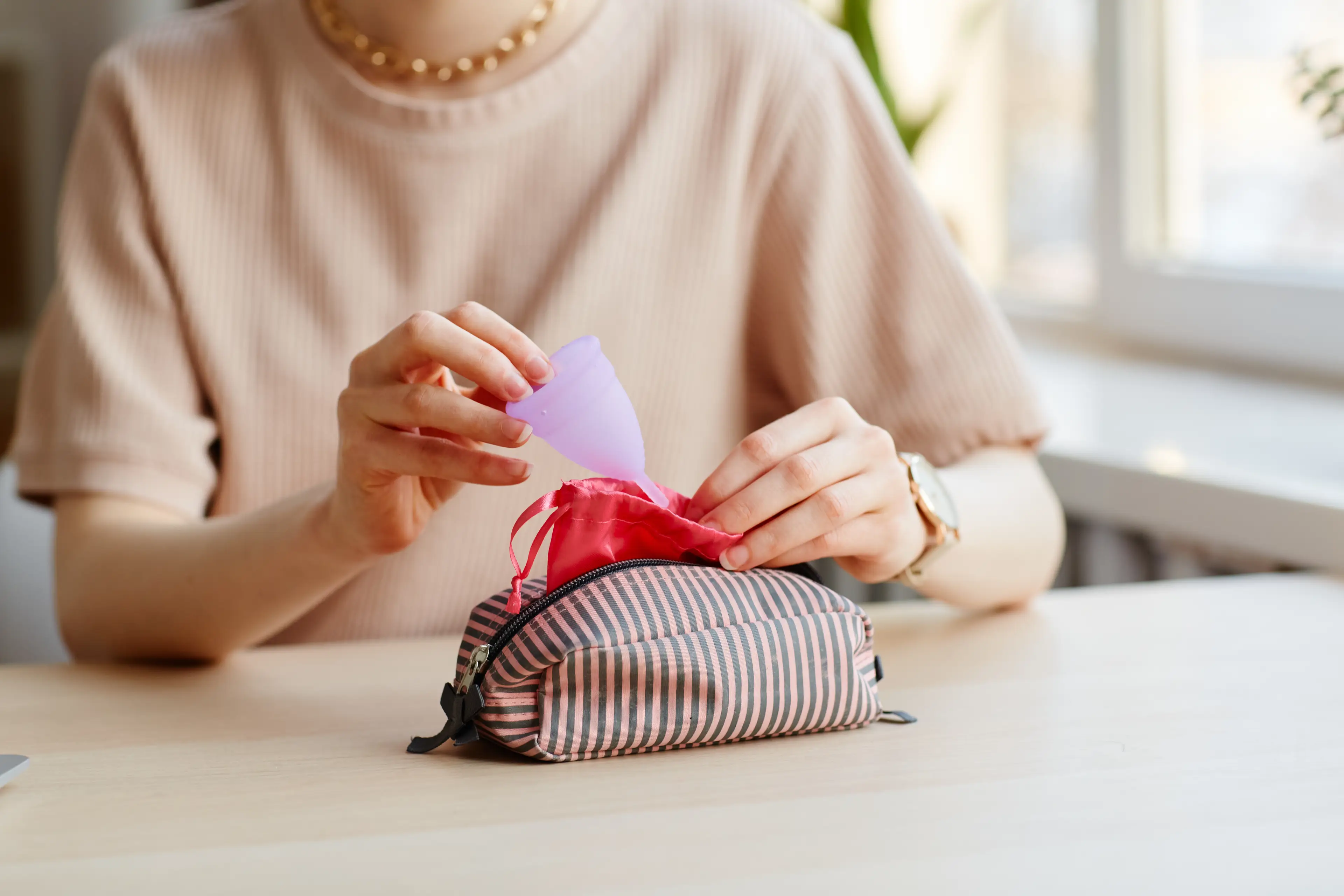
The lifetime cost of a period is £20,359
The consumer research reveals that, on average, respondents spend an estimated £41 on their cycle each month, amounting to an astounding £20,359 across a 38-year menstrual lifetime.
While period products alone account for an average of £18 per month, the total figure extends far beyond the essentials, revealing hidden costs incurred for pain relief, cleaning, clothing and even depleted productivity.
£142 a year on pain relief
According to the data, we spend £142 every year on symptom relief, including painkillers, supplements and hot water bottles.
This totals to £5,389 across a lifetime, while 27% of respondents pay for private healthcare to manage conditions such as PCOS or endometriosis.
Meanwhile, 37% of respondents have struggled to afford period products, with two in five (39%) cutting back on essentials like food, bills or transport to pay for them.
And nearly 40% have used 'non-period' alternatives such as tissues or wipes in place of pads due to the cost.

£126 per year on replacing stained clothing
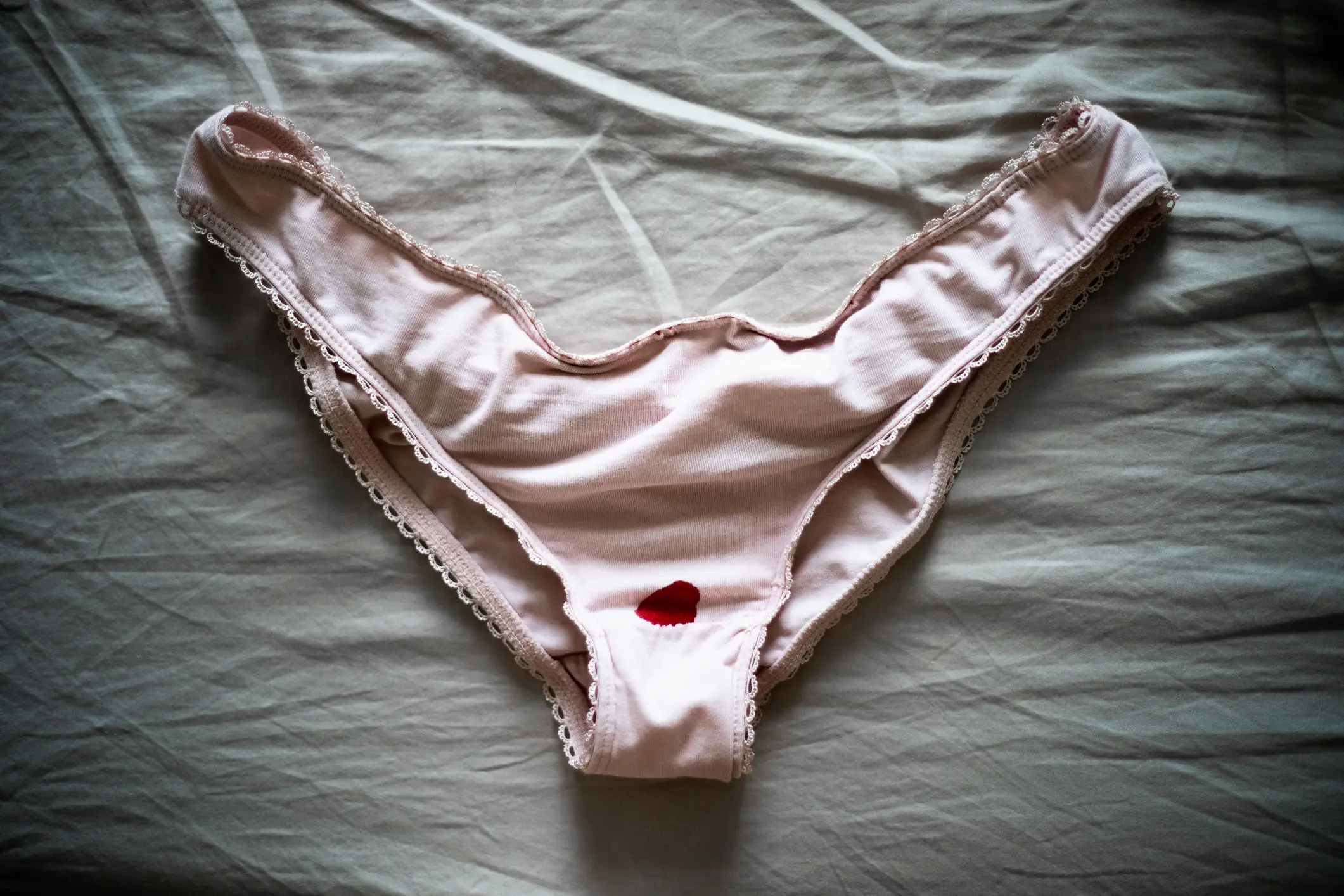
Additionally, an average of £126 per year is spent replacing stained clothing, with 56% also replacing bedding, adding to £1,295 across a lifetime.
Furthermore, 79% of respondents spend on emergency or 'just in case' supplies, including overpriced convenience items or emergency taxis after leaks.
Beyond the money
Clue highlights that the cost of bleeding extends beyond personal finances, too, as 44% of those in employment said it 'got in the way of doing their job', while a further 41% have missed a partial or full day of work in the last year due to menstrual symptoms.
Some experience a toll on mental health and wellbeing, with more than a third (36%) agreeing that the cost of managing their period is a direct source of stress and anxiety.
Three-quarters (75%) of respondents feel the financial burden of women’s health needs has increased significantly in the last five years.
A call for action
Amid the ongoing cost-of-living crisis, 82% want period products to be free and more widely accessible in UK schools, universities and workplaces, while 67% believe the cost of menstruation is not discussed enough.
Because of this, Clue has joined forces with women’s health advocate Ashley James to raise awareness of the 'Cost of Bleeding' campaign as part of its commitment to health equity. Together, they are petitioning the Government to make period products free in England.
Rhiannon White, Chief Executive Officer at Clue, urged: "Clue exists to help people understand and advocate for their bodies. Addressing the 'Cost of Bleeding' is a critical step in our mission to close the women’s health gap and ensure equity for women and people with cycles.
"We have always used our platform, and responsibility as a brand, to advocate for systemic change, and will continue to use our voice to speak out on behalf of issues that women face today, in a bid to fulfil our mission - of enabling a world where women live better.
"We encourage all men, women and people with cycles to sign the petition."
You can sign the petition here.
Topics: Explained, Health, Life, Money, Periods, Women's Health, UK News, News, Politics
 Rhiannon Ingle