Jane Doe's statement had key details 'omitted' by authorities as Cornell professor speaks out on action taken

Warning: This article contains allegations of rape which some readers may find distressing.
Questions are mounting over how authorities handled Jane Doe's alleged rape case after a police interview transcript revealed that a key detail from her account was not included in the statement provided to prosecutors.
The former Cornell University student alleges she was sexually assaulted by multiple men at a fraternity house in October 2024.
During an interview with Cornell University Police several weeks later, she explicitly told investigators she believed she had been raped. Yet Tompkins County District Attorney Matthew Van Houten said he had not seen the full interview transcript before deciding not to bring criminal charges.
Advert
The discrepancy has now become a central focus as the criminal investigation is reopened, raising questions about what information reached prosecutors and why.
According to CBS News, the transcript records Jane Doe describing the alleged assault in direct terms. Her six-page sworn statement, which CBS has obtained, did not include her explicit assertion that she was certain she had been raped.
The distinction matters - while it has not been established who was responsible for the omission or why it occurred, it has triggered renewed scrutiny of how her account was documented and assessed.
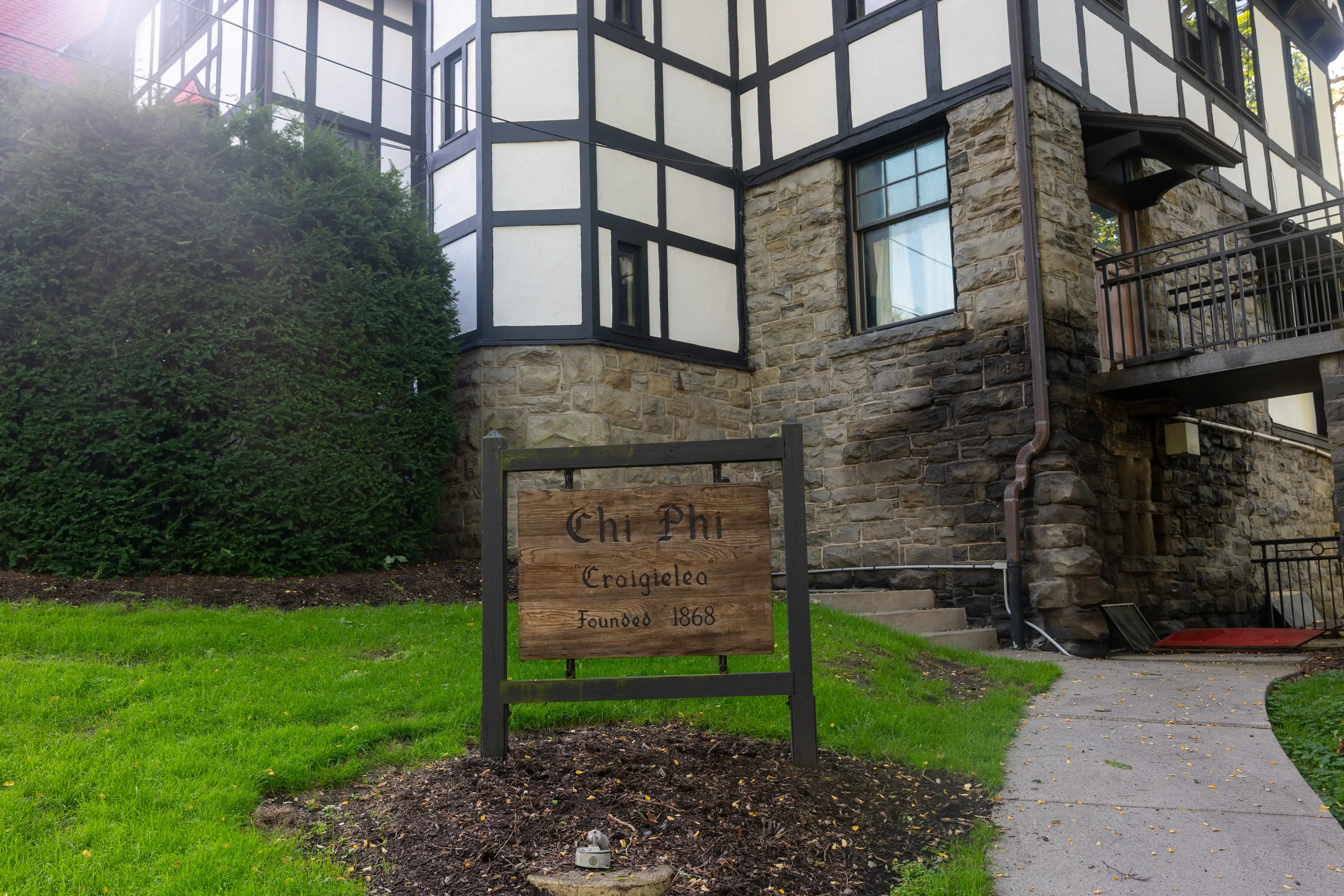
Jane Doe met with Cornell University Police in November 2024 to discuss what she says happened at the Chi Phi fraternity house the previous month.
Her interview involved a campus police investigator, a university Title IX investigator, a victim advocate and her adviser.
According to the transcript reported by CBS, Jane Doe distinguished between sexual activity she initially considered consensual and what she says happened later, when more men entered the room.
She described becoming increasingly uncomfortable, feeling pressured into sexual activity and being too intoxicated and affected by drugs to protect herself.
When asked about the later events, she told investigators: "I can say with 100% confidence I was raped."
She also described the experience as coercive, saying: "Yes. It was coercion, yes."
At another point, she said she had been 'completely and totally incapacitated'.
The transcript records her explaining that she could not remember the end of the night when she says the alleged rape occurred, and did not know how many men had sex with her.
These were statements made during a formal interview with investigators, making their absence from the document provided to prosecutors particularly significant.
The interview transcript shows that her account was read back to her so she could clarify or correct it. On the second day, she reviewed a revised six-page statement before signing it.
The statement included descriptions of her intoxication, the presence of multiple men and her discomfort with how events unfolded. However, CBS reported that it did not include the specific declaration in which she told investigators she was certain she had been raped.
It is not established that an entire section was deliberately removed, or who was responsible for the difference in wording.
Attorney Matthew Van Houten told CBS News that he had not been provided with the full transcripts of Jane Doe's original interviews with Cornell police.
"I never saw it, never heard it until tonight," he said.
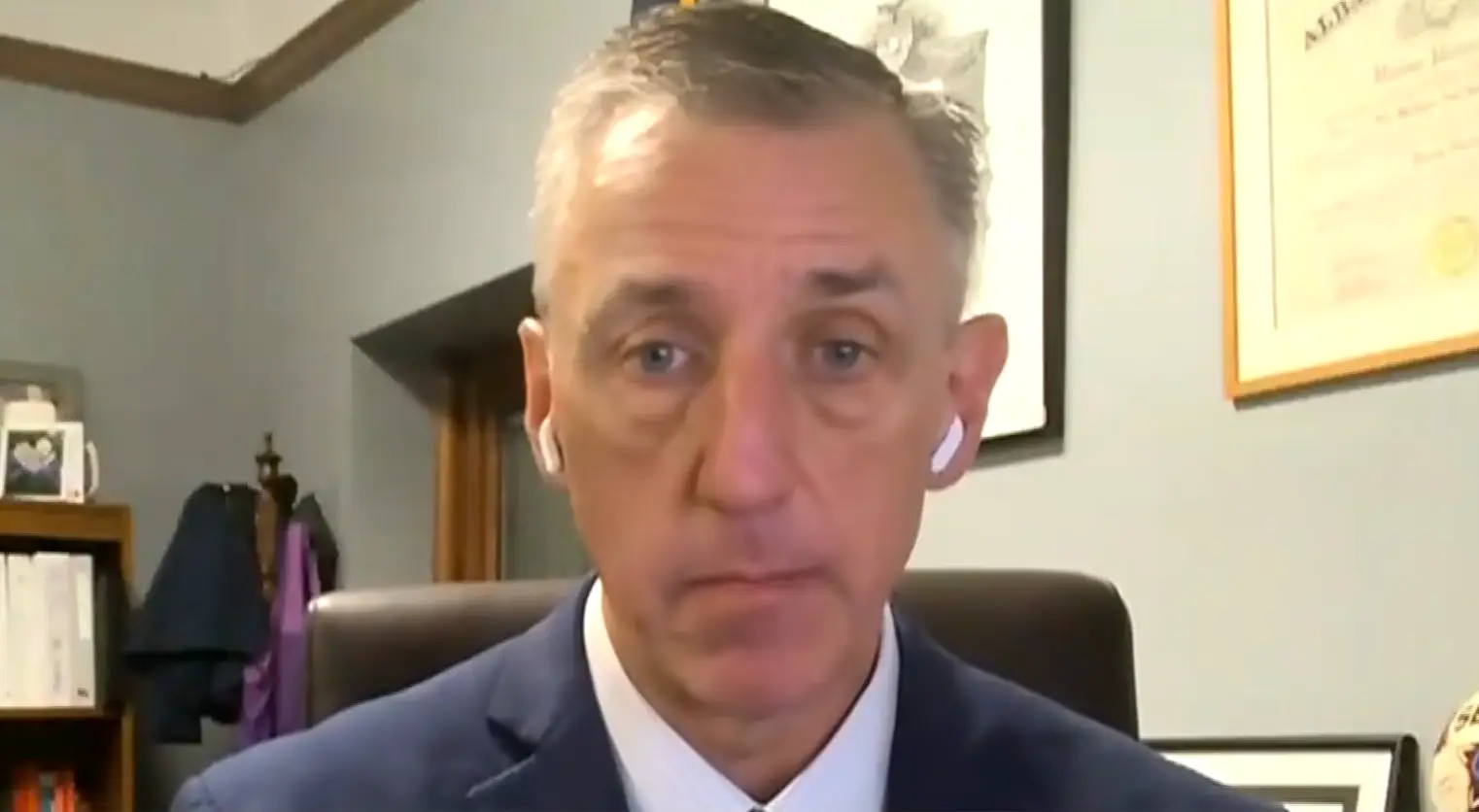
"If that kind of thing was omitted from a statement, if it is true, it needs to be fully investigated by someone outside of Cornell."
The district attorney's comments have raised questions about whether the information available to him adequately reflected Jane Doe's account.
Van Houten previously said the sworn statement provided to his office did not contain the explicit assertion that she had been raped.
In a statement issued on 28 September, 2026, he said: "I have been asked by the community to revisit the decision whether to pursue criminal charges against the seven fraternity members. I have already begun that process, starting with our conversation with Jane Doe and her attorneys."
The district attorney's office had previously said the original statement 'described her participation in drug use and sexual conduct as voluntary, conscious, and consensual'. The investigation is now being reconsidered in light of the further information that has emerged.
Cornell University has said its police department shared Jane Doe's sworn statement and a screenshot of messages from the fraternity's Snapchat group with prosecutors.
However, the university's position that it shared those materials does not resolve the question of why the full interview transcript was not provided.
In a statement issued on 28 September, Cornell said it supported the district attorney's decision to give Jane Doe's account an opportunity to be heard by a criminal grand jury.
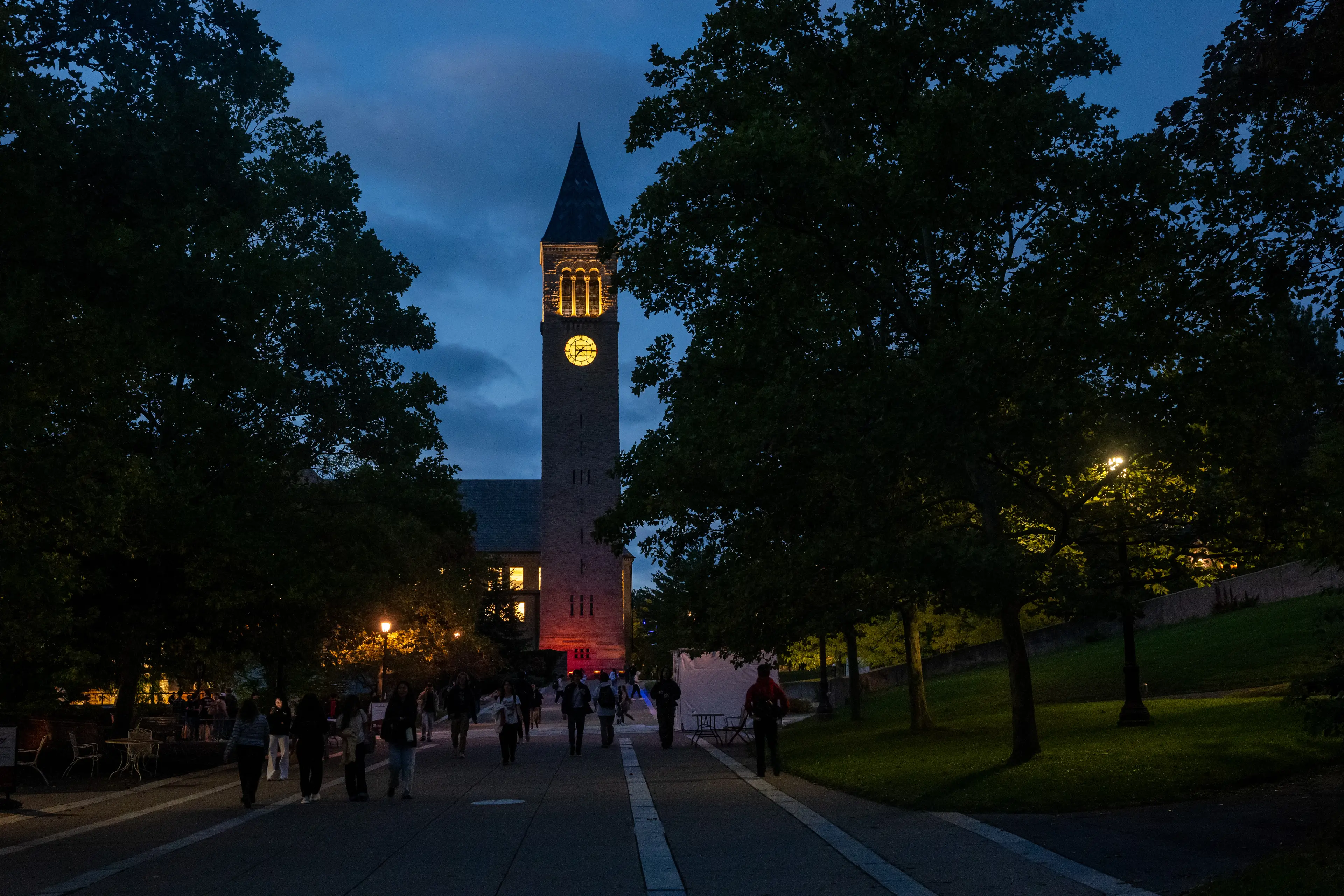
The university also defended its handling of the internal disciplinary process, saying: "Any suggestion that the university did not impose consequential punishments for those involved is false."
Cornell said its Title IX investigation took place over several months and involved a hearing panel of trained faculty and staff. The university said the complainant and respondents had the opportunity to testify and present evidence, and that the resulting sanctions included expulsions and suspensions.
It added: "None of the individuals charged were offered the opportunity to write essays as a sole consequence of their involvement."
The university also confirmed that the Chi Phi chapter was closed in 2024 and remains barred from campus.
Cornell said a continuation of what it described as a false narrative about minimal consequences was irresponsible and risked making survivors feel less safe and supported.
Cornell President Michael I. Kotlikoff has also acknowledged concerns about how the university communicated its response to the alleged assault, saying Cornell would make a greater effort to explain what action it had taken.
In a message addressing the case, Kotlikoff said the university established the Presidential Task Force on Sexual Assault in early 2025, following what happened to Jane Doe.
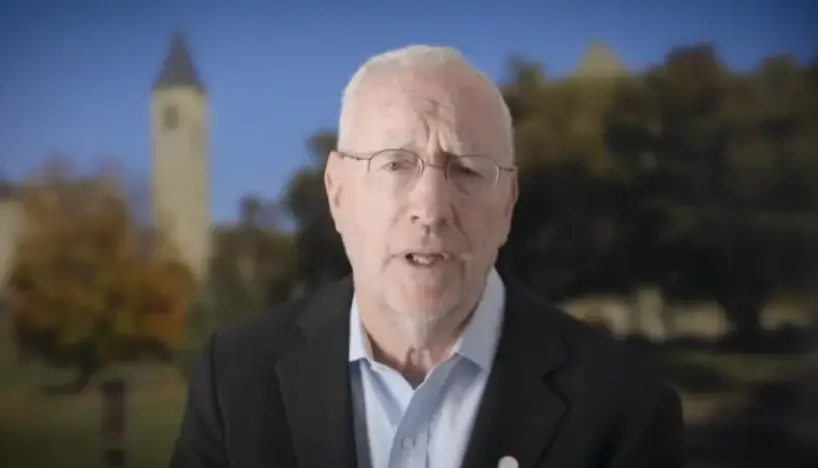
The task force was created to make recommendations focused on prevention and improving the social context in which sexual assaults occur.
Kotlikoff said Cornell had fully endorsed the task force's recommendations, which he said had already led to substantial changes in education, prevention and support, with further work planned.
He also acknowledged that the university's limited communication about its response had contributed to distrust within the Cornell community.
"I also hear the frustration that Cornell has not communicated enough about what the university did after the assault was reported, which has led to distrust," Kotlikoff said.
He added that there were 'real legal and privacy limits' on what the university could disclose, but pledged to make a greater effort to explain its actions, provide context and be more transparent.
"This message is the beginning of what we hope will be an ongoing, constructive, and dynamic conversation with our community," he said.
Jane Doe's lawyer, Thomas Giuffra, has criticised the handling of the case and questioned why investigators did not pursue further enquiries after she reported the alleged assault.
The precise circumstances surrounding the statement's preparation and the information supplied to prosecutors remain important questions for the renewed investigation.
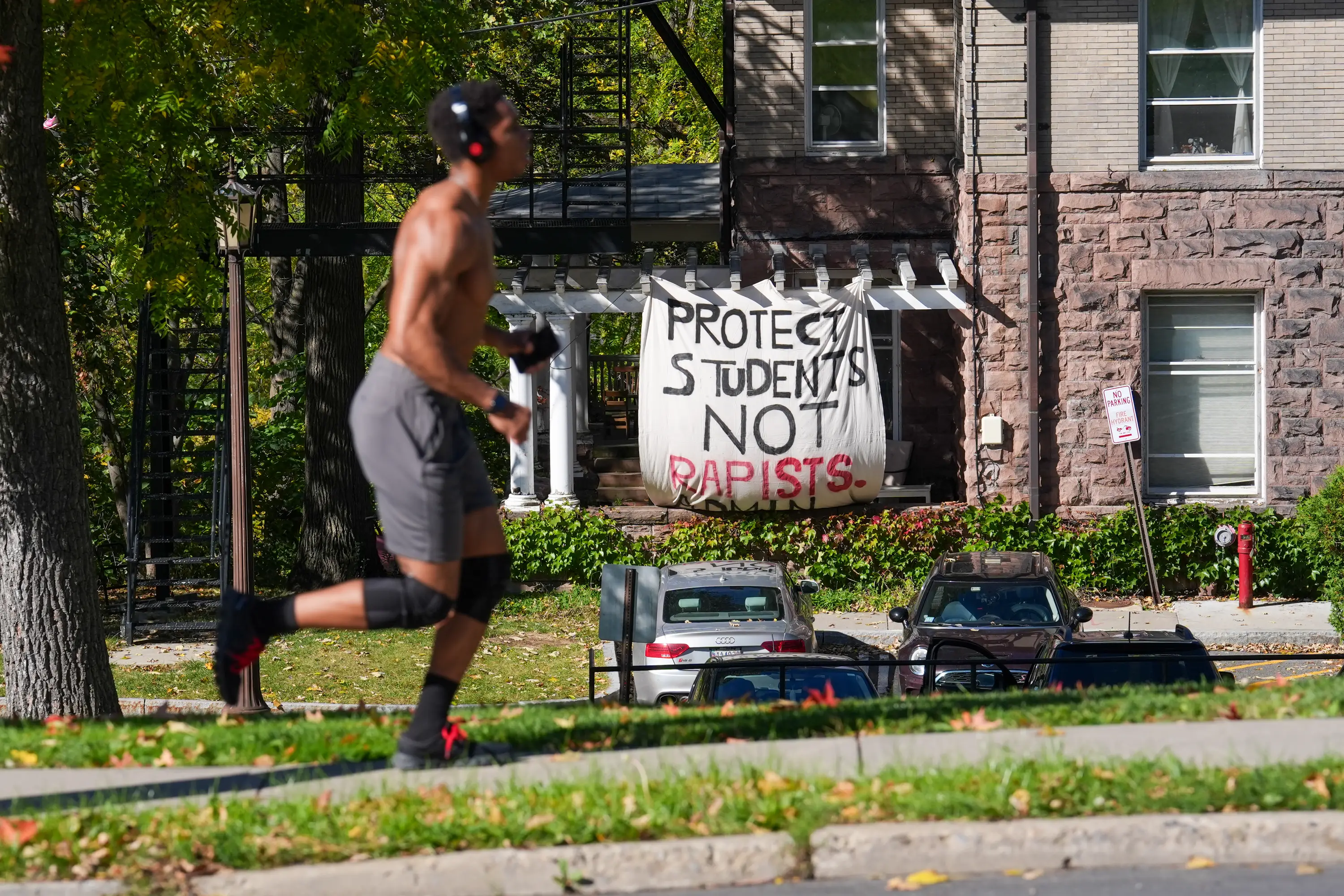
Jane Doe alleges that the assault took place in October 2024, after she visited the Chi Phi fraternity house in Ithaca, New York.
According to her account, she had been drinking earlier in the evening before going to the house to meet a friend.
She initially engaged in sexual activity with two men she knew, which she described to investigators as something she had been comfortable with at the time.
She alleges that the situation subsequently changed as additional men entered the room and she was encouraged to take ketamine. She says she became increasingly incapacitated and unable to protect herself.
Messages exchanged in the days after the alleged incident also offer insight into how she was processing what happened.
According to CBS's reporting, one of the men apologised for how events had unfolded and said his memory of the night was unclear.
Jane Doe also expressed distress about rumours circulating within the university community. In later conversations, she described how reading online comments about an alleged gang rape involving a student at Chi Phi helped her recognise what she believed had happened to her.
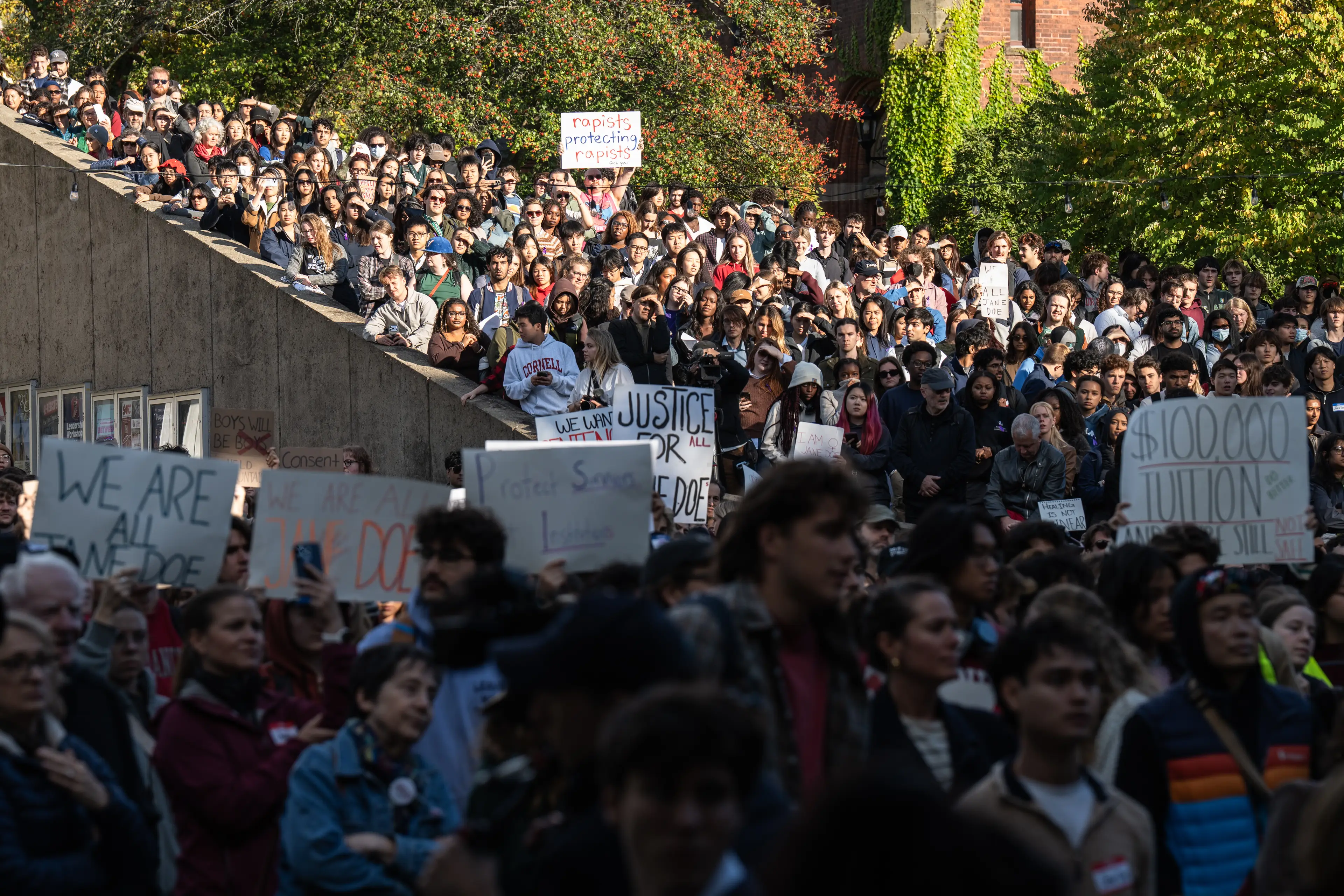
She reported the alleged assault to Cornell University Police in November 2024.
According to CBS, two men were expelled, two were suspended for at least two semesters, one had graduated before disciplinary action could be imposed, and two were found not responsible for sexual misconduct.
Those disciplinary decisions were separate from the criminal investigation, in which no criminal charges had initially been brought against the seven men.
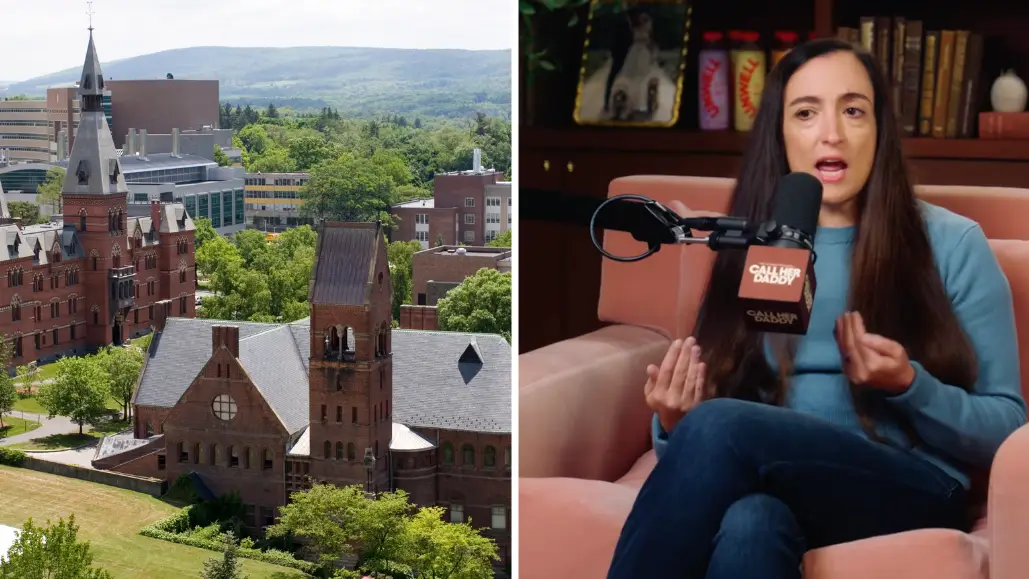
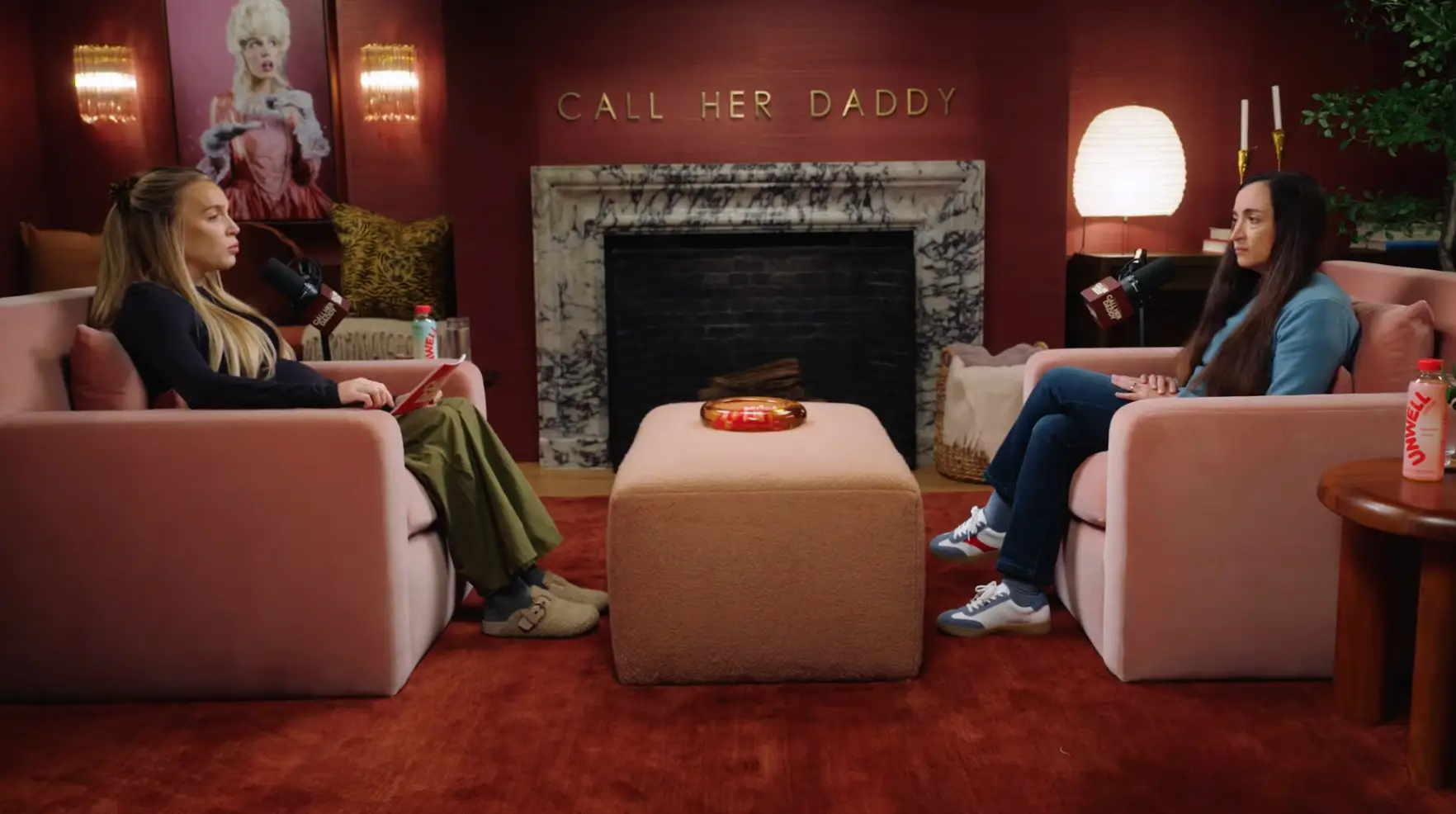
Cornell professor Kate Manne has also spoken publicly about the case, sharing her views on the allegations and the way sexual assault survivors are treated during an appearance on Alex Cooper's Call Her Daddy podcast this week.
Manne, a philosopher whose work explores feminism and social injustice, challenged the idea that reporting rape should be seen as ruining an accused man's future.
"So many people were worried about him missing out on his bright future. What about her bright future?" she said.
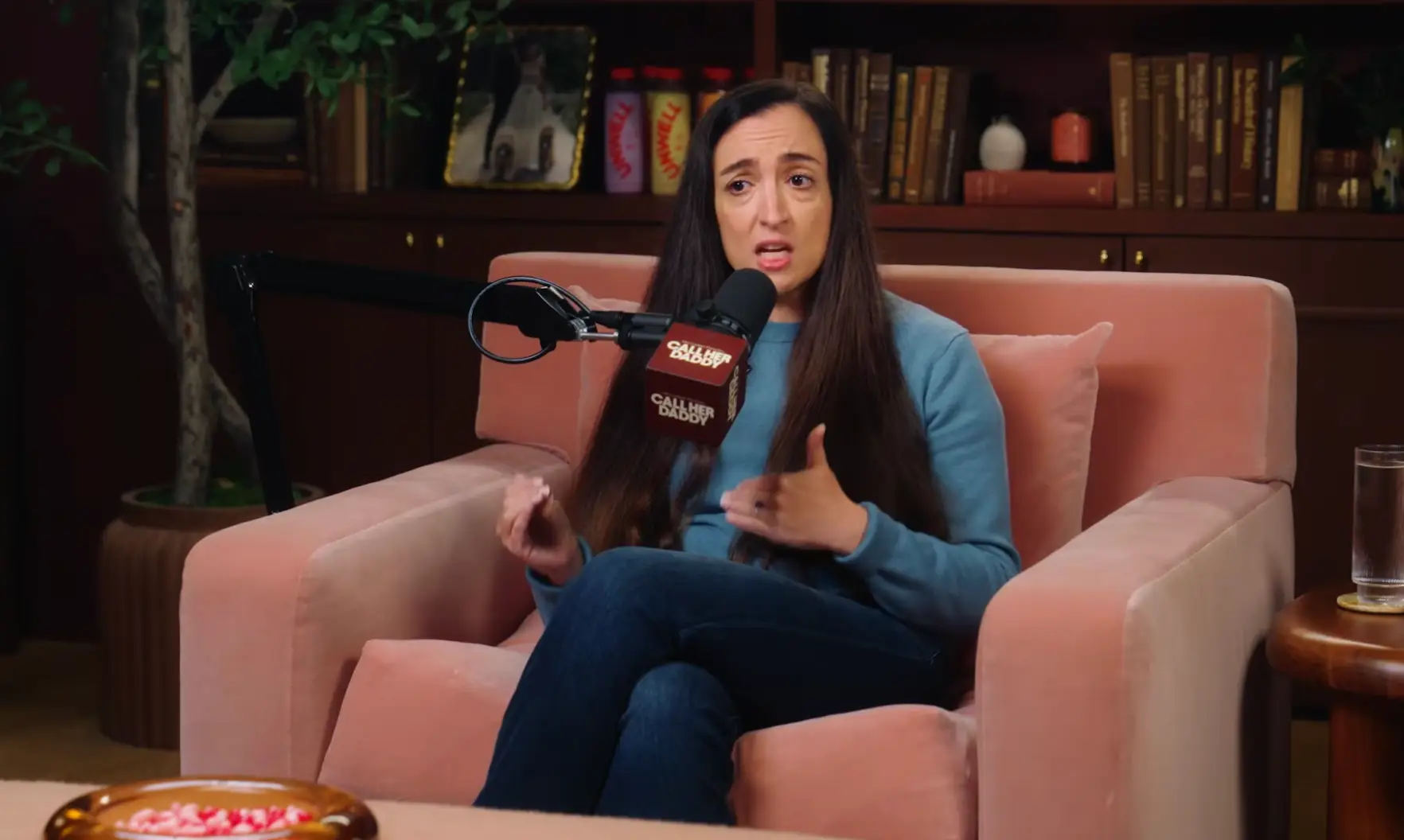
She also questioned the evidence behind claims that an allegation of rape would inevitably destroy a man's life, saying: "The evidence that a rape allegation would ruin a man's life is pretty thin."
Addressing consent, Manne went on to explain: "You can consent to have sex with 2 men, but not 5 men. They acted like they were utterly entitled to take what they wanted from her."
She also spoke about what she described as a culture of silence and protection among male peers, telling listeners: "There are kind of two rules of the bro code. You don't call it out. You help your brothers cover their asses."
Manne said the case had left some students feeling let down by the institution, adding: "I think a lot of students feel very betrayed. Women and girls are owed safety of a kind that we don't currently have."
Making her position on Jane Doe clear, Manne said: "Let's just be really clear, rape is always 100% the fault of the rapist, 0% on the victim. For the record, I believe Jane Doe."
Her comments add to the public debate surrounding the case, including questions about consent, fraternity culture and the consequences faced by those accused of sexual assault. They reflect Manne's views and support for Jane Doe; the allegations against the men remain unproven in criminal court.
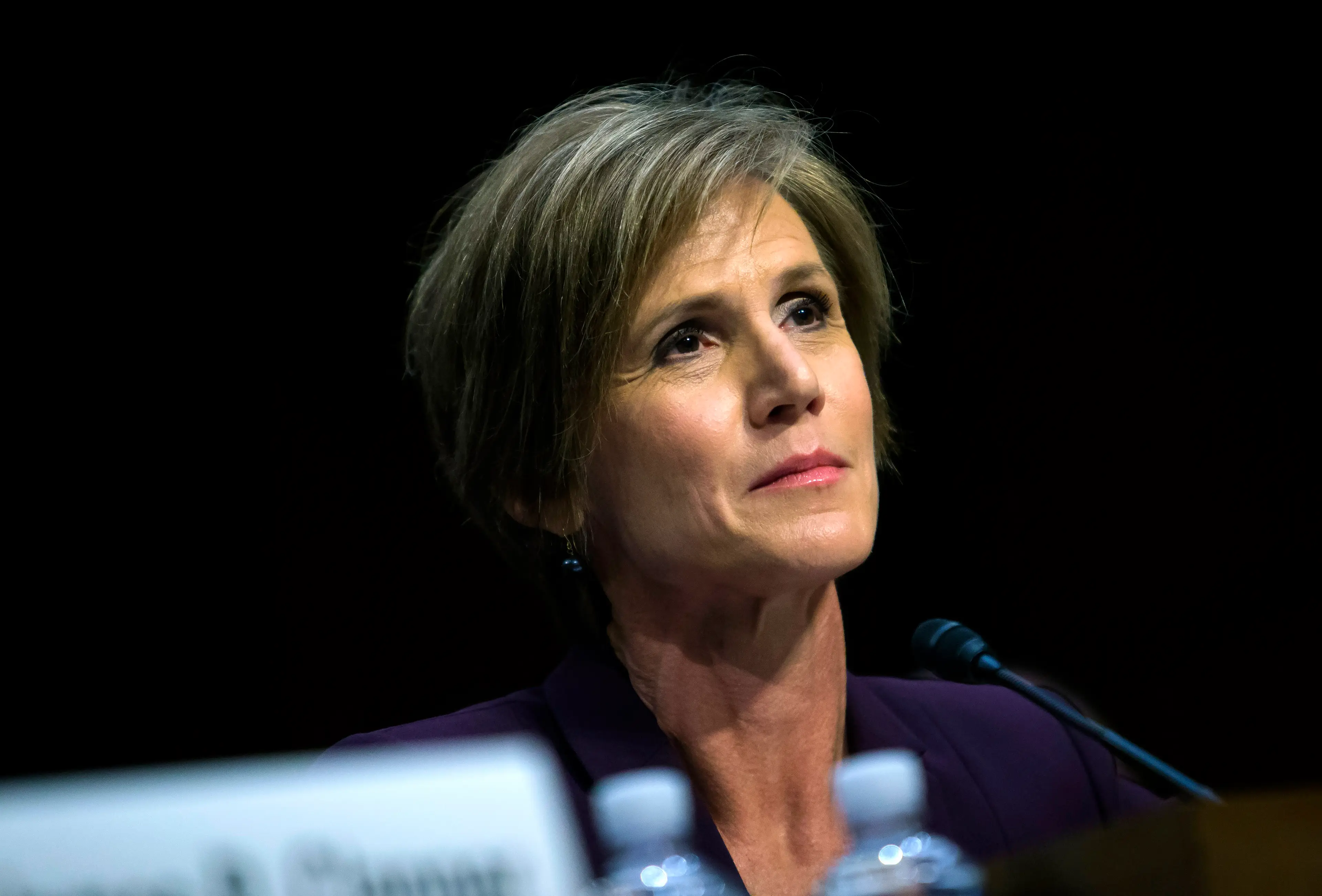
On 6 October 2026, Cornell announced that former US Deputy Attorney General Sally Q. Yates had been appointed to lead an independent review of how the university prevents and responds to sexual harassment, sexual assault and related misconduct on campus.
The review, which was commissioned by a special committee of Cornell's Board of Trustees, will examine Cornell's response to Jane Doe's case, including whether the university followed its own policies and procedures, as well as its wider approach to preventing and responding to sexual misconduct.
It will also assess the university's practices against relevant legal requirements, including Title IX, the Clery Act, the Violence Against Women Act's Campus SaVE Act and New York State law.
According to the announcement, Yates and her team will have full independence in conducting the review and will report their findings and recommendations directly to the special committee.
The committee said the aim was to identify both areas where Cornell was performing well and where changes were needed to make the university community safer.
Jane Doe has since filed a civil lawsuit against seven former fraternity members, Cornell University and other parties, alleging that they were responsible for the assault or failures connected to the events and their aftermath. The lawsuit alleges sexual assault and battery, negligence, breach of contract and violations of New York's Human Rights Law.
The claims remain allegations, and lawyers for two of the men have denied the accusations against their clients. None of the seven men had been criminally charged at the time of the reporting cited here.
The case took another turn on 28 September 2026, when Van Houten confirmed that the criminal investigation was being reopened.
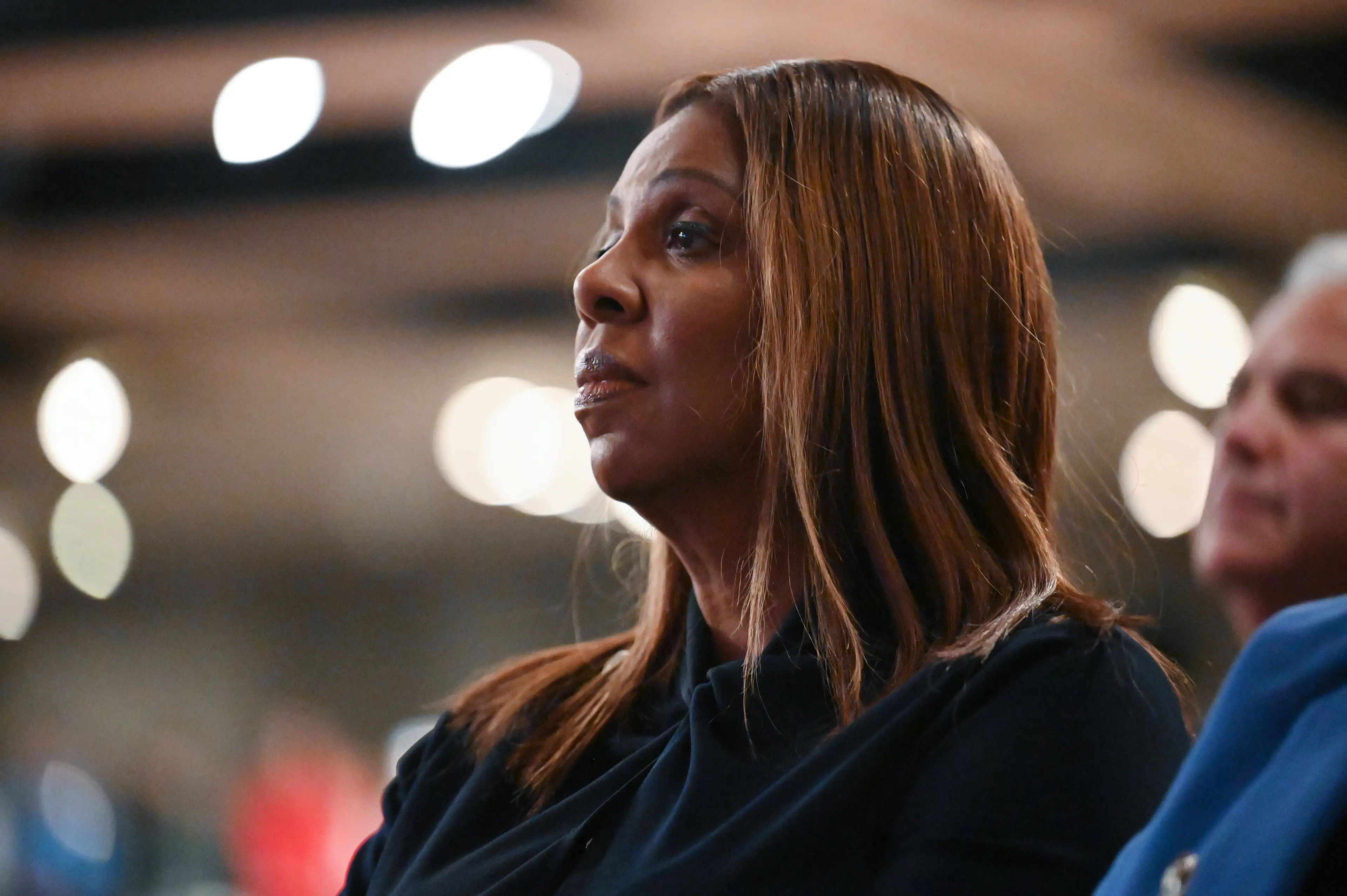
New York Governor Kathy Hochul subsequently appointed Attorney General Letitia James as special prosecutor, with the investigation to be handled independently of Cornell.
The renewed investigation will bring further scrutiny to the original inquiry, including the contents of Jane Doe's interview, the signed statement and the evidence shared with prosecutors.
For Jane Doe, the discrepancy has placed fresh attention on whether her account was fully conveyed at a critical stage of the process.
The available reporting does not establish who was responsible for the omission or whether it alone influenced the original decision not to bring charges. Those questions remain to be examined.
But the fact that the district attorney says he did not see the full transcript before making his decision has raised serious questions about how the case was handled.
As the investigation continues, establishing what Jane Doe told investigators, what was included in the statement and what information reached prosecutors will be essential to understanding why the original decision is being revisited.
Tyla has contacted Cornell University and Cornell University Police for comment.
If you have been affected by any of the issues in this article and wish to speak to someone in confidence, contact the Rape Crisis England and Wales helpline on 0808 500 222, available 24/7. If you are currently in danger or need urgent medical attention, you should call 999.
 Rhianna Benson