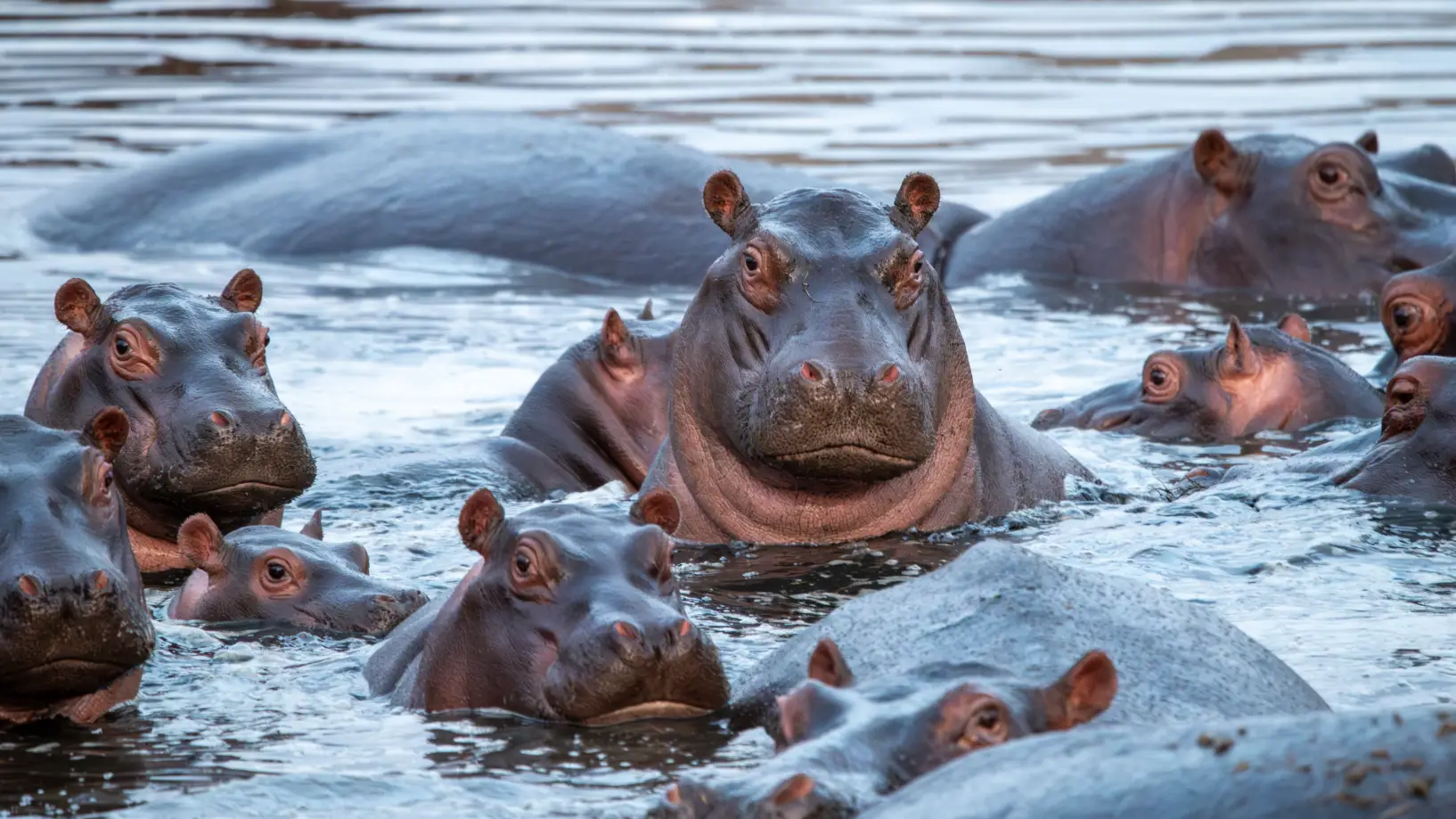
Colombia to euthanise up to 80 hippos linked to Pablo Escobar

Officials in Colombia are set to euthanise dozens of drug kingpin Pablo Escobar's hippos.
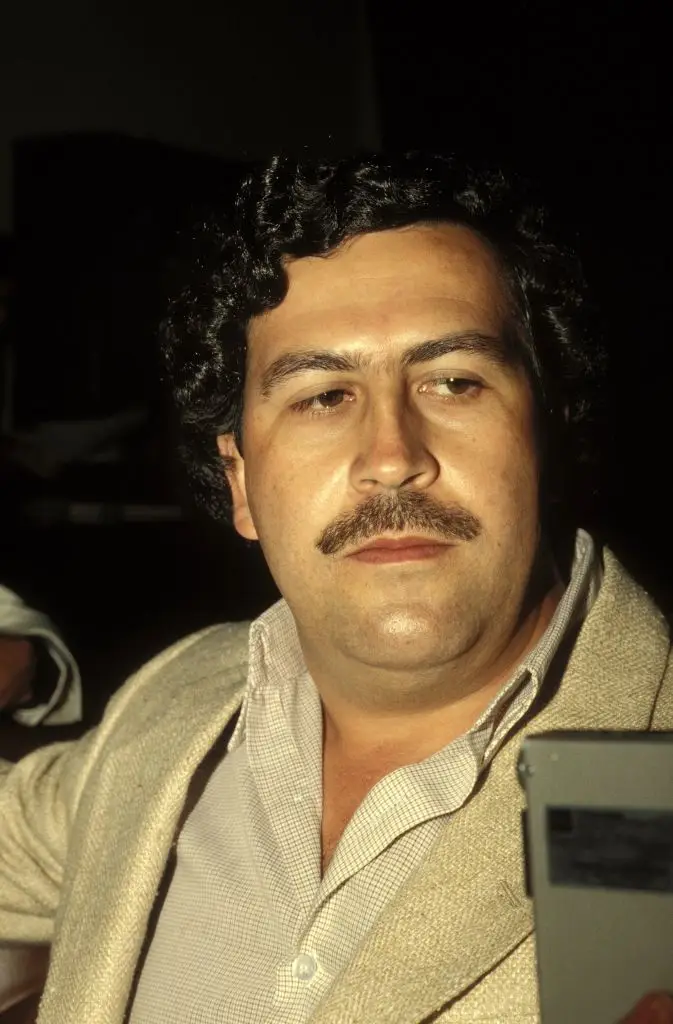
The Colombian drug lord and narcoterrorist, who was the founder and leader of the Medellín Cartel, was one of the wealthiest criminals in history before his death from a gunshot wound at the age of 44 back in 1993.
Back in the 1980s, Escobar illegally brought four hippos to one of his estates, but after his capture and death, the mammals escaped and began reproducing in the wild.
They soon became a highly threatening invasive predator to native species, as well as a threat to local villagers.
Advert
Following two years of failed attempts at relocation and sterilisation, the government has announced its plans to cull 80 of the at least 169 hippos, much to the dismay of animal activists.
Taking action for the sake of the ecosystem
Environment minister, Irene Vélez explained during a recent press conference that other methods to control the hippo population had been expensive and unsuccessful, adding: "If we don’t do this, we will not be able to control the population. We have to take this action to preserve our ecosystems."
Vélez cited estimates that the population could reach at least 500 individuals by 2030, which could 'affect our ecosystems and native species'.
"It is our responsibility to take this action," the minister added.
Scientific American reports that the controversial new plan allocates around $2 million for chemical and physical euthanasia.
How will the Colombian government deal with the remaining hippos?
They will roll out a monitoring plan to identify which of the animals should be euthanised based on their proximity to human populations, as well as their size.
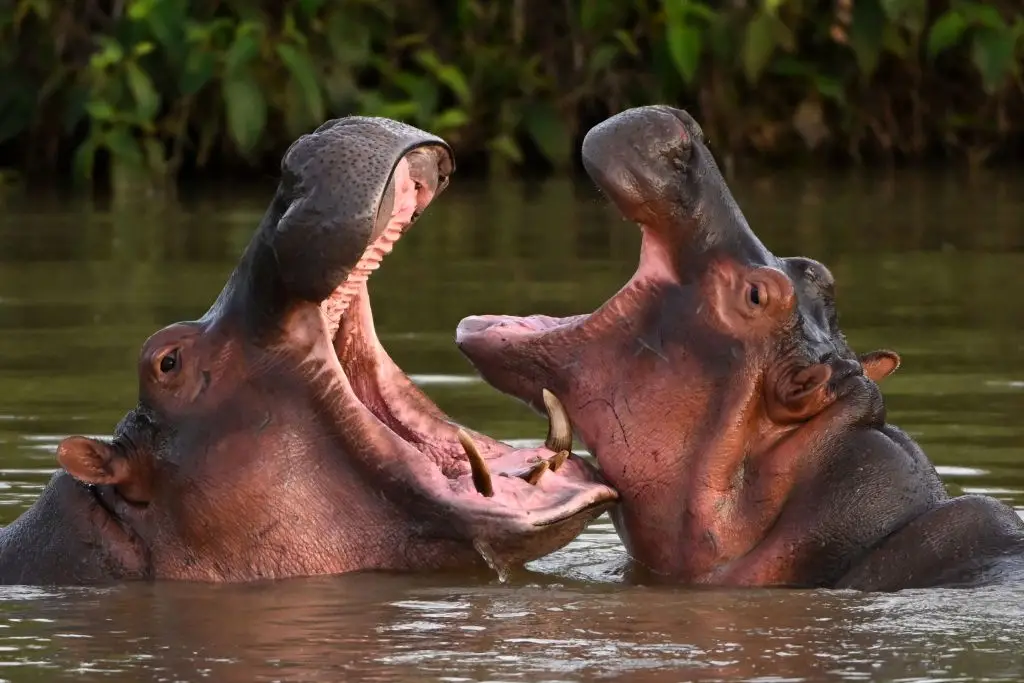
Simultaneously, officials will continue to sterilise the remaining population as well as explore relocation options elsewhere within the country.
"The ideal scenario would be that no animals die," environmental law professor Luis Domingo Gómez Maldonado of the Cooperative University of Colombia stated. "But the reality is that, at this point, there is no other option."
Meanwhile, Andrea Padilla, a senator and animal rights activist, has dubbed the decision 'cruel' and has called out government officials, claiming they were trying to take the easy way out.
"Killings and massacres will never be acceptable," she wrote on X. "These are healthy creatures who are victims of the negligence."
Padilla echoed in another social media statement: "Slaughters, massacres, will never be acceptable solutions; much less so when they are orchestrated by a government. It hurts that in Colombia, killing has become a custom."
Tyla has reached out to Colombia's Ministry of Foreign Affairs and the Ministry of Environment for comment.
Topics: Animals, Crime, World News
 Rhiannon Ingle