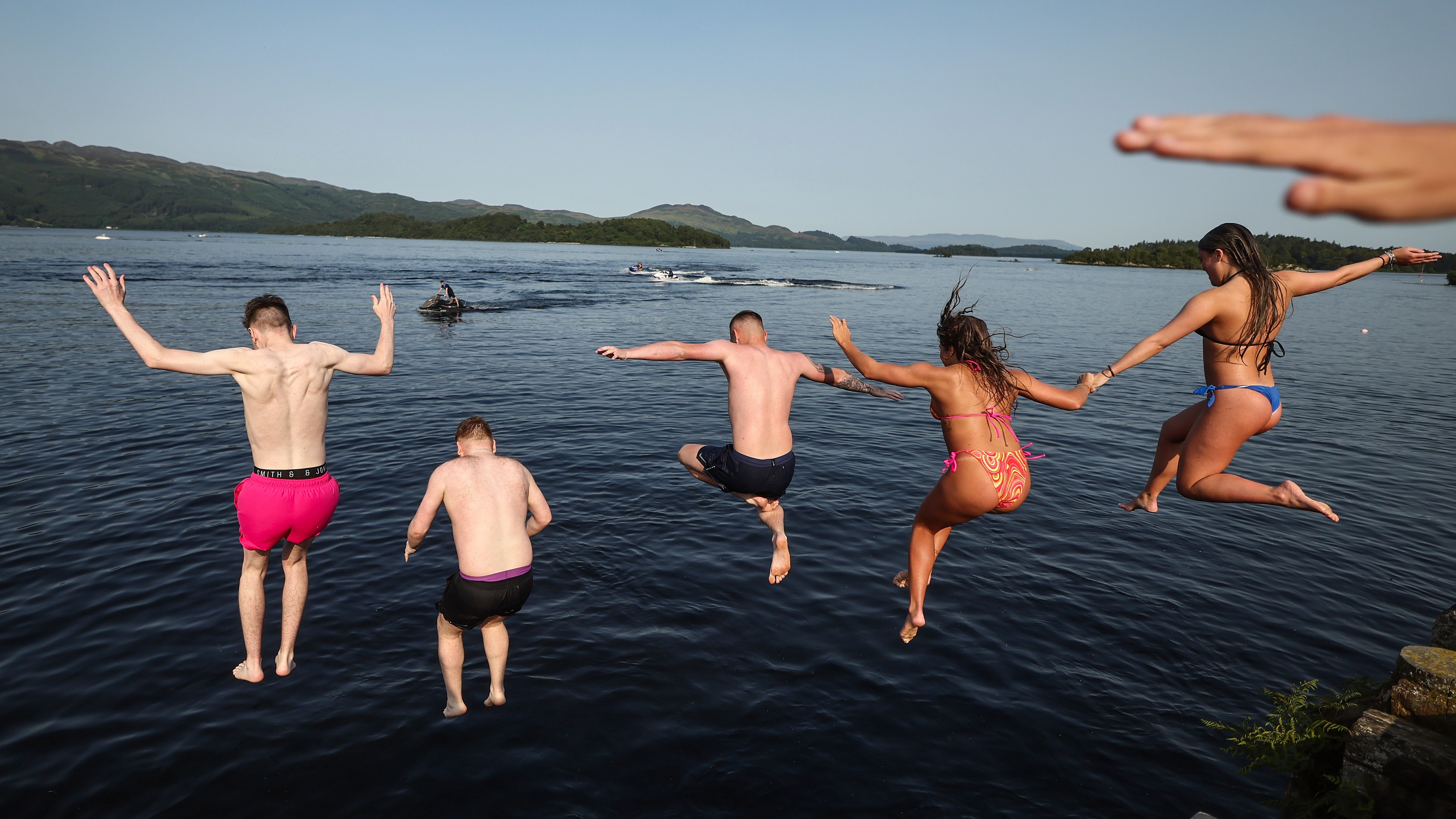
Paramedic lists 4 signs of cold water shock to look out for after 10th Brit dies during record-breaking heatwave

The UK's latest heatwave may have finally subsided, but the families of 10 people who tragically died after entering cold water during the soaring temperatures are unlikely to forget it.
All victims had sought relief from the blazing sun, scorching temperatures and high humidity by taking a dip into open water, hoping it'd cool them down.
The unseasonable climate wreaked havoc across the long bank holiday weekend, with each day proving hotter than the last.
Temperatures first annihilated the highest daily minimum record on Sunday (24 May), reaching unprecedented highs of 34.8 °C across London during the day. In 97 other regions up and down the country, temperatures surpassed an equally agonising 30°C.
Advert
It took a single day for this bittersweet record to be beaten, with Monday being burdened by suffocating humidity and extremely minimal cloud cover.
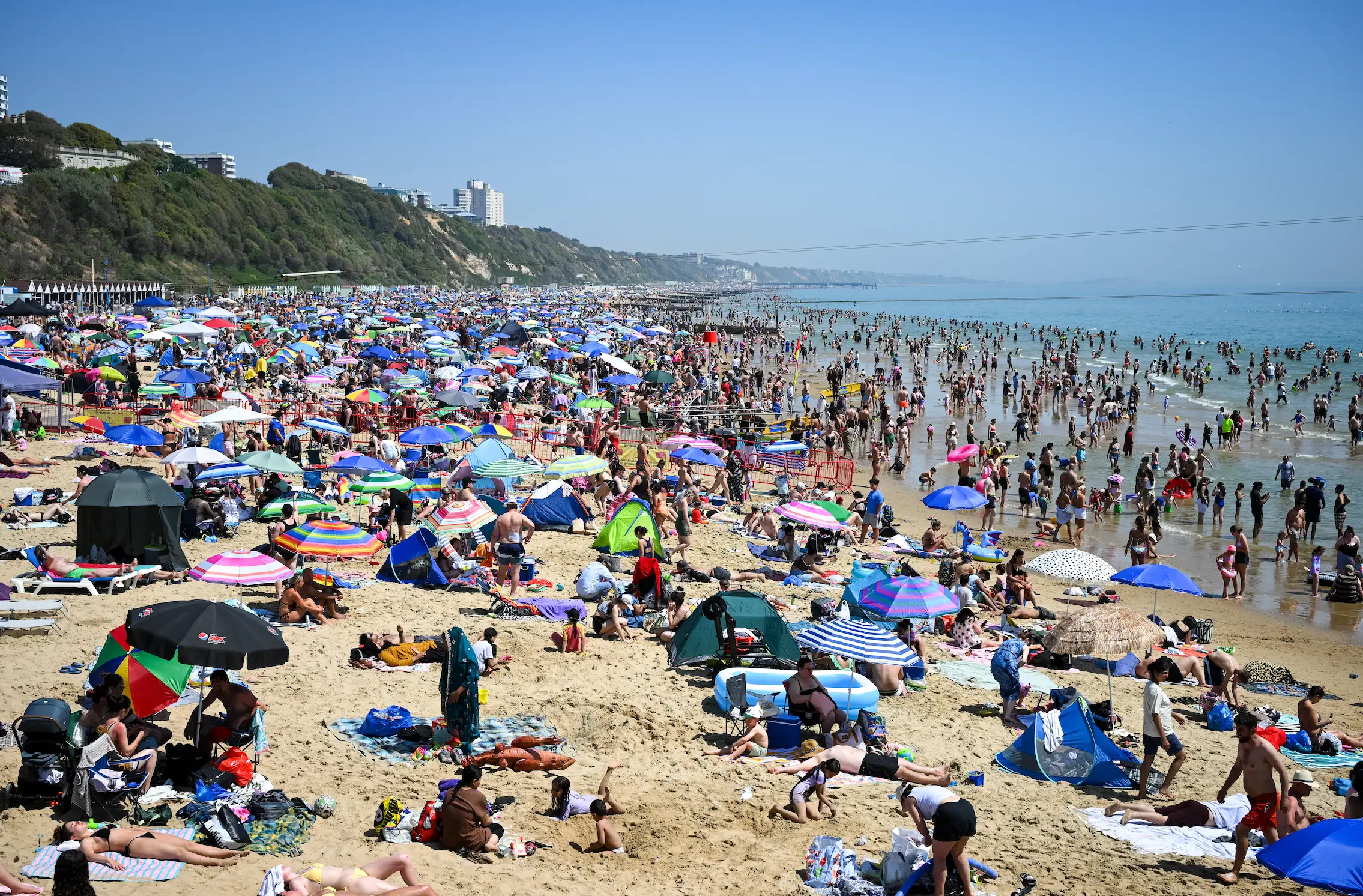
Taking place over a three-day weekend, the warm weather spurred ventures to open water venues for many Brits, including a 13-year-old boy, who tragically died after getting into difficulty at Leadbeater Dam, near Halifax.
The same day, a man in his 60s entered the sea at Tregirls Beach, Padstow, where he suffered a heart attack. Hours later, police in Warwickshire pulled the body of a teenage girl from Kingsbury Water Park.
On Tuesday morning, another body of a teenager was recovered from a body of water at Rother Valley Country Park.
Later that afternoon, 12-year-old Junior Slater died after getting into trouble in the River Ribble at Ribchester while out swimming with friends, and another teenager died in County Dublin while swimming in the sea.
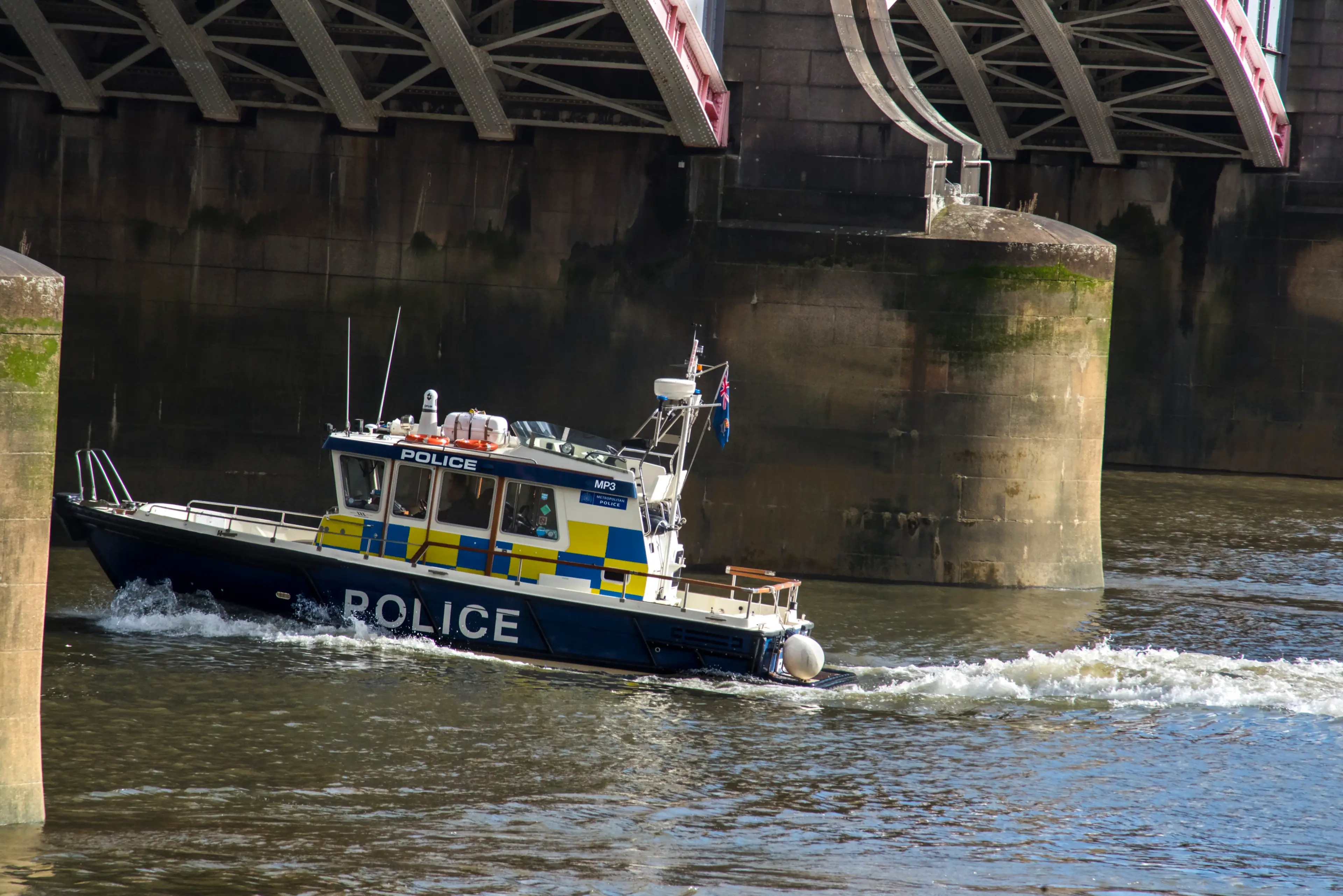
The body of a 17-year-old boy who'd been open water swimming in Cheshire was found on Wednesday, followed by the death of another teenager, who died after swimming in a pond in Swanscombe, Kent.
Cold water shock describes the body's involuntary yet lethal physiological response to sudden immersion in water below 15°C.
In light of this week's string of fatalities - the vast majority impacting young people - paramedics from the North West Ambulance Service NHS Trust shared with Tyla the four top signs of cold water shock to look out for.
"Cold water shock can happen in seconds, even on warm days," HART (hazardous area response team) Training Manager, David Berry, explained. "Across the UK, water temperatures are often low enough year-round to trigger a dangerous physiological response the moment you enter."
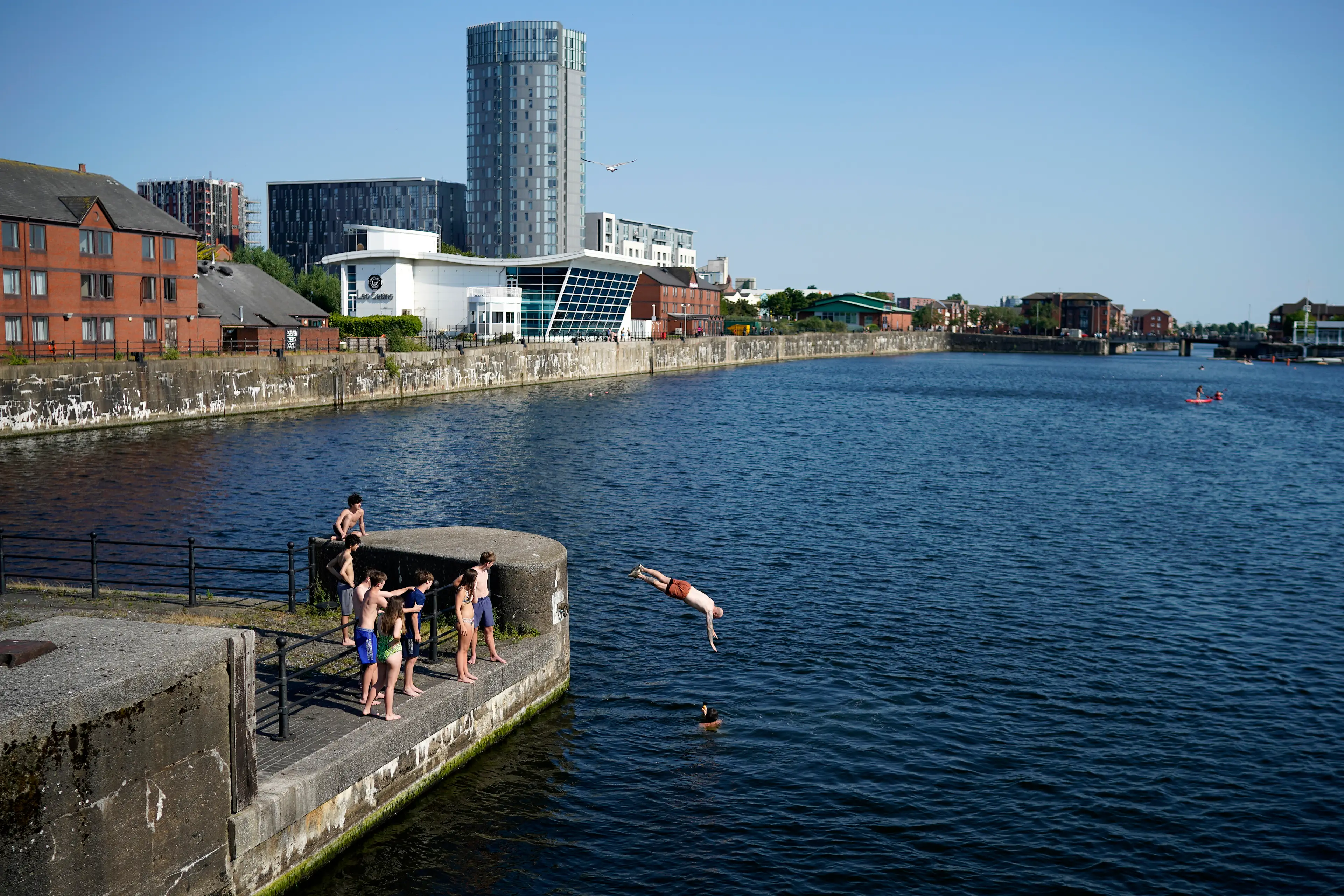
"When you suddenly enter cold water, your body goes into an immediate stress reaction."
Berry explained that the first sign that a person has gone into shock is that they'll gasp as part of a reflex - 'an uncontrolled inhale that can lead to water being breathed in', he added.
Next, hyperventilation kicks in. "Breathing rate can increase by up to 10x, making it hard to stay afloat," Berry continued.
"Heart rate and blood pressure spike rapidly, increasing the risk of cardiac arrest," he said, with both the inhalation of water and hyperventilation jointly applying major stress onto the heart.
Then, a person might experience a loss of muscle control, given that 'cold water causes rapid cooling of nerves and muscles, reducing strength and coordination within minutes'.
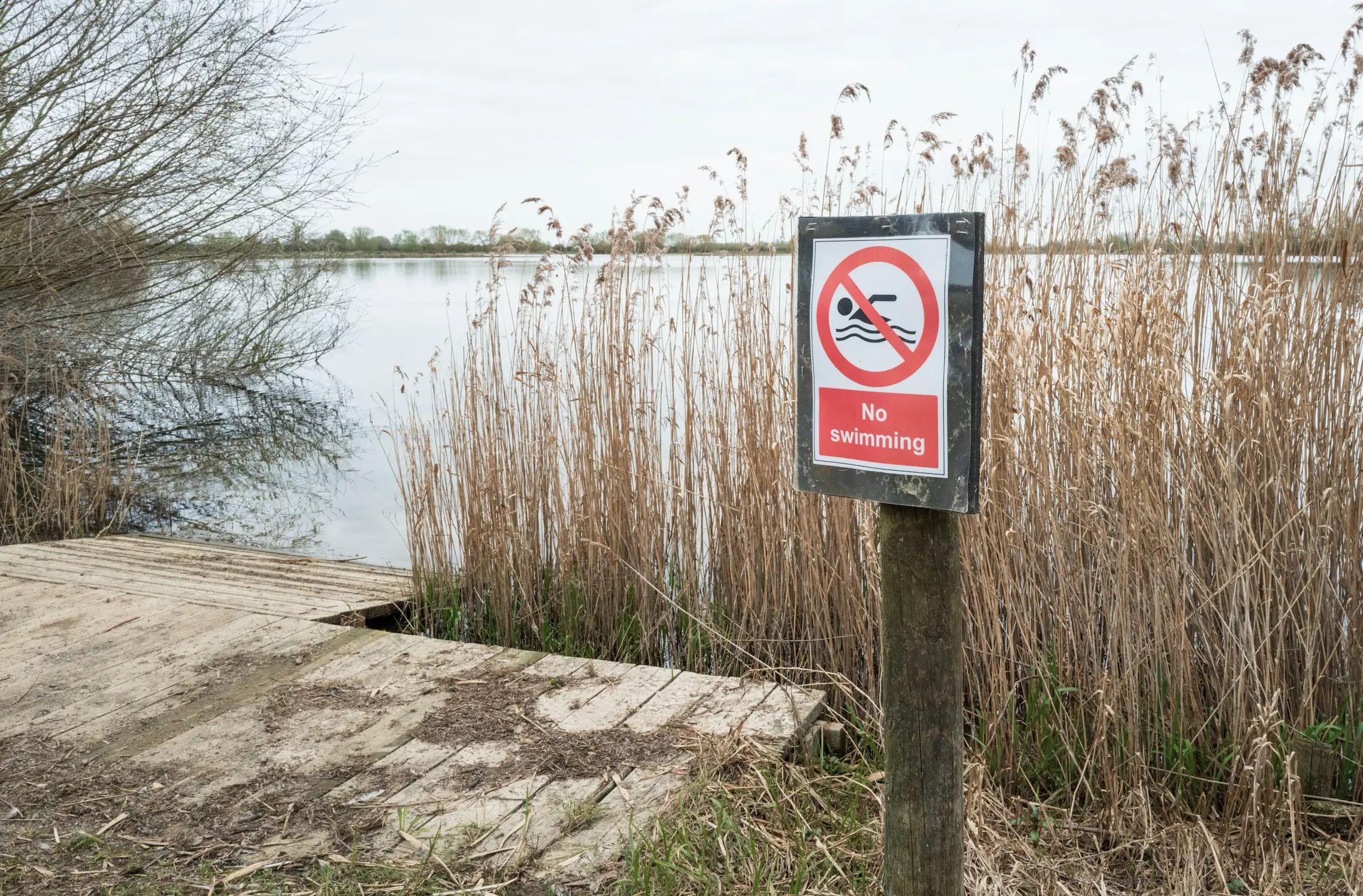
"These effects happen in the first 1–3 minutes, before hypothermia even begins," Berry went on. "This is why even strong swimmers can quickly get into difficulty." Asked his top tips on staying safe in water, he emphasised:
- Stop and think before entering
- Enter slowly – avoid jumping or diving in
- If you fall in: Float on your back and focus on controlling your breathing (Float to Live)
- Wear a lifejacket where possible
- Avoid swimming alone and tell someone your plans.
Berry lastly noted: "If someone is in trouble, call 999 or 112 and ask for the Coastguard. Avoid going into the water yourself."
 Rhianna Benson