
Olympic athlete Caster Semenya slams new sex testing women must undergo after transgender ban

Warning: This article contains discussion of discrimination against the trans community which some readers may find distressing.
Olympian track champion Caster Semenya has criticised the International Olympic Committee’s controversial decision to make female athletes undergo a sex test in order to compete in the women’s categories.
The South African middle-distance runner, 35, who is the two-time women's 800m champion, has dubbed the new eligibility criteria 'a disrespect for women'.
On Thursday (26 March), the International Olympic Committee (IOC) announced a divisive ban on transgender athletes in women's categories.
Advert
The sports governing body revealed a set of new rules, which will come into force for the LA 2028 Olympic Games and onwards.
In a press release, they confirmed that 'eligibility for any female category event at the Olympic Games or any other IOC event, including individual and team sports, is now limited to biological females, determined on the basis of a one‑time SRY gene screening'.
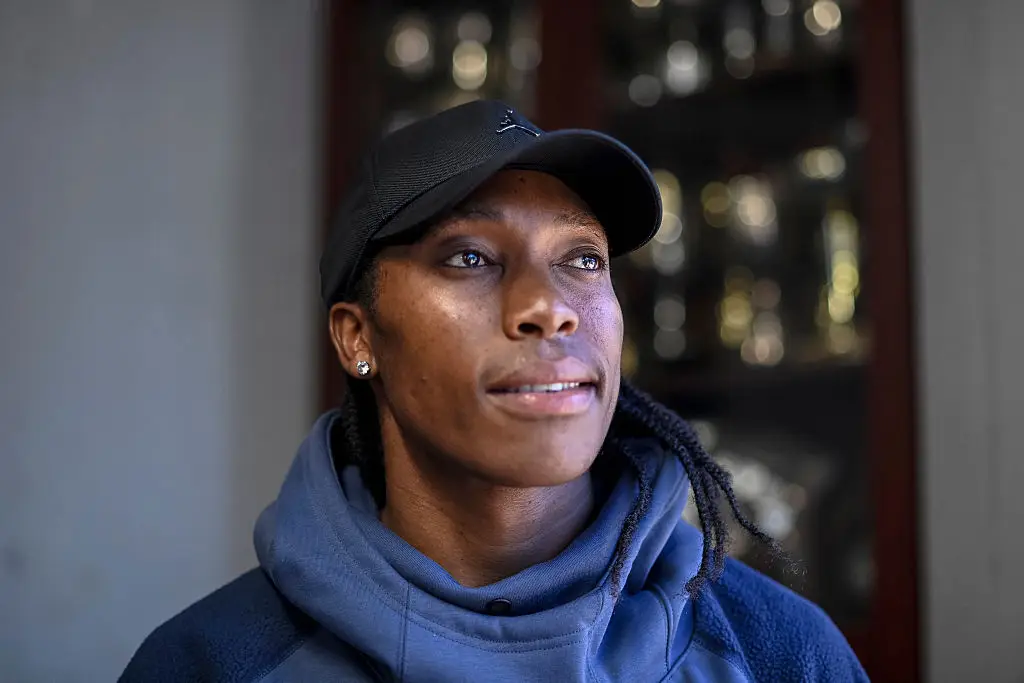
The IOC's statement said: "Based on scientific evidence, the IOC considers that the presence of the SRY gene is fixed throughout life and represents highly accurate evidence that an athlete has experienced male sex development. "Furthermore, the IOC considers that SRY gene screening via saliva, cheek swab or blood sample is unintrusive compared to other possible methods."
For context, SRY gene screening is a one-time test, which is conducted via cheek swab or blood sample, and identifies the presence of the Y chromosome to verify biological sex.
The new guidelines, which effectively ban trans women from Olympic sports, have prompted backlash from both the LGBTQ+ and sports communities, and beyond.
The rules also mean that those with differences in sexual development (DSD) who have gone through male puberty can no longer compete.
DSD is a rare condition in which a person's hormones, genes, and reproductive organs have a combination of male and female characteristics.
Semenya herself has found herself at the centre of the debate around genetic testing, as she has a natural condition called hyperandrogenism, which causes her to produce higher testosterone levels than the typical female range and have male XY chromosomes.
Since 2019, she has been banned from major international races between 400 and 1,500 meters for refusing to take hormone-suppressing medication.
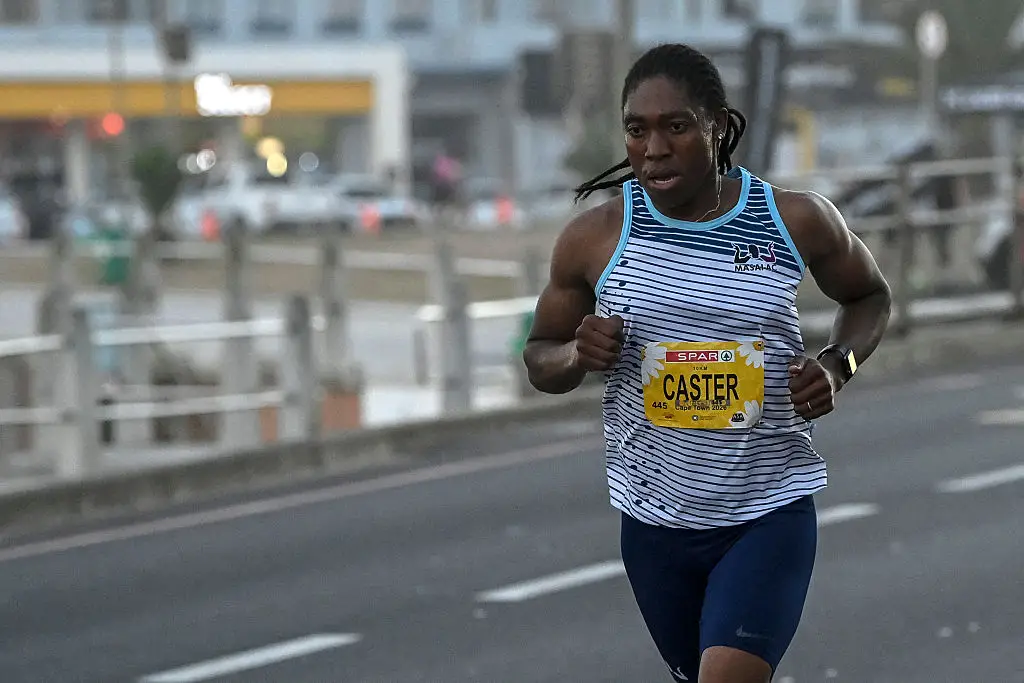
Speaking out, the sportswoman slammed the rules and expressed her disappointment that these measures were taken under the leadership of the new IOC president, Kirsty Coventry of Zimbabwe.
As per The Guardian, the athlete said during a Cape Town press conference: "For me, personally, for her being a woman coming from Africa, knowing how African women or women in the global south are affected by that, of course, it causes harm."
Semenya referenced how the IOC previously used chromosomal sex testing between 1968 and the 1996 Atlanta Olympics, but ultimately scrapped it in 1999 after pressure from the scientific community, who questioned how effective it was.
She said, “It came as a failure. And that’s why it was dropped. For you as a woman, why will you be tested to prove that you fit? You know, it’s like now we need to prove that we are worthy as women to take part in sports. That’s a disrespect for women."
Topics: Olympics, News, World News, Sport
 Madison Burgess