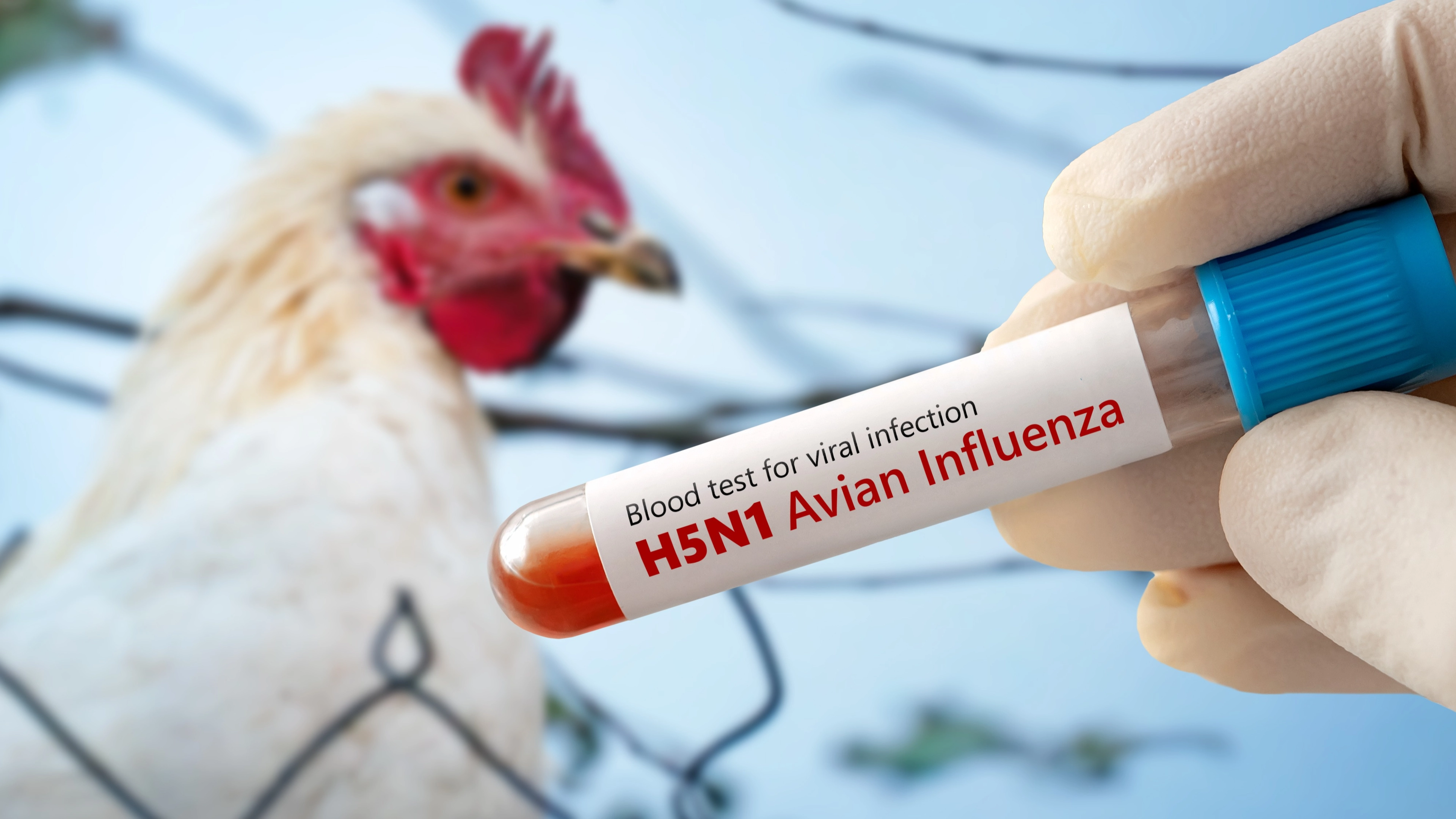
Man dies from bird flu strain ‘never seen before in humans’

A Washington man has now reportedly passed away from a bird flu strain that has never been seen before in humans, state health officials confirmed late Friday (21 November).
Earlier this month, it was reported that the unnamed individual was being treated in hospital after falling seriously ill with a strain of avian flu. Doctors confirmed he had contracted H5N5, a type of bird flu which is usually seen in ducks, geese and other wild birds.
According to officials, the man was admitted with a high fever, confusion and breathing problems.
The Washington State Department of Health previously issued a statement a few weeks back (14 November), stating: "A Grays Harbor resident who was hospitalised with influenza symptoms in early November has been confirmed to have influenza A H5, a type of avian influenza.
Advert
"Additional testing shows the virus to be H5N5, an avian influenza virus that has previously been reported in animals but never before in humans. The Centers for Disease Control and Prevention (CDC) and DOH currently consider the risk to the public from avian influenza to be low."
The health body added at the time: "The person is an older adult with underlying health conditions and remains hospitalised.
"The affected person has a mixed backyard flock of domestic poultry at home that had exposure to wild birds. The domestic poultry or wild birds are the most likely source of virus exposure; however, public health investigation is ongoing.
"The Washington State Department of Health is working with the local health department and the Washington State Department of Agriculture to complete exposure and animal health investigations."
The initial statement concluded: "Public health disease experts have not identified any increased risk to the public."

Health officials have said that they will monitor anyone who came in close contact with the man, but 'there is no evidence of transmission of this virus between people'.
H5N5 sits apart from H5N1, the more familiar strain circulating in the US, due to a protein on the virus surface.
H5N1 has been present in wild and domestic birds since 2022 and has caused dozens of human cases across the country.
According to the CDC, there have been 71 human cases of H5 bird flu recorded in the US since 2024. While most were mild, one patient in Louisiana died earlier this year.
The NHS warns that the main symptoms of bird flu can appear very quickly and include:
- a very high temperature or feeling hot or shivery
- aching muscles
- headache
- a cough or shortness of breath
Other early symptoms may include:
- diarrhoea
- sickness
- stomach pain
- chest pain
- bleeding from the nose and gums
- conjunctivitis
The NHS states that it usually takes three to five days for the first symptoms to appear after you’ve been infected.
Within days of symptoms appearing, it’s possible to develop more severe complications such as pneumonia and acute respiratory distress syndrome.
Topics: Animals, Health, News, Real Life, True Life, US News, NHS
 Rhiannon Ingle