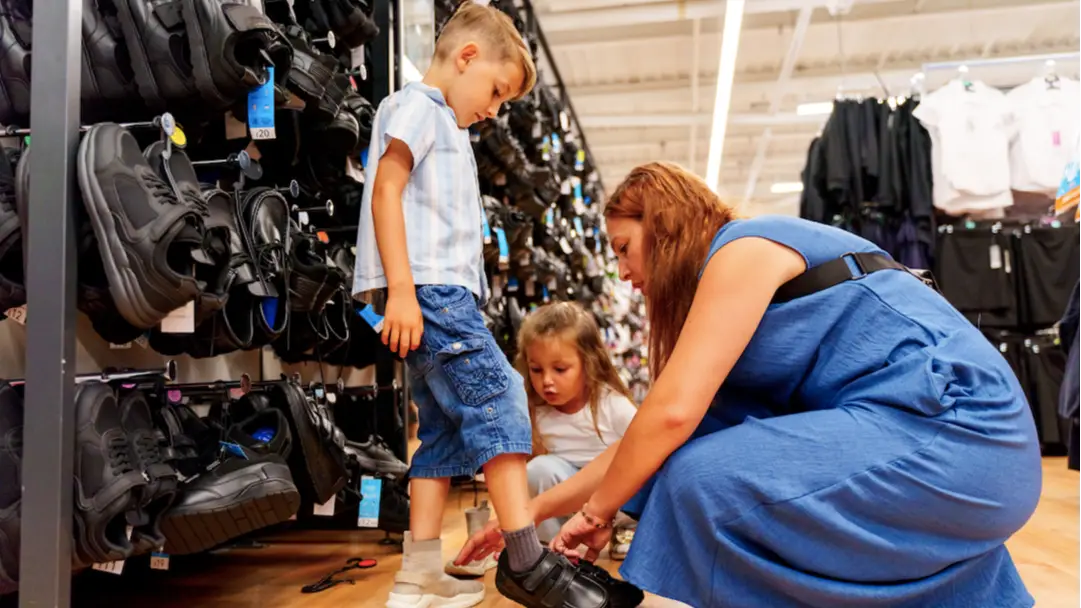
Parents warned against ‘sizing up’ children’s school shoes as new term approaches

With September just around the corner, the start of a brand-new school term is fast approaching.
Parents and carers across the UK will be busy ticking off those back-to-school shopping lists, from new blazers and jumpers to stationery and, of course, school shoes.
And when it comes to buying things their children are likely to outgrow, sizing up can seem like the obvious choice. After all, they’ll grow into them, right? And you already know the frustration of buying a new pair of shoes only to find they’ve been outgrown by the time summer rolls around.
But when it comes to footwear, experts warn that buying a size too big could do more harm than good.
Advert
A recent survey by M&S found that 68 percent of parents in the UK have bought school uniform, including school shoes, in a larger size than their child needed at the time of purchase so they could 'grow into' them.
While it may seem like a cost-effective way to make school shoes last longer, experts say footwear that is too large can pose a number of risks for children.
Ill-fitting shoes can increase the risk of blisters, trips and falls, according to Nina Davies of the Royal College of Podiatry’s Children’s Podiatry Specialist Advisory Group which could make parents think twice before sizing up this September.
So, if buying a size too big isn't the answer, what should parents actually be looking for when choosing a pair of school shoes?
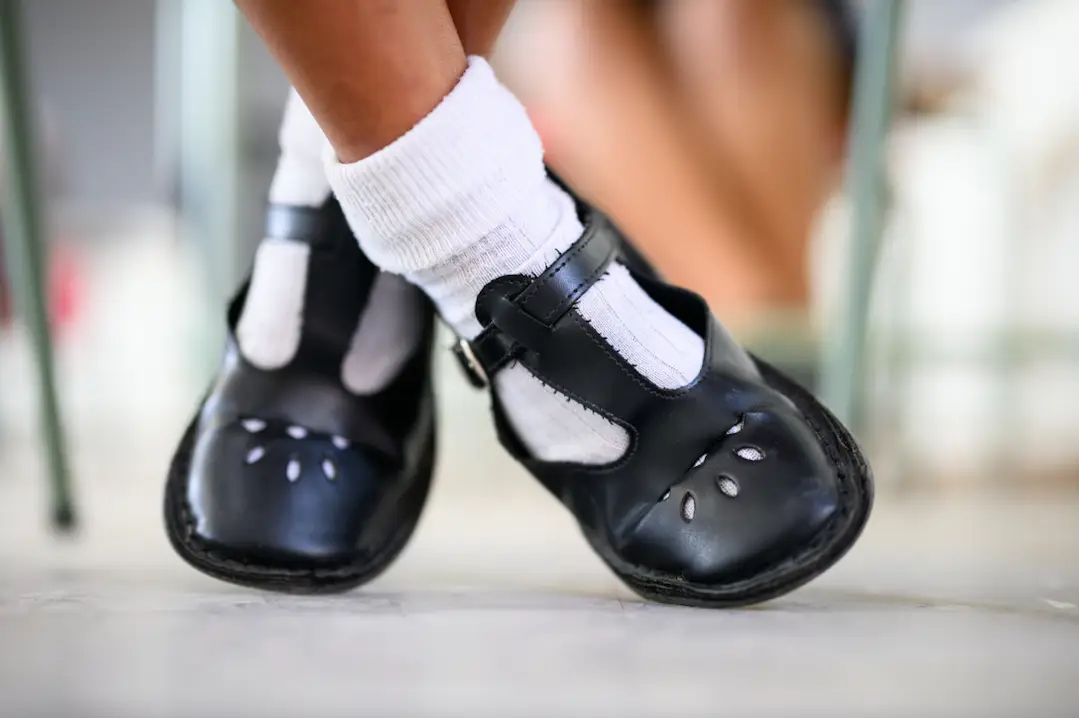
According to Davies, the most important thing is to make sure the shoe fits properly from the moment it is bought, rather than relying on a child to grow into it.
“The best school shoe is one that fits well today,” Davies explains. “While buying bigger may seem economical, choosing the correct size helps keep children comfortable, active and safe throughout the school day. School shoes are safety equipment as much as part of the uniform.”
A well-fitting shoe should feel secure and comfortable on the foot, without slipping off. It should also work with the foot, allowing features such as the fastening, heel support and sole grip to do their job properly.
Parents should also check there is enough room at the front of the shoe. When a child is standing, Davies recommends leaving around a thumb’s width (approximately 10-12mm) between their longest toe and the end of the shoe.
The shoe should fit comfortably around the heel, underneath the ankle bones, across the middle of the foot and around the front of the foot. It’s also important to choose a fastening that your child can manage themselves, whether that's laces, Velcro or a buckle.
But getting the right fit isn't just about checking the size. Parents should also keep an eye out for signs that their child may be experiencing discomfort.
“Children will not always tell you that there is a problem with their shoes or feet,” Davies says. “So look out for blisters or changes in the colour of the skin like redness or darkening, or changes in behaviour when wearing shoes.”
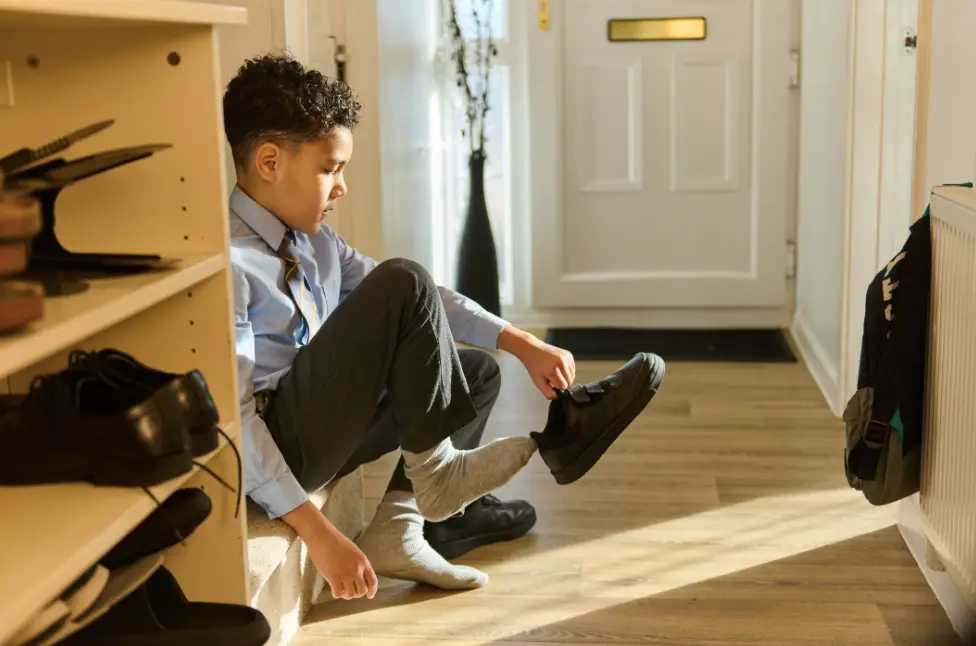
How often should you check your child's school shoes?
Even a perfectly fitting pair of school shoes won't necessarily stay that way forever. Children grow quickly, and their shoes can also take a fair amount of wear and tear during the school day.
Davies recommends that parents check their child's shoes for both fit and wear every four months from the age of four onwards.
“Children are very active on their feet and can take twice as many steps as an adult in a day, so wear is common,” she explains. “If a shoe is excessively worn, it needs to be replaced.”
Signs that a pair of school shoes may have reached the end of its life include holes in the soles, unevenly worn soles and fastenings that no longer work as they should.
So, while buying a bigger pair of school shoes might seem like a smart way to make your money go further, it could be worth prioritising the fit instead and making regular checks part of your child's school routine.
 Greg Harris