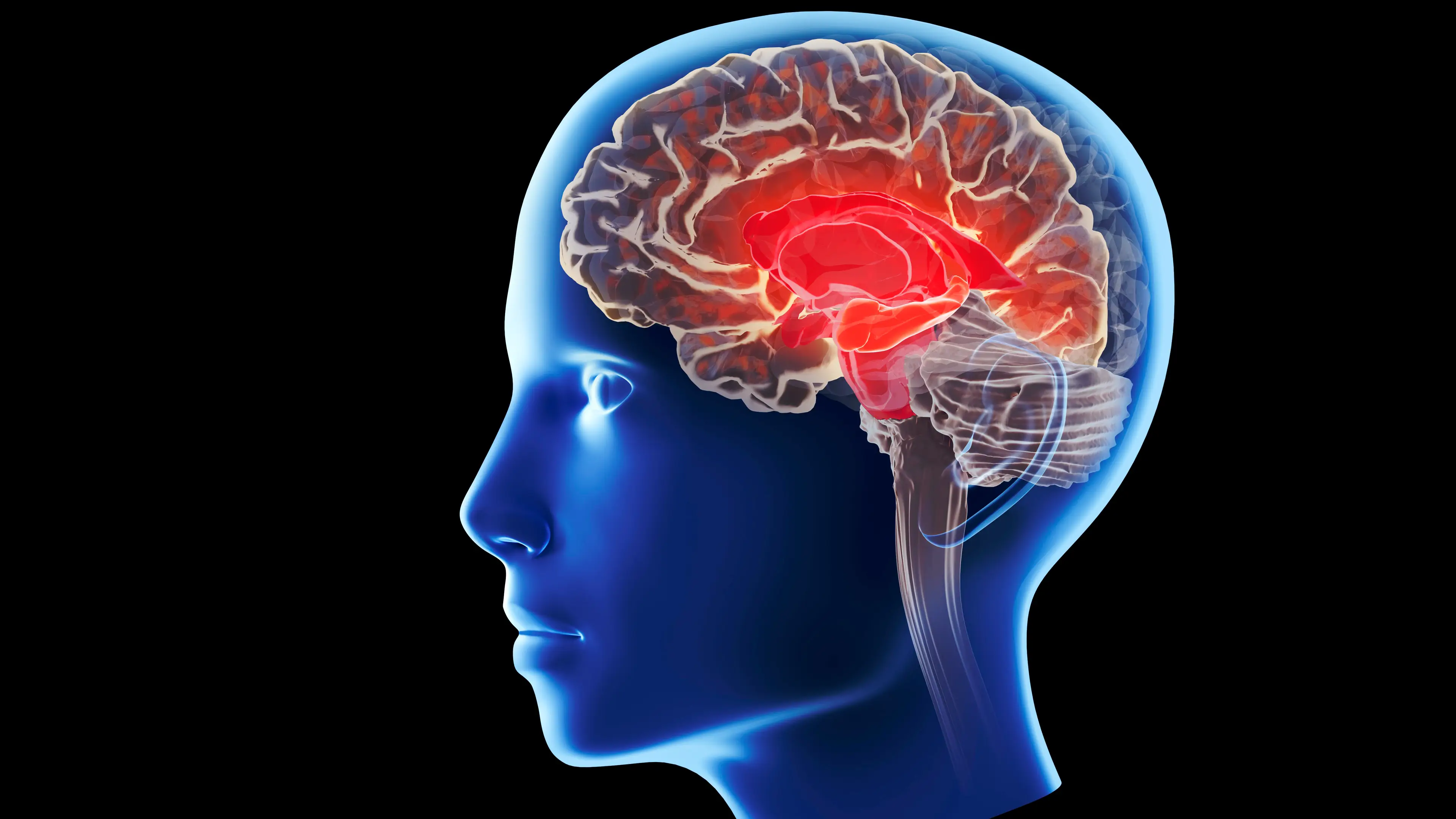
Scientist says Alzheimer’s might not actually be a brain disease after all

A theory put forward by a group of health experts argues that Alzheimer’s disease may not actually be a brain disease, and could instead be linked to the mouth.
We've always known Alzheimer’s to be progressive brain disease that causes memory loss and other cognitive issues. Symptoms can include memory loss, such as recent events and conversations, confusion, language problems, and mood changes among others.
As the devastating disease damages parts of the brain, it gradually shrinks in a process called brain atrophy.
Alzheimer’s is also thought to be caused by the abnormal build up of proteins in and around brain cells. One of the proteins involved is called amyloid and deposits of this protein form plaques around brain cells, as per the NHS.
Advert
It is not known exactly what causes this process to begin, however, scientists know that it starts many years before symptoms appear and can be caused by a combination of factors, including genetics and ageing.

And now, it has been suggested that Alzheimer's may not be a brain disease after all.
Science magazine reported in July 2022 that a key research paper published in the journal Nature that identified a subtype of brain protein called beta-amyloid as the cause of Alzheimer’s could have been based on fabricated data.
Donald Weaver, professor of chemistry and director of Krembil Research Institute, University Health Network, at the University of Toronto wrote an article on this topic for The Conversation, and said: "Based on our past 30 years of research, we no longer think of Alzheimer's as primarily a disease of the brain.
"Rather, we believe that Alzheimer's is principally a disorder of the immune system within the brain."
With lots of research focusing on the brain, scientists have recently questioned whether the mouth has a bigger part to play in the early stages of Alzheimer’s.
A study published in 2019 found a connection between a common infection in this area and a decline in brain functions - the ailment being gum disease.
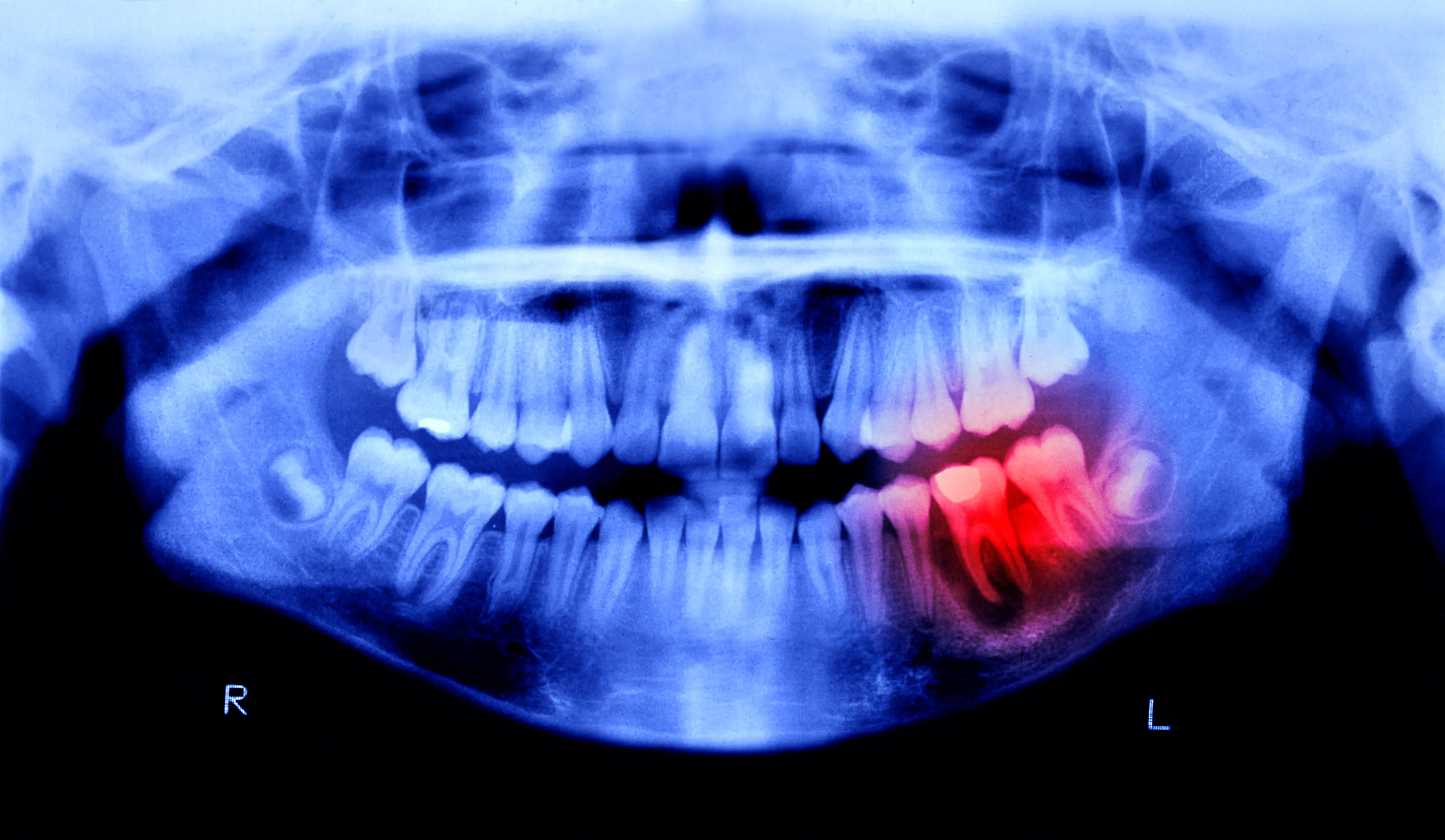
According to another paper submitted by University of Louisville microbiologist Jan Potempa, the pathogen behind chronic gum disease (a condition known officially as periodontitis) was also found in the brains of deceased Alzheimer's patients.
These instances aren't the first times a connection between mouth health and Alzheimer's was discovered, however.
Experiments involving mice found that oral infection with the pathogen (known as Porphyromonas gingivalis) led to brain colonisation, Science Alert reports.
An increase in the production of amyloid beta - the bodily proteins commonly associated with Alzheimer's - was also found.
While the team behind the 2019 study aren't claiming to have discovered a definitive cause of Alzheimer's, they did emphasise that mouth health should be considered during initial conversations with potential patients.

Stephen Dominy - co-founder of pharma startup Cortexyme, which organised the research time - told press at the time: "Infectious agents have been implicated in the development and progression of Alzheimer's disease before, but the evidence of causation hasn't been convincing."
He added: "Now, for the first time, we have solid evidence connecting the intracellular, Gram-negative pathogen, P. gingivalis, and Alzheimer's pathogenesis."
Dominy's team also found toxic enzymes called gingipains, which had been secreted by the gum disease bacteria in the brains of Alzheimer's patients.
They were also found in the brains of several deceased individuals who had not received an Alzheimer's diagnosis.
While there appears to be a connection, it's still largely unknown whether gum disease causes Alzheimer’s, or whether dementia leads to poor mouth and gum health.