'Dogzempic' sparks outrage among pet owners - as 'benefits' of drug revealed

In recent years, drugs such as Ozempic have taken Hollywood by storm due to their appetite-curbing side effects that 'trick the brain' into thinking you're full, with everyone from Amy Schumer to Stephen Fry admitting to using drugs like these to lose weight.
Now, with up to 50 percent of dogs in the UK estimated to be overweight, according to a 2024 study by trade body UK Pet Food, researchers and biotech firms are looking into ways similar drugs could target our porky pooches.
San Francisco-based bio-pharma company Okava specialises in pet health and is planning on running trials for a drug that could mimic the effects of Ozempic-like medications in dogs, hoping to bring it to market by 2028.
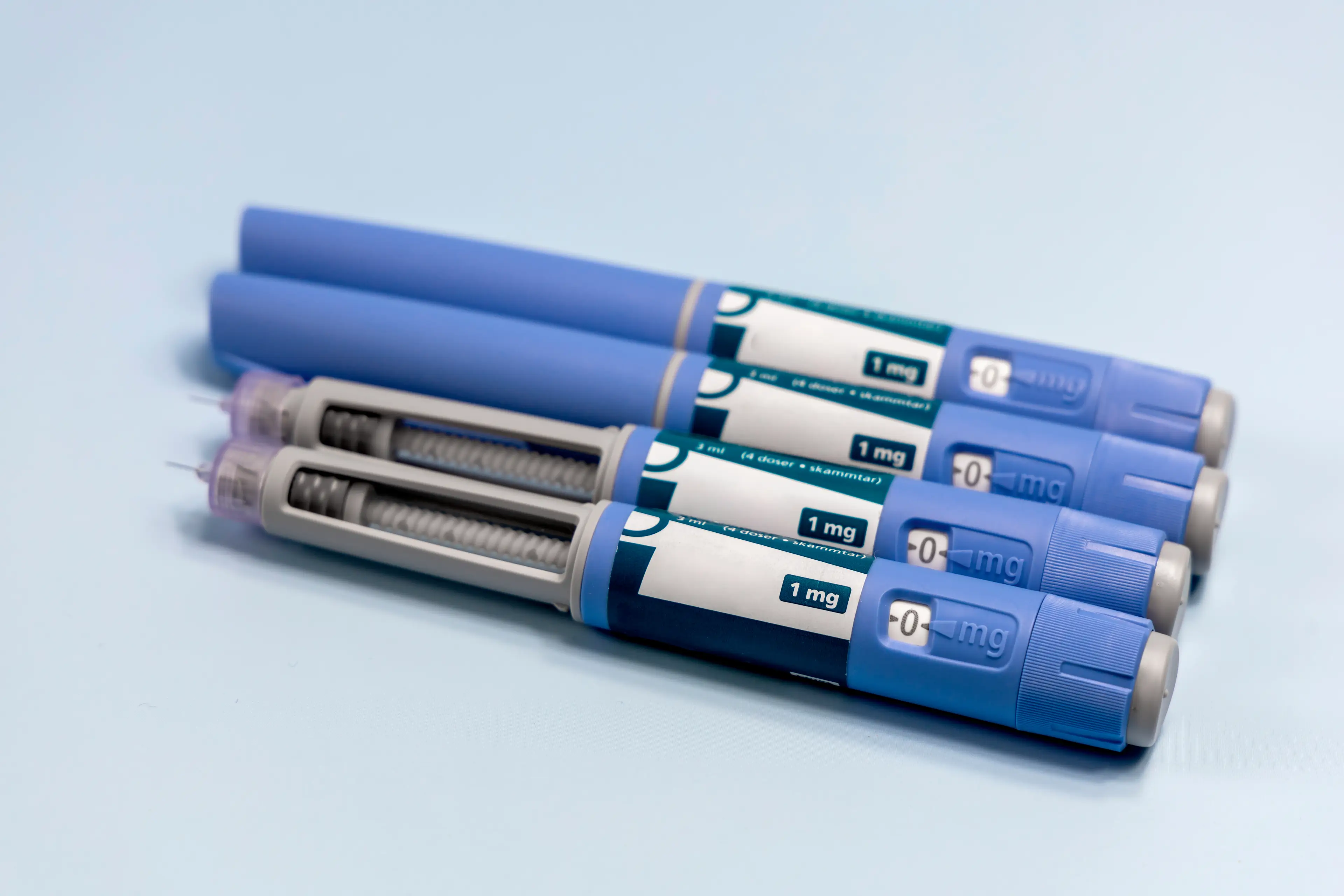
While Ozempic isn't actually approved by the NHS for weight loss, and instead is intended to treat Type-2 diabetes, it contains an active ingredient called semaglutide, which mimics a natural hormone called GLP-1.
Advert
This hormone regulates blood sugar and appetite, tricking users into believing they are full and therefore reducing how much food they consume - which is why many have turned to it for weight loss.
But can this really be replicated in dogs?
Okava's plan is that the drug, which would come in the form of an implant that lasts six months at a time, could reduce the begging behaviour that owners can't resist and leads to overeating.
The company's planned implant, called OKV-119, contains a GLP-1 mimicking ingredient called exenatide.
While appetite loss in dogs is often associated with illness, Okava's chief executive Michael Klotsman hopes the behavioural changes from the implant will be different.
Speaking to the Guardian, he explained the benefits of the OKV-119 implant.
"What owners should expect to see is their pet eating appropriate portions without the previous food obsession - they’ll still eat regularly and show interest in meals, just without the excessive begging, scavenging or gulping behaviour," he said.
However, the proposed drug, dubbed 'Dogzempic,' has sparked outrage among pet owners.
One person wrote on Instagram: "Are you freaking kidding me!!!! I hope no one does this! This is out of control."
Another angrily penned: "This level of greed, laziness and stupidity is astonishing. This took my breath away!"
A third said: "Ozempic causes tons of side effects!!!!! We see many people sick that come to ER and take Ozempic. Stop this nonsense, leave our pets alone!!!!!!!"
And a fourth suggested: "Orrrr and hear me out - you could just feed your dog fresh Whole Foods and exercise them… Just a thought."
Caroline Allen, Chief Veterinary Officer at the RSPCA, offered a warning to The Independent about the proposed weight-loss solution.
"A healthy diet and exercise is the best way to keep our pets happy and well, but we understand that owners can sometimes struggle to manage their pets’ weight," she said.
"There is currently little information about proposed weight-loss implants or vaccinations for animals, and owners shouldn’t rely on them becoming available."
 Bec Oakes