Fitness influencer shares chilling reality of running alone as a woman at night

I've always been interested in being someone who just 'pops out for a quick run', but it's been something that's felt impossible to do.
Not because of my lack of stamina, dodgy trainers or bad weather, but because I'm, simply put, too scared.
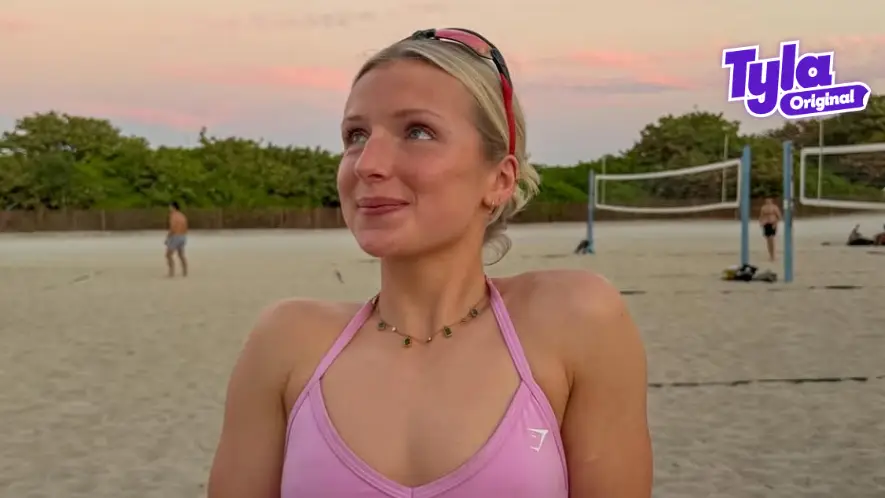
And I'm clearly not the only one, as this was even a problem for Gymshark athlete and fitness influencer, Lily Lifts, who founded The Night Club, a women's evening running club which is completely redefining how women exercise once the sun sets.
Lily launched her women-only run club after becoming increasingly frustrated by the reality that many women face when running alone at night.
Advert
"I just became so frustrated about the problem that I decided to do something about it," she exclusively told Tyla.
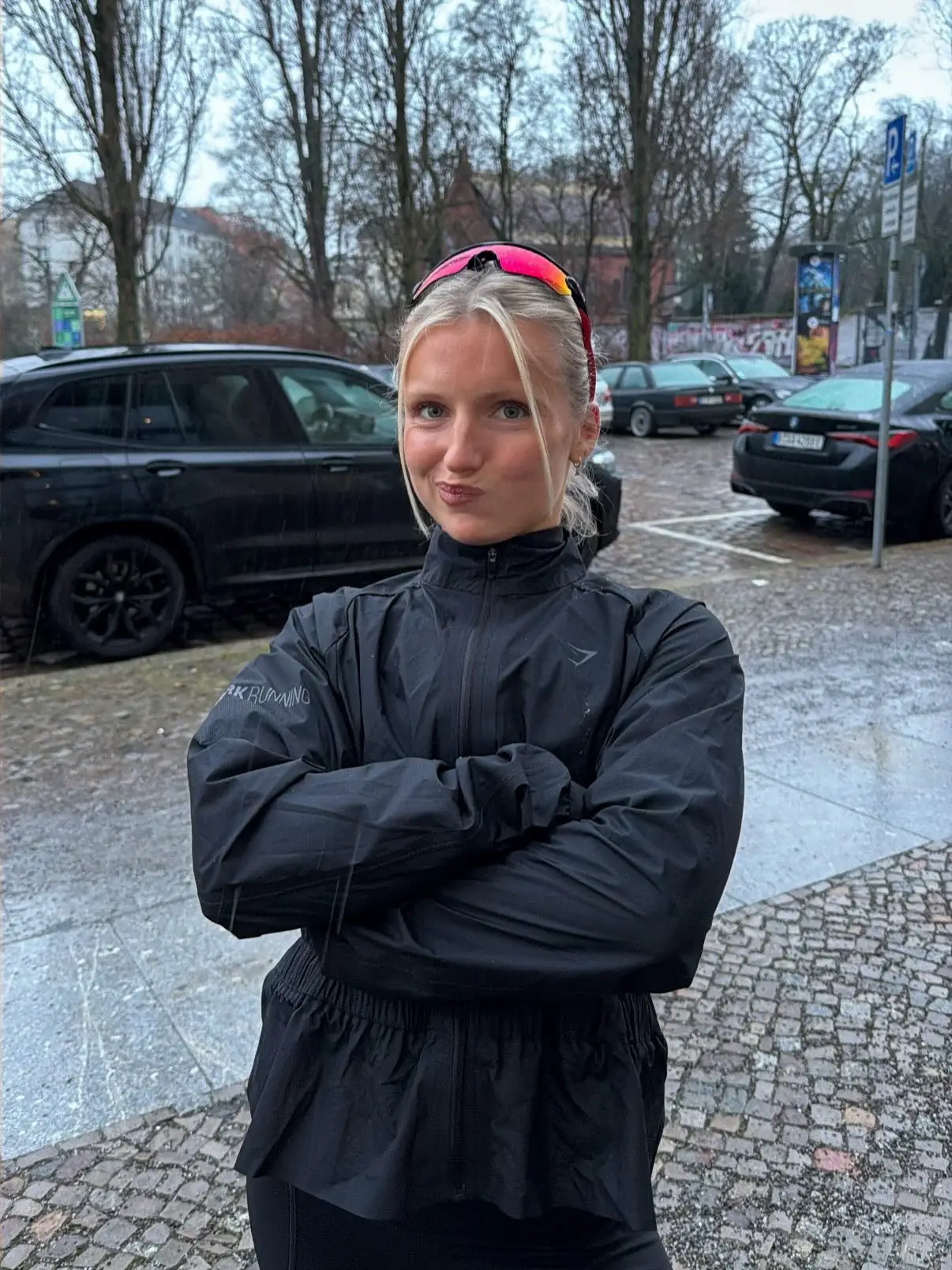
At the time, Lily was working full-time at a London law firm and had recently taken up running for health reasons. But as winter approached and daylight hours disappeared, she found herself facing the same dilemma as countless other women.
Friends stopped running altogether during winter, while others only went out during daylight hours or saved runs for weekends.
Trying to continue her own routine near her flat in Clapham left her feeling constantly on edge.
"You're constantly looking over your shoulder, not being able to wear headphones and being aware of your surroundings," she explained.
"It’s so tiring."
Lily said the experience exposed a deeper issue around women’s safety that many people still fail to understand.
Data shared by The Night Club reports that a staggering 92% of women internationally feel concerned for their safety while running, while a shocking 68% of women have experienced abuse while running.
As many of 38% of women internationally said they have experienced harassment while running, and 34% of women take added precaution, such as running with a wearable safety item.
Women are also six times more likely than men to feel afraid of the dark and modify their running behaviour due to this fear.
"Running after dark is not just a matter of scheduling or fitness, it's a balancing act between staying active and staying safe," explained one woman.
Another outlined: "I'm scared of being attacked by a man, not the dark."
And a third echoed: "Women are running in cities built for men."

The first session of Lily's run club saw just 12 women turn up in Battersea Park on a freezing, rainy evening.
"It started off in Battersea Park, 12 women on a Wednesday evening in the p*ssing rain, and it was so cold," she recalled, never expecting it to become what it is today.
"Now it's grown into this global community of women, which has obviously made me realise how big the problem is elsewhere."
The rise of women’s running clubs across the UK has become both inspiring and unsettling.
Large groups of women reclaiming public spaces feel empowering, but the popularity of these communities also highlights how unsafe many women feel on their own.
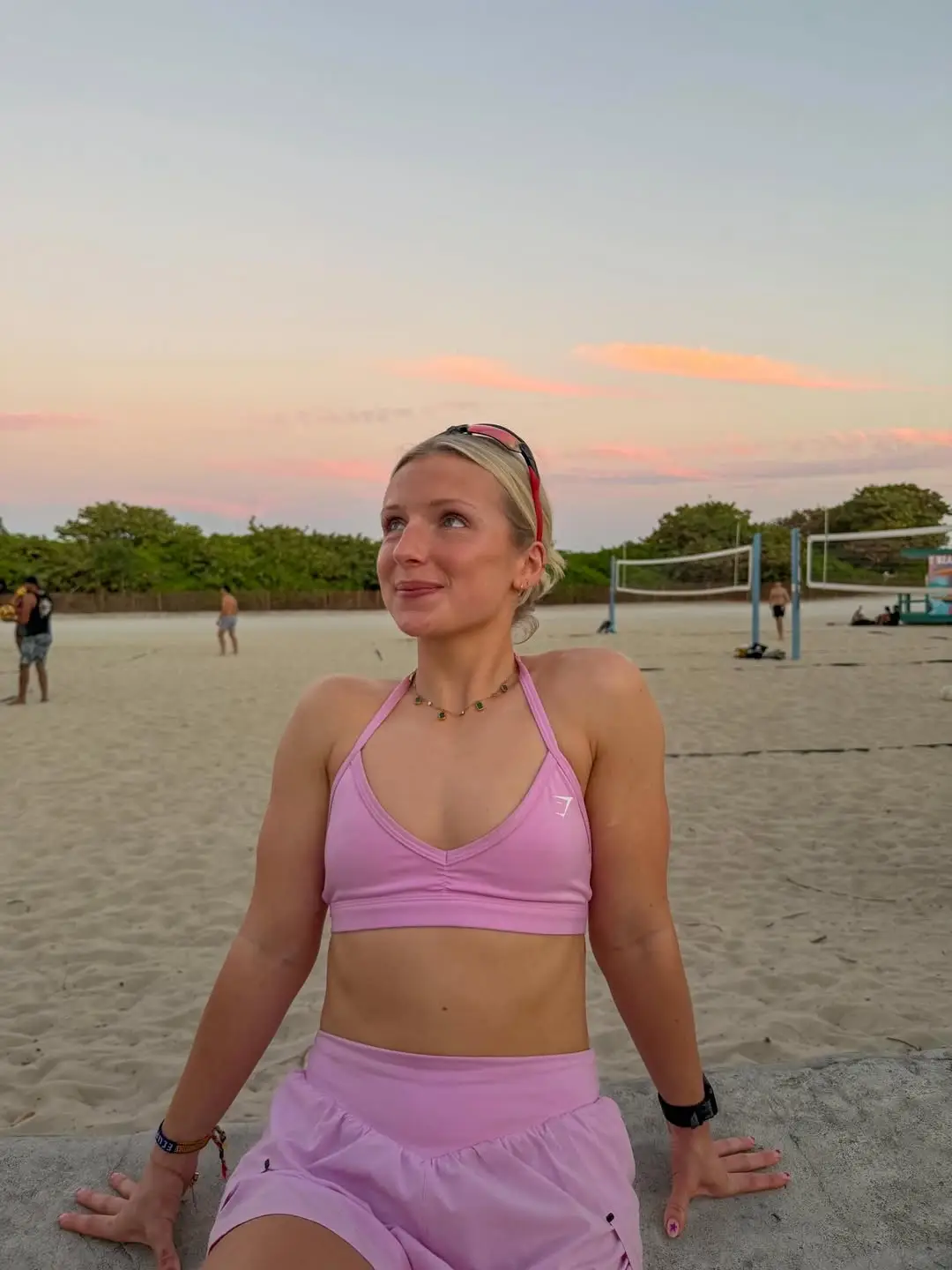
Lily described the extensive precautions women often take before going for a run, with examples shared within her community, including changing routes regularly, carrying rape alarms, avoiding headphones, sticking to well-lit streets and even choosing certain hairstyles to make themselves harder to grab from behind.
"Even when you do those things, you still find yourself looking over your shoulder and worrying," she said.
She believes many men remain unaware of the amount of planning involved because they never have to think about it themselves.
"People aren't aware of the problem," Lily explained.
"When I started speaking about the steps and the protocols and the lengths that we have to go to to feel safe, people were so shocked."
She added: "There's only so much we can do."
Lily said her own boyfriend was surprised when she explained the level of preparation many women go through before stepping outside alone at night.
"He can go for a 10km run at 9 pm without thinking about safety," she said.
Despite the seriousness of the issue, Lily says discussions online are often met with backlash and victim-blaming.
"Whenever I post about these things, there's always just two sides,” she said.
"You've got hundreds of thousands of women agreeing, and then people still say it's not an issue. People always undermine it and make you feel like you're overreacting."
Still, she says the sense of solidarity created through the run club outweighs the negativity.
"There's nothing like getting a group of women together and connecting," she said.
"Running in a space where you normally feel terrified with 100 women and music playing feels so empowering. By the end of it, everyone's besties."
Alongside friendship and fitness, Lily believes the wider conversation needs to focus on education, public awareness and cultural change around violence against women.
"The only way I'd feel safe running alone in the dark is if I knew everybody around me would look out for me," she said.
"I don't have any trust in the public that they would come and help me."
For women like myself who feel nervous about running alone, Lily encourages practical precautions such as sharing locations, telling people their route and running with friends where possible. But she admits it frustrates her that the burden so often falls on women themselves.
Her biggest message is one of reassurance.
"Every single woman that's walking out there running feels the exact same way that you do," she resolved.
"You're not alone."
If you’ve experienced sexual or street harassment, you’re not alone — and support is available. You can call Victim Support for free, 24/7 on 08 08 16 89 111, or use their Live Chat service at www.victimsupport.org.uk.
Topics: Life, Real Life, Sport, Tyla Exclusive, Health
 Rhiannon Ingle