Weird place hair can start growing when you reach a certain age

Slowly but surely, our bodies change as we age. Our skin loses its elasticity, our eyesight inevitably worsens, and our metabolism slows, making it harder to burn off calories.
Most of us are also likely to experience our hair going grey, while some will suffer from hair loss.
But those aren’t the only signs that your hair is ageing, because structural changes can also take place, with thicker, coarser hair sometimes becoming much thinner and finer the older you get.
Another change that may raise eyebrows is that sometimes, rapid hair growth is on the cards, but not necessarily on the top of your head.
Advert
When you hit 40 or enter your 50s, hair may start filling out in unexpected places, according to Dr Brett Bolton, founder of Great Hair Transplants.
In an interview with The New York Post, the expert revealed that this phenomenon is actually ‘completley normal’, and we can thank hormonal changes for the sprouters.
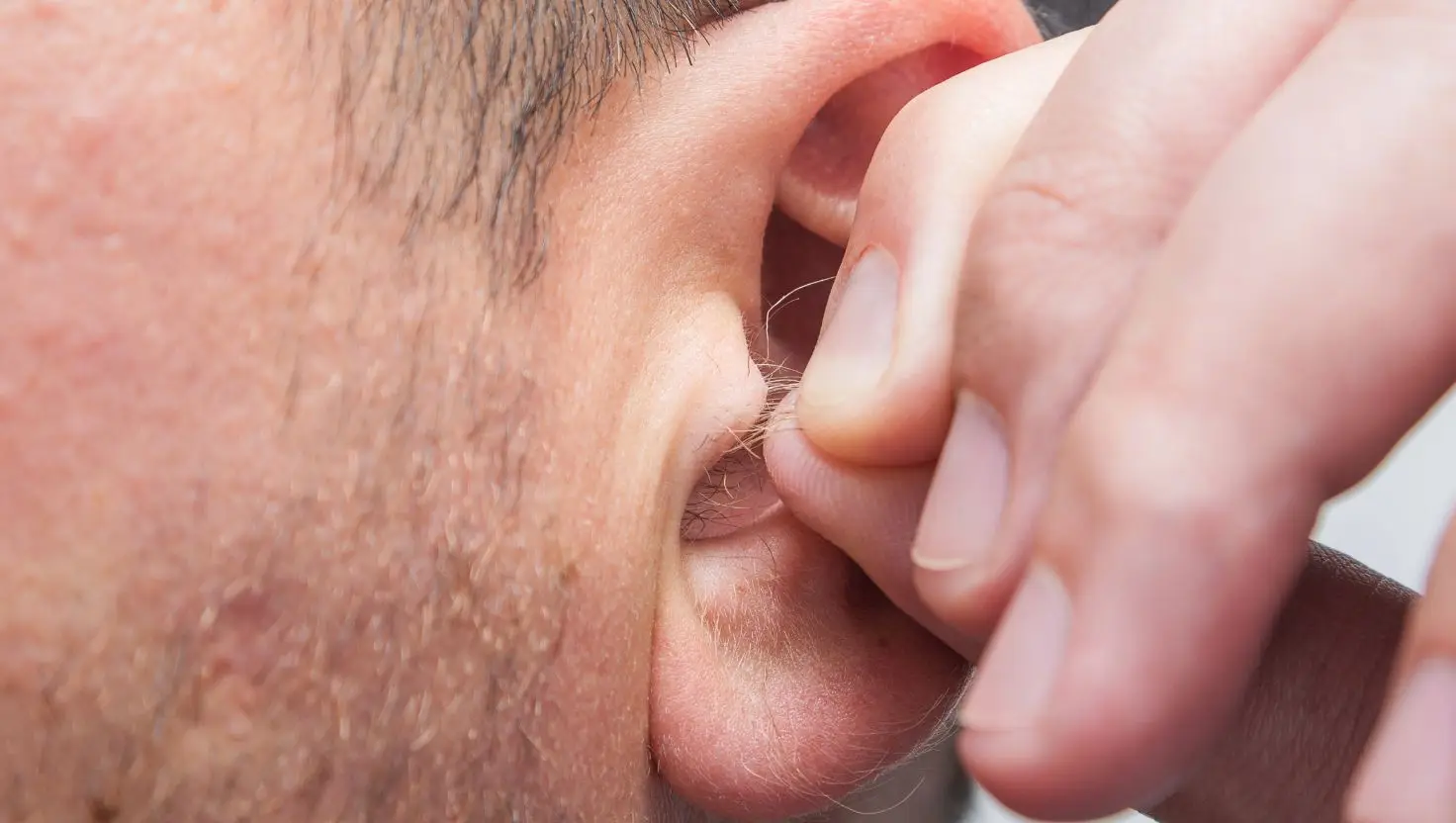
Hair in men’s ears and nose is likely to experience a growth spurt, according to Dr Bolton.
Some scientists have suggested that nasal hair becomes more prominent as men age because of the influence of testosterone on the length of the growing phase, as reported by Science Focus.
These experts claim that follicles in both the nose and ears become sensitive to testosterone and also increase in size in later life, resulting in larger hairs.
However, according to Dr Nish Manek, a London-based GP, more research has been done on why men lose their hair, rather than the problem of having too much.
Meanwhile, women may spot a rogue hair on their chin, jawline, or upper lip in their 40s/50s.
“Obviously, it’s not limited to only those areas of the body,” the medical professional confessed.
“Plenty of women will notice it on their nipples and chest area, while men are going to see it on their back and shoulders or maybe even their toes.”
Some women may also experience hirsutism, which sees thick, dark hair developing on the face, neck, chest, tummy, lower back, buttocks or thighs, according to The NHS.
The most common cause is polycystic ovary syndrome (PCOS), a condition affecting the ovaries that may cause symptoms like acne and irregular periods.
Hirsutism can also be caused by certain medications and even tumours affecting your hormone levels, but sometimes there is no obvious cause.
Treatment for this thick, unprecedented hair growth includes losing weight if you're overweight and lathering on prescription creams.
Long-lasting removal options, such as electrolysis and laser hair removal, are also available.
Oh, the joys of getting older, hey?
Topics: Women's Health, Health, Hair
 Ella Scott