All the things causing you to wake up between 2am and 4am and what you can do

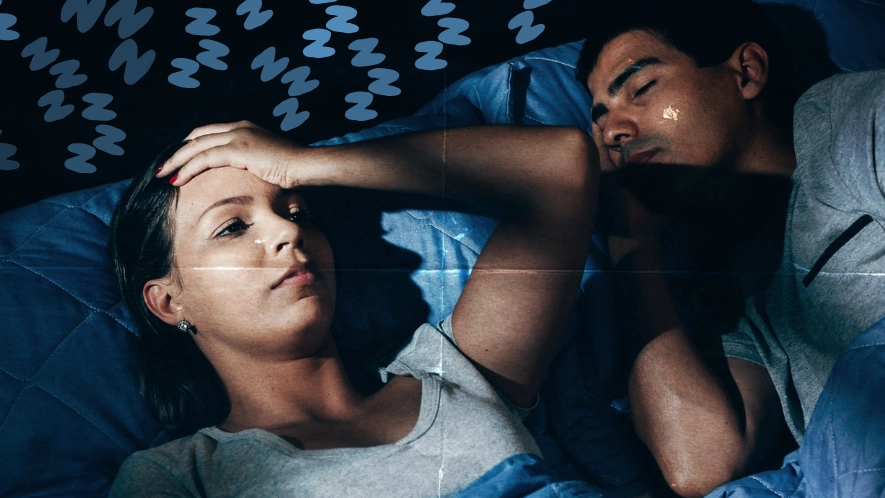
There's nothing worse than continuously finding yourself waking up fully awake in the middle of the night, only to take ages to drift back off to sleep again.
And it's clear this annoying habit is actually quite common, as, according to Land of Beds' 2026 UK Sleep Report, 88% of Brits now wake up at least once every night, while a separate Dreams survey found that 69% experience those interruptions between 2 am and 4 am.
But what's behind these early-hours wake-up calls?

Stress and anxiety
Stress is one of the most common reasons people wake during the night.
Advert
According to sleep expert Dr Deborah Lee from Doctor Fox, it's 'among the biggest contributors to 3 am wake-ups'.
"Cortisol, often referred to as the stress hormone, naturally begins to rise in the early hours of the morning as your body prepares to wake," she told the Metro.
"However, if you're feeling anxious or under prolonged stress, that rise can happen earlier or more sharply, making it difficult to fall back asleep and creating a cycle of broken rest."
A consistent wind-down routine can help, as can cutting back on screens before bed.

Bad sleep habits
Irregular bedtimes, staying up too late, going to bed before you're actually tired, or spending an hour scrolling on your phone can all disrupt your sleep cycle.
Sleep physiologist Stephanie Romiszewski, director of Sleepyhead Clinic, says consistency is key.
"Wake up at the same time every day, and don't get in bed until you feel sleepy. You'll notice that if you're waking up at the same time every day, that will start to become your regular time. That's the order in which you need to do it," she says.
The expert also warns against letting sleep problems dictate your daily life.
"We need to actually allow our brains to understand that the only opportunity to sleep will be the usual nighttime," she urged. "As soon as we start adapting our entire lives to a sleep problem, we actually end up making it worse."
Relaxation techniques can help reduce anxiety, but they aren't always enough to fix an established sleep issue.
"Doing things for relaxation and anxiety reduction can be a very proactive tool to making sure you don't get sleep problems, but it is not a reactive one," Stephanie added.

Blood sugar dips and alcohol
What you eat and drink can also affect your sleep.
"Low blood sugar during the night can trigger the release of adrenaline and cortisol, both of which may wake you in the early hours," says Dr Lee.
"This can be more common in people who skip meals, eat very light dinners, or consume insufficient protein during the day."
Alcohol can be another culprit, as while it may help you fall asleep faster, it often disrupts sleep later in the night as the body processes it.
It can also increase trips to the bathroom, reduce deep sleep and contribute to breathing disturbances.
Dr Lee recommends eating a balanced diet with enough protein and healthy fats to help stabilise energy levels overnight.

Hormonal changes
Hormones play a major role in sleep quality, which is why menopause, perimenopause and pregnancy can all trigger night-time waking.
"During menopause and perimenopause, fluctuating oestrogen and progesterone levels can contribute to night sweats, temperature sensitivity and anxiety," says Dr Lee. "In pregnancy, physical discomfort, increased urination and hormonal shifts can also disrupt sleep."
While there's rarely a quick fix, small changes to your sleep environment and daily routine can help reduce disruption.
An underlying health condition
In some cases, waking up regularly between 2 am and 4 am may point to an underlying medical issue.
Possible causes include depression, sleep apnoea, reflux (GERD), low blood sugar, frequent urination, restless leg syndrome (RLS) and chronic pain conditions such as arthritis, fibromyalgia or peripheral neuropathy.
It's worth paying attention to any accompanying symptoms, such as regular headaches, pain, coughing, dizziness, increased night-time urination, loud snoring, or breathing difficulties, which could all be signs that something else is affecting your sleep.
Certain medications can also contribute to sleep disruption.

Is it normal?
Occasional sleep disruption is usually nothing to worry about, particularly during stressful periods or major life changes.
"Our brains are just trying to adapt," says Stephanie. "Sleep is just adapting to all these different situations. It's no wonder that in the short term our sleep can act a bit funny and we just need to let it, and then let it go back to normal."
But if the problem persists, it's worth seeking help.
"If it's been over three months, then absolutely go to the GP," she says.
"After three months, any kind of sleep problem can become habitual, like a pattern for your brain."
 Rhiannon Ingle