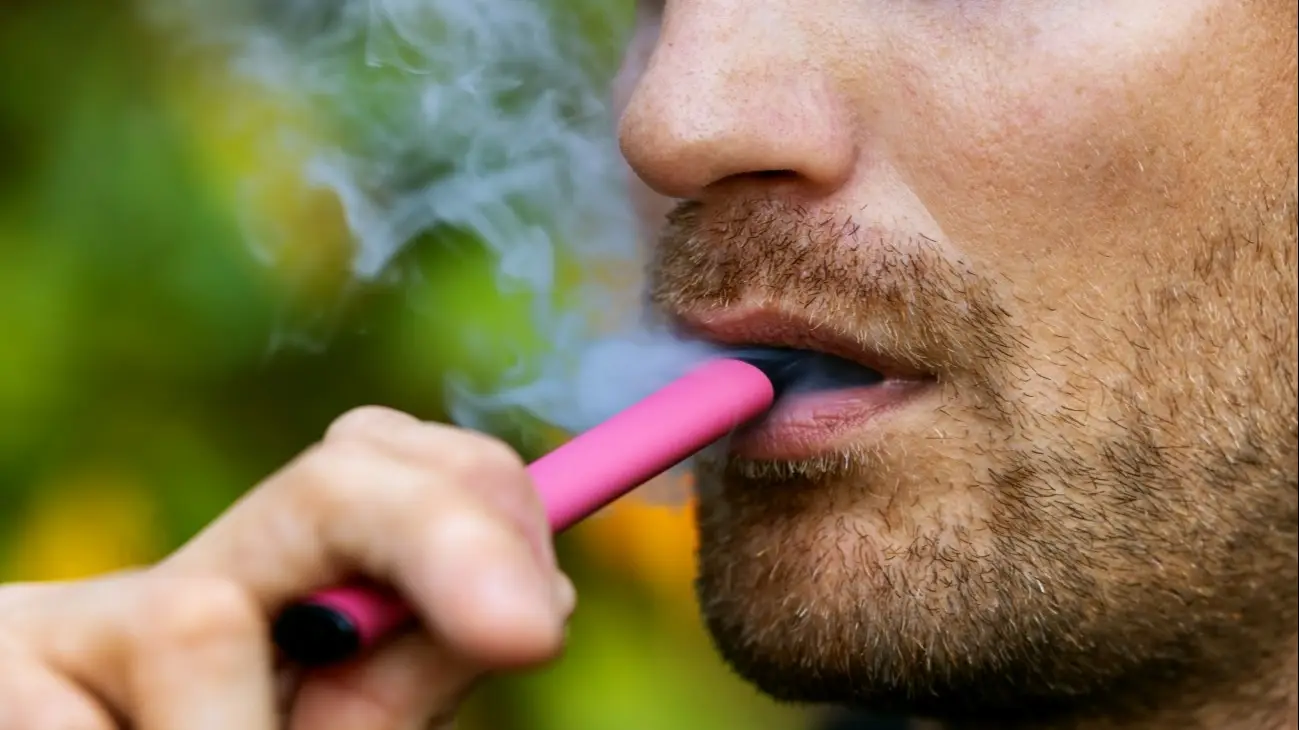
Anyone quitting vaping might experience one of these symptoms

Vaping in the last decade has been marketed as the ‘less harmful’ alternative to smoking, with sleek devices, sweet flavours and the illusion that it’s easier to quit when you want to.
For many people, it becomes part of daily life without much thought; a few puffs on the commute, during a break, or absent-mindedly scrolling in the evening.
That’s partly why deciding to stop can feel deceptively simple. You don’t smell of smoke, your clothes aren’t stained, and it can feel more like a habit than a dependency. However, once the vape goes down for good, things can start to feel off.
Mental changes
Plenty of people who quit vaping report feeling irritable, restless or strangely emotional in the days that follow. Others notice changes in their sleep, appetite or ability to focus.
It’s often brushed off as stress or a bad week, rather than something more obvious.
Advert

The reason is straightforward, even if it catches people out. Most vapes contain nicotine, and stopping means your body and brain have to adjust to suddenly being without it.
As health experts at the CDC put it: “When you stop, your body and brain have to get used to not having nicotine.”
The symptoms that follow are known as nicotine withdrawal, which apply to vaping just as much as quitting smoking.
Cravings
Just like when going through Dry January, cravings are usually the first thing people notice. They can hit out of nowhere and feel overwhelming, especially when triggered by routines like having a coffee or socialising.
Alongside that, feeling irritated, grouchy or unusually short-tempered is extremely common in the early days.
Physical Challenges
Many people also feel jumpy or restless, finding it hard to sit still or relax.
Concentration can take a hit too, with even simple tasks suddenly feeling harder than usual. Sleep problems are another big one, ranging from trouble falling asleep to waking repeatedly during the night.
Changes in appetite are also normal.
Some people feel hungrier than usual or find themselves snacking more, partly because food tastes better once nicotine is out of the picture, and partly because vaping often keeps hands and mouths busy.
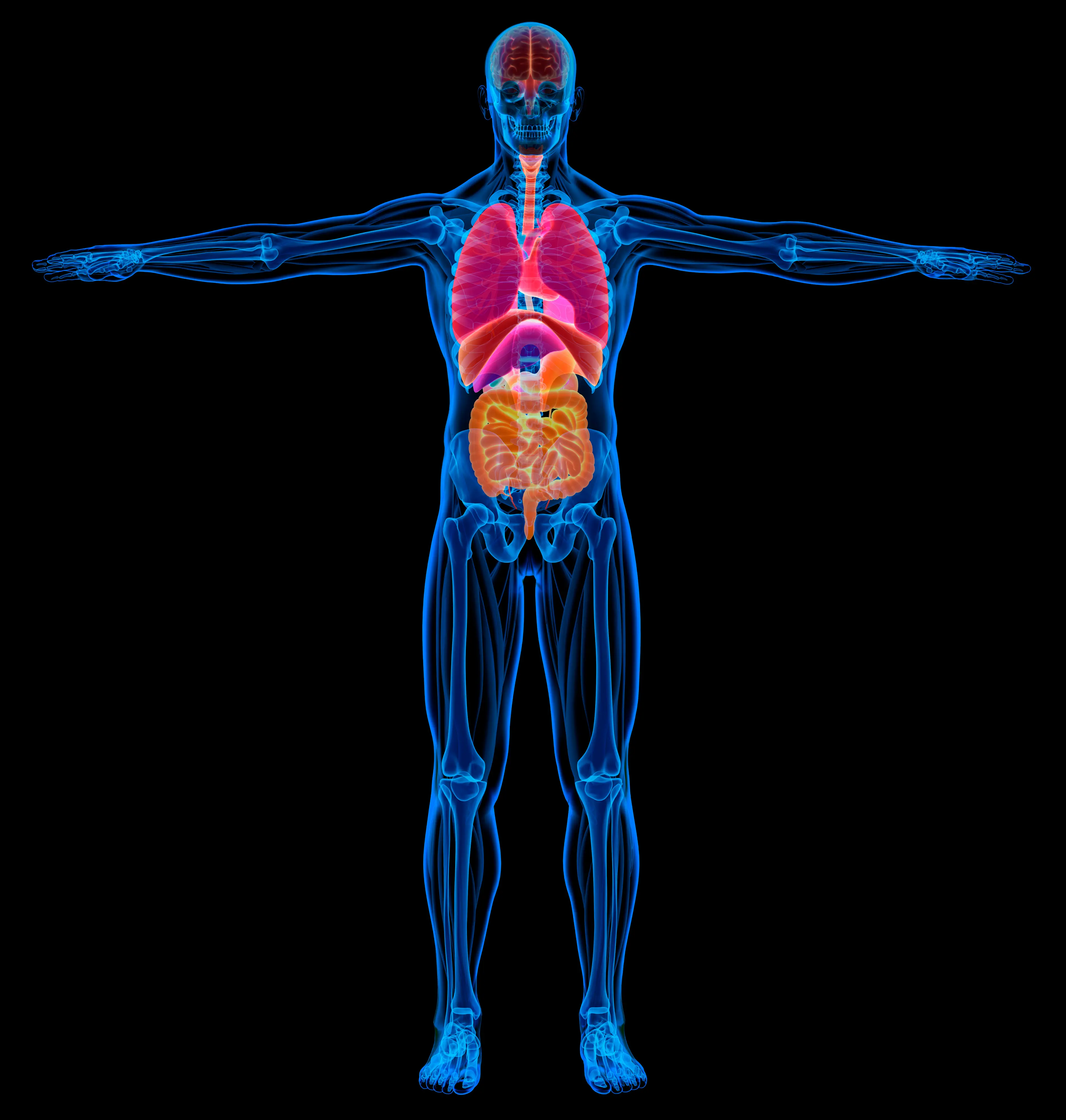
Mood changes can be the most unsettling symptom. Feeling anxious, low or tearful isn’t uncommon, especially for anyone who has struggled with anxiety or depression before.
While vaping can feel like it helps in the moment, you shouldn’t be fooled, just as experts warn about smoking. The CDC also says: “Smoking might make you feel better in the short-term, but that’s because the nicotine in cigarettes stops the discomfort of withdrawal, not because it is helping with anxiety or depression.”
The good news is that nicotine withdrawal isn’t dangerous. As one expert reassurance goes: “Nicotine withdrawal can’t hurt you – unless you give in and have a cigarette!” — or in this case, a few puffs from your vape pen.
The symptoms are temporary; they do pass, and many people report feeling mentally and physically better a few weeks into quitting.
Topics: Health, Mental Health, Vaping, Sleep, Food and Drink
 Ben Williams