
Everything that happens inside your body if you quit smoking for a whole month

Giving up cigarettes for a whole 31 days can feel like a huge challenge - but according to experts, your body starts thanking you almost immediately.
From your heart rate and blood pressure beginning to settle to your senses of taste and smell coming back to life, there are changes happening within hours, and they continue for years.
To mark Stoptober, we asked three medical experts what happens inside your body when you stop smoking, and what you can expect at different points along the way.
And while the first few days can be tough, the experts are keen to stress that withdrawal symptoms don't mean quitting isn't working.
Advert
As Dr Nikki Ramskill, women's health GP and founder of The Female Health Doctor clinic, puts it: "Your body starts responding within minutes and hours."
After 20 minutes
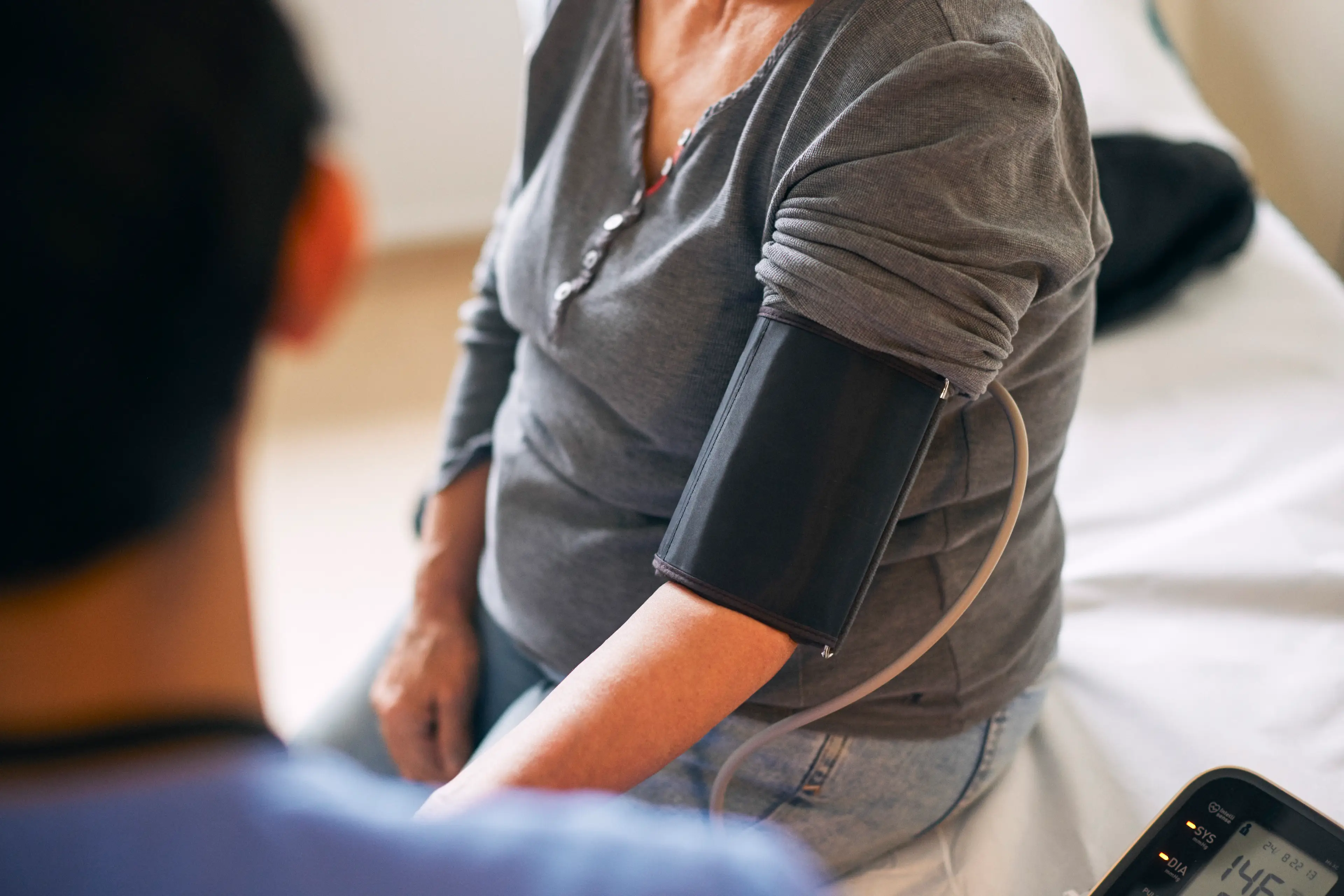
You don't have to wait until you've been smoke-free for days before something starts changing.
Within around 20 minutes of your last cigarette, your heart rate and blood pressure begin moving back towards a more normal level.
Prescribing Pharmacist Ayesha Bashir, of online pharmacy Chemist4U, says this is 'one of the earliest signs that your body is responding positively'.
Dr Opel Baker, a GP at Mayfield Clinic, agrees, adding: "It’s a small but important first step, and a reminder that your body is remarkably good at beginning to repair itself once you remove the source of harm."
After 24 hours
By the first day, the amount of carbon monoxide - the chemical found in cigarette smoke that reduces the amount of oxygen your blood can carry - in your blood has started to fall significantly.

As levels fall, oxygen can begin recovering, which means your organs and tissues can receive oxygen more effectively.
After two days
After 48 hours, nicotine levels have also fallen significantly, which tends to be when cravings start kicking in.
"Nicotine withdrawal can cause cravings, irritability, poor concentration, disturbed sleep," Dr Ramskill points out. "That doesn’t mean your health is getting worse, underneath those temporary symptoms, recovery has already begun."
Carbon monoxide will also have fallen to the level found in someone who doesn't smoke by around this point. Your lungs are also beginning to clear mucus, while your sense of taste and smell can become stronger.
"Smoking can dull your senses," Dr Baker says, meaning this can be one of the first benefits you actually notice in everyday life.
That can also mean your appetite increases.

Nicotine suppresses appetite, while improved taste and smell can make food more appealing.
The NHS says this is a common part of quitting and that any weight gain needs to be weighed against the much greater health benefits of stopping smoking.
After one week
The first week can be one of the trickiest parts of quitting - but that's not because your body isn't recovering.
It's because you're dealing with both nicotine withdrawal and the habits you've built around smoking.
Dr Ramskill says this is also the point when some women may notice they're hungrier, as their appetite returns and food becomes more appealing.
"Nicotine suppresses appetite, so hunger can increase after stopping, but I would never want fear of gaining a little weight to put somebody off quitting," she explained. "The health benefits of stopping smoking massively outweigh the risks associated with some temporary weight gain."

It's also around this point that breathing may start to feel easier, 'as the bronchial tubes begin to relax', Dr Baker continued.
"You may also notice more energy," he added. "However, this can be a challenging point for some people because nicotine withdrawal can be at its most noticeable. You might feel irritable, restless, anxious or find yourself thinking about cigarettes a lot.
"That doesn’t mean quitting isn’t working, it’s quite the opposite. These are signs that your body is adjusting to life without nicotine.
"The key is to have a plan for getting through those cravings rather than relying on willpower alone."
After two weeks
By this point, you may start noticing the difference when you're actually moving around.
Between roughly two and 12 weeks after quitting, circulation improves, meaning blood is pumped more effectively around the body.
That could mean walking, climbing the stairs or exercising doesn't leave you quite as breathless as it did before.

Dr Baker says that as circulation improves, more oxygen can reach your muscles, potentially making everyday physical activity feel easier.
It's not an overnight transformation, but it's one of the changes that can become increasingly obvious as the weeks go on.
After three weeks
Around the three-week mark, your body is continuing to adjust to life without cigarettes.
The improvements in circulation and lung function are ongoing, and you may notice you have more energy or that you're able to do more without becoming as short of breath.
But there's also a psychological milestone here.
As Baker explains, smoking isn't simply about nicotine - cigarettes can become attached to routines and situations, from your morning coffee to a drink with friends or a break at work.

Breaking those associations is an important part of staying smoke-free.
After one month
First of all, congratulations - you made it to the end of Stoptober!
So, what happens after you've made it through a whole month? As it turns out, quite a lot.
By this point, your body has spent four weeks without the constant exposure to cigarette smoke, and the recovery processes that began within hours of your final cigarette are well underway.
Your circulation has continued to improve, while breathing and exercise have become steadily easier.
Your lungs are also continuing to recover.

"Coughing, wheezing, and shortness of breath may begin to improve as the tiny hair-like structures in your lungs, known as cilia, start to recover and become better at being able to clear mucus and protect against infection," Bashir added.
And here's something that might catch you off guard - you could actually cough more for a while.
That doesn't necessarily mean your lungs are getting worse.
"As the lungs begin clearing mucus and debris," Dr Ramskill explains, some people can notice an increase in coughing.
The NHS likewise notes that coughing and other respiratory symptoms can improve after quitting as the body adjusts.
There's also the mental side of things.
A month without smoking means you've had time to start breaking some of the everyday routines that made reaching for a cigarette feel automatic.

And for women, Dr Ramskill stresses that the benefits go far beyond the lungs.
Smoking can affect blood vessels throughout the body and is also relevant to reproductive health. Women who smoke can take longer to become pregnant, while quitting can benefit pregnancy and reproductive health.
She also points out that smoking is an additional risk factor for cervical cancer because it can affect the body's ability to clear high-risk HPV. Quitting doesn't replace cervical screening or follow-up, but it does remove one additional risk factor.
So, after just one month, you've already done far more than simply stop buying cigarettes, but...
How about a year?
The longer you stay smoke-free, the more the benefits build.
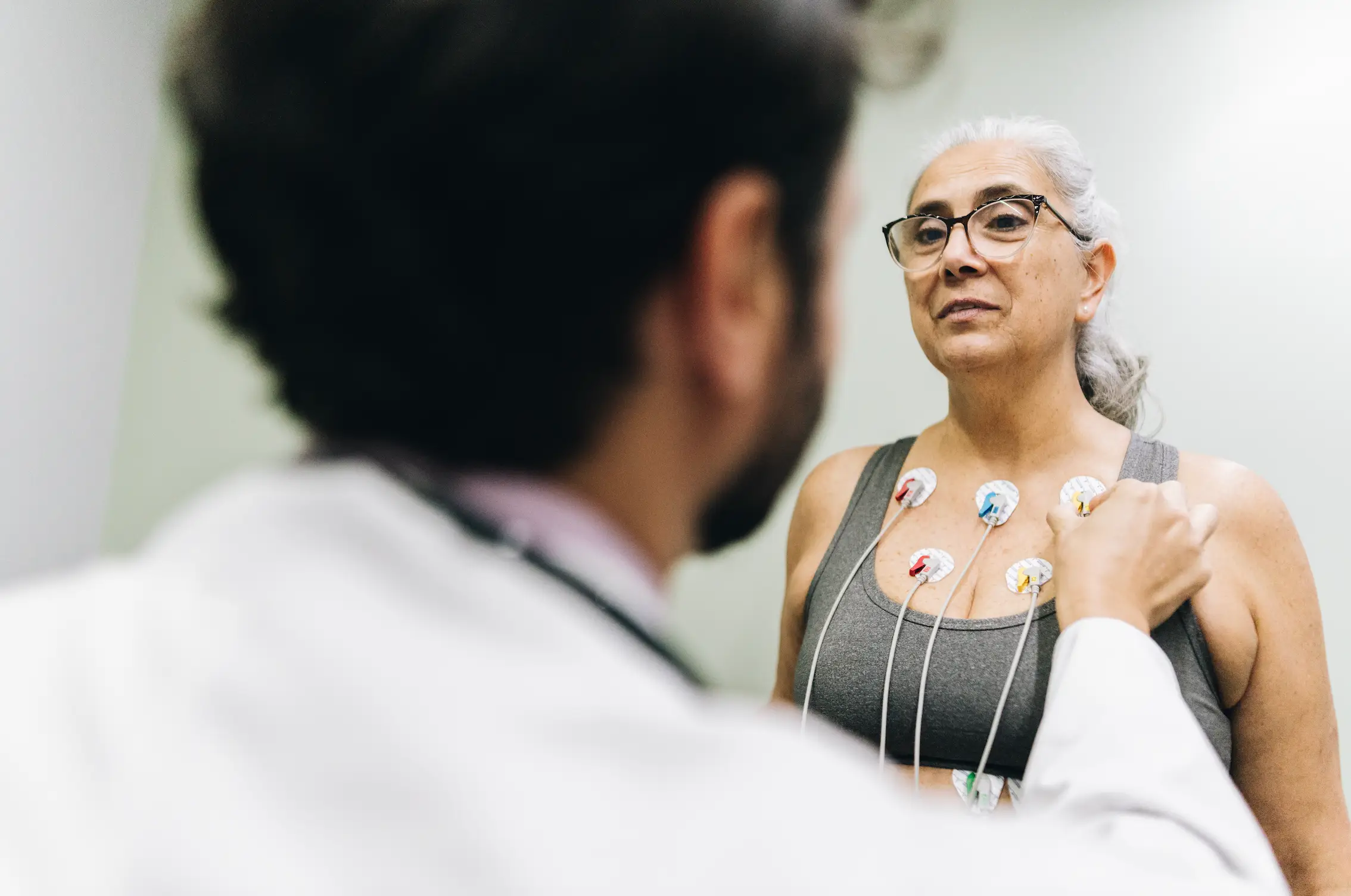
After a year, the cardiovascular benefits become particularly significant.
Dr Ramskill says that after one year without smoking, the risk of having a heart attack is around half that of someone who continues to smoke.
"That matters enormously for women because cardiovascular disease can sometimes be mistakenly thought of as predominantly a male health problem," she continued.
"Protecting our heart and blood vessels is an important part of women’s health too, particularly in perimenopause and beyond."
It's a useful reminder that smoking isn't simply a lung issue.
Quitting reduces cardiovascular risk as well as the risks associated with respiratory disease and a number of cancers. The CDC says the risk of coronary heart disease falls sharply after quitting, with further reductions over time.
Five years?
The benefits don't stop at the one-year mark.
Between five and 10 years after quitting, the additional risk of stroke decreases, while the risk of several smoking-related cancers also falls.
Baker says that remaining smoke-free allows your body to 'continue to repair itself year after year'.
"The important thing to remember is that there is no point at which it is 'too late' to stop," he went on. "Even if you have smoked for many years, quitting still has significant health benefits.
"The sooner you stop, the more you reduce your future risk, but there is always something to gain."
The CDC also reports that, five to 10 years after quitting, the added risk of cancers of the mouth, throat and voice box drops by around half.

Exactly how quickly an individual's risks change will vary depending on factors including how long and how heavily they smoked.
But the important point is that stopping doesn't simply freeze your existing level of risk - it continues to change over time.
"It’s not just lung cancer risk that improves," Dr Ramskill emphasised, however. "Almost all cervical cancers are caused by persistent high-risk HPV infection, but smoking is an additional risk factor.
"Smoking can affect the immune response and make it harder for the body to clear HPV, meaning the infection is more likely to persist and potentially cause abnormal changes in the cells of the cervix.
"So if you’ve been told you have high-risk HPV at cervical screening, stopping smoking is one positive thing you can actively do for your cervical health.
"It doesn’t replace cervical screening or any recommended follow-up, but it removes an important additional risk factor."

She also discussed the evidence linking 'smoking with an increased risk of breast cancer'.
"The relationship is more complex than it is with lung cancer, and breast cancer has many different risk factors, but long-term smoking, particularly smoking that starts at a younger age or before a first pregnancy, has been associated with a higher risk," Dr Ramskill noted.
 Rhianna Benson