
Doctors told patient symptom was just 'women's problems' - now they’ve had to remove 70% of her stomach

As women, I'm sure we've all lost count of the times a doctor has put a genuine health concern down to 'women's issues'.
Usually, this frustrating occurrence results in sulkily requesting a new appointment with a different medic – but for one woman, this negligent response to a case of agonising stomach pain almost cost her life.
Bella Bayliss first noticed something was wrong in her midriff back in February 2019, after she experienced chronic bloating that appeared to have no trigger. Over time, the bloating began to accompany weight gain, pain in her abdomen, as well as breathlessness and tingling in her limbs.
After the discomfort became too much to bear, the 25-year-old, who'd previously been diagnosed with anaemia, checked herself into Gloucestershire Royal Hospital, where she was told they'd been caused by 'women's problems' linked to her previous health battle.
Advert
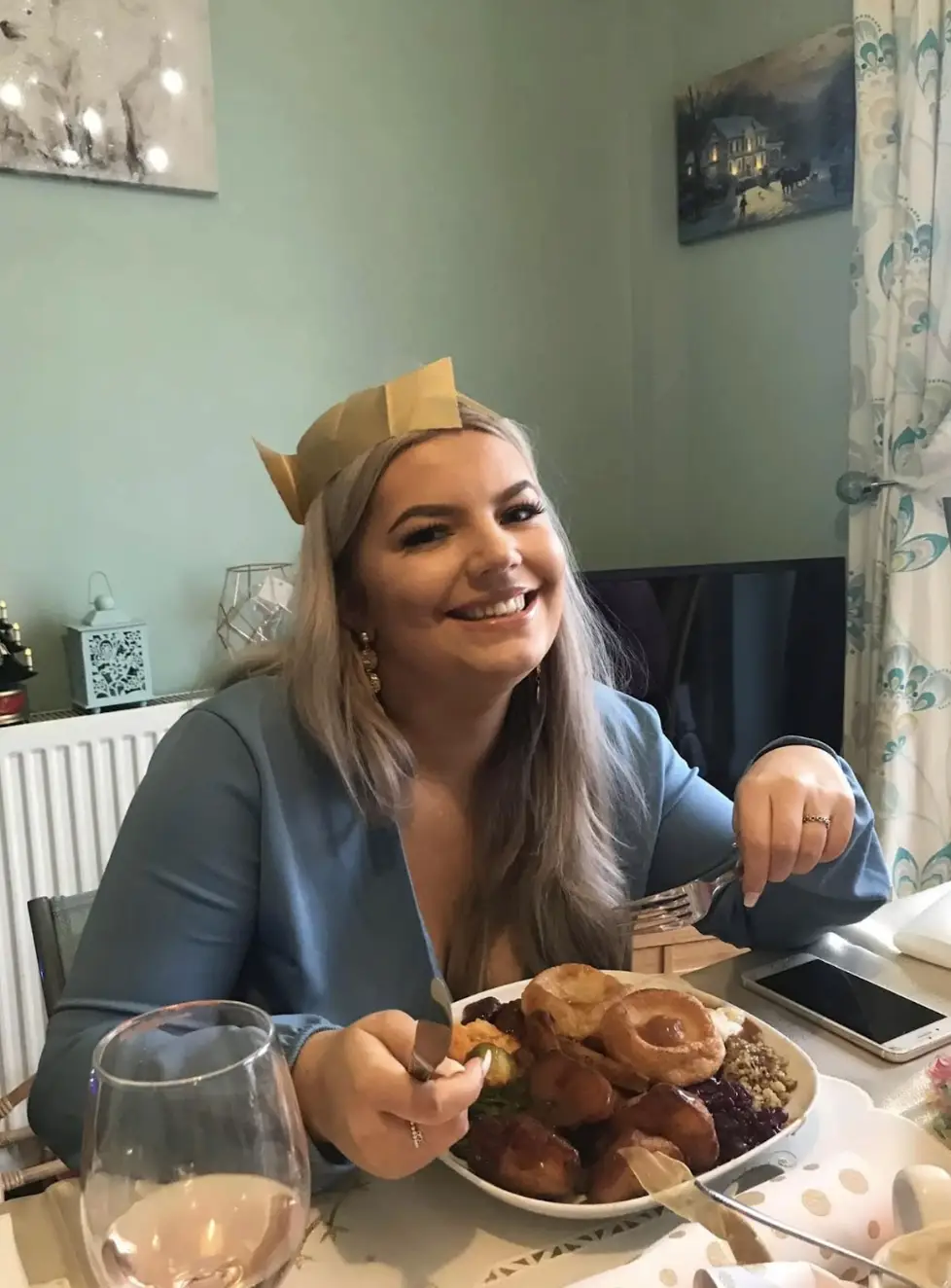
"I went to hospital because I was extremely anaemic, they sent me home and blamed it on women's problems," the Gloucester local recalled to press recently. "I knew it wasn't that."
Of her initial instincts, Bayliss added: "I used to work at a supermarket and I was waking up quite early in the morning and I blamed it on that.
"I was getting really breathless doing normal activities, I was really pale, I had constant stomach pains. I had lost my appetite completely, my legs were going numb, [I had] tingly hands, tingly legs."
By November, the transport assistant administrator's symptoms had failed to ease up, and she returned to hospital.
After begging for some sort of investigation, Bayliss underwent a endoscopy that confirmed her worst fears; she had a 6cm tumour in her stomach.
Doctors explained that the specific condition was known as a Gastro-Intestinal Stromal Tumour (GIST), a rare form of cancer caused by a sarcoma coming into fruition inside a person's digestive system.
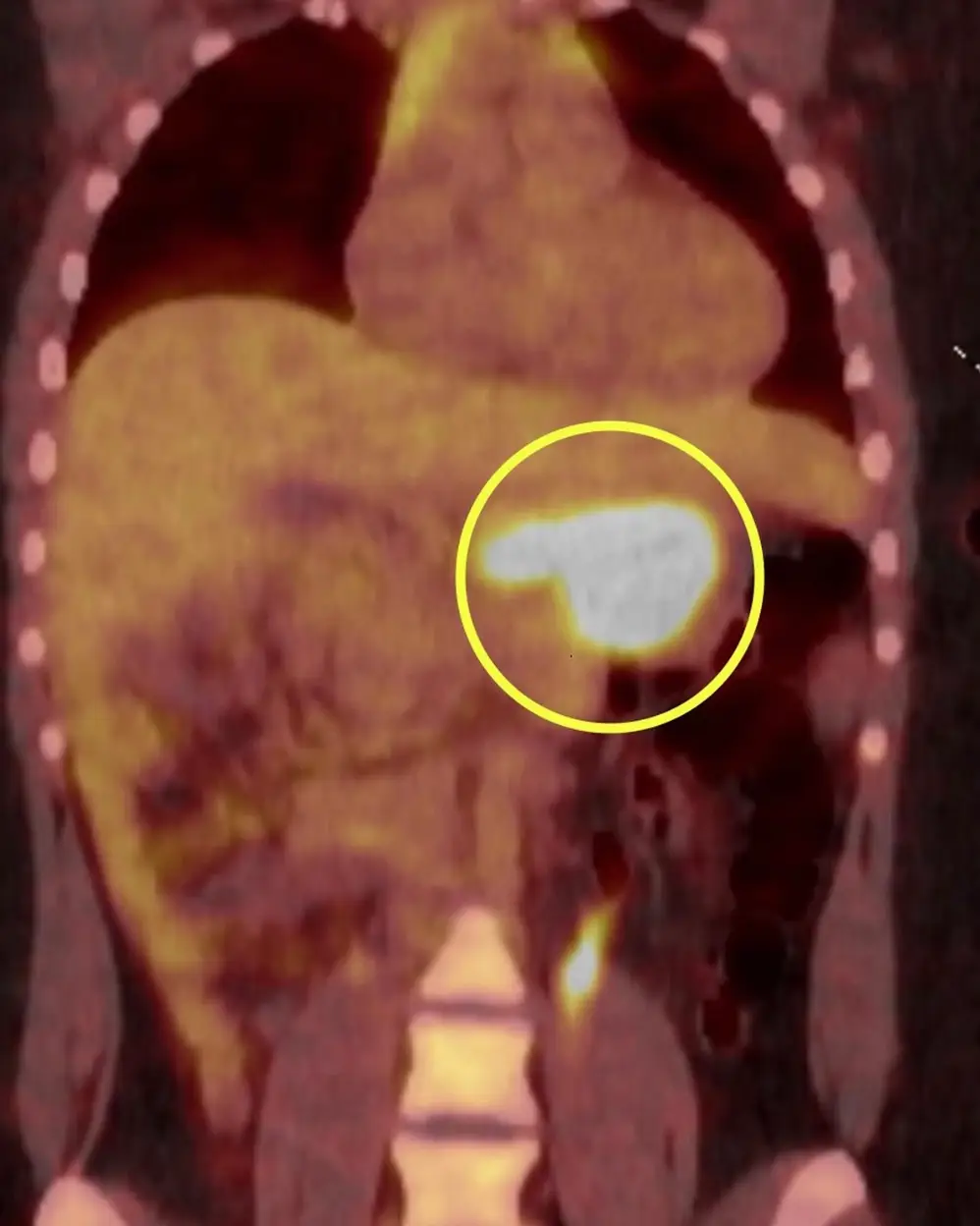
Following cancer surgery three months later, 70 percent of Bayliss' stomach was removed.
"If they hadn't left me for so long I wouldn't have to have that much of my stomach removed because the tumour got bigger within that time," she recalled.
Despite receiving the all clear, in September of last year, the vicious disease had returned, with scans showing that the cancer had also spread to her liver, where two small tumours sat.
"They said they found two shadows on my liver and I just instantly knew it was that," Bayliss continued. "I had a phone call not long after saying it was my cancer and it had come back.
"At first I was shocked because after five years you think it's a part of your life you can put behind you."
On the impact the news has had on her loved ones, she reflected: "I was very shocked, me and my mum and dad were devastated. This time it felt different, I think you worry when it comes back.
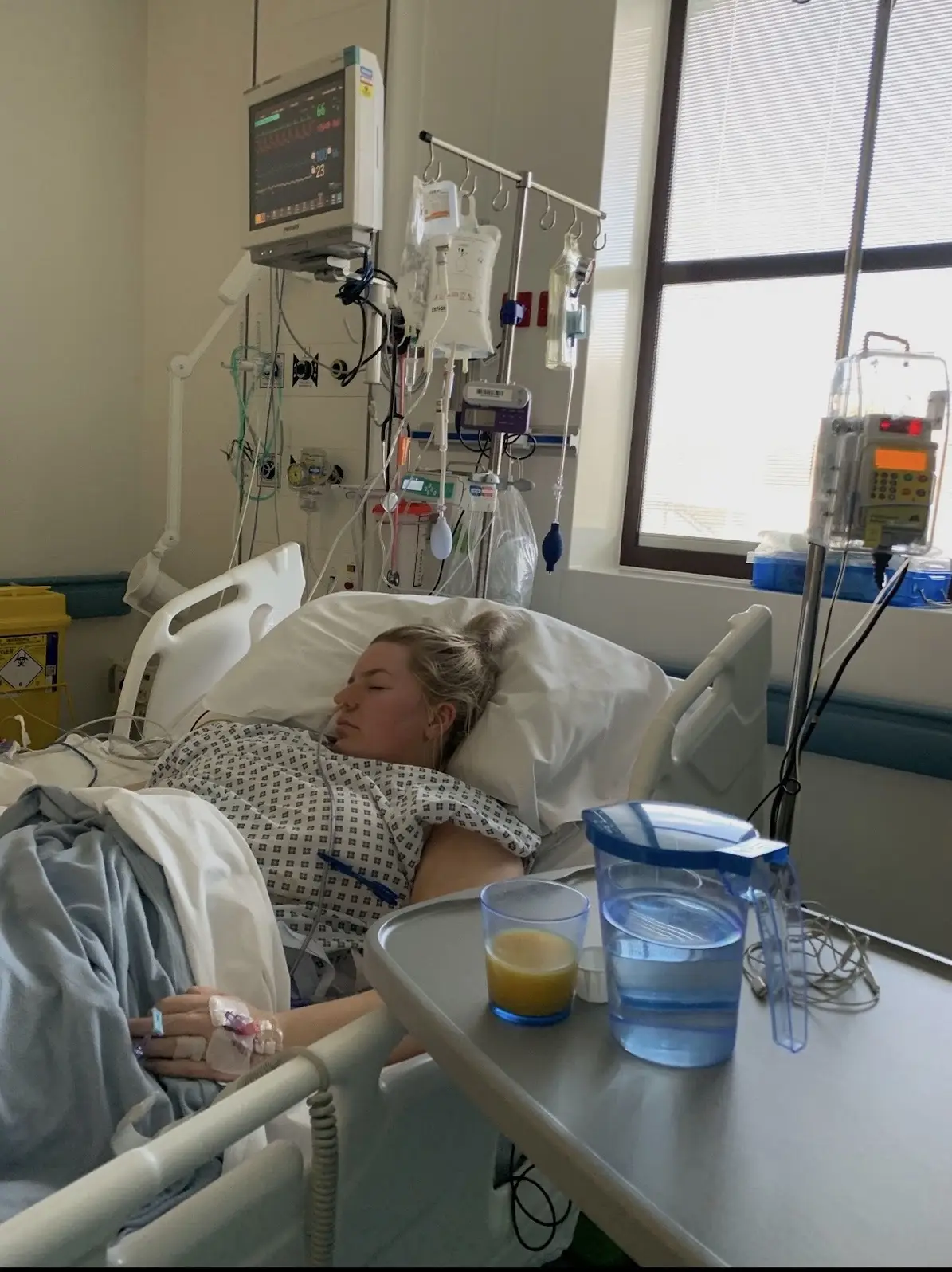
"I know what to expect, I'm extremely overwhelmed and tired."
Now, Bayliss is preparing to undergo her second round of surgery, given that her specific strain of cancer doesn't respond to traditional chemotherapy.
"They are currently trying to find medication that works, the only way to cure my cancer is surgery," she explained.
"After five years you tend to think it won't come back but mine has. I can't eat a lot anymore, I just try to have small meals throughout the day. I get scared to have food with my friends or have a drink sometimes.
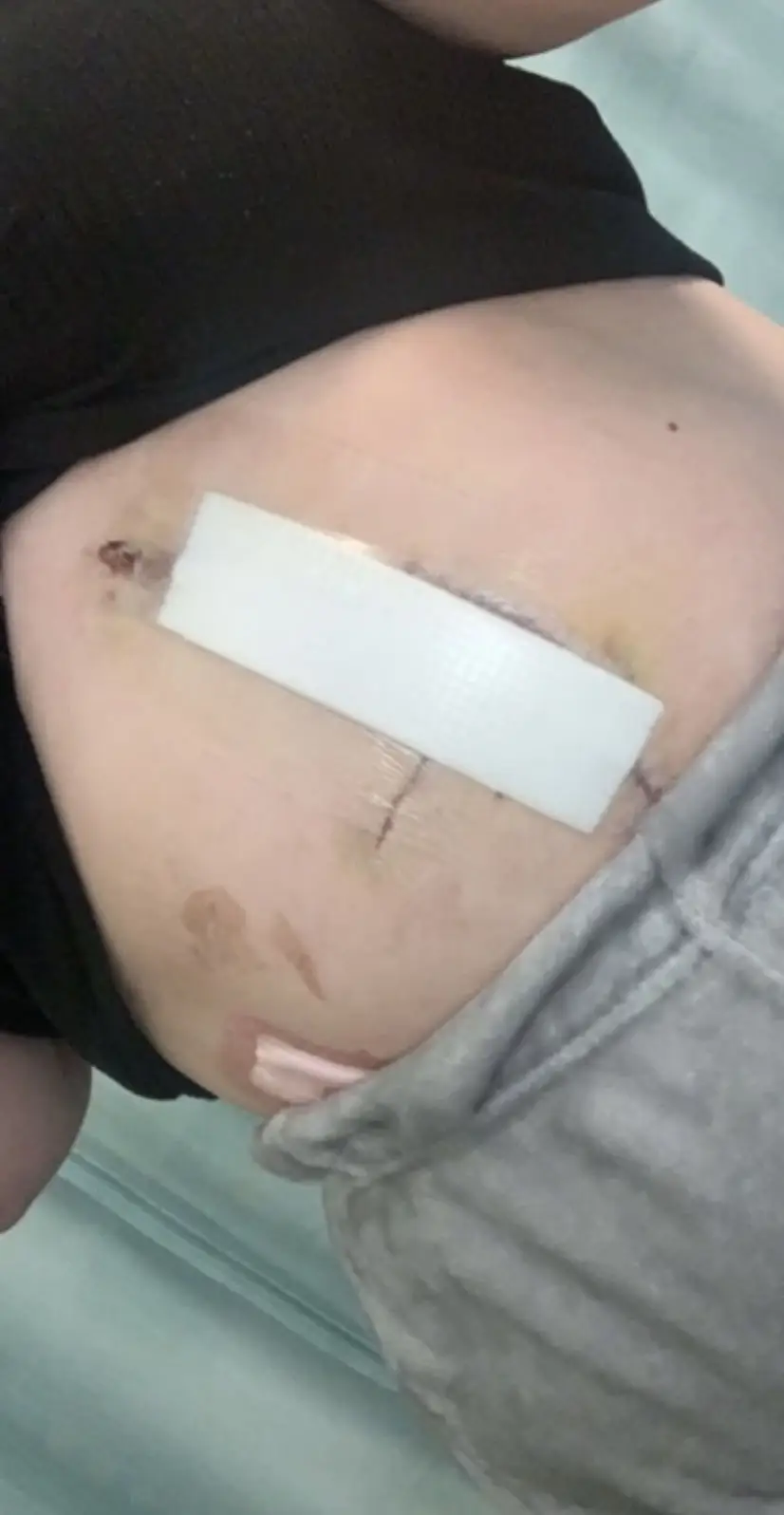
"I have a massive scar from my surgery, it's had an impact on my confidence. I would try and hide it for a while and now it's something I'm actually very proud of."
Responding to claims that her initial diagnosis was overlooked by staff, a Gloucestershire Hospitals NHS Foundation Trust spokesperson told press: "We are very sorry to hear that Miss Bayliss's cancer has returned, and we understand how distressing this must be for her and her family.
"We are also sorry about the experience she had with her care in 2019 and 2020. Isabella's condition is rare and diagnosis requires a high degree of clinical suspicion."
They continued: "We are sorry that it was not detected when she was first seen and have used her experience to reinforce the importance of appropriate investigation in similar situations."
Topics: Health, Life, NHS, Real Life, True Life, Women's Health
 Rhianna Benson