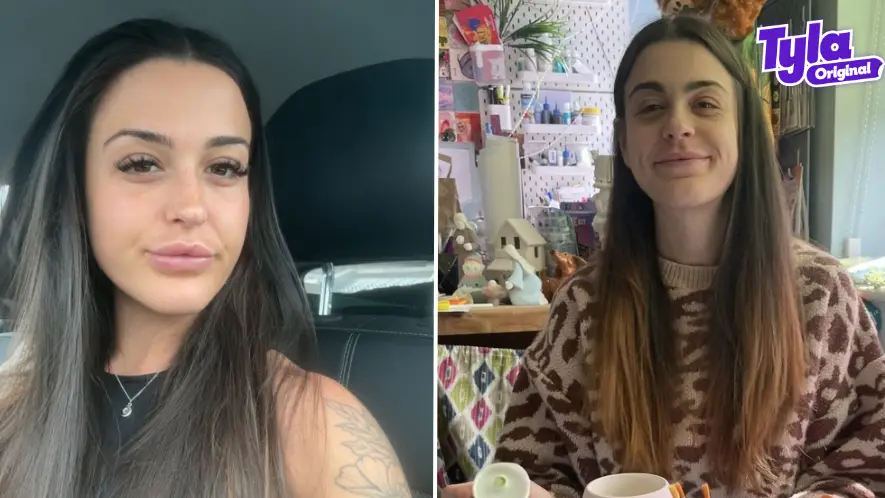
‘I used ketamine to cope with trauma - now I'm calling for better support for women'

Warning: This article contains discussion of drugs, domestic abuse, and suicide
Abbie Christie was a normal, high-functioning woman in her 20s before ketamine addiction caused her to become ‘a total shell of herself’.
She attended university and got a degree, worked for the NHS, and enjoyed going to raves with her friends, but found herself in a dark place in her mid-20s.
The now-29-year-old from Sheffield first took the drug at the age of 16 and used it recreationally on and off throughout her life. However, she fell into addiction when she began using the Class B substance regularly to ‘self-medicate’ following an abusive relationship.
Advert
Now, she wants to rip down the barriers and systemic failures that mean young people - and particularly women - can’t get the help they need.
Ketamine, which is also known as Special K, or just K, is a dissociative drug, which means it causes people to feel separated or detached from their body or physical environment.
Around 264,000 people aged 16–59 in England and Wales reported using it in 2024/25, up from approximately 160,000 in 2014/15, as per statistics highlighted by Change Grow Live.
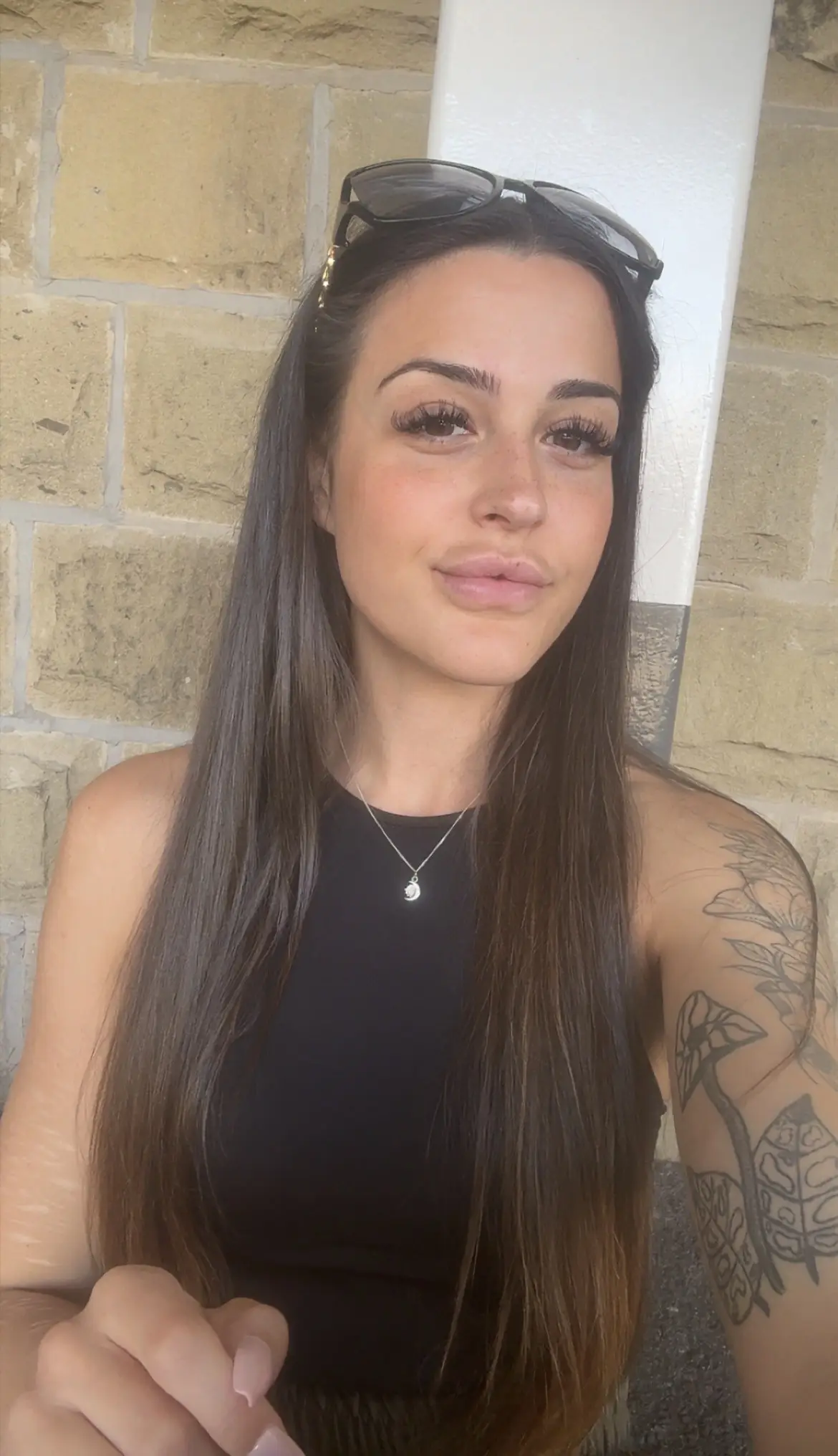
“It felt like the only thing keeping me alive”
Abbie told Tyla: “I'd come out of an abusive relationship, I was struggling with my mental health and going through a court case which was really difficult, and I just started using to self-medicate.
“I couldn't access mental health services, and I couldn't get any therapy because court was going on, and it just felt like the only thing that was keeping me alive, to be honest.”
Abbie’s addiction and mental health struggles spiralled out of control so much that she could no longer work or go to university.
She was spending £1,500 a month of her Help to Buy ISA savings on ketamine, her weight plummeted to 44 kilogrammes, and she completely isolated herself from everyone around her.
Abbie recalled: “It started affecting my physical health at the later stages, so obviously my bladder - I was peeing every 10-20 minutes. I was in horrible pain with the 'K cramps', that was the worst part for me.
“I was sleeping in the shower and just waiting until I passed out from the pain. I just felt my body was giving up; I felt like I was dying. I was unable to eat because every time I ate the pain came on, I could barely walk.”
As outlined by the NHS, ketamine damages the bladder, causing inflammation and ulceration. In turn, this means users need to urinate more often, often pass only small amounts of urine, frequently throughout the day, and are more at risk of urine infections and incontinence.
Abbie found it almost impossible to get support for her mental health, citing the lack of help as what drove her to become addicted to ketamine in the first place.
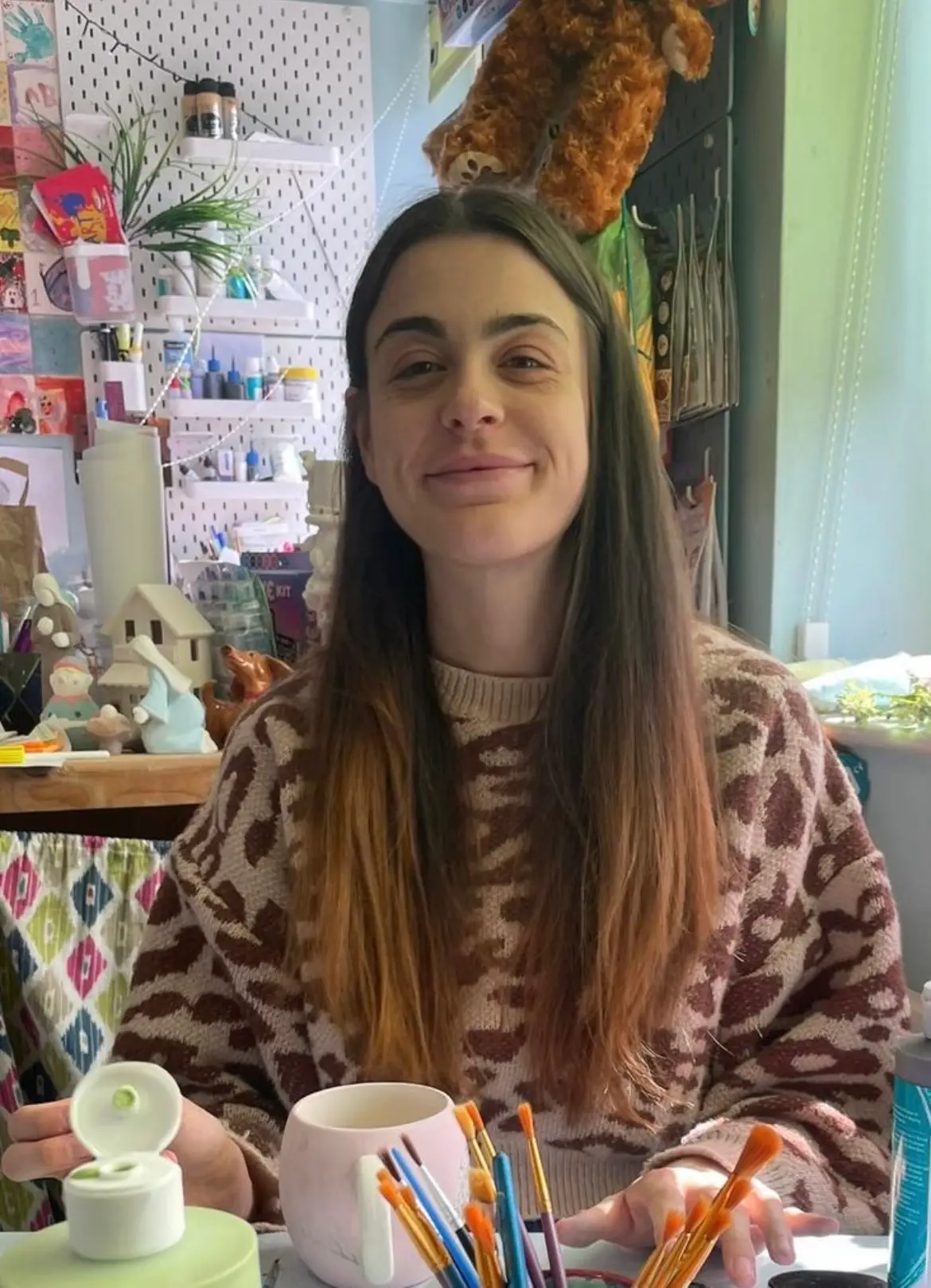
More than half of women in addiction treatment have had traumatic experiences
Studies have long highlighted a strong association between trauma and substance abuse in women.
Research has also documented that compared to men, a higher percentage of women with substance use disorder have been the victims of physical, sexual, or verbal abuse.
It’s estimated that between 55 percent and 99 percent of women in addiction treatment have had traumatic experiences, with trauma significantly raising the risk of turning to substances as a way to cope.
Abbie explains that ketamine ‘felt like the only solution’ at the time she had to deal with her traumatic experiences and mental health struggles.
She told Tyla that it turned into something she couldn't control about six months into daily use, and she ‘couldn’t go a day without it’.
“I tried to end my life the year before, and it was after trying to do that that I just went full pelt with the ketamine because I didn't see another way to survive,” Abbie said.
Abbie claims that mental health services wouldn’t assess her because she was using drugs, and she was advised by a therapist not to go to therapy while her court case was ongoing, leaving her with a lack of help and support.
"I couldn't leave the house"
She recalled: “My mental health just got even worse than it was before, which I didn't think was possible. Already, I was struggling to get up, to eat, to sleep, to live a normal life, but once that fully took hold, all of that was impossible.
“I couldn't leave the house; the only reason that I got out of bed and had a shower was to pick up.”
When she did try to go sober, Abbie says the psychological withdrawals led to ‘insane anxiety and depression’.
She explained: “There was no point going to sleep because if I went to sleep I would just wake up in pain or I would wake up needing the toilet. I just stopped sleeping at that point until I just ended up passing out with exhaustion.”
Abbie says she sought help from NHS drug and alcohol services; however, there is a ‘huge lack of knowledge around ketamine’.
She said: “There's no way to specifically treat people with ketamine addiction; that's something that's still being developed, and it's a very different addiction.
“It’s not one that services are designed for; it's really complex, so that was very difficult to navigate. Nobody knew anything about my physical health problems. It felt like nobody understood what I was going through."
The 29-year-old says she was denied rehab three times before she eventually got help, but it wasn’t a linear process.

“I was continuing to abuse myself”
Abbie relapsed afterwards, with things getting ‘worse before they got better,’ but now, through determination and the help of underground online communities, she has been sober for just under eight months.
“It was the hardest thing I’ve ever done, easily,” Abbie admitted, explaining her turning point.
“Most of it was actually realising that the situation that sort of drove me to use - all of that trauma - to continue to do that to myself with the drugs, I was just continuing that abuse really.
“I was just continuing to abuse myself, and in some ways, me getting off it was kind of me reclaiming my autonomy in my life.”
She explained: “There was this really incredible response from people who were struggling with ketamine, so there is a Reddit, and then a WhatsApp group was born, which now has 750 members.
“There was a huge - and still is a huge - underground peer recovery space, and that is what saved my life really.
"It’s where people are sharing information among each other on harm reduction, on keeping themselves safe, on how to speak to doctors and drug and alcohol professionals, to get the right support.”
Abbie also believes that drug and alcohol services are not ‘set up to meet the needs of women’ and are ‘really male-dominated and heavily geared towards men's needs’.

Touching on her own experience of ‘self-medication,’ Abbie added: “They spoke about ketamine a lot in the media then, about its effects on supporting people with trauma and mental health problems, which is obviously in a clinical environment, but naively I thought it was helping me.”
Ketamine is increasingly being used in carefully controlled clinical settings to treat conditions such as chronic pain and depression, but it shouldn't be self-administered outside of medical care.
“You have to learn to live again”
Now, Abbie is an advocate for those struggling with addiction and has built an online community to help others who were in her position.
She posts on TikTok under the handle @tranquilnottranquilised, busting myths and giving advice for pain management and recovery.
As for how she feels now, Abbie told Tyla: “When you come out of addiction you have to learn to feel again, you have to learn to live again.
“Most of us have never had the opportunity to learn to regulate our emotions and to sit with things without escaping, so that is an ongoing process and I think that will be many, many years of learning, getting to know myself again, and building an identity without drugs.”
Raj Ubhi, Director of Children and Young People's Services at the drug and alcohol service, Change Grow Live, said: “There can be a deep connection between trauma, abuse and substance use. For some people, including women who have experienced trauma, substance use can develop as a way of trying to cope with distressing memories, anxiety or emotional pain. Ketamine can cause serious physical and psychological harm, and repeated use can become difficult to control."
He added: "People experiencing problems with ketamine use need compassionate, non-judgemental and evidence-based support rather than stigma or blame. Substance use rarely exists in isolation, so effective treatment should address the whole person, including their mental health, any experiences of trauma and their drug use. The earlier someone seeks support, the more options are available to help prevent further harm.
"For any young person who is worried about their ketamine use, the best step is to speak to someone early. You do not need to think your use is ‘serious enough’, consider yourself ‘addicted’ or be ready to stop completely before contacting a drug and alcohol service."
"Early support can make a real difference, helping people reduce harm, regain control and access the wider support they need."
Local services offer free, confidential and non-judgemental advice and can help you understand the risks, reduce harm and find the support that best reflects your circumstances. A GP, youth worker, trusted adult or family member can also help you make contact.”
You can find the charity's advice on ketamine harm reduction here.
In an emergency, such as if somebody is unconscious or having trouble breathing, the expert says:
- Call 999 immediately. Don’t worry. The ambulance will only involve police if a death is reported, or if the paramedics are at risk
- Use naloxone, the overdose reversal drug. It could save their life if the ketamine is contaminated
- Put them in the recovery position: On their side, airway open (see this quick NHS guide if you need a reminder)
- Stay with them until help arrives
- Remember: If you or your mates are using ketamine, you can pick up free naloxone from your local Change Grow Live service or other local drug service
Tyla has contacted the NHS for comment.
If you want friendly, confidential advice about drugs, you can talk to FRANK. You can call 0300 123 6600, text 82111 or contact through their website 24/7, or livechat from 2pm-6pm any day of the week
If you’ve been affected by any of these issues and want to speak to someone in confidence, please don’t suffer alone. Call Samaritans for free on their anonymous 24-hour phone line on 116 123 or contact Harmless by visiting their website https://harmless.org.uk.
Topics: Health, Life, Mental Health, Real Life, Women's Health
 Madison Burgess