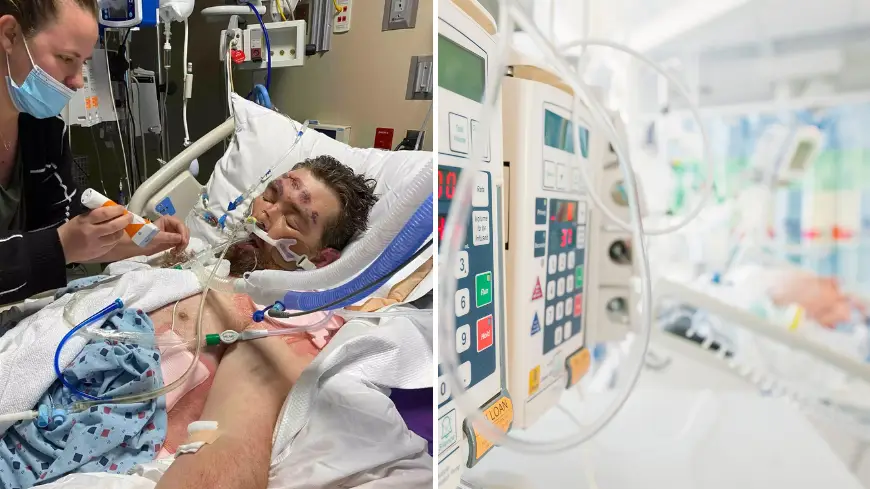
Sepsis symptoms explained as father is left 'fighting for life' after 'pulling out ingrown hair'

Last week, the world was horrified by the harrowing news that a father in the States was given a 'four percent' chance of survival after contracting sepsis.
Even more startling, is that 36-year-old Steven Spinale had been doing something as innocent as plucking out an ingrown hair when he contracted the fatal bacterial infection which almost cost him his life.
As a result, the NHS is emphasising the signs and symptoms to look out for - as well as the preventative measures available - when it comes to the threat of sepsis.
Advert
Turned away from hospitals after 'vomiting blood'
In Steven's case, he'd made the common decision to pull out a pesky ingrown hair which was trapped in his groin region, but only began to suffer the consequences days later, when he was suddenly taken ill.
According to his friends and family, his sickness lasted for around a month.
Doctors were seemingly unable to determine what had impacted his health so dramatically, with his sister Michelle later revealing on TikTok that he was 'turned away at numerous hospitals [who thought] he was making it up', even after he'd started 'vomiting blood'.
After medics eventually discovered he was 'bleeding internally', having contracted a 'rare bacteria' which was 'ravaging through his body and shutting down his organs', he was officially diagnosed with sepsis (blood poisoning).
Steven went on to suffer a number of subsequent life-threatening ailments, including influenza A and double pneumonia, before he was induced into a coma and his family were informed of his four percent chance of survival.
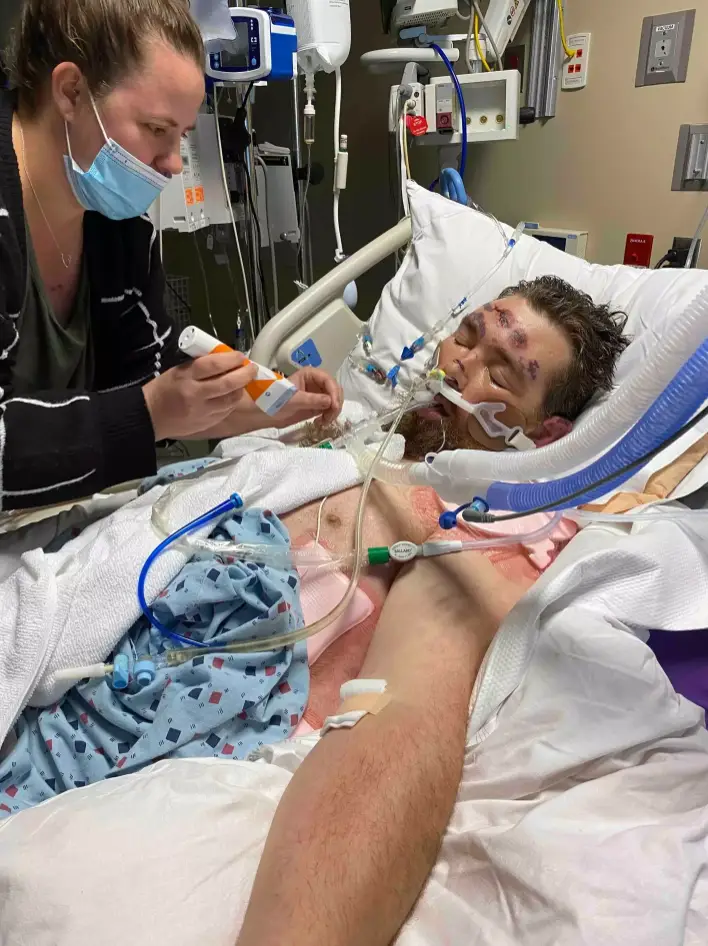
After the sepsis reached his heart, he suffered a 'small stroke', according to Michelle, and was forced to undergo open heart surgery.
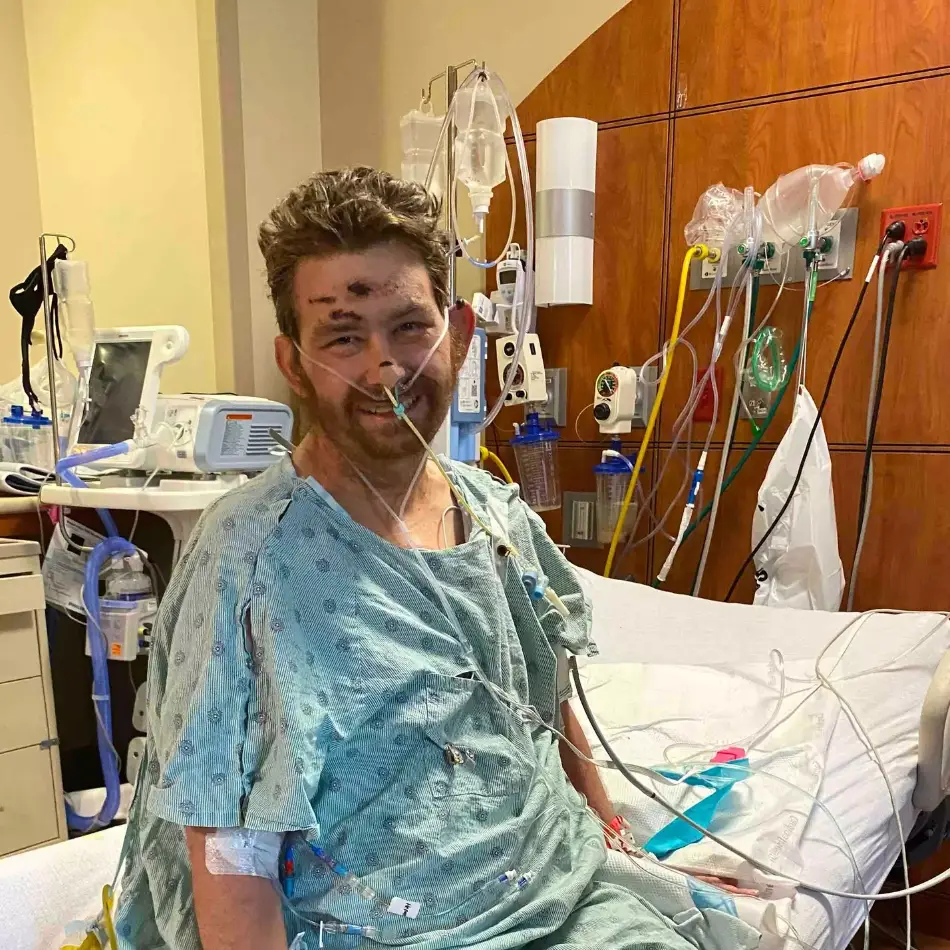
Miraculously, after remaining in a coma for a month, Steven awoke, having suffered no signs of brain damage at all, and has since been 'steadily on his way' to a full recovery.
Following Steven's unprecedented health scare, the NHS are hoping to raise awareness of the key indicators that someone may have contracted sepsis and emphasise the importance of acting fast.
The issue with this infection, however, is that in many cases, it can be almost impossible to spot - particular in cases of children or sufferers of dementia.
But there are some thing you can make yourself aware of about this deadly illness that might lessen your chances of contracting it...
What is sepsis?
Sepsis occurs when your body reacts badly to an infection and starts to damage its own issues and organs.
Unlike many other illnesses, sepsis is not passed from person to person.
Who can catch it?
Absolutely anyone suffering from an infection can suffer sepsis, but it's worth noting that infection is more probable in:
- Babies under the age of one - particular premature babies
- People over 75
- People with diabetes
- People with a weakened immune system - e.g those who've recently had chemotherapy or an organ transplant
- People who have recently had surgery or a serious illness
- Women who have just given birth, had a miscarriage or had an abortion
What are the symptoms of sepsis?
The signs of sepsis can vary drastically depending on the patient.
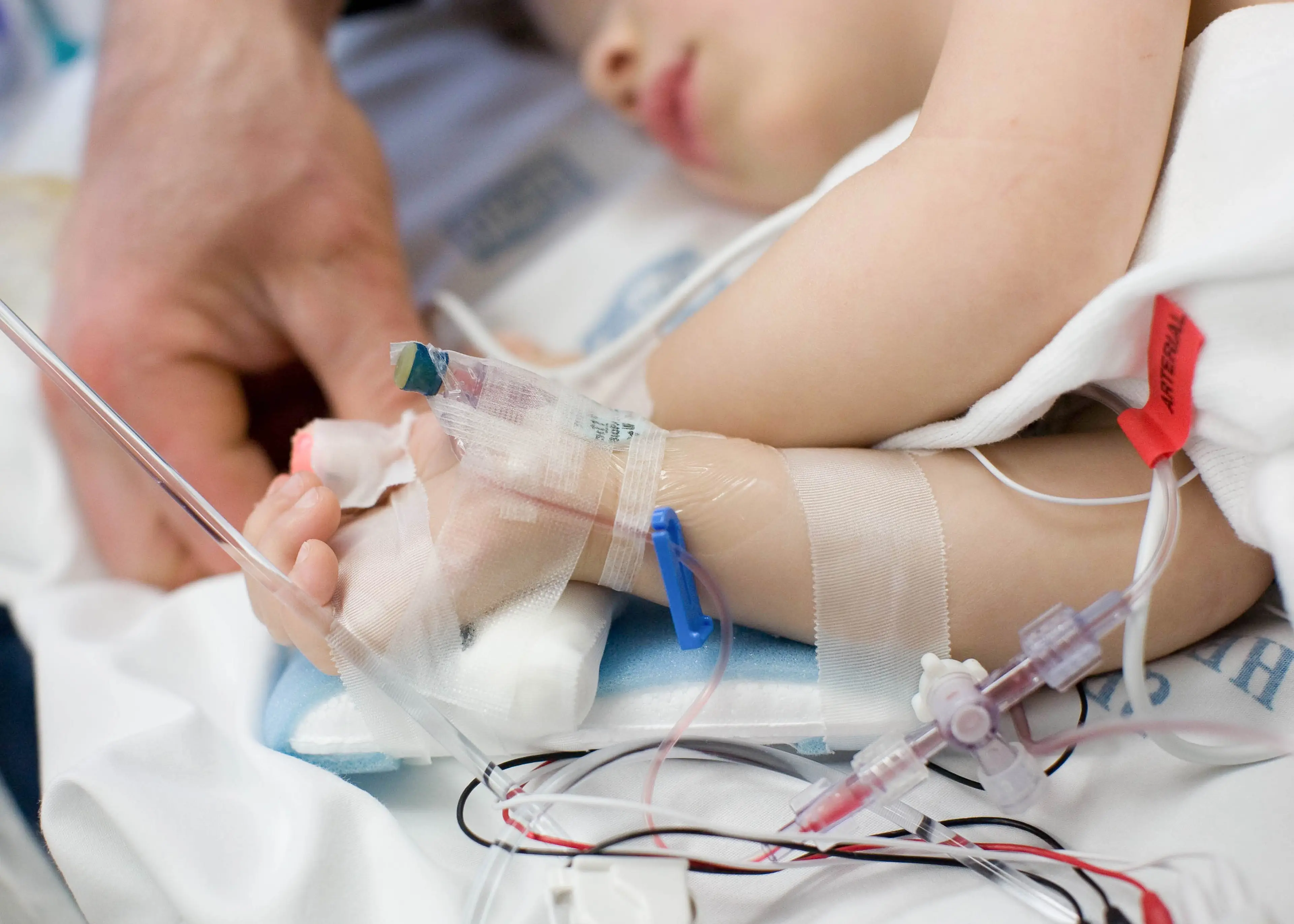
In cases involving a baby or a child, you should call 999 or visit A&E immediately if they have:
- Blue, grey, pale or blotchy skin, lips or tongue
- A rash that does not fade when you roll a glass over it - much like meningitis
- Difficulty breathing, breathlessness or breathing very fast
- A weak, high-pitched cry
- Not responding like they normally do
- Not interested in feeding or normal activities
- Being sleepier than normal or difficult to wake
The NHS also warns parents and guardians to dial 111 for advice if their child shows any of these symptoms:
- Feels very unwell or like there's something seriously wrong
- Has not had a pee all day or in the last 12 hours
- Keeps vomiting and cannot keep any food or milk down
- Has swelling or pain around a cut or wound
- Has a very high or low temperature, feels hot or cold to the touch, or is shivering
In cases involving an adult, the same emergency protocols should be carried out if they exhibit any of these same symptoms, or are acting confused, have slurred speech, or aren't making sense.
Can you prevent sepsis?
Unfortunately, it's really tricky to prevent contracting sepsis, due to the fact can be brought on by something as simple as a a minor infection.
The NHS recommends several practices, however, including:
- Keep up to date with vaccines - particularly for babies, children, older people and pregnant women
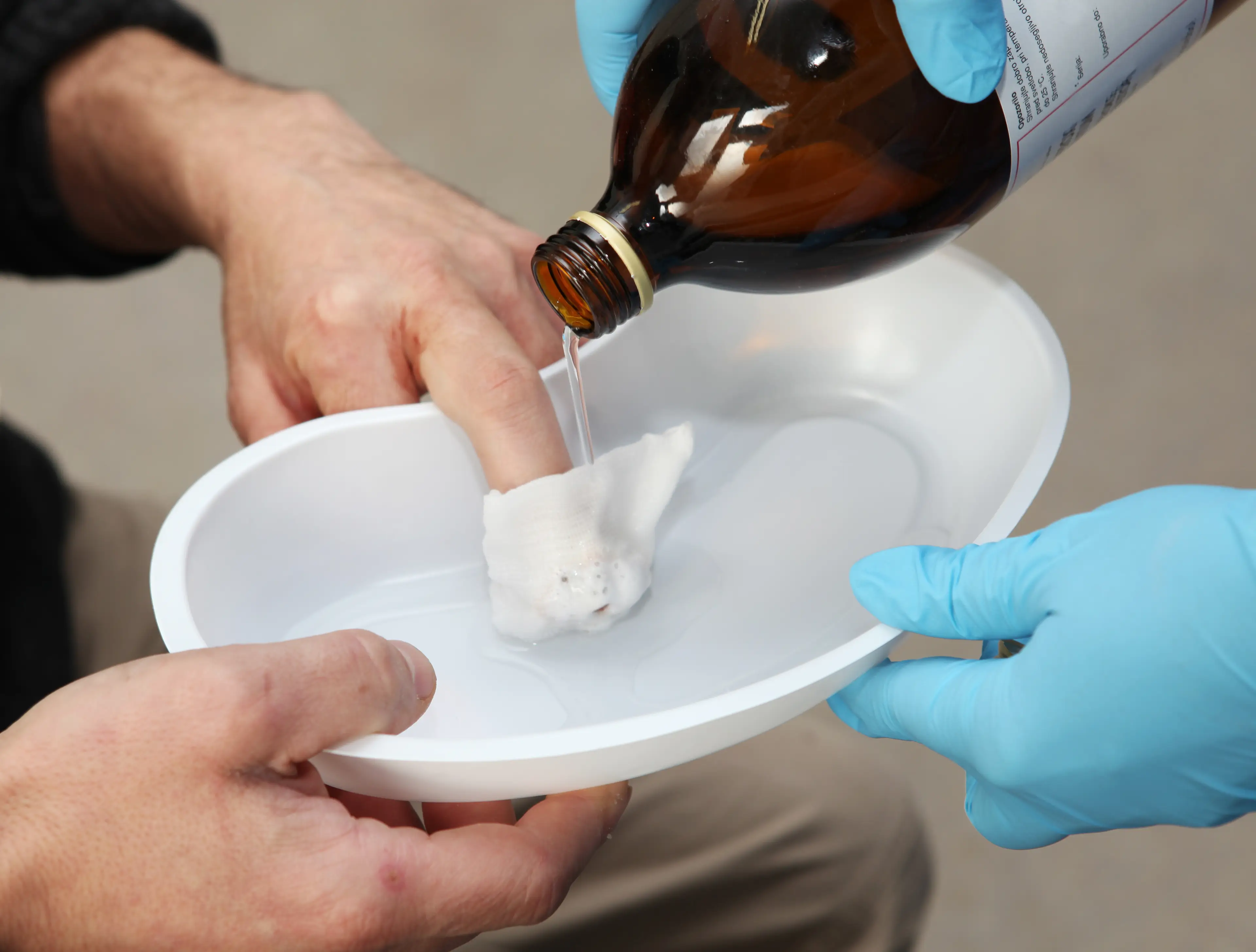
- Always clean and care for wounds
- Correctly take antibiotics
- Wash your hands regularly
- Teach children how to wash their hands well
Topics: News, UK News, World News, Health, Parenting
 Rhianna Benson