NHS advice on pulling out ingrown hairs after father is given 4% chance of survival

Two years ago, Steven Spinale was suffering the harrowing experience of a life-threatening blood poisoning diagnosis after plucking out an ingrown hair.
Now, the NHS has provided some advice on how to handle ingrown hairs.
The pesky hair was trapped in 36-year-old Steven's groin region, but after it was removed in 2022, the then-36-year-old was suddenly taken ill.
According to his friends and family, his sickness lasted for around a month.
Advert
Doctors were seemingly unable to determine what had impacted his health so dramatically, with his sister Michelle later revealing on TikTok that he was 'turned away at numerous hospitals [who thought] he was making it up', even after he'd started 'vomiting blood'.
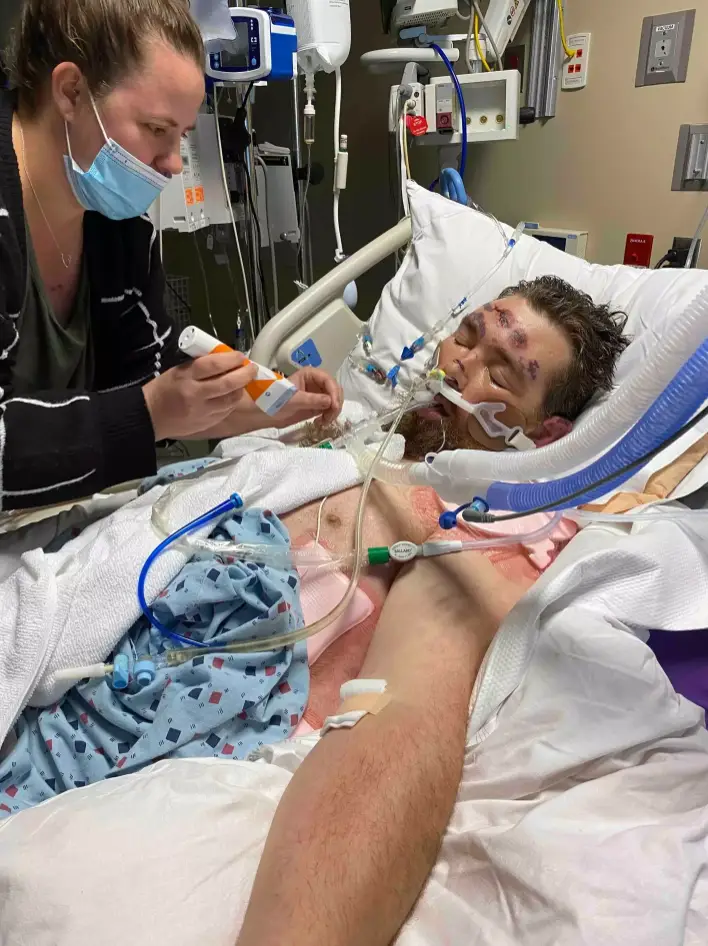
After medics eventually discovered he was 'bleeding internally', having contracted a 'rare bacteria' which was 'ravaging through his body and shutting down his organs', he was officially diagnosed with sepsis (blood poisoning).
Steven went on to suffer a number of subsequent life-threatening ailments, including influenza A and double pneumonia, before he was induced into a coma and his family were informed of his four percent chance of survival.
After the sepsis reached his heart, he suffered a 'small stroke', according to Michelle, and was forced to undergo open heart surgery.
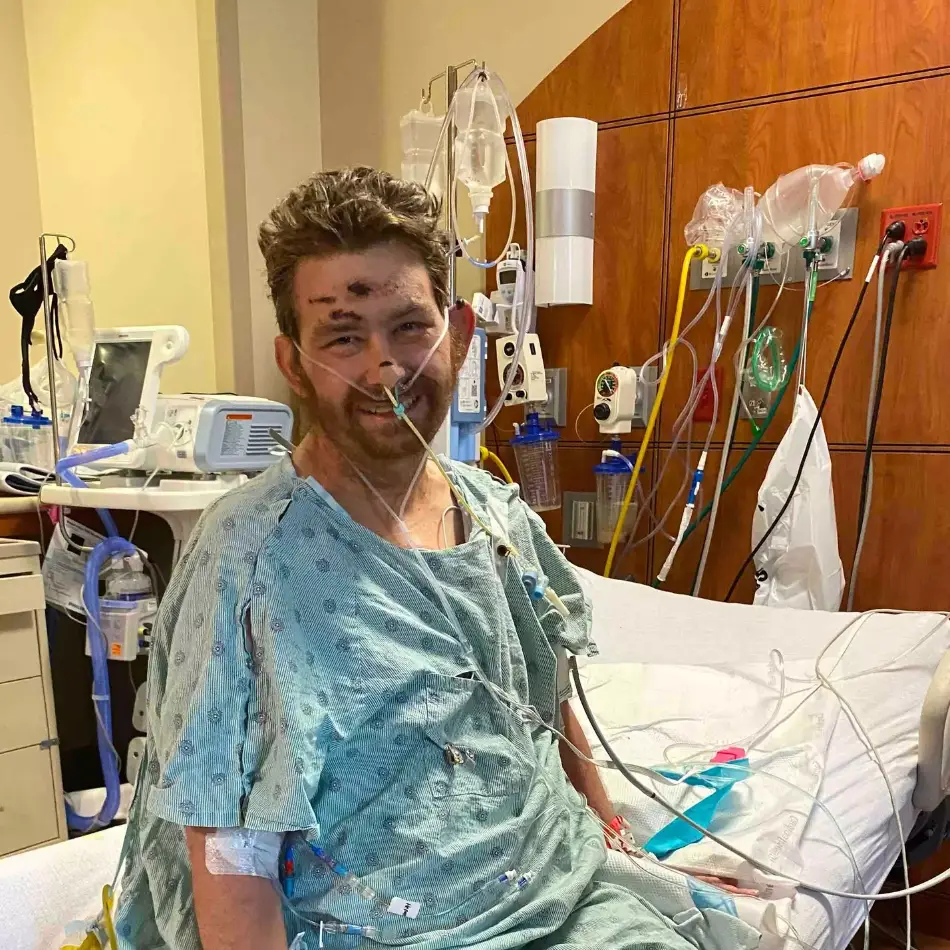
Miraculously, after remaining in a coma for a month, Steven awoke, having suffered no signs of brain damage at all, and has since been 'steadily on his way' to a full recovery.
Not everyone suffering an irritating ingrown hair might be as lucky as Steven to survive the ordeal, however, with the NHS emphasising now more than ever that the act of plucking them could have some disastrous ramifications, and has offered some guidance on how to eliminate them safely.
How to spot ingrown hair
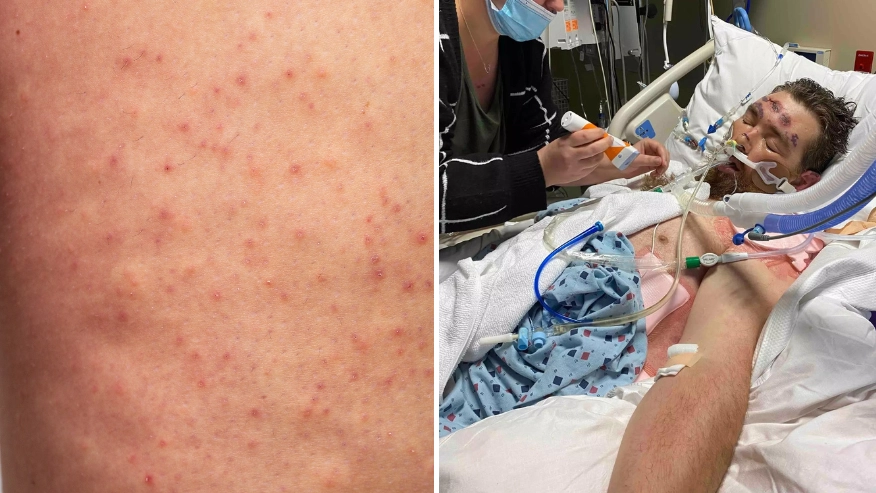
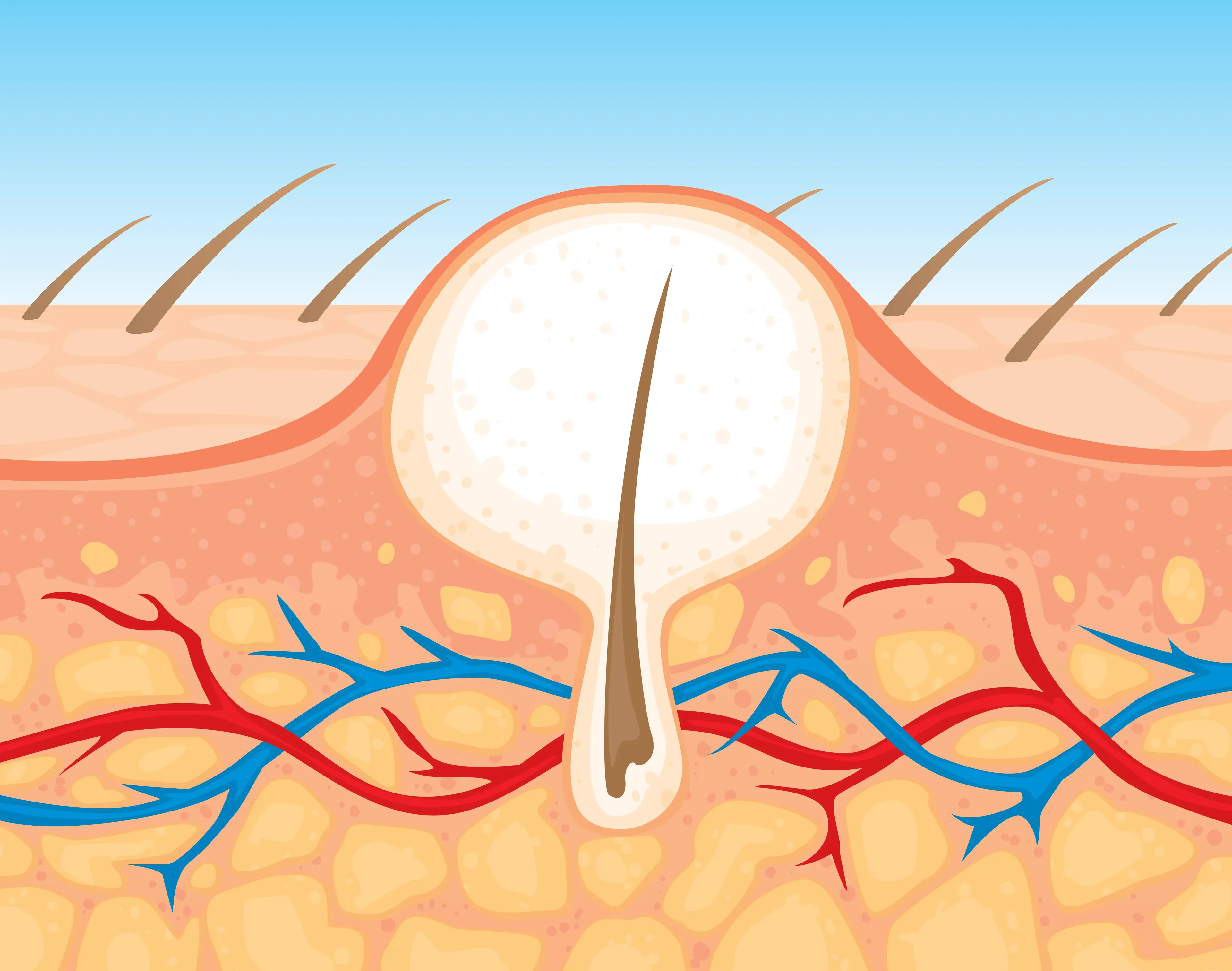
First of all, you might come across an ingrown hair - which occurs when a hair begins to grow pack underneath the skin - after noticing that an area of your skin has a couple of raised bumps, or is particularly itchy.
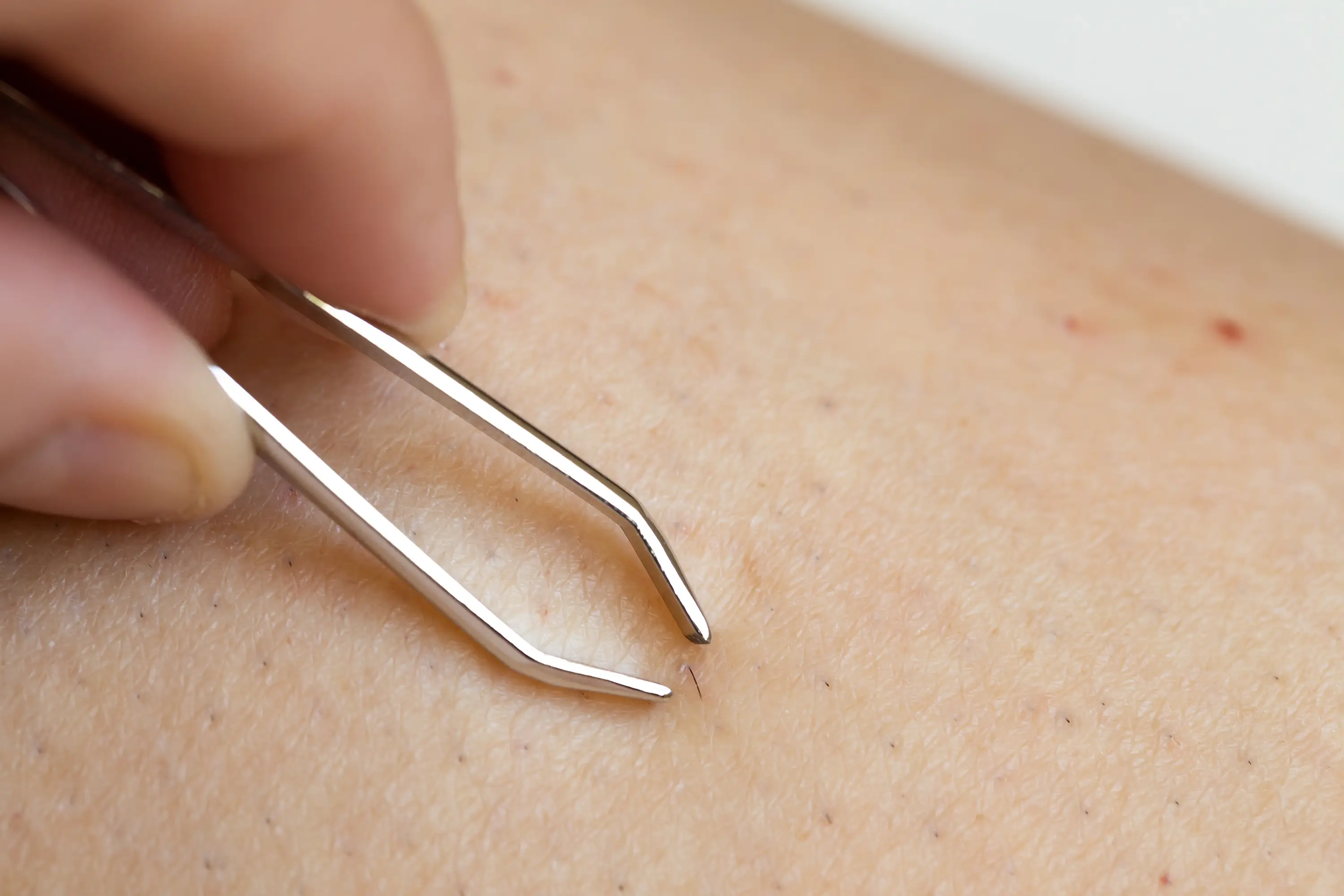
They appear most commonly in areas that tend to be shaved, plucked or threaded, including:
- Face and neck
- Legs
- Armpits
- Chest
- Back
- Your pubic area
Ingrown hairs may also look red, but are potentially harder to spot if they blend into the skin.
They can also be more prominent in people who have naturally course or curly hair.
How to prevent them:
When it comes to keeping ingrown hairs at bay, the NHS recommend several things that you can do.
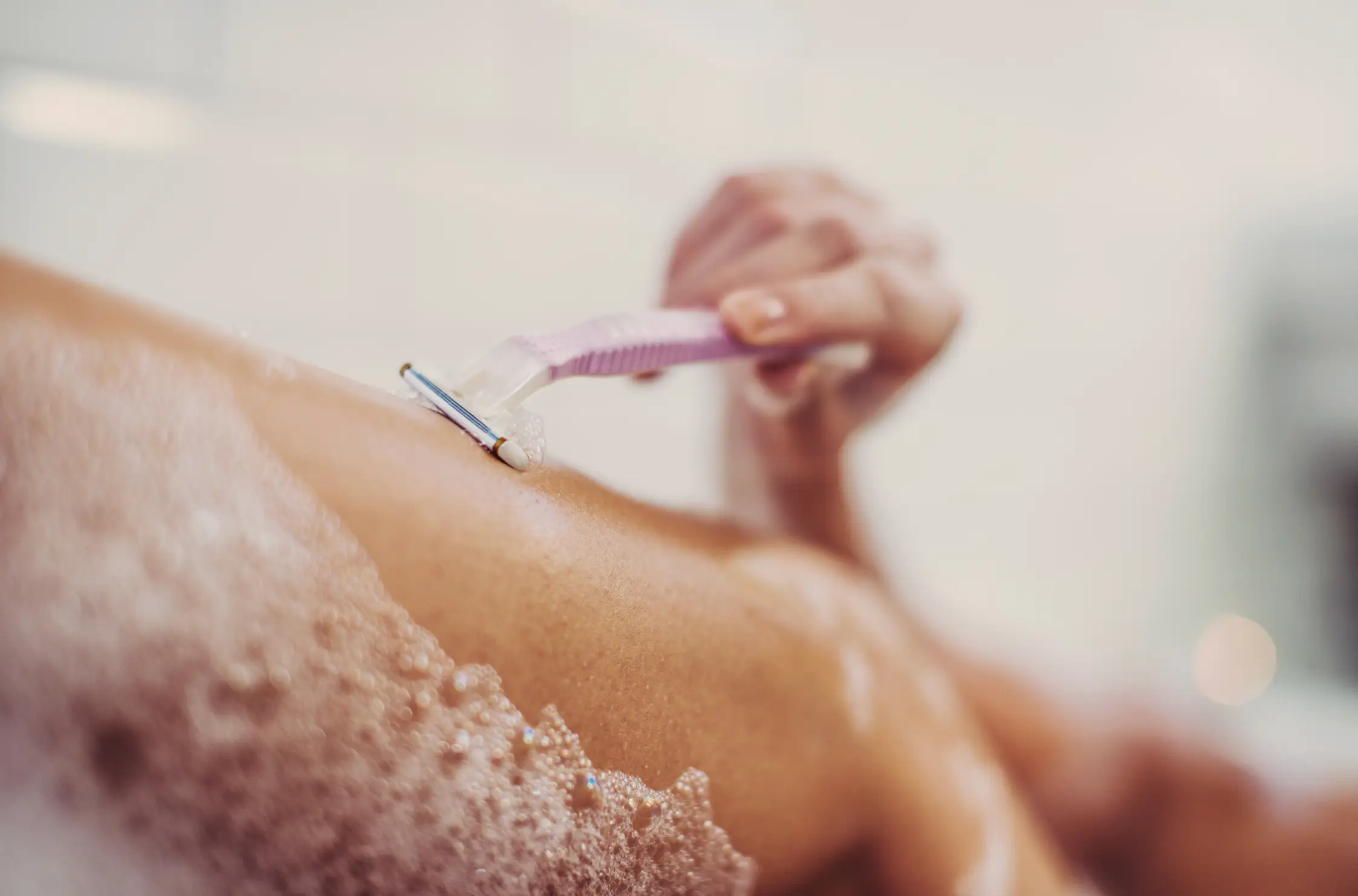
Avoiding shaving altogether is the top recommended approach, but being that for many people, this would be an impossible commitment, there is advice on how to shave most effectively whilst also looking after your skin:
- Before shaving, wet the area with warm water and use shaving cream
- Shave in the direction the hairs grow
- Try to reduce the number of strokes during shaving
- Run the razor under water after every stroke
- Put a cool, wet cloth to the area afterwards to reduce irritation
- Use an exfoliating scrub, which can help to release trapped hairs
- Try using different hair removal methods, like hair removal creams
- Attempt long-term methods such as laser treatment
Equally, there are several practices you shouldn't be putting into place, including shaving too close to the skin, using a blunt razor, shaving everyday, and picking/scratching/squeezing your skin.
If your skin does become infected, your local pharmacist can recommend you a cream, exfoliating products and antiseptics.
When to see a GP:
There are several circumstances whereby a GP should be alerted after you've pulled out an ingrown hair, such as:
- If an ingrown hair or area surrounding it is extremely painful, swollen or hot.
- If you spot an ingrown hair and have a high temperature, or feel hot, or unwell in general.
Your GP might remove the pesky hair using a sterile needle or scalpel, prescribe you a steroid cream to lesson the level of irritation, of hand out antibiotics to treat an infection.
 Rhianna Benson