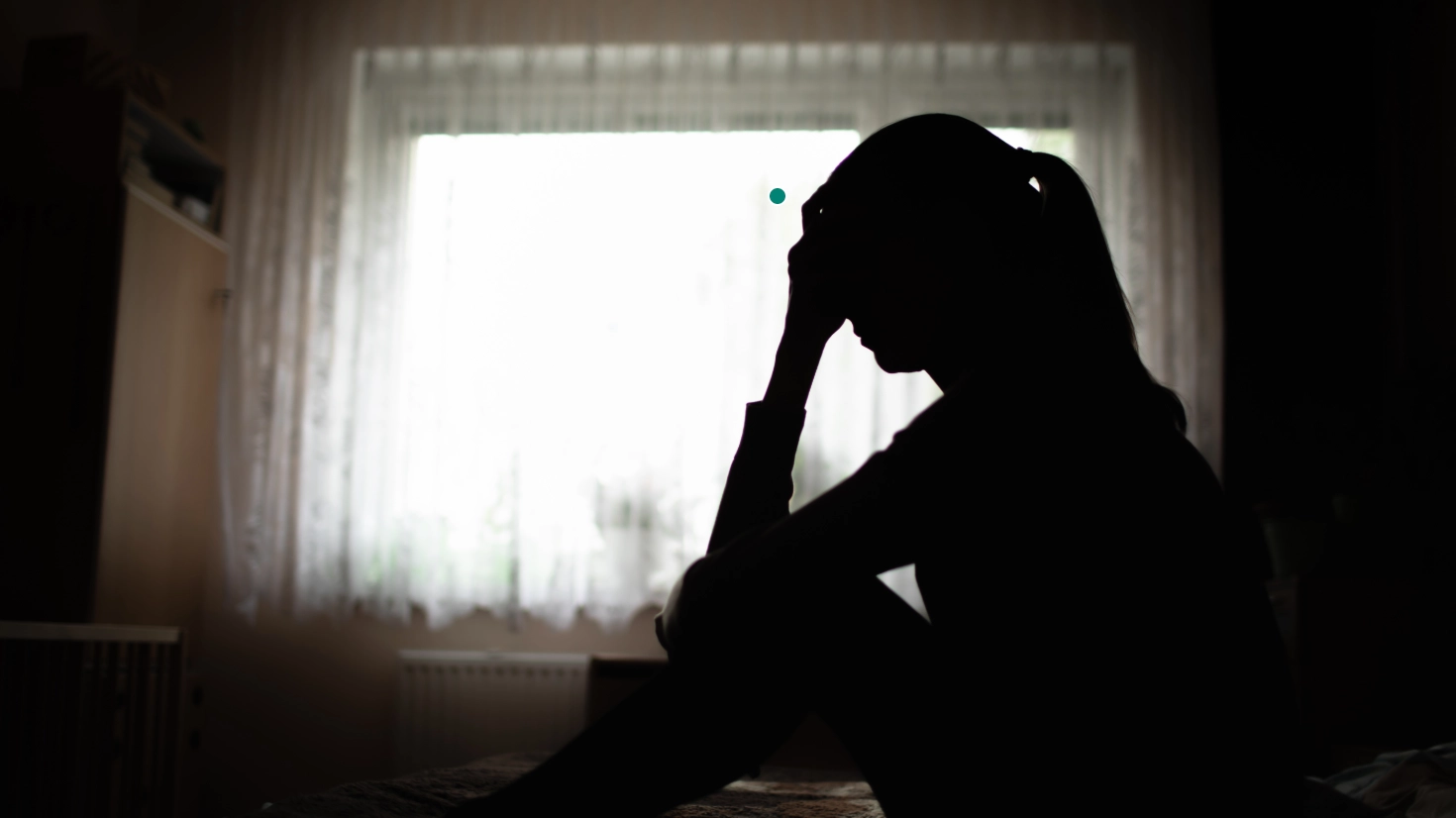
Warning signs you could have scopophobia - it’s more than just a fear

Experts have explained the mental and physical symptoms of the little-known scopophobia - and how it can be treated.
Phobias are generally defined as an overwhelming, irrational, and uncontrollable fear of a specific object, situation, feeling or animal.
"Many people are afraid of things," the NHS explains. "Fear only becomes a phobia when you begin to organise your life around avoiding your fear."
If you prioritise avoiding your fear over all things, and if sometimes even thinking about it can make you panic, it might be time to seek help.
Advert
While arachnophobia and claustrophobia are relatively well known, not many people are aware of scopophobia - but it can be just as debilitating.
What is scopophobia?

Scopophobia, also known as scoptophobia, is an anxiety disorder characterised by an excessive and irrational fear of being stared at or watched by others.
The disorder varies in severity from person to person, with some people only fearing when a stranger stares for a long time, while others fear even making eye contact with a friend.
"It is normal to feel uncomfortable or even anxious if someone is staring at you in an unusual way," Very Well Mind explains. "It is also normal to feel nervous in a public speaking or performance situation.
"Scopophobia is more serious, however. People with this phobia may feel that others are scrutinising and examining them, which creates feelings of distress, discomfort, and fear."
What are the symptoms of scopophobia?
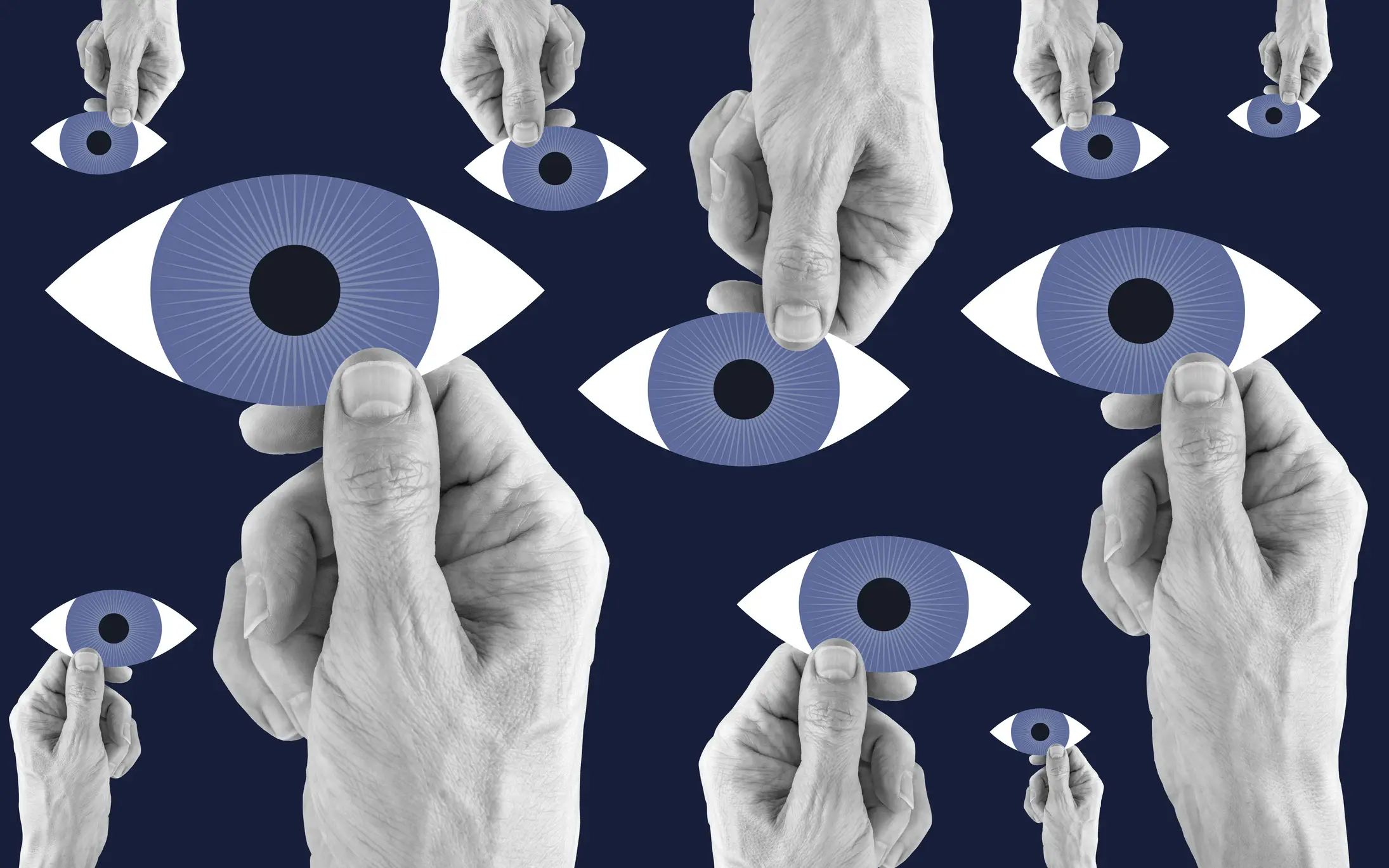
According to Psych Central, a few symptoms of scopophobia include:
- Feeling discomfort when people look at you
- Worrying excessively about blushing
- Assuming that other people are watching you
- Experiencing stress or anxiety because of eye contact
Scopophobia triggers anxiety that can cause physical symptoms, such as:
- Increased heart rate
- Shaking
- Perspiration
- Flushed skin
- Dry mouth
Additionally, psychological symptoms you may experience include:
- Panic
- Inability to focus
- Restlessness
- Worry
How to diagnose scopophobia?

While scopophobia isn’t listed as its own condition in the DSM-5, clinicians can still flag it under the broader category of specific phobia.
Specific phobia sits within anxiety disorders and follows a clear pattern, with the fear centring on a particular trigger.
The reaction tends to be immediate and out of proportion to any real danger.
These patterns usually stick around for at least six months and aren’t better explained by another condition, Psych Central notes.
With scopophobia, the trigger is the feeling of being seen or watched. Even the thought of someone’s gaze can spark the same cycle of fear, tension and avoidance.
If any of this feels familiar, a chat with a healthcare professional can be useful. They can check for other possible causes and point you toward a mental health specialist for a fuller assessment.
How to treat scopophobia?

Very Well Mind assures that the fear of being watched tends to ease with the right support, as a therapist usually builds a plan that tackles scopophobia along with anything else feeding into it.
Cognitive behavioural therapy (CBT) often sits at the centre of treatment, and it works by helping people spot the thoughts that set off their fear, then swap them for steadier ones to create a shift that makes everyday situations feel less loaded.
Exposure therapy takes things a step further as it introduces the feared scenario in small, controlled doses so the body stops sounding the alarm quite so quickly. Relaxation techniques often sit alongside it to keep things grounded.
"In some cases, doctors may prescribe medications to help people manage symptoms of scopophobia," the experts add. "Selective serotonin reuptake inhibitors (SSRIs) may be prescribed to help improve mood and reduce anxiety.
"Benzodiazepines, which have a sedative effect, can help people manage acute symptoms of anxiety and fear."
You can find out more about phobias on the official NHS website here.
If you're experiencing distressing thoughts and feelings, the Campaign Against Living Miserably (CALM) is there to support you. They're open from 5pm–midnight, 365 days a year. Their national number is 0800 58 58 58 and they also have a webchat service if you're not comfortable talking on the phone.
Topics: Advice, Life, Explained, Mental Health, Health
 Rhiannon Ingle